

The Most Recommended Soil Options For Reseeding Your Lawn
We may receive a commission on purchases made from links.
If all you can see are damaged patches and bare areas, it may be time to reseed your lawn. However, reseeding a lawn takes more than just scattering the grass seeds and hoping for the best. Improper preparation and poor soil conditions may mean that your new lawn fails to establish itself. So, it is essential to take your time and plan well, while also considering the site you are reseeding. When it comes to the best soil options for reseeding, it all depends on the conditions of your site. If your current soil is poor, you should bring new topsoil in to provide a base for reseeding.
A general-purpose grade topsoil is best for reseeding lawns, such as Scott's Turf Builder Lawn Soil or Baccto Topsoil for Lawns. While premium-grade soil is the most fertile, it is expensive, and best left for containers or small beds. Economy-grade soil is the cheapest, however, it is of poor quality and only meant to add volume where needed. It's also possible your existing soil may only need to be amended. To determine which amendments to make, measure the pH of your soil and test it for deficiencies. For best results, your soil should have a pH between 6.0 and 7.5.
Soil amendments to make before reseeding
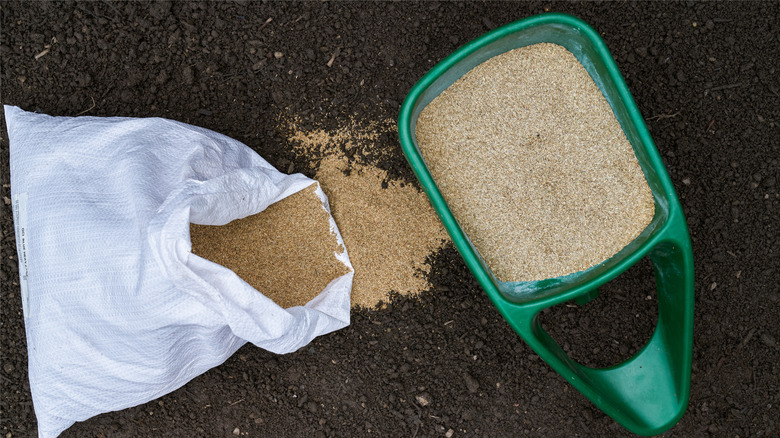
If the soil is too acidic, lime can be added to bring the pH down. If there is a deficiency in phosphorus, you will need to use a starter fertilizer. This can be mixed into the top of the soil when prepping the site for reseeding. If your soil is high in sand or clay, it is useful to add some organic matter such as peat moss or compost. This will help with water retention and drainage and provide nutrients for a healthy, strong lawn. Although sand can be used to amend clay soils, it is not recommended for use in home lawns, as large amounts are needed.
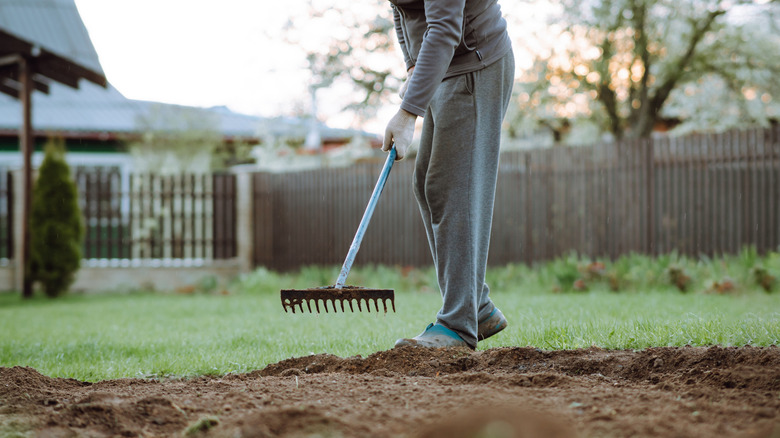
To properly amend the soil, you first need to remove any weeds and damaged turf. Cut the damaged tuft out to a depth of about 2 inches and remove any weeds by digging out their roots. You also need to ensure that any rocks or debris are removed from the soil, as this can cause drainage problems and therefore affect the growth of your grass. Once that is done, dig over your soil to a depth of around 8 inches and amend it according to its needs.
Before reseeding, you need to leave your soil for a while to allow it to settle. Five or six weeks is recommended, but wait at least a few days. Then, firm the soil by using a roller or weighted drag. Finally, rake the soil to ensure that it is level and ready for your seeds! By using the best soil options for your site, you can transform a lackluster lawn into a stunning green oasis through planning, preparation, and amendments.