

Are Your Trees Safe From This Invasive Pest? Here's Where They're Typically Found
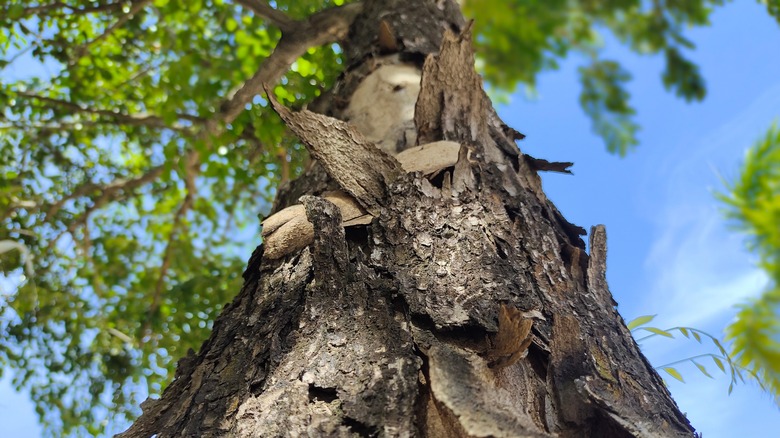
Your yard is your pride and joy. A sanctuary where you can get away from the hecticness of modern life and relax and reconnect with nature. So, it can be incredibly upsetting to find pests harming your beloved shrubs and trees. To keep your yard happy and healthy, it is essential to be aware of the most common garden pests that live in your area. However, there are also some invasive species to keep on your radar, including the Mediterranean oak borer. As you can probably tell from its name, this pest originates from Europe. Sadly, it is now appearing in the U.S. and harming trees in the oak and beech family.
What makes invasive pests even worse than native ones is their lack of natural predators. This allows them to multiply quickly, dealing a lot of damage in a short time. The Mediterranean oak borer is currently found in both California and Oregon. It was first discovered in Napa County in 2019, likely arriving through international trade in the early 2010s. Since then, it has been found in other California counties, such as Yolo and El Dorado. Recently, this pest has been found in the counties of Washington, Multnomah, Marion, and Clackamas in Oregon. So, if you live in these areas and have oak or beech trees in your yard, it is helpful to keep an eye out for the Mediterranean oak borer.
How to spot the Mediterranean oak borer
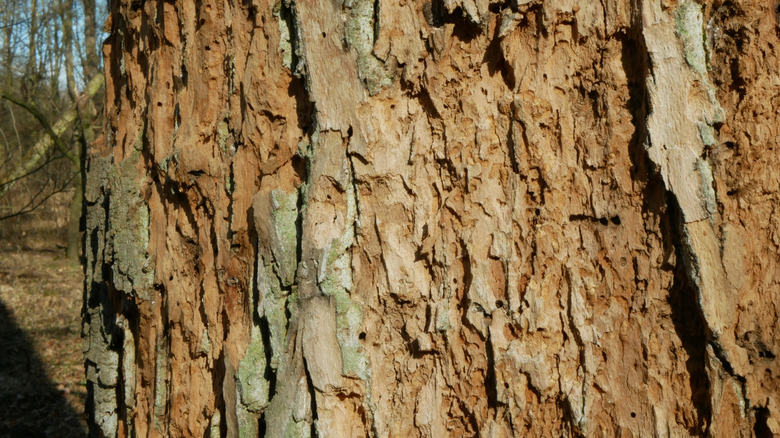
In order to know what to look for, it is helpful to understand how these invasive pests work. The Mediterranean oak borers do not feed on the wood. Instead, the females of the species burrow into the stems and trunks of the trees and leave their eggs inside. As they do so, they inoculate these tunnels with a fungus, which is what their young feed on. However, this fungus will spread through the tree and affect how it moves water and nutrients, causing it to decay, decline, and even die. This will often happen over a few years, as more pests invade the tree and spread the fungi. They usually start at the top of the tree, moving downwards and expanding their populations as they do so.
The effects of this fungus are normally the first signs of an infestation. The leaves will turn red or brown, dropping from the infected branches. Then, these infected branches will wilt and die, often discolored by the fungus. Crown thinning may also be apparent, and you may be able to spot clusters of small, round holes along the branches or the trunk of the tree, which is where the Mediterranean oak borers have entered.
How to protect trees from Mediterranean oak borers
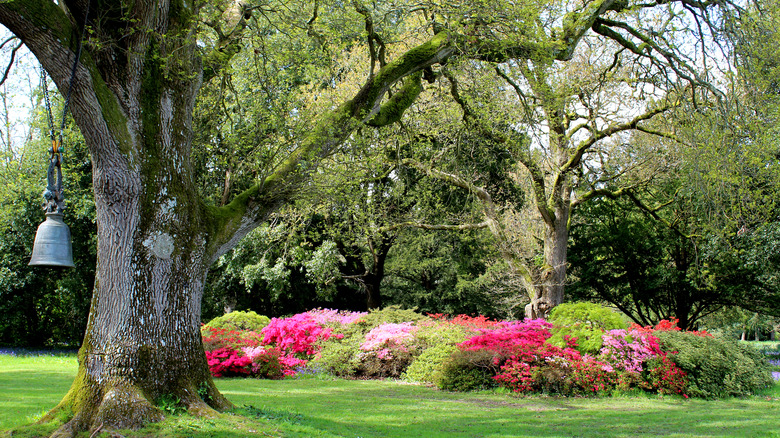
Unfortunately, once you have spotted Mediterranean oak borer damage on your trees, it is usually best to destroy the infected tree. You also need to report the infection to your state. However, there are things you can do to protect the surrounding trees and keep your garden safe from this invasive pest. Preventing the Mediterranean oak borer is all about keeping your trees healthy and free from stress. Drought can really impact the health of trees, so ensure that you are watering deeply in those long, hot summer months. Avoid doing activities around the trees that may compact their roots, and ensure that you are inspecting the trees regularly for signs of attack. The Mediterranean oak borer is more active in the spring and summer months, so keep an eye out during these seasons.
You should also prune your oak trees in the winter to remove any dead or damaged branches and improve the air flow. This will make them less susceptible to Mediterranean oak borders and improve their overall health. By looking after the trees in your yard and staying vigilant for signs of infection, you will hopefully avoid serious pest damage and help fight the spread of the Mediterranean oak borer.