

The Likeliest Places You Can Pick Up Bed Bugs And Bring Them Back To Your Home
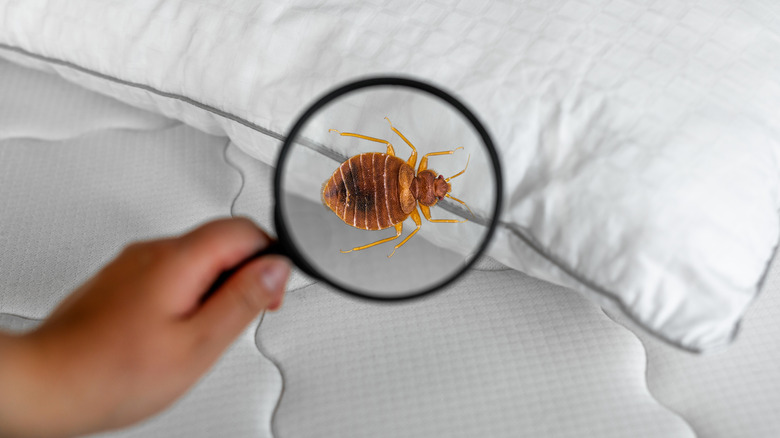
Humans have been sharing space with bed bugs for thousands of years, dating back to Egyptian civilization. But even in recent times, there have been reports of a bed bug explosion in different parts of the world. The problem got worse after the pandemic, with an increase in social activities, travel, and public gatherings. In fact, according to Terminix, places like Philadelphia, Ohio, and New York are some of the most bed-bug infested areas in the country. If you like traveling, you need to be on the lookout for these creatures. You also risk bringing bed bugs back to your home if you go to places like movie theaters and libraries, or if you use public transportation. And don't forget about those coat checks.
Bed bugs (Cimex spp.) are blood-sucking parasites that feed on warm-blooded animals — humans are no exception. They are small, wingless, and reddish-brown in color and can hide in small cracks and crevices, such as the seam of a mattress. Bed bugs are attracted to your body temperature, as well as the carbon dioxide you exhale.
Although they are not a source of disease, they can still cause harm. Bed bugs are responsible for a host of physical and mental conditions that can hamper your peace of mind. For instance, their bites can cause allergic reactions, which can range from mild itching to severe cases of anaphylaxis. Bed bugs can also cause anxiety and sleeplessness.
You can bring bed bugs home after traveling
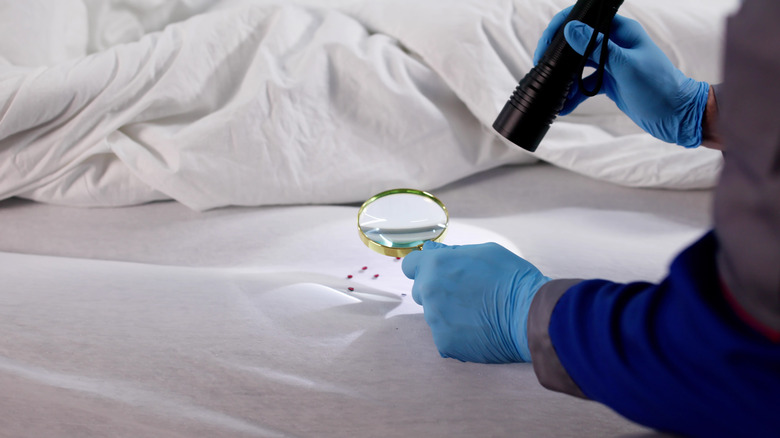
As with any other pest contamination, the likelihood of picking up bed bugs increases when you're traveling. The culprits can include hotel rooms, Airbnb's, and even resorts. Although hotels do take precautions to get rid of pests, you still need to be cautious. (Just think about all the people who have slept in that room before you.) And even if you inspect the mattress seams and disinfect the room before you settle in, bed bugs can still cross over from adjoining rooms, along walls, or utility holes. Using public transport, such as trains and buses, which are shared by a lot of people, is another major source of bed bug exposure.
So, how do these creepy crawlers spread in such locations? Well, bud bugs are experts at both hiding and hitchhiking. They can stay hidden in warm nooks and corners, going without a blood meal for months. In fact, their flat bodies are well suited for small spaces. Once you visit a location with activity, the bugs attach themselves to your belongings and make their way back to your home. Their favorite "modes of transport" include clothing with folds and seams, suitcases, and book bags. Since getting rid of bed bugs permanently can be tricky, it is best to do all you can to avoid infestation in the first place.
Other places where you can inadvertently pick up bed bugs
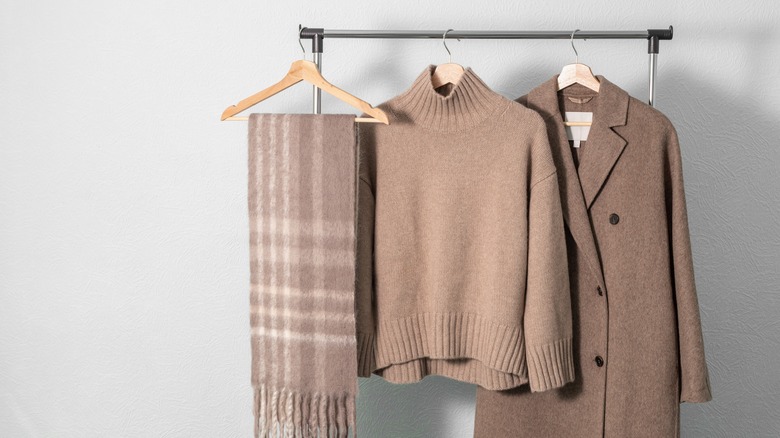
Although the chances of encountering bed bugs increase if you're traveling, they can also find a way to your home from other locations such as cinemas or indoor sports halls. Parties are another source as bed bugs could be lurking your host's sofa and chairs. Libraries are another storehouse of bed bugs. They love the shelter that bindings and pages of books provide and the constant flow of people make them highly susceptible to infestation. Gymnasium locker rooms, shoe cabinets in public areas, hospital beds, schools, and dormitories are also places that bed bugs can hide. Another seemingly innocuous but common source is coat checks in public places, like museums and theaters. The bugs can hop from coat-to-coat, traveling all the way inside your home.
You can also unknowingly bring bed bugs in your home if you buy second-hand furniture. Make sure you take precautions and watch out for the signs of the bugs before bringing any furniture (or bedding) inside. Despite all your best efforts, you may still find yourself fighting to get these pests out of your house. If you have an infestation, take immediate action and avoid making these common mistakes while dealing with bed bugs, such as failing to hire a professional.