

Shower Head Whistling? Here's Why (And How To Fix It)
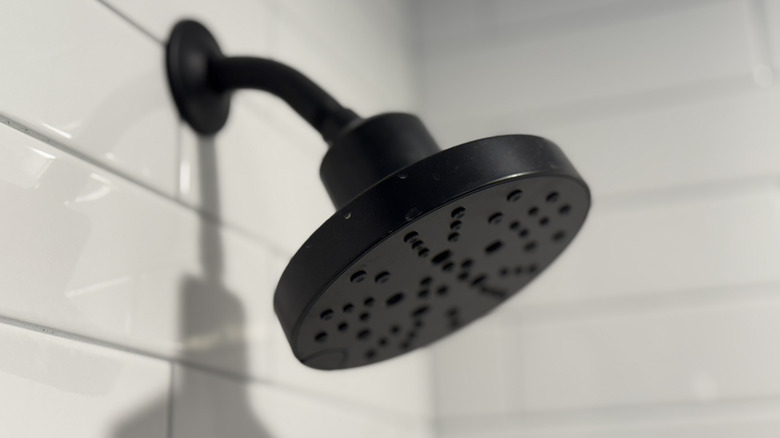
The last thing you want to hear when stepping into the shower in the morning is a strange squealing or whistling sound. You may wonder what is causing the trouble and how to fix it. The right way to fix a whistling shower head, and whether you can do the job or need a plumber, depends on the reason the shower is making whistling sounds. While in many cases, it can be repaired, there are situations that may require you to change your outdated shower head.
Mineral buildup in shower heads is a common cause of whistling and squealing noises. When mineral deposits accumulate inside the showerheads and valves, the normal flow of water is restricted, which causes the noise. Some problems are more in-depth, such as issues with pipes and components of the shower and shower head. This could include a clog in the pipe attached to the showerhead or pipes that are not properly secured.
Other possible causes include mechanical issues with the components of the shower or shower head, such as a broken or faulty diverter valve or shower cartridge. The diverter valve directs water to the shower head from the faucet inside the bathtub. Shower valves control water temperature and flow in the shower. Determining the reason your shower is whistling is the first step to finding the right solution. In most cases, you can DIY the fix, but there are certain problems that may require a plumber.
Fixing a whistling shower head
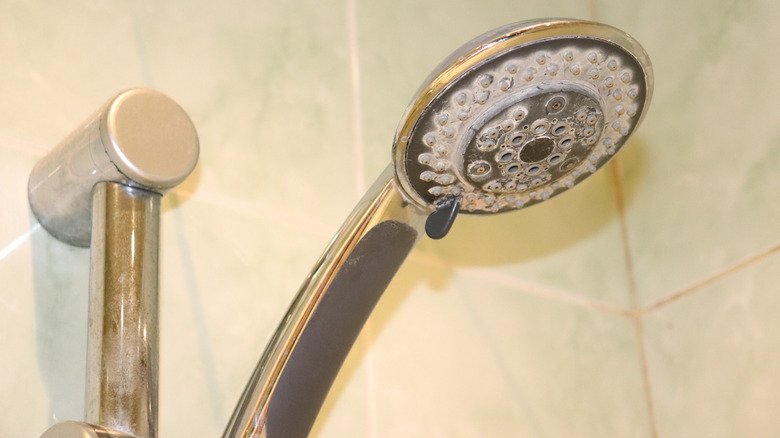
You may need to clean your shower head if you notice visible buildup, weak water flow, or inconsistent water spray. If you suspect the source of the sounds may be a clogged shower head, you can test the theory by removing the shower head and turning on the water. If the sound is gone, the problem is likely caused by mineral buildup inside the shower head. You can solve this problem by replacing or cleaning it.
To properly clean your shower head, remove it from the wall and soak it in vinegar. Make a solution of equal parts vinegar and hot water to soak the shower head and remove buildup. Let the shower head soak for up to 12 hours. You can then use a small brush or toothbrush to scrub the nozzles and use a small pin to poke through the holes in the shower head to clear any remaining debris.
While you can clean out the shower head and pipe to remove buildup, a shower head that is still whistling may require a professional plumber. Problems with high water pressure, worn out shower valves, or a failing shower diverter valve, may require removing the shower handle or getting into the wall behind the shower. Once the problem is solved, you can prevent whistling in the future by keeping the shower head clean, making sure the water pressure is regulated, and replacing worn out parts as soon as possible.