

11 Trendy Old-World Wallpaper Patterns (& The Best Way To Style Them)
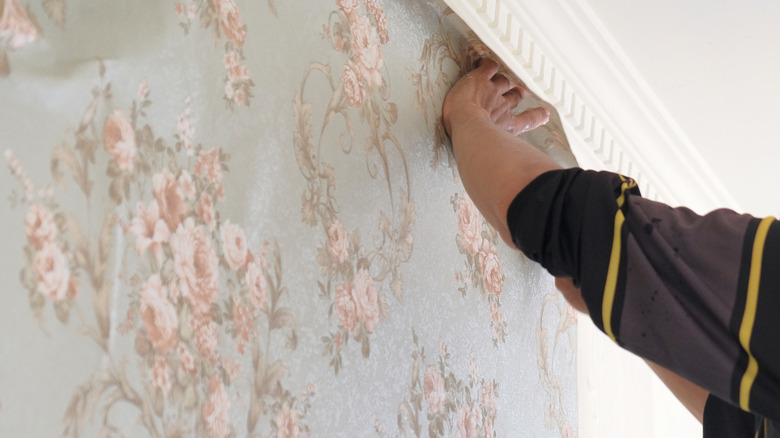
After years of viral millennial gray decor and sterile minimalism dominating interior trends, homeowners are embracing character-filled touches beyond the quiet, modern designs we may be used to. Instead, we're looking to the past for old-world charm that's louder, more unique, and bolder than the monochromatic palettes that ruled Pinterest in recent memory. With the popularity of cottagecore design surging over minimalism, it may feel overwhelming to puzzle out where to start. From-over-the-top patterns, deep vibrant colors, and charming accents, there are many ways to begin your old-world design journey. Luckily, there's one easy design trick that transforms an entire room from modern mundane to old-world elegance: wallpaper.
Today, wallpaper designs are inspired by all manner of historic patterns and prints, from large moody florals that evoke Dutch master paintings to the intricate botanical and natural-filled prints of the Arts and Crafts movement. Here, "old-world" doesn't mean "dated," however. These contemporary variations are reimagined for the modern eye, refashioned so that they speak to the here and now, but with infusions of a cultured past. Whether you live in a sleek city apartment or a cozy suburban bungalow, these patterns provide an instant sense of heritage that feels both luxe and relevant. When styled with the right touches — such as florals with modern furniture, damask with classic decor, and gingham with wood finishes — these historic patterns pack a big design punch, achieving that trendy cottagecore, old-money feel.
Moody florals
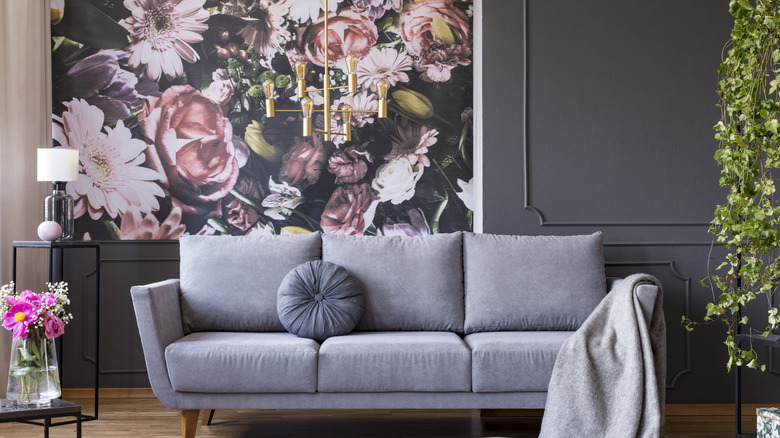
A nod to the Dutch still life master paintings of the 17th century, these wallpaper patterns embrace scale, dramatic shading, and high contrast, bringing massive blooms to life. Often set on a dark background to contrast with the flowers themselves, moody florals work well against contemporary pieces of furniture. It looks and feels historic, and yet the florals are timeless enough to serve as a work of modern art. Go dark in your styling choices to lean into a moody aesthetic, or narrow in on an accent color from the flowers to brighten and modernize the space.
Arts and Crafts
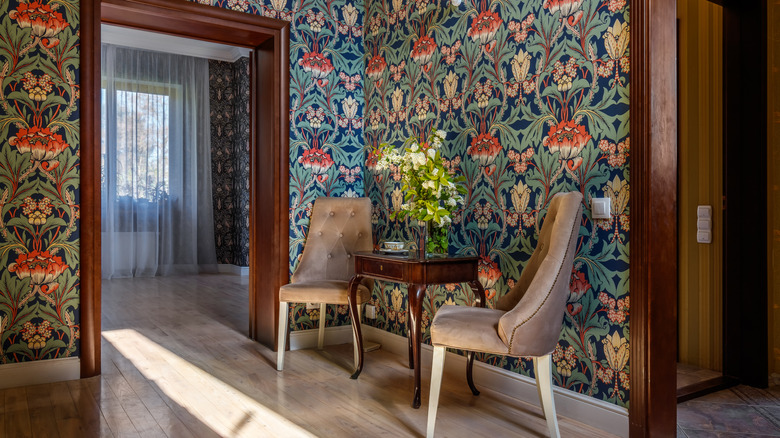
The Arts and Crafts movement, led by William Morris in 19th century England, was similar to our current cottagecore trends, in that it was also a reaction against modern industrialism. With a return to handicrafts, and carefully designed and produced, one of the most enduring aesthetics that the movement gave us was that of exaggerated botanicals. Featuring a rhythmic and repeated pattern of oversized florals like wildflowers and acanthus leaves, Arts and Crafts-inspired wallpaper can feel dense at first. However, if you break up the patterning with wooden accents and furniture, it can act as a visual anchor, preventing overstimulation.
Toile de Jouy
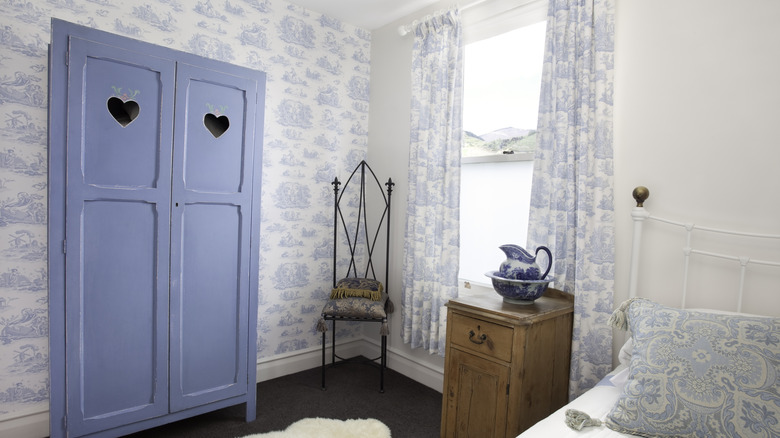
Toile de Jouy is one of the most recognizable of old-world patterns, known for its monochromatic pastoral scenes of the European countryside. Originally a wardrobe staple of 18th and 19th century French courts, today toile can resemble shabby chic, but it also looks modern when styled in a high-contrast minimalist palette. You can find this pattern in a variety of colors set on either white or cream backgrounds. So, for a true luxe, cottagecore feel, opt for a navy or charcoal toile and match it with dark metallics. Think lighter and whiter accents for an English countryside feel, however.
Chinoiserie
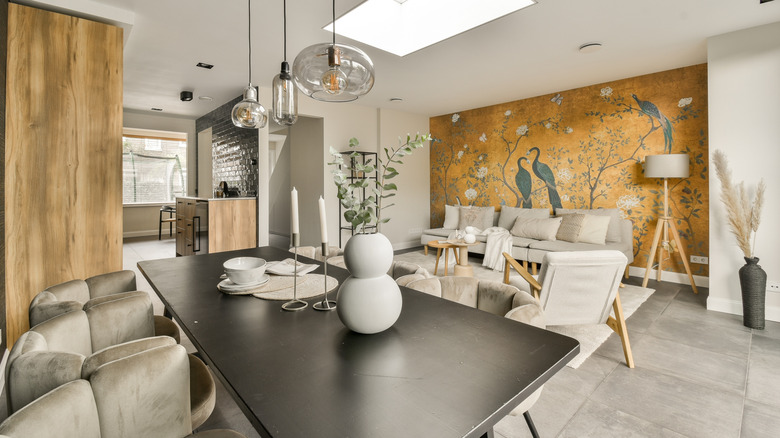
Chinoiserie wallpaper is named for its East Asian-inspired illustrations, often featuring hand-painted birds and garden vines; Vincent Van Gogh's "Almond Blossom" painting is a prime example of the aesthetic. A more subtle look than Dutch painting-inspired moody florals or dominating Arts and Crafts patterns, this design infuses character into a room without overwhelming it. To style it in a modern home, consider picking out a color or two from the paper's palette — perhaps a sage green, cream, or dusty rose — and pull those colors into your furniture. This creates a cohesive, curated aesthetic where the wallpaper anchors the space.
Ticking stripes
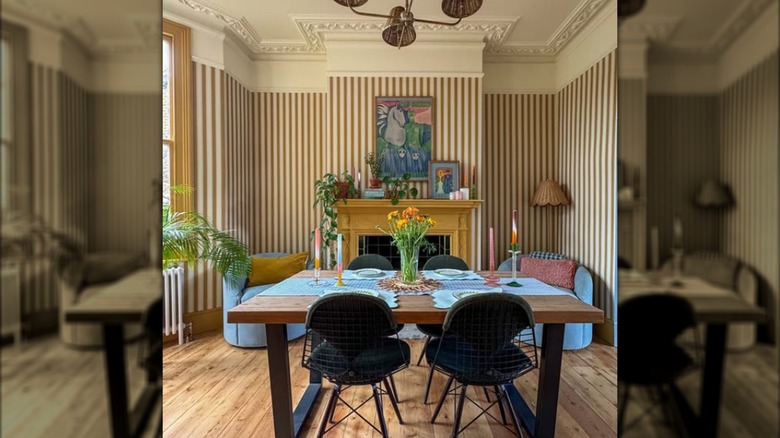
For those looking for a neutral palette with a hint of old-world charm, the ticking stripe is a beautifully subtle historic pattern. Inspired by utilitarian, European farmhouse linens, this humble, thinly striped design shot to popularity during the mid-century, lending its historic flair to ultra modern spaces. Already proven a neutral in its inclusion in mid-century decor, ticking patterns are still a perfect candidate to mix with other styles, providing a clean backdrop for anything from cottagecore classic to nautical modern. Double down with striped furniture, or pair with a pop of color for a fun design.
Damask
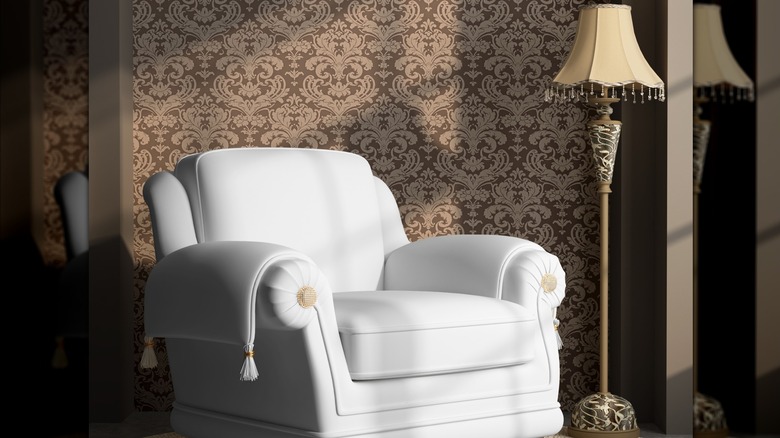
Entering into the realm of castlecore decor and design, damask wallpaper ups the design ante, introducing dark, sumptuous richness into a space. Damask traditionally describes the luxurious, woven textiles popular in historic European estates and palaces, and its recognizable old-world florals provide incredible depth when used as wallpaper. If you want to add texture to a room, but not necessarily dump too much color into it, consider installing a tonal damask pattern. This makes the room feel palatial, expensive, and yet clean enough not to feel too cheesy. Pair with classic furniture silhouettes and dark millwork for that castlecore feel.
Marbled paper
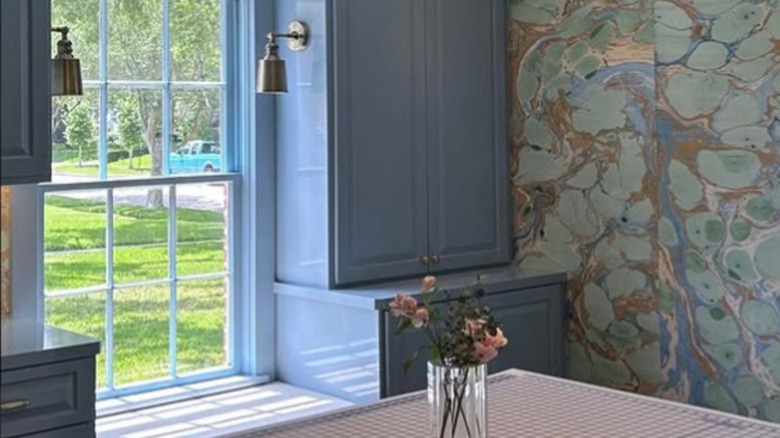
Marbled wallpaper in this sense doesn't mean paper that looks like marble, the stone; rather, it refers to the marbled Ebru patterns historically used for the inside covers of antique, fine-bound books. These swirling, artistic designs carry an air of uniquely organic luxury. Since the pattern can be intense, try using this wallpaper in unexpected doses, like inside a dining nook or even lining the back of built-in shelves for that layered look. However, if you're not afraid to go all in on this historic pattern, offset the design with monochromatic furniture that matches one of the main colors in the swirls.
Herbarium prints
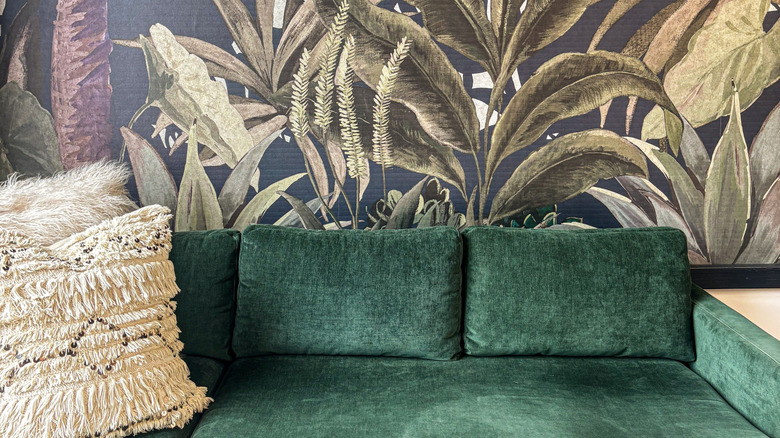
Drawing inspiration from the style of art from 18th-century herbariums and botanist notebooks, these patterns feature depictions of plants and sometimes animals that feel antiqued and aged. While in some ways it can feel very vintage with darker millwork and furniture, it can also feel incredibly fresh and tropical when paired with textured accents like raffia and rattan. Some versions of this wallpaper take the herbarium very literally, with vestiges of scientific notes still scribbled onto the pattern, while others create a more cohesive nature scene.
Gingham or tartan
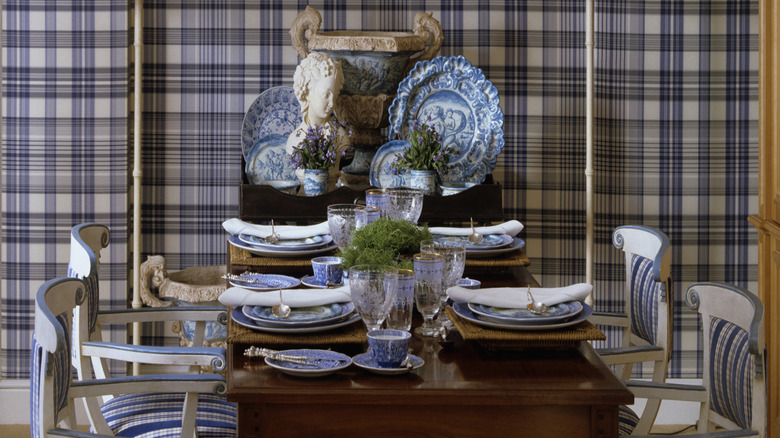
While often associated with rustic cabins, country kitchens, or the Scottish Highlands, checkered patterns like gingham or tartan have moved into the heritage design category. It gives some visual interest to a room, while also offering a more balanced palette than other, more boisterous old-world styles like moody florals. These patterns feel the richest when paired with other sumptuous textures and colors, so consider adding elements like leather, metallic finishes, wood, and other natural fibers. Try darker wallpaper for a brooding dark academia vibe, or pick a brighter blue for a French countryside feel.
Tin tile texture
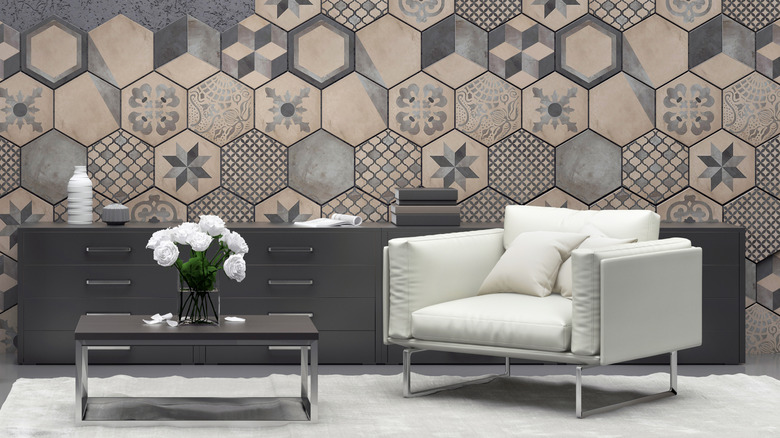
Originally a Victorian-era design favorite for adding decorative flair to ceilings and walls, tin-tile effect wallpapers mimic the look of pressed metal or heavily embossed plaster popular in the 19th to early 20th centuries. This wallpaper pattern adds incredible three-dimensional texture, and it's sculptural enough to add to ceilings for a real dramatic effect. To style, use a monochromatic paint-over-wallpaper technique: Paint the wallpaper and the trim the same shade, making the texture feel like a permanent, built-in part of the room. Or, opt for a metallic version, pairing it with similarly-colored finishes to enhance traditional old-world vibes.
Faux tapestry
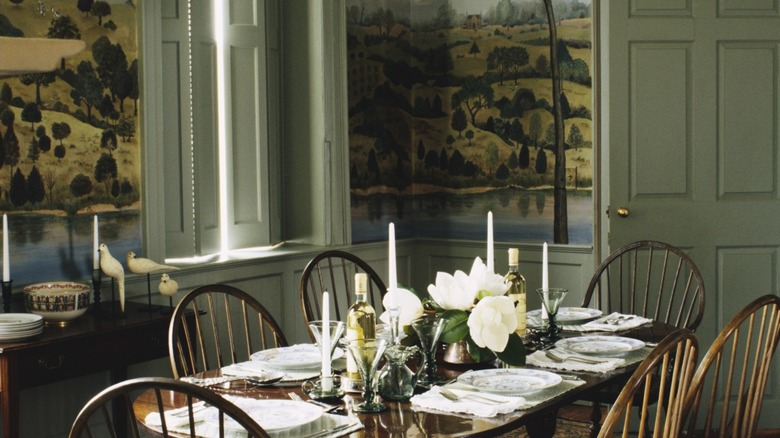
While other wallpapers inspired by paintings rely on repeated patterns or vignettes, these designs display a more complete scene. Inspired by verdure murals, which in turn mimic the look of ancient woven tapestries, they often depict fairytale-like forests and rolling hills in earthy tones. Acting as a full-scale landscape, style the mural effectively with more low-profile couches or armchairs. Also, consider installing this wallpaper in spaces where there is plenty of unobstructed wall space, like dining rooms or bedrooms. Lean into old-world charm with antique finishes, or keep it simple with natural textures like wool or linen.