

How To Tell When It's Time To Stop Deadheading Flowers
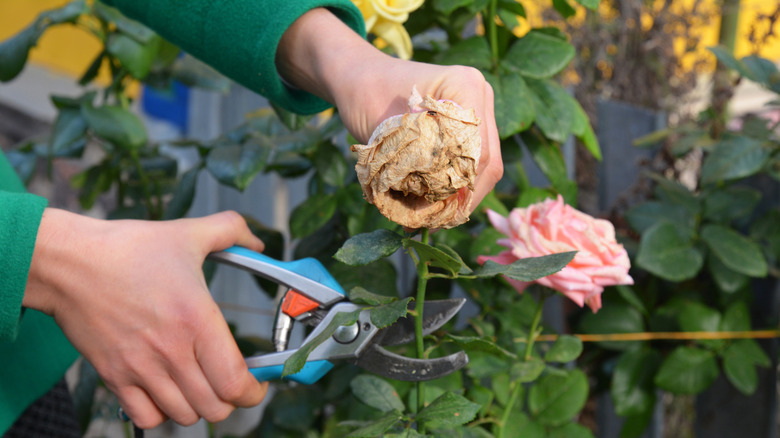
Deadheading your flowering plants is an important task to keep up with as a gardener. While deadheading some common flowers is a mistake any time of year, most flowering plants benefit from the practice as long as you get the timing right. Not only can it stimulate plants to produce even more blooms, but it also encourages it to focus on foliage and root growth, rather than seed production. This can lead to a healthier, happier plant that also looks better in your garden.
When you continue deadheading too late into the season, however, you can end up harming the plant. This gardening task can prevent it from preparing for winter. Since deadheading encourages new growth, that tender, young growth might not have enough time to mature before temperatures drop. In perennials, this can delay dormancy too long, leaving it vulnerable to frost damage. In annuals, this can prevent the plant from successfully self-seeding before it dies — a problem if you were hoping to save seeds or let that annual spread to fill in a particular area.
No matter which flowers you're growing, it's important to pay attention to the key signs that it's time to stop deadheading your flowers for the year. Some of these signs can be tracked on a calendar, but others require monitoring the plants themselves as well as the pollinators and wildlife that visit your garden. Some flowers might show these signs sooner than others, which makes it even more important to watch for all the signals so you can get the timing right for each species in your garden.
It's the end of their typical bloom season
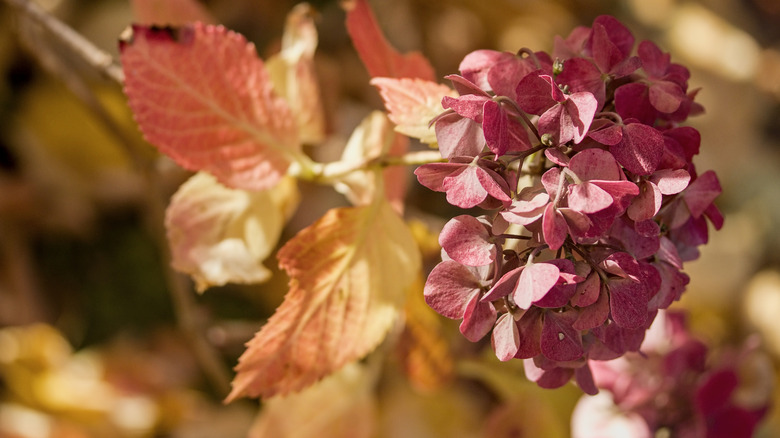
During spring and summer, not deadheading is one of the biggest mistakes to avoid to get more blooms from your roses and many other flowering plants. But toward the end of the season, that same gardening task can cause more harm than good. Different species naturally stop blooming at different times of year. But, for the most part, this will happen sometime in fall.
You should search online to find the typical bloom season of each plant in your garden, or note it from experience in past seasons. Many varieties of roses tend to slow down or stop blooming by August or September, for example. Hydrangeas, on the other hand, have bloom seasons that vary based on variety. Moreover, some hydrangeas only bloom on old wood, so your deadheading and pruning needs will differ compared to varieties that bloom on new wood.
Even if you don't notice any of the other signs discussed below, you should stop deadheading when you know you're in the final phase of the plant's bloom season anyway. The process of deadheading "tricks" the plant into thinking it hasn't yet finished blooming, which is why it puts its energy into growing and blooming again. As you near the end of its normal bloom season, then, you want the plant to believe it's finished the flowering process so it can start preparing itself for winter. For many plants, that typically means slowing down new growth and focusing its energy on seed or fruit production before going dormant or dying.
Your plant is producing fewer buds or smaller flowers than it was before
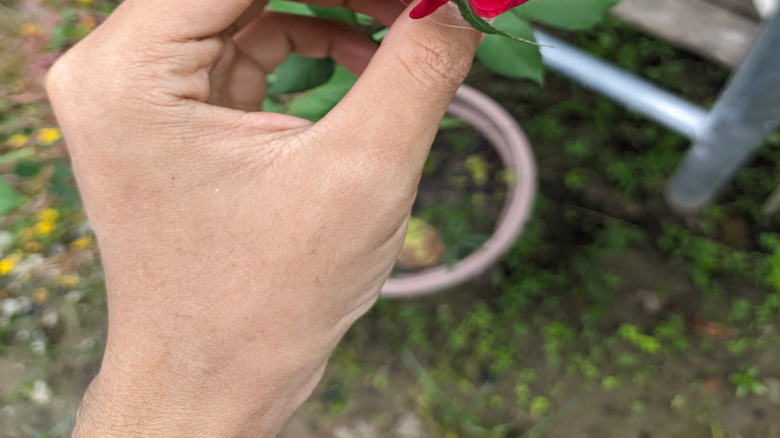
The size and number of buds on your plant can be a good indicator of where it is in its normal bloom season. For many flowering plants, flowering intensity (number of blooms that open each day) and flower size peak during the warmer months and start declining in the fall. This is likely due to a combination of temperature, day length, moisture levels and soil conditions. That means the plants in your yard may bloom for a longer (or shorter) period than what you found in your research, depending on the conditions in your garden.
So, if you notice fewer buds or changes in the size or shape of the flowers even though it's still weeks away from the end of its typical bloom season, you may need to stop deadheading earlier than a gardener in another climate. The opposite is true as well. If you're coming up on the end of its typical bloom season, but your plant is still growing vigorously and producing large, healthy flowers, you might be able to get away with enjoying blooms a bit longer. But factor in the weather before doing that to make sure you're not putting your plant at risk. For perennials, you don't want to extend the season so long that the plant won't have time to get winter-ready. For annuals, if you want it to go to seed, the same applies.
It's starting to go dormant or its growth has slowed
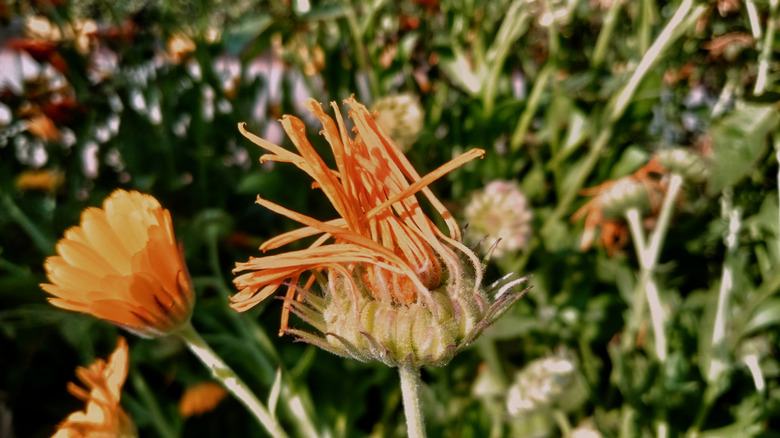
As mentioned above, deadheading tricks a plant into thinking it hasn't finished the flowering phase of its growth cycle. But plants also often track other environmental cues like day length and temperature to figure out when it is supposed to switch focus away from growing and toward preparing for winter.
So, if you notice that your plant isn't putting out as much new foliage or generally not growing as fast as it was in spring or early summer, it might be time to stop deadheading, even if it's still producing blooms. This is most important for a perennial plant that you want to grow back next year. For annuals, if you aren't planning to collect seeds, this is less of an issue since they will die at the end of the season anyway. You could potentially extend the bloom season through to your first frost, although not every plant will continue blooming that long, even with deadheading.
The plant has started to form seedheads
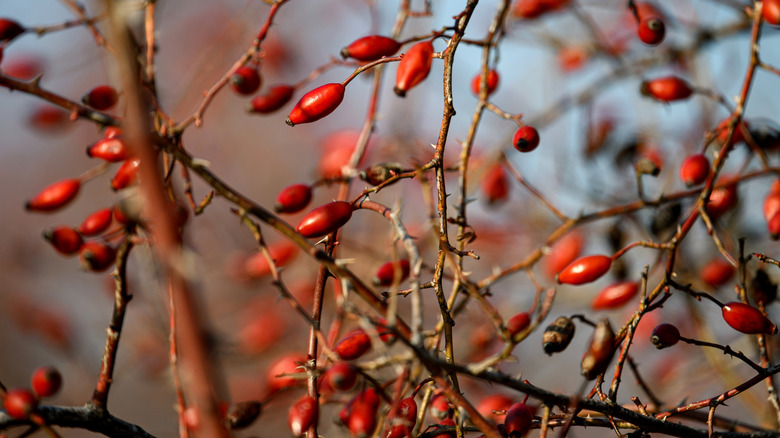
Forgetting to save seeds for the next season is another key mistake to avoid when deadheading your garden's flowers. Once you notice seedheads forming, you'll want to leave the plant alone so it can finish the process and develop mature seeds you can use next season or give away to your gardening friends. Even if you're not interested in seed-saving, some perennials produce attractive seedheads that provide fall or winter interest in the garden. You'll want to give them the time they need to develop those before going dormant.
On roses, for example, spent flowers will start turning into rose hips, the fruit that rosebushes produce. If you notice rose hips forming on your bush, that's a sign that the plant has begun slowing its growth in preparation for winter. Some gardeners find those hips provide interest in a winter garden. Even if you don't, the birds will enjoy snacking on them. Plus, allowing the bush to finish out the process allows them to get ready for the cold season before damaging frosts hit.
When fruit or seedheads do start to form on any of your flowering plants, leave them in place. These often serve as important food sources for birds and other wildlife overwintering in your garden. It's also a good idea to leave seedheads on annuals that you're hoping will colonize an area.
You aren't noticing as many pollinators as you used to
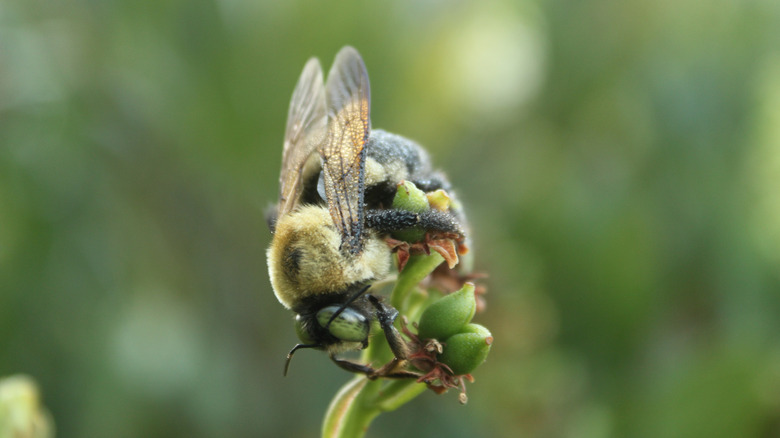
In general, a decline in pollinators is a sign that the warm season is ending. That's because many insects sync their life cycle with the peak bloom period of their favorite food. As their preferred meal becomes less abundant, they'll switch to mating season or prepare to overwinter. So, if your garden was buzzing with bees and butterflies all summer, but you notice a decline in activity, that's one indicator that your plants should be getting ready for winter, too.
If you chose the flowers you planted because you're trying to attract pollinators to your garden, remember that the nectar they provide isn't the only use those pollinators get out of them. Some may use parts of the dead or dormant plants to overwinter or lay their eggs. So you might not want to deadhead your flowers even after they have gone fully dormant for the season.
To balance your aesthetic preferences with the needs of your local pollinators, consider leaving pruned plant material in your yard somewhere. If you don't like the appearance of the dried flowers or seedheads, chop them and pile them neatly in your garden beds over the winter. You can also leave a pile of the trimmings in a little-used corner of your backyard.