

8 Materials For Cozy Bedsheets And How To Choose The Right One For You

We may receive a commission on purchases made from links.
When the chilly weather sets in, one of the greatest comforts is to snuggle up in a warm, soft bed. Cozy bedsheets are an essential part of creating a chill-proof winter bedroom. The key to layering your bed for maximum winter weather on the coldest nights starts with having the right sheets.
Sheets made of warm materials should hold in heat without making you sweaty and uncomfortable. You can pick from thick, heavy sheets to super soft but lightweight options made of natural or synthetic fibers. Here's all you need to know about the most popular types of cozy bedsheets for beating winter weather and how to select the right ones for you.
Flannel is thick and fuzzy to hold in heat
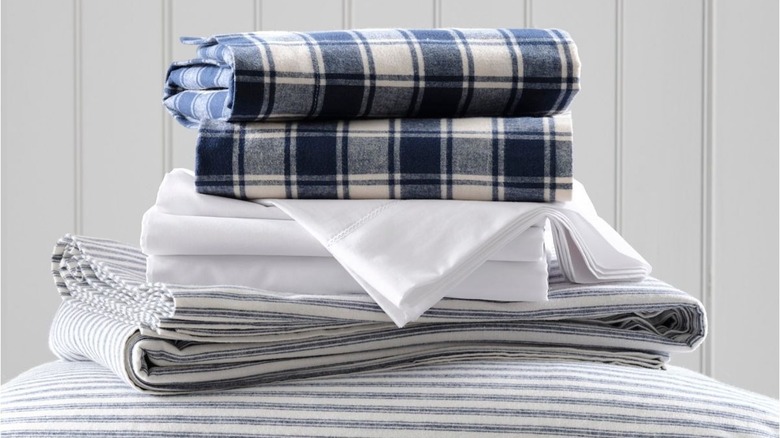
Flannel is one of the most popular cozy types of bedsheet materials for a good reason. These sheets are thick, usually weighing between 140 and 170 GSM (grams per square meter, a measure of fabric thickness). The very best flannel sheets can range up to 200 GSM or more. You might also see the weight of flannel sheets listed in ounces per square yard, and commonly weighing 4 to 5 ounces. But it's not just the heavier weight of flannel bedsheets that makes them ideal for cold weather. Flannel fabric is also brushed to create a plush texture, known as nap. The nap of flannel sheets makes the material feel fuzzy and soft, and the little clusters of fibers hold heat, making these some of the warmest sheets.
Flannel sheets can be made of natural or synthetic fibers. Pick cotton flannel sheets if you want a natural fiber set that will be warm but breathable. If you want to save on your a sheet set (and aren't a hot sleeper that needs to prioritize breathability) flannel sheets made from synthetic fibers, like polyester, can be slightly cheaper.
Brushed cotton is plush but breathable
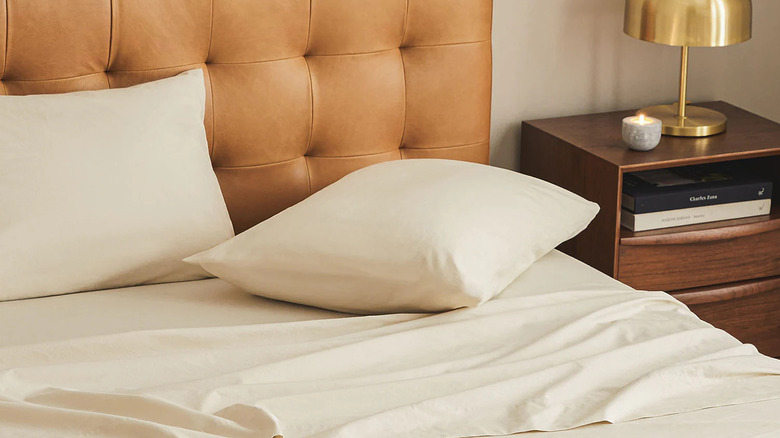
Brushed cotton sheets are made from natural cotton fibers. The material is brushed on one side with a comb, which raises the fibers to provide an extra plush finish. In addition to a cozy feel, the fluffed fibers trap warmth so you'll stay snug through the night. At the same time, these natural fiber bedsheets are breathable. Because of this, they may even work as a year-round sheet set for anyone who prefers a soft, cozy feel versus a crisp, cool cotton finish.
Sometimes called flannelette, brushed cotton is technically a type of flannel. However, these materials differ in two ways. First, brushed cotton sheets are usually lighter in weight compared to cotton flannel sheets. Second, they're only brushed on one side whereas flannel material is often brushed on both sides. If you need a lightweight but fuzzy set of sheets, brushed cotton might be the better choice compared to warmer, heavier flannel sheets.
Sateen cotton is super smooth and holds in heat
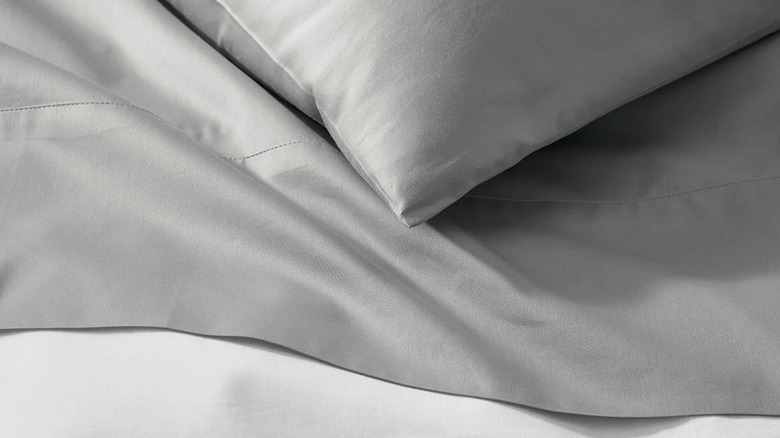
Another type of cotton sheet that's good for cold weather is sateen. Sateen cotton sheets have a dense weave that creates a very smooth, nearly glossy finish and a sheet that feels drapey. Thanks to their almost silky texture, sateen sheets mightn't be the first thing you think of when shopping for winter bedding. But that thick, tight weave also translates into sheets that retain heat and can keep you warmer on a cold night. At the same time, cotton sheets are prized for being moisture-wicking and breathable so you're less likely to overheat with 100% cotton sateen sheets versus synthetic materials used for other types of cozy bedsheets.
Compared to brushed cotton or flannel sheets, sateen cotton sheets don't have a plush feel. Instead, these sheets are often described as feeling luxurious and hotel-like. So if you want more upscale cozy bedsheets, it's hard to beat cotton sateen sheets.
Jersey sheets create a soft and comfy vibe
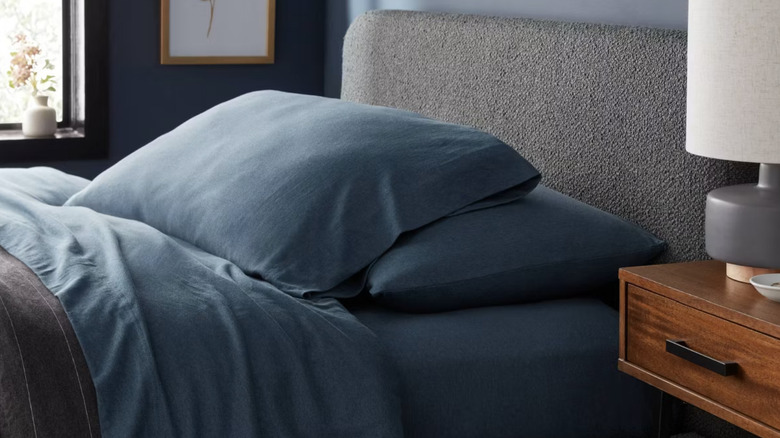
Jersey sheets are knitted rather than woven. This gives them a soft and stretchy feel that is characteristically cozy — like a well-worn t-shirt. Jersey bedsheets give your bed a more casual look when compared to the neat, smooth finish of a bed made with crisp cotton sheets. But if comfort is your top priority, then you won't mind the compromise to enjoy the softer feel of jersey.
The knitted fibers of jersey sheets tend to trap more warmth compared to woven sheets, which allow body heat to pass through the material more easily. If you want cozy bedsheets but don't want to feel stuffy, look for jersey sheets that are made from 100% cotton fibers. Cotton is known for its breathability so you are less likely to wake up sweltering while at the same time you can enjoy the feel of the soft, knitted material.
Linen is just as good in winter weather because it's breathable and moisture-wicking
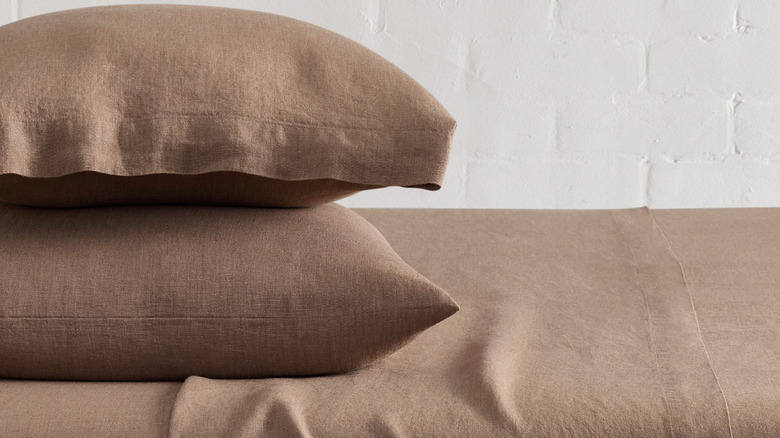
Linen is known for being very breathable and moisture-wicking. Because of this, it's a good bedsheet for hot sleepers — and you might automatically pin it down as a summer sheeting material — but you can also put this natural fiber sheet set on your list for wintertime. That's because linen has great temperature-regulating properties, meaning that while it keeps you cool in the summer it also keeps you warm in the winter. Plus, the thicker material of linen sheets adds a nice weight to your winter bedding.
Linen sheets are made from flax. Europe, in particular, is known for growing high-quality flax that makes soft, durable linen sheets. For linen sheets of superior quality, look for Belgian or French flax linen sheets. When comparing linen sheets, throw thread count out the window. The weight of the linen is a better indicator of quality and durability so look for thick material that will feel cozy during cold weather and can also stand the test of time.
Cashmere is supremely soft but must be washed carefully
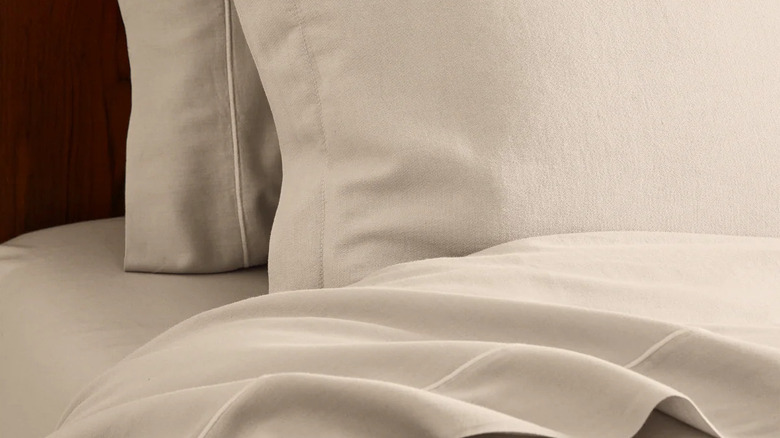
Cashmere is usually associated with warm winter apparel but this is also one of the coziest materials for sheets. The soft, wool fibers provide excellent insulation without compromising on a high-quality feel or breathability. However, those soft fibers are delicate, too. That's one reason why cashmere sheets are a blend of cashmere and other fibers.
The softness and warmth of cashmere sheets is ideal for cold weather climates. However, you'll need to be prepared to invest more time and effort into cleaning these cozy bedsheets. They need handwashing or a gentle wash cycle and shouldn't be wrung out. Defer to the care instructions on the specific sheets you choose, since some can go in the dryer on a very low setting, but it's not always recommended for cashmere, and will depend on the specific fabric blend. Most blends compromise of over 90% cotton, mixed with a small amount of cashmere (a little goes a long way) — which is why the care instructions might be slightly more lenient than those for a pure cashmere sweater.
Microfiber sheets are low-maintenance, affordable, and tightly woven to trap heat
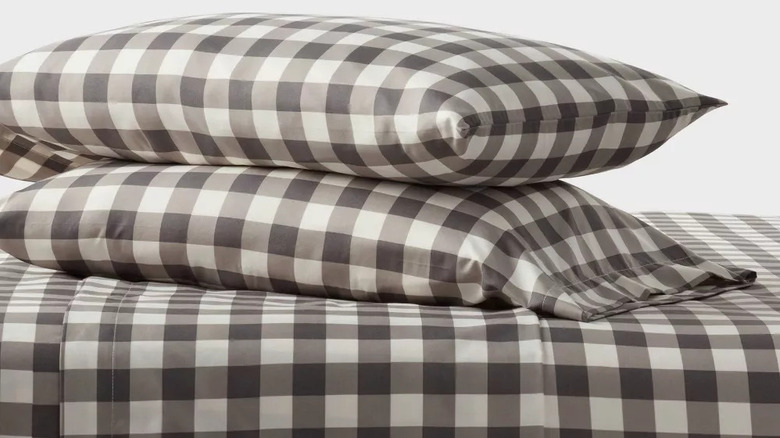
Microfiber sheets have a reputation for being super soft to the touch. That can make them inviting to slip into during the winter weather but there are other reasons that these sheets are a cozy pick. For instance, microfiber is a tightly woven synthetic material so it holds in body heat — keeping you warmer under the covers. However, these sheets are made of a thin material so if you want a heavy, thick sheet for winter, then other options like flannel or linen will be a better bet. Microfiber sheets have the advantage of being very affordable. They're typically less expensive than bedsheets made from natural fibers, which might bump these cozy bedsheets up the list if you're upgrading your bedroom on a strict budget.
One thing to know is that microfiber can be prone to static, particularly in dry, winter weather. Wash microfiber sheets in cold water to help reduce static build-up or add fabric softener. Using dryer balls can help, too. The good news is that microfiber sheets resist wrinkles so when you pull these sheets from the dryer, they'll look smooth and ready for use.
Fleece sheets are plush and cozy but not very breathable
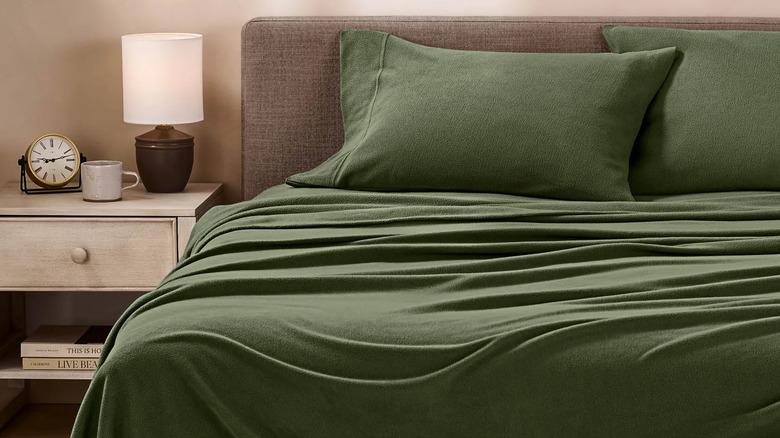
If only the most plush and heat-trapping sheets will do, then fleece bedsheets are your match. This type of sheet material for cold weather is made of synthetic polyester fibers with a napped surface to create the characteristic fleecy feel. These thick, knitted sheets are excellent for trapping body heat — almost to a fault. Because they're not very breathable or moisture-wicking, hot sleepers will likely want to look elsewhere. But anyone looking to capture maximum heat (and isn't a sweaty sleeper) will find it with fleece sheets.
At first glance, fleece sheets might seem similar to flannel sheets since both types have a plush, textured feel. However, flannel sheets are made of natural fibers compared to synthetic fibers for fleece sheets. This gives flannel sheets a decided edge regarding breathability. On the flipside, fleece sheets are lightweight and quick to dry, which makes them convenient to launder, but you should wash them separately to preserve the texture of the fleece.
Cozy bedsheets can cost a lot or a little depending on the material you choose

The price for a set of cozy bedsheets varies depending on the type of sheets you choose. Some materials cost more because of a specialized production process or limited supply. For instance, cashmere sheets are some of the most expensive cozy because of the special wool used in the blends. Cashmere comes from a specific type of goat that produces super fine, soft wool in very limited amounts. You can expect to pay over $250 for a set of cashmere-blend sheets for a queen-size bed. On the other hand, synthetic materials don't have the same type of production limitations that a natural fiber like cashmere does. So it's not surprising that synthetic fiber bedsheets, like microfiber or fleece options, are much less expensive. A queen-size set of microfiber sheets might cost $20 or less from retailers like Walmart or Target.
When considering the cost of a set of cozy bedsheets, don't overlook durability. While you might make an investment to purchase good quality sheets, you can expect them to last for up to a decade — depending on the type you choose. High-quality cotton sheets with a dense weave made from long staples, for example, can sometimes last for 5 to 10 years.
Some bedsheets can handle regular laundering while others need TLC
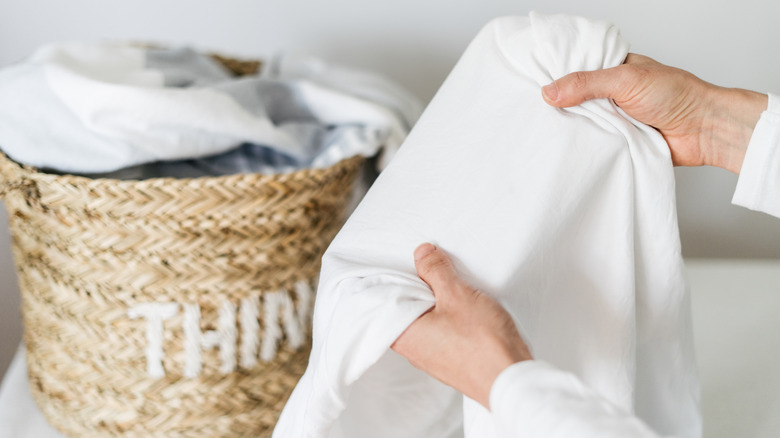
Since different types of bedsheet materials have specific care requirements, think ahead to laundry day. Pick bedsheets that aren't just cozy to crawl into but easy for you to clean. While most sheets can handle a washing machine cycle, some need a cold water wash only. Other types of sheets might also be prone to shrinking and need to be tumble-dried on low or even air-dried (for instance, linen is likely to shrink in a hot dryer).
If you want sheets that tolerate a hot water wash, go with cotton bedsheets. If you want sheets that are wrinkle-resistant and dry quickly, pick microfiber (but be prepared to wash them separately on a cool cycle). But if you don't mind some extra effort on laundry day, then the particular care requirements of cashmere sheets might not be a dealbreaker. You'll need to plan on handwashing these sheets or using a mesh laundry bag in the washer, as doing so protects the super soft and fine fibers of these cozy bedsheets.
Consider cotton, linen, or microfiber sheets if you have allergies
If you have allergies, you might need to give special attention to your bedding since allergens and mites can accumulate. A hot water wash is one of the best ways to sanitize sheets but not all materials can withstand this type of intensive laundering. Cotton sheets can usually be washed with a hot water cycle. However, you should check the care instructions for any sheet set you purchase.
Some types of cozy bedsheets are also hypoallergenic. For example, linen is a natural fiber material that naturally resists mold and bacteria. Microfiber sheets are another hypoallergenic option. The tight weave that makes microfiber so smooth to the touch also inhibits allergens from passing through the material, however they shouldn't be washed and sanitized with hot water the way that cotton can.
Thread count matters the most for cotton sheets and not much for other types of cozy sheets
Thread count is often relied on as an indicator of a sheet's quality. This term refers to how many threads are woven together into a square inch of the material. For cotton sheets, thread count can be an indicator of how tightly woven the material is — with a higher thread count usually translating to more durability. But thread count doesn't matter for every type of sheets. That's especially true of cozy bedsheets since many are knitted, not woven. Jersey sheets and fleece sheets are examples of knitted bedsheets and won't have a thread count.
For non-woven sheets or ones not made from cotton, there are other ways to tell which cozy bedsheets are worth buying. For instance, look for certifications like those from OEKO-TEK that indicate the sheets are free of specific chemicals. You can also look for other sourcing information for natural fiber bedsheets. For example, a differentiator of sateen cotton sheets might be the type of cotton, including Egyptian cotton or Pima cotton. Another example is the country of origin for the flax used in linen sheets, with Belgian flax being highly prized. Flannel sheets use the weight of the fabric in ounces or GSM to let you know how thick and insulating the material is.
Prioritize moisture-wicking and breathable cozy sheet sets for year-round use
You might not want to swap out sheets with the seasons. Or maybe you prefer a cozy bed all year long. In either case, if you want to update your bedding for the winter in a minimalist way, one route is to pick cozy bedsheets that are good for year-round use. For that purpose, you should look for sheets with excellent moisture-wicking properties and good breathability. Moisture-wicking sheets are important if you like to snuggle up under a lot of layers on your bed since there's a good chance that you'll start to sweat during the night under all those covers. Moisture-wicking sheets will draw the moisture away from your body so that you don't wake up clammy. Breathable sheets will also keep you more comfortable during warmer months of the year by allowing excess body heat to pass through the material.
If you want cozy bedsheets that won't leave you feeling hot and stuffy during warm weather spells prioritize natural fiber materials. Specifically, cotton and linen sheets are great picks for keeping you warm or cool. Synthetic materials used to create plush bedsheets, like fleece, are likely to retain too much warmth to be comfortable when the temperature rises. The same is true for the tight, smooth weave of microfiber sheets, which are good for holding in heat but bad for wicking away moisture.