

Make A Striking Modern Entryway With The Glass Block Trend
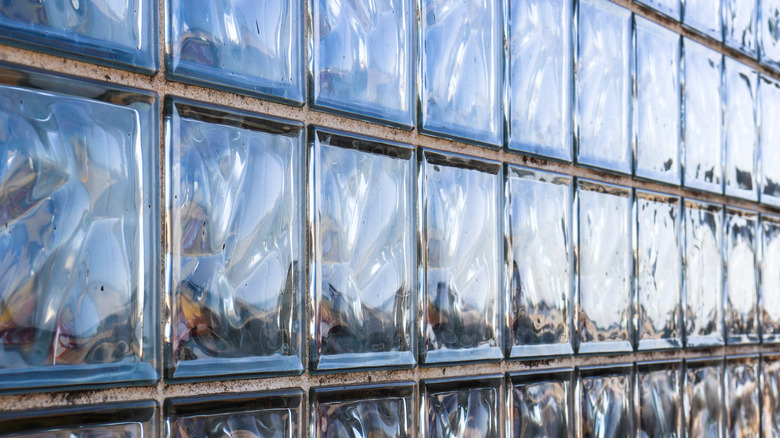
Interior design trends always have a way of coming back around, but when retro styles resurface in modern homes, a common challenge is making them feel fresh rather than dated. One design feature from the 1980s that is returning in a big way is the glass block wall. A staple of retro decor thanks to their ability to let in natural light while still maintaining privacy, glass block partitions have been on a steady rise in the last couple of years. According to market research company Dataintelo, the global glass block market size was valued at 2.5 billion in 2023 and is expected to reach $4.1 billion by 2032. The difference now, however, is that in 2026, they've been given a modern makeover.
While glass blocks were most commonly used in the past to spruce up bathroom walls, contemporary designs are making them especially appealing in entryways. They have the ability to make an entryway feel like its own designated space while still feeling connected to adjoining rooms. They are also an ideal solution for small or dark entryways that lack natural light, as the semi-transparent blocks help the space feel brighter and more open overall. The trick to keeping a glass block wall from feeling dated, however, is making sure to pair it with modern finishes like warm woods or marble floors. As interior designer James Huniford told Elle Decor, "They offer a subtle retro nod, but when paired with contemporary materials, the look becomes less nostalgic and more sculptural."
Incorporating a glass block wall into your entryway
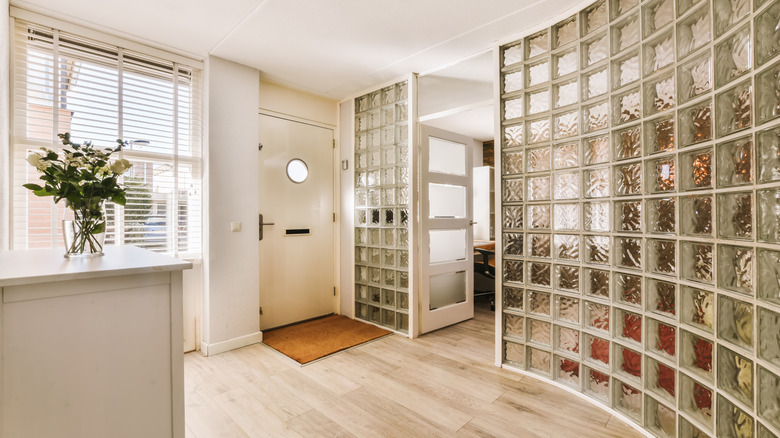
If you've decided that a glass block partition would be a great fit for the entryway in your home, there are a few things to consider before incorporating one. The first thing to think about is size. Do you want the glass blocks to run from floor to ceiling and make up the entire wall, or would you prefer a partial glass block feature set within an existing wall? One of the biggest benefits of a full glass block wall is light. With a larger surface area, more natural light can filter through the space. Glass block walls are also more durable than traditional drywall, so you won't have to worry as much about damages that will cost you down the road. They're also known for being energy efficient as they are thermally insulated and can help keep spaces cooler in the summer and warmer in the winter. In other words, more glass blocks could translate to lower energy bills and less energy use. And, as more homeowners seek sustainable design options, this is certainly one reason glass blocks are among the outdated furniture pieces having a comeback.
The main benefits of a partial glass block wall, however, is the lower cost. On average, a single glass block costs around $50, not including installation fees, so using fewer blocks naturally means spending less money. Leaving space for drywall will also still allow you to hang art or install open shelving for added storage, which can be especially useful if you're working with a tighter entryway.