

Study Finds That These Common Home Appliances Might Be Secret Polluters. Do You Own One?
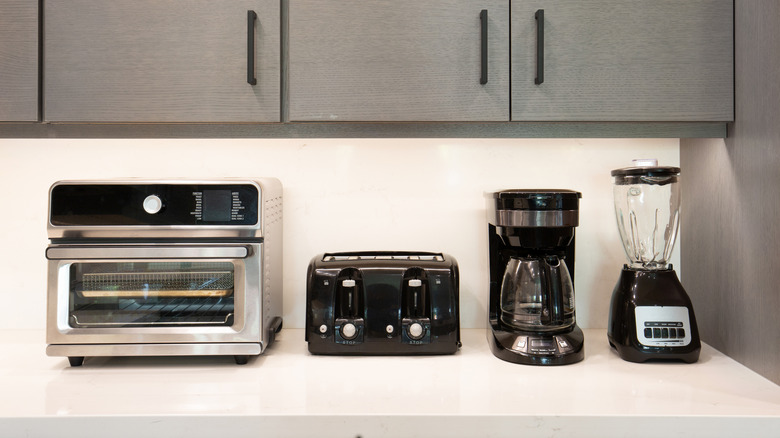
Being more environmentally conscious is a major concern for many homeowners. In a 2020 survey by the World Economic Forum, 86% of surveyed adults said they want the world to become more sustainable and equitable, and in many ways, that battle starts at home. Whether you design your home with sustainable materials or stay away from buying certain things like single-use plastics, little changes in design and daily routine can go a long way in reducing your environmental footprint. While you're foregoing plastic water bottles or heading to the thrift for your next decor piece, however, you might be overlooking a source of pollution that's right under your nose: your appliances.
According to a new study in South Korea published in the Journal of Hazardous Materials, certain seemingly mundane household appliances that contain brushed motors and heating coils can release ultrafine particles (UFPs), which impact the overall air quality in the home and are a potential health risk. Among these UFPs, the scientists behind the study identified copper, titanium, silver, and carbon-containing particles — all things that, believe it or not, aren't the best to be breathing in on a daily basis.
As brushed motors and heating coils seemed to be the primary sources of these UFPs, appliances that contain these parts were the biggest culprits when it came to air pollution. All three kinds of devices that were tested in the study — pop-up toasters, air fryers, and hair dryers — were found to release significant amounts of UFPs, with the pop-up toaster taking the cake as the biggest pollutant.
How to reduce UFPs released by your small appliances
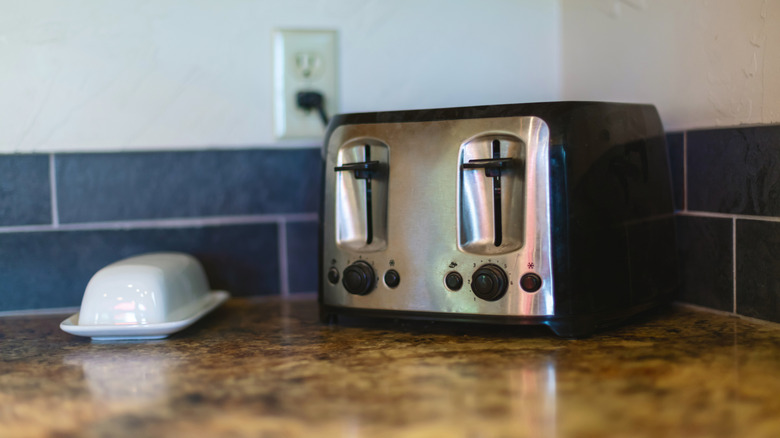
Before you panic and swear off toast forever, consider making some simpler changes to your routine. According to the Journal of Hazardous Materials study, appliances that utilize brushed motors and heating coils released the most UFPs, but devices that perform the same function without these components released 10 to 100 times fewer particles. To be more eco-friendly, all you have to do is be more discerning when it comes to the type of devices you bring into your home. Look for appliances with brushless motors that don't rely on a coil as their heating element. It might take a bit of digging, but checking the specs of a product before you buy is a great habit to get into, pollution concerns or not.
If you're not looking to purchase anything new, reduce UFP levels by exploring different ways to accomplish the same tasks. Pan fry your toast for similarly crunchy results, or try out some heatless curl methods for a faux bouncy blowout. This breaking of habits will likely be a bit of an adjustment, but creating a safe and sustainable daily routine requires intentionality and, more often than not, a sacrifice of certain conveniences.
As an added layer of protection (or if you simply can't bear to sacrifice your beloved air fryer), consider investing in an air purifier. There are plenty of air purifiers for your home that won't break the bank, and the benefits don't stop at just protecting you from small appliance emissions. They can also be used to trap other contaminants that could negatively impact your long-term health, reduce the levels of pollen in your home, and cut down on annoying pet dander. Essentially, they'll help you breathe easier in more ways than one.