

Start Adding Home Maintenance To Your New Year's Resolutions. Here's Why

New year, same old house. That's why, as you write up your resolutions for the next 365 days, you should include home maintenance. Much like you're encouraged to do for your health, regularly checking up on the health of your house allows you to either avoid problems altogether or tackle them early on so they never evolve into anything serious, such as leaks, mold spread, structural damage, electrical fires, or power outages.
Regularly checking plumbing, electrical systems, HVAC, gutters, or gas and smoke detectors, will save you money on utility bills and expensive repairs down the line. A leaky faucet, for instance, costs between $100 and $300 to repair, but the structural damage a leak can cause is far costlier to undo, not to mention the spike in water bills that simply can't be reversed.
You could be saving on medical bills, too. Mold exposure can cause allergies, dirty HVAC units can spread bacteria or provoke asthma attacks, and electrical malfunctions can cause life-threatening fires. In addition, on a psychological level, a well-maintained home brings feelings of fulfillment and calm. Finally, home upkeep also impacts property value. At the end of the day, as attached as we are to our homes, they are still an investment, whose value we want to increase. A building in need of intensive interventions will be less attractive to prospective buyers and could lose you money.
How to stay on track with home maintenance

New Year's resolutions are infamously hard to maintain. They're often too vague, intimidating, and loosely based on realistic routines, all of which definitely apply to the undertaking of home maintenance. Not only are tasks like inspecting electrical wiring and oiling garage door hinges preventive, which takes urgency and instant gratification out of the equation, but they can also be significantly time and energy consuming, and thus hard to fit in the busy life of a modern family. Understanding the vital benefits of home maintenance as described above is already a step in the right direction.
Next, it may help you to break tasks down into a schedule, which you'll find some inspiration for down below. For example, some interventions, such as winterizing outdoor water systems, are seasonal, which means that you don't have to worry about them before it's time, but also that you shouldn't miss that specific window to tackle them. Similarly, breaking a big goal down into smaller, more easily achievable steps immediately makes it seem less daunting, plus this will also help you organize your routines to better fit those home maintenance tasks you should be doing more often than you had realized. Once you've finished writing everything down, complementing the list with notifications in your mobile calendarfor particularly important chores will spring you to action.
Finding a partner who can hold you accountable can help as well. Maybe you share your house with someone else, maybe you have a friend who should also be a little more diligent with their home upkeep. You can check up on one another and share tips on how to carry out tasks or fix issues more efficiently.
Tasks to be carried out monthly, and why
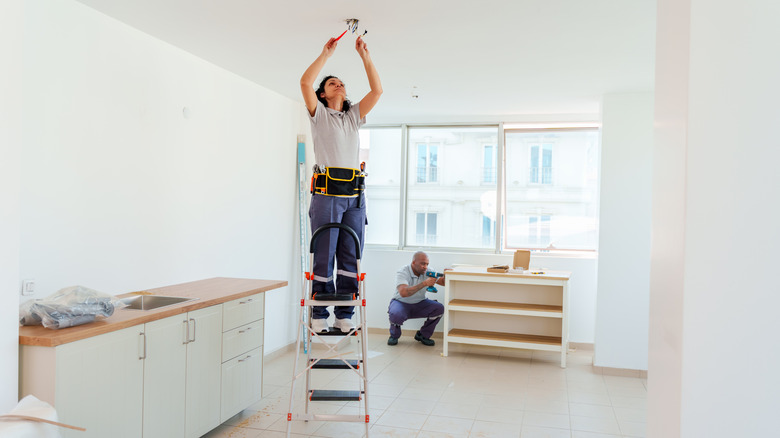
There are quite a few monthly tasks to maintain your home. These tasks address slow-developing problems that can escalate quickly but don't require daily attention, making monthly checks a sweet spot for maintenance. Starting with the HVAC system, check filters for clogging from dust or pet hair, then change or clean, depending on type (disposable, washable). Dust, vacuum, and clean air vents, exhaust fans, and grilles. At this time, also make sure your outdoor unit isn't blocked by vegetation or junk. These steps will avoid the spread of harmful allergens and keep the unit from straining, increasing its lifespan and stabilizing energy bills.
With plumbing, have a look (and smell) under your sink and in your basement for any dripping, moisture, rust, and musty odors in and around the piping. Open your toilet tank and check if the flapper is sealing correctly and the fill valve is flowing water properly. This part of the checklist is simply informative since major interventions should be done by professionals. Be proactive elsewhere by cleaning drains with hot water or vinegar and faucet and shower heads also with vinegar or adequate cleaning products to dissolve mineral build-up. Keeping your plumbing in tip-top shape will avoid water waste and wall, floor, and foundation damage like peeling paint, warping materials, and concrete cracks.
The same goes for the electrical components around the house. Be attentive of wear. Is the electrical panel corroded? Are switches and outlets loose? Is the wiring frayed? If yes, contact an electrician. Meanwhile, test the Ground Fault Circuit Interrupter (GFCI) outlets by pressing the test and reset button, and the smoke and carbon monoxide detectors, which also have test buttons, and always follow manufacturer guidance. You'll be ensuring your safety and preventing power outages, electrical fires, and damage to your electronics and appliances.
Tasks to be carried out quarterly, and why
Every three months, you should complement your monthly schedule with a few more check-ups and touch-ups. These address systems that age and degrade slowly, but can develop into problems if left for a full 6 months. January is a great month for your first quarterly round-up, then repeat it in April, July, and October. Depending on your climate, some outdoor tasks like gutter cleaning may have to be skipped during snowy months.
Among the important interventions to carry out quarterly is inspecting your HVAC's condensate drain line for clogging, which causes water build up and, in turn, damaging leaks. You can check it directly or look out for pooling water and rust in the drain pan. To unclog, use a wire brush or a wet vacuum and then flush it with diluted vinegar, followed by water. This last step should be a part of your quarterly routine regardless of clogging to get rid of lingering debris.
Next up is your water heater, whose regular maintenance prevents bothersome failures and dangerous explosions. Test its pressure relief valve by lifting its handle and letting water run for five seconds, carefully since it'll be hot. If it won't lift, no water comes out, the drain pipe is leaking, or the water drips from the valve after you seal it again, ring a professional. Once a year, you should also flush the tank to remove mineral sediment.
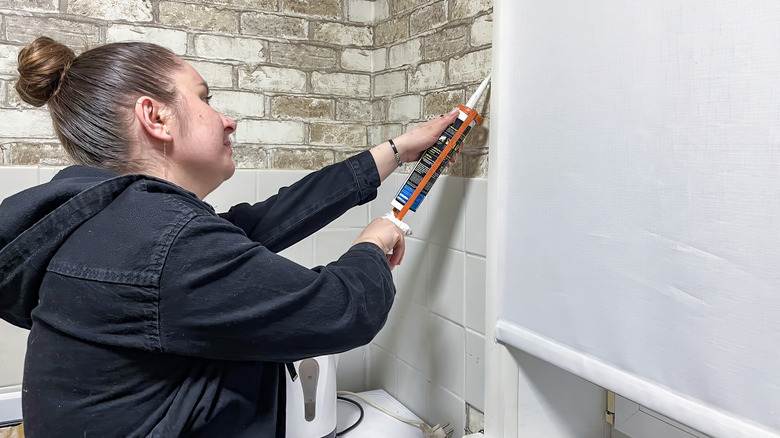
Additionally, clear gutters and downspouts, check the fire extinguisher pressure gauge (needles in red zones are a sign to contact a professional), oil garage door hinges, caulk or weatherstrip air leaks and cracks on windows and doors, and clean the electrical components of appliances like the dryer and the fridge.
Tasks to be carried out in Winter and Spring, and why

Finally, there are tasks that need to be carried out either ahead of a change in season, to prepare for upcoming weather, or during a specific season, to capitalize on it. January is an awkward month to start getting your affairs in order regarding seasonal maintenance. It's the peak of winter, and therefore too late to prep your home for cold weather, but also too early for spring tasks. Nevertheless, as you'll be spending more time at home, this is a good month to deep clean it after the holidays and to declutter it for a fresh start to the year.
By February, you should be thinking about reverting the damage caused by the rain and the cold. Focus on clearing out basement vents, downspouts, and gutters of any leftover ice or mud. If it's safe, go up to the roof and check for missing or cracked tiles and gaps in the flashing. Fixing these issues to avoid leaks and mold spread is best suited for a professional. In April, inspect your irrigation system for signs of frost. If you see any ice, hear gurgling sounds or the water flow is weak, turn it off and hire help. In May, schedule your yearly professional HVAC check to prepare for the rise in temperature.
Tasks to be carried out in Summer and Fall, and why
You're onto June, now. This is the perfect month to refresh your fridge to ensure it's keeping things nice and cold when those testy heat waves roll around, saving you money on energy bills and food waste. After unplugging it, clean the coils at the back, swap the water filters, and clear out the drain hole. After spring rains but before it gets too warm, take some time to tend to your back and front yards, driveway, porch, building siding, and other outside areas. Fill in cracks in pavements and walls, re-caulk windows, doors, and any holes for ventilation and piping, and refinish wood surfaces. It's also a good time to have your sewer or septic systems professionally inspected to prepare for the increase in water usage from sprinklers, extra showers, and pools. Afterwards, the scorching peak summer months offer optimal conditions for pressure washing your home, as it'll dry quicker.
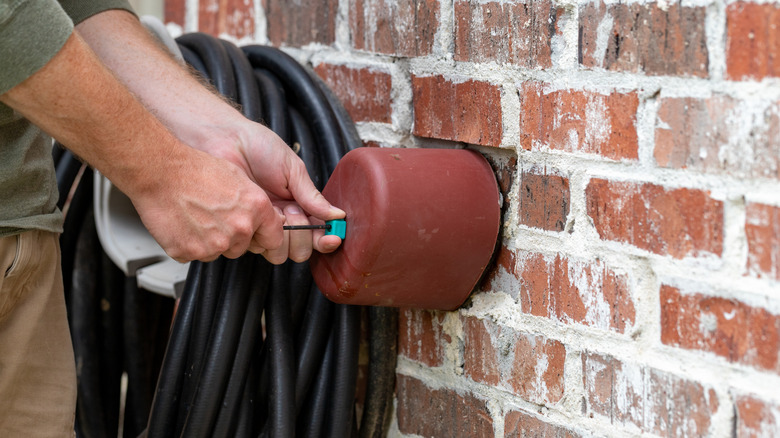
Dedicate the fall months to preparing your home for winter to avoid pipes freezing over and water and cold air from seeping in. This entails winterizing your irrigation system by thoroughly draining it and protecting outside faucets with foam or hard shell covers. Install storm windows if needed, and re-caulk and re-weatherstrip your windows and doors to stop drafts. If you couldn't get your HVAC checked in spring, do it now. Have your chimney professionally inspected for blockage and creosote buildup to prevent carbon monoxide accumulation and hazardous fires when you light it up later. Throughout fall, continuously remove fallen leaves from gutters, downspouts, and the exterior HVAC unit. Whew! And just like that, another new year approaches.