

8 Humidifier Maintenance Tips That Keep It Clean & Working Well All Winter Long

When chilly winter weather starts to flow in, it's natural to kick on your heater or cozy up by the fireplace to beat the chill. The combination of these heat sources and air that's naturally drier during the cold season, however, can wreak havoc on your skin and respiratory system. Dry hands, cracked lips, nosebleeds, and a sore throat are all signs that you're dealing with consistently low humidity, but picking up a simple device can help boost humidity and provide a quick solution to your winter woes. Humidifiers work by increasing moisture levels in the air, typically with the help of ultrasonic sound vibrations, a heating element that creates steam, a rotating high-speed disk, or a fan blowing through absorbent material.
Choosing the perfect room humidifier is only half the battle, though. While your newly acquired device might serve you diligently for a few months without much consideration beyond filling it up and switching it on, it's necessary to perform some maintenance if you want it to last for years to come. Regular cleaning, using the correct kind of water, and positioning your humidifier in the ideal spot in your home will all help extend its lifespan and improve its performance. Let these responsibilities slide, and you could end up with an exhausted machine that barely boosts the moisture levels in a small room, much less provide a comfortable atmosphere throughout your house.
Use distilled water
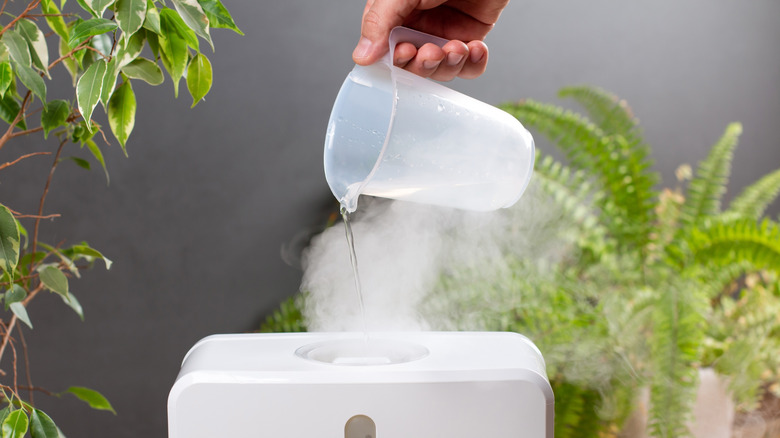
Regardless of how hard your water is, tap water contains minerals. Those with hard water will likely notice this more in the form of stubborn, persistent buildup on shower surfaces or around their faucets, but people with soft water aren't completely safe, either. This same buildup can gunk up your humidifier if you use plain tap water, especially if your chosen device doesn't have a filtration system. To prevent this issue and extend the life of your machine, consider filling it with distilled bottled water rather than H2O straight from the tap.
Replace the filter regularly
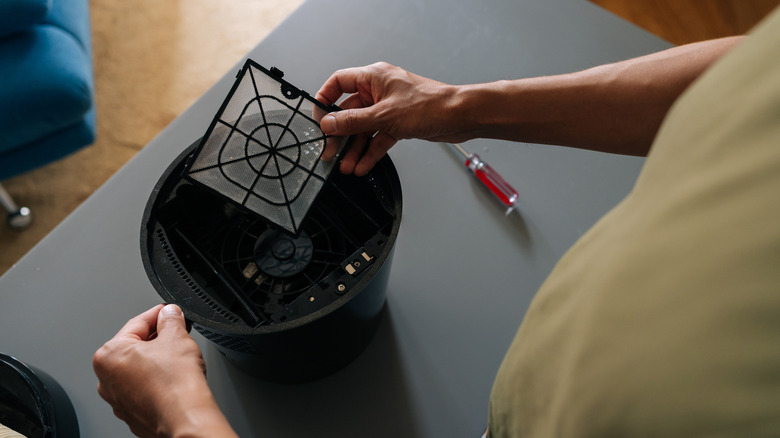
Not all humidifiers have a filtration system, but if yours does, it's important to stay on top of replacing it. These filters serve the purpose of trapping minerals and microbes that flow through the machine, and if they're not changed regularly, you could experience mold growth or scale buildup. While the exact timing will vary based on the manufacturer's instructions, frequency of use, and how hard your water is, swapping it every one to two months is recommended. If you notice that your machine isn't running as smoothly or start to see buildup, replace it sooner.
Empty the water in your humidifier daily
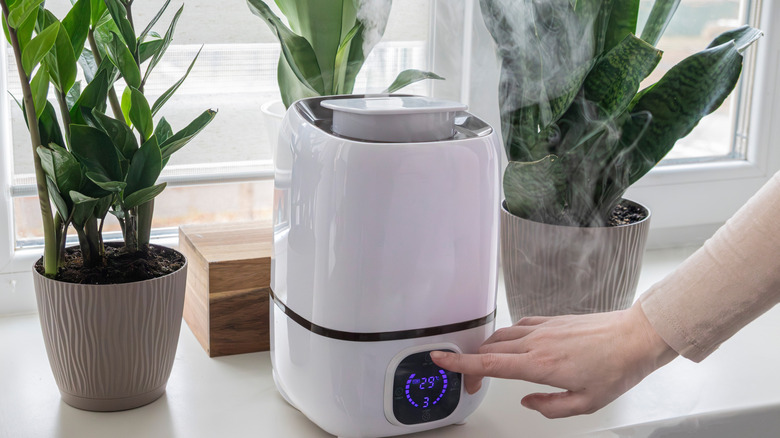
While it might be inconvenient, it's best to fully empty and replace the water in your dehumidifier daily. Stagnant water sitting in the machine can become a breeding ground for mold and mildew, so this maintenance task can help ensure that the air you're breathing is clean and fresh. To do this, simply unplug the machine, drain the water, and wipe the tank dry with a rag or paper towel. If you're not planning to immediately use it again, leave the lid open so the tank can fully dry out.
Deep clean your humidifier every few days

Dumping out the water in your humidifier every day can help prevent issues with mold, but it's also important to do a deeper clean of the machine every third day or so. This process should involve removing the water tank from your humidifier, if applicable, and using proper cleaning products to eliminate any buildup that's formed around the components. From there, you can rinse out, dry, and refill the machine. This might feel like overkill, but it's important to prioritize cleaning when you're breathing in moisture from this device daily.
Use the proper products for cleaning
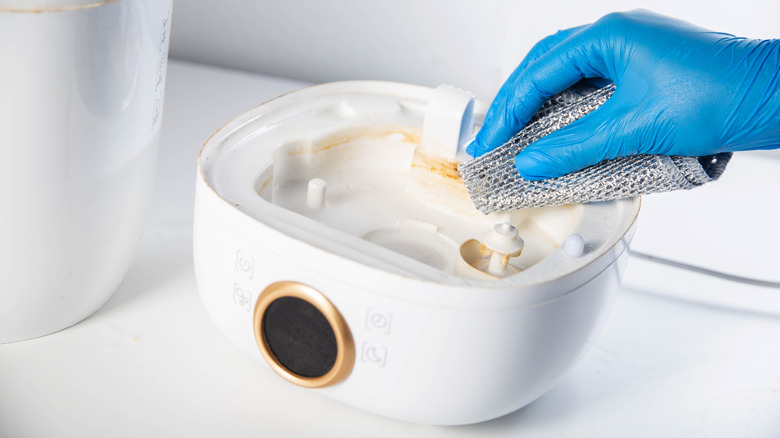
Cleaning your humidifier should be a regular task, and you must stick with gentle, non-toxic cleaning solutions in order to avoid damaging the machine and keep the humid air it emits safe for circulation. Rather than reaching for something like bleach or a harsh all-purpose cleaner, use a mixture of vinegar or hydrogen peroxide and water. This solution on a rag should easily remove hard water stains, but you can also use a scrub brush to get into any stubborn spots that you might have missed on the first pass.
Don't allow the humidity to get too high
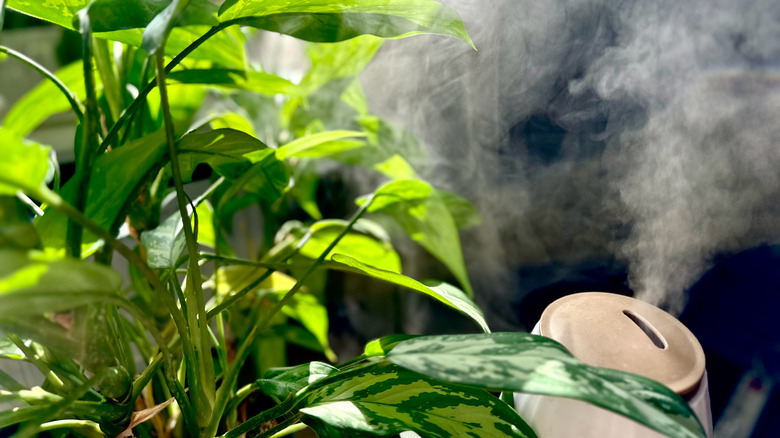
As a general rule of thumb, indoor humidity levels should be no higher than 50%. This typically isn't an issue in the winter, but if you're running your humidifier around the clock, you could accidentally be causing more issues for yourself. High humidity levels in the home can encourage mold growth, both within the humidifier itself and on the surrounding surfaces. If your humidifier is a more basic model without a display, you might need a hygrometer to get a better idea of when to turn it on or off.
Don't place your humidifier by a heat source
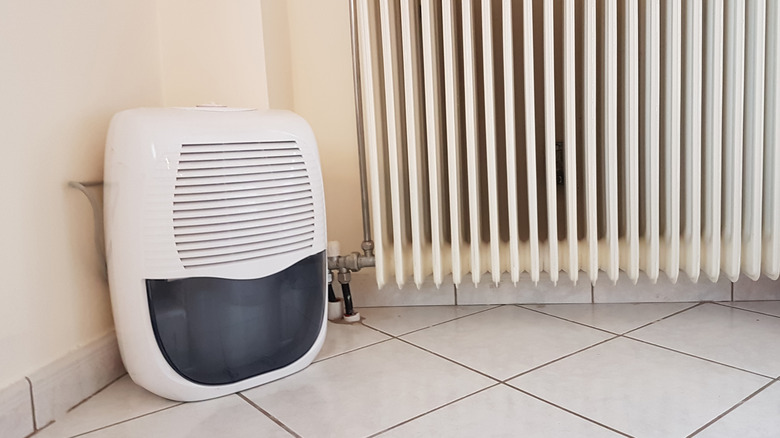
If you have a humidifier that adjusts its output automatically based on the humidity levels in the home, placement makes a big difference. If it's set up next to a source of dry, hot air, like a radiator or heating vent, it will likely register that the air in the entire room is drier than it actually is. The result will be a humidifier that's working overtime. This will wear out the device's components more quickly, but it also might lead to uncomfortably high humidity levels and mold.
Completely dry out your humidifier before storing it

Once the winter weather passes and spring showers roll in, it's likely that you'll have to rely on your humidifier less and less. Once it's finally time to put it away for the season, make sure that you allow it to fully dry out before storing. Dump out any water, wipe down surfaces to ensure they're dry, and remove any filters that could be hanging onto excess moisture. Store it in a dry spot in your home, and it will be good as new when you pull it out next year.