

Fireplace Smoke Coming Into Your Home? What It Means And How To Fix It
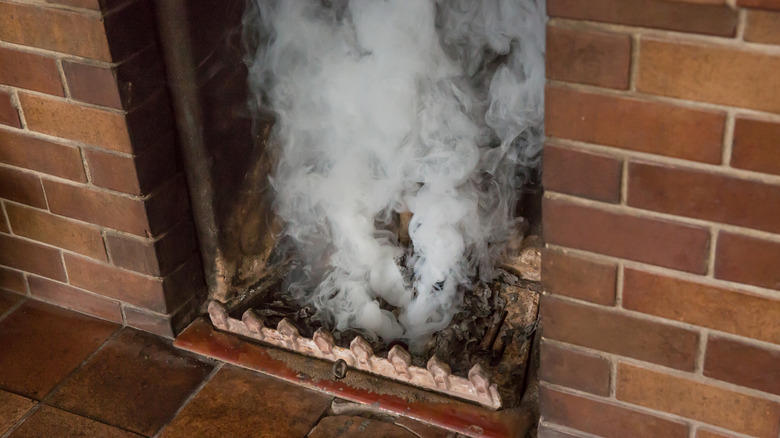
When you want to create a relaxing atmosphere inside your home on cold winter nights, few things beat a roaring fire. Built-in and freestanding fireplaces can keep your home cozy during winter. The warmth and security provided by a fireplace makes this a desirable feature in almost any home.
To be able to relax and enjoy the cozy flames, though, you must properly clean the fireplace and chimney. Such work allows it to continue operating safely. A dirty chimney is one reason why you might notice smoke from the flames coming back into your house. Chimney blockages or structural failures can explain smoke leaking into the home. People who burn wood that's "green" or too damp may notice excess smoke. However, this issue could also relate to something as simple as a closed damper that's blocking the smoke from rising through the chimney, causing it to flow backward. In fact, forgetting to open the damper is the most common reason for this issue.
Don't ignore this smoky problem. Not only will you have the unpleasant smell of smoke in your living areas, but you'll potentially expose your family and pets to carbon monoxide poisoning, which can be deadly. You could suffer respiratory problems from breathing in this leaking smoke, which may contain dangerous particles and chemicals. If you can't track down the source of the issue, you should hire a chimney sweep to inspect the fireplace and chimney. This professional can figure out what steps to take to have the smoke rising properly again.
Why chimney problems can cause smoke leakage issues
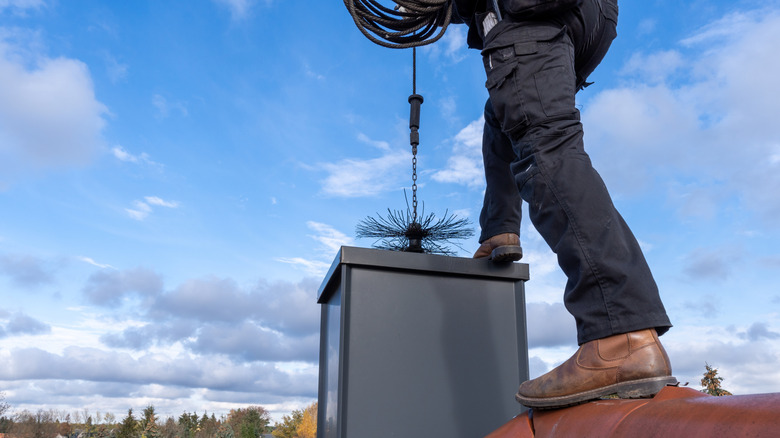
When smoke is leaking back out of your fireplace and into the house, the flames are creating more smoke than the updraft through the chimney can pull outward. One common cause of this issue is down drafting. This means your house has a negative air pressure balance, which means the air pressure outdoors is greater than indoors. This prevents smoke from rising through the chimney. A home with a poor HVAC design, one that too heavily relies on exhaust fans, or a new home that's airtight may experience negative air pressure. A heating and air company can track down the cause of negative air pressure and provide solutions.
A chimney blocked with soot, sticks, or animal nests might cause smoke to leak back into the house. With a wood-burning fireplace, tar, vapors, and moisture combine to create creosote that sticks to the interior of the flue as it cools. As the creosote builds up, it can block the movement of air and smoke up the chimney. Creosote buildup can also cause a fire, so a chimney sweep should inspect the flue at least annually and remove any creosote buildup when necessary.
Problems with smoke leaking back into the house don't always have to involve a physical problem with the chimney or flue, however. A day with particularly strong winds could cause the smoke to blow back into the house, and a cold chimney can cause a poor air draft in which the cold air blocks the warm smoke from rising as intended. In this case, you might need to add an insulated liner in the chimney.
How the damper works to keep smoke out of your home
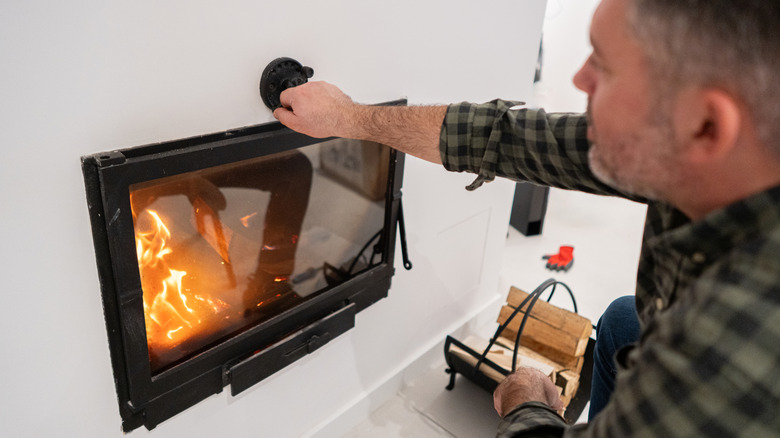
The fireplace damper is a key part of the chimney's design. It's a panel or sheet inside the interior of the chimney. You'll pull a handle to manually open or close the panel. When you open the panel, you create an avenue for the heat and smoke particles from the flames in the fireplace to rise and exit the home through the chimney. When the panel is closed, it prevents air from outdoors from leaking into the home and making you feel cold when you don't have a fire going.
Sometimes, people might forget to open the damper before lighting the logs in the fireplace. If the damper is closed, you'll have smoke enter the house because it cannot escape up the chimney. If you notice this problem, you can safely open the damper while the fire is going and allow the smoke to rise.
If you're sure you've opened the damper but the house is still filling with smoke, the damper could be malfunctioning or broken. As it ages, the damper can rust or warp from excess moisture entering through the top of the chimney. Some clues of a damaged damper include a stuck handle. If you can move the handle, but you don't hear or feel the damper respond, it could also be broken. Chimney sweeps can inspect dampers and make any necessary repairs.