

Do You Need A Permit To Replace Your Roof? Here's What You Should Know
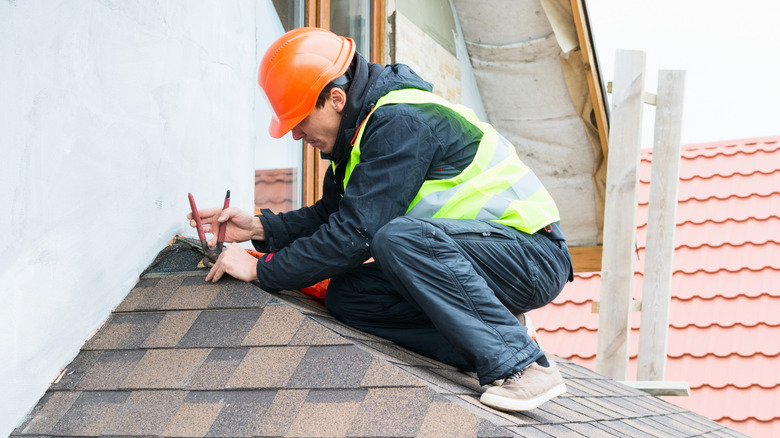
If you see signs that your roof needs replacement, you may want the work to begin immediately. Delaying a necessary replacement could lead to water and structural damage inside the house, resulting in costly repairs. Quickly finding a roofing contractor and purchasing the shingles is only part of the process, though. In most circumstances, you will also need to obtain a permit to have the roof replacement work done.
It doesn't matter whether you're only tearing off all the shingles and replacing them or you're also redoing the wood framing structure of the roofline, you'll need a permit in most areas. One common exception to this rule is if you are only replacing a few damaged shingles, as small repairs do not usually require permits.
A building permit is a document from a local governmental entity that approves your project and gives local officials the ability to inspect the work to ensure it follows local regulations. Many types of home renovations require permits before you can start them, and roofing is no exception. Obtaining a permit before beginning the work provides assurances that the contractor will do the work in a safe manner. Your homeowners' insurance company might also require you to obtain a permit to ensure the work is done according to local roofing codes. This protects you as a homeowner from unscrupulous contractors who would cut corners on your roof replacement project. By following local permitting rules, you preserve your home's value and make it easier to sell in the future.
Unique situations that affect permits for roof replacement
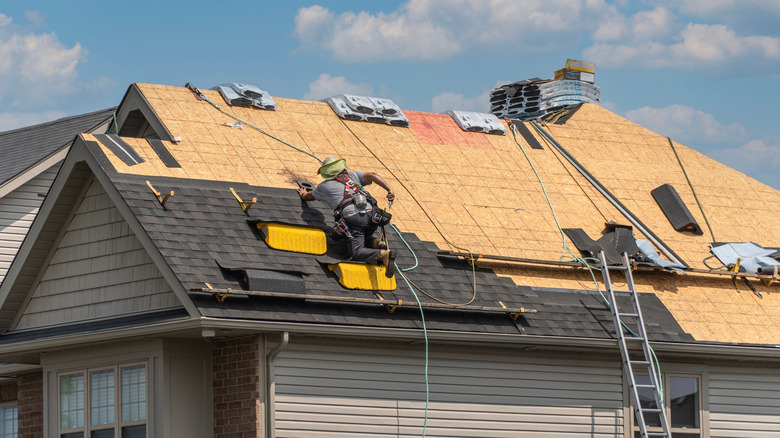
Although most people need a permit to replace the shingles or other material that makes up the home's roof, a few exceptions exist. For example, if you're placing a new set of shingles or another roofing material over the top of existing materials, you might not need a permit. Ultimately, the rules and requirements for obtaining permits for roof replacement vary by local entity. A rural county might not require a permit, while a city in an adjacent county does. Some localities don't require permits to reroof small residential homes. The building department and inspector in your local jurisdiction can inform you about the permitting requirements.
Some situations require following extra regulations that might be outside the permitting process. If you live in a home covered by a Homeowners' Association (HOA), you might have to select roof replacement materials that fit within certain guidelines. City permits focus mostly on safety in construction and ensuring properly installed materials. HOA guidelines may focus on uniform designs throughout the neighborhood. You and your roofing contractor must ensure your project meets both local building codes and any HOA requirements. You could face a similar situation if your home is in a historic preservation district, where your roof replacement may have to incorporate certain design elements or materials. You'll need roof replacement permits that take local building code safety regulations and historic requirements into account or you could suffer fines.
How the roof replacement permitting process works

The property owner or the roofing contractor can apply for the permit. However, it's nearly always better if the contractor does it because of liability concerns. If the contractor tells you permitting is not necessary, you should be suspicious. If the contractor is wrong, you as the property owner are likely liable for any consequences. Verify with the building department whether you need one, or ask for a second opinion from another roofing contractor.
Obtaining a roofing permit can take a few days to a few weeks. One reason it's easier for roofing contractors to complete the permit application is because the municipality may require drawn plans and information on the materials to be installed and the roof slope. Additionally, a contractor might need to show proof of licensing to work in your area before the municipality will accept the application. It can cost $100 to $1,000 or more for a roofing permit, depending on local laws.
While these steps might sound tedious, they will help you avoid some of the common mistakes some people make when getting a new roof. Without a permit, you'll face more problems and could receive fines and other penalties. If the roof replacement is part of storm damage, your insurance company might not agree to pay for the work or cover future damage if you don't follow permitting rules. Some local governments might force you to remove some of the materials to allow for an inspection if you didn't secure a permit in advance. When you attempt to sell your house, having an unpermitted roof could complicate and delay the closing or cause the potential buyer to back out.