

Flood Watch: How Much Time You Have To Prepare Your Home For Intense Weather
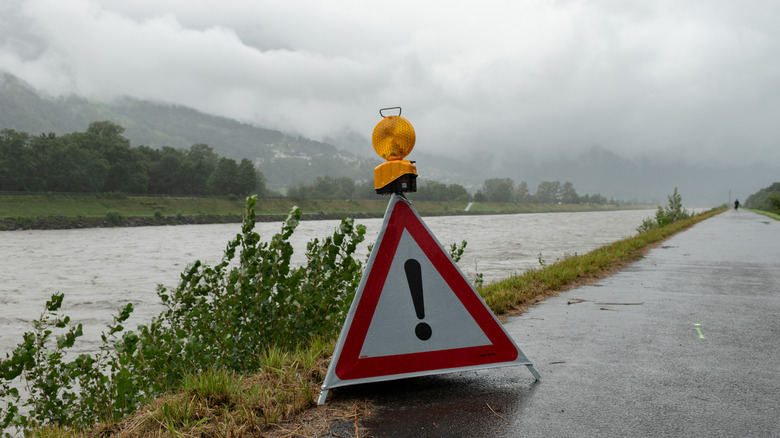
Government agencies often use a tiered alert system to keep people informed during intense weather, giving them time to prepare for potential emergencies. Take, for instance, the flood watch. It is like an early heads-up to let people know that the weather conditions are favorable for flooding. As for how much time you have to prepare your home after a flood watch, it varies. Sometimes a flood watch is issued only a few hours before a likely flooding event, while at other times they are issued even days in advance. So, depending on the situation and how quickly the flooding is expected to occur, you might have 24-48 hours to prepare your home.
It is a flash flood watch that you really need to worry about. Flash floods occur with little warning, and even if there is a flood watch, you have only a few hours before the flooding is expected. Just keep in mind that a flood watch, no matter the type, is not a guarantee that a flooding event will occur. Think of it more like a signal of a potential threat rather than an inevitable outcome. This makes it different from a flood warning.
A flood warning is issued when it is imminent that flooding is going to occur or is already happening in the area. But no matter the type of warning, the important thing is to get yourself ready. Also, keep in mind that the practical "prep window" can shrink very quickly during emergencies. So, as soon as a notice is issued, use the time you have to plan and prepare your home and keep your belongings safe.
Preparations to make during a flood watch period
When a flood watch is issued, you need to switch from passive awareness to active monitoring of all flood-related matters. This is really important, as watches often cover large areas; however, people living near areas where creeks rise or drainage backs up are at greater risk. Just make sure that you use official channels to get updates. Watch the local weather and local emergency management services. They often issue time-stamped alerts in intense weather. These could help you make timely decisions that rely fully on current guidance, not rumor.
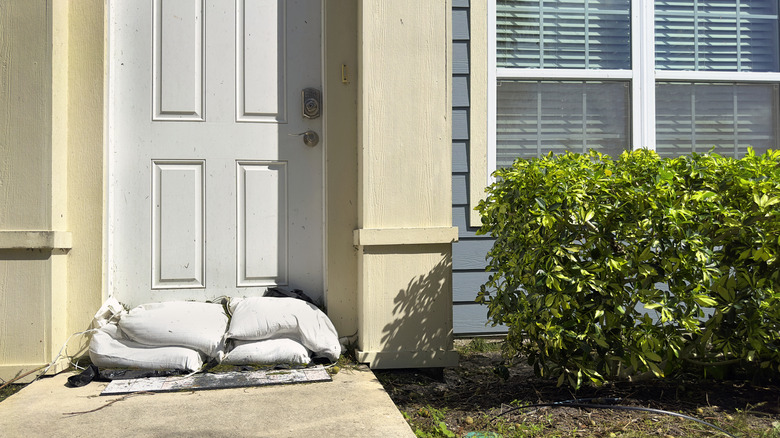
As for the preparations, start by moving all your valuables, documents, and easy-to-lift electronics to higher floors or shelves. Also, make sure to locate and organize your emergency kit and supplies. You never know when something could go wrong in times like these. In addition, you need to clear debris from your home's gutters, downspouts, and storm drains. This will help prevent local water accumulation, which can worsen basement seepage during rainfall or flooding. If you have sandbags, put them at low-lying doors or basement windows.
Furthermore, move in or secure outdoor furniture and decor items in their place. These items could block roads or clog water passageways during a flood. If the weather worsens, turn off as many household appliances as you can and only keep those on that are absolutely essential. Power surges during intense weather can permanently damage them. Lastly, use the watch period to pre-decide "leave" triggers. For instance, if there is a flood warning or water is rising above a certain level, moving early is safer than getting stuck later on.