

Good Vs Bad Worms: Which Ones Help Or Harm Your Garden?
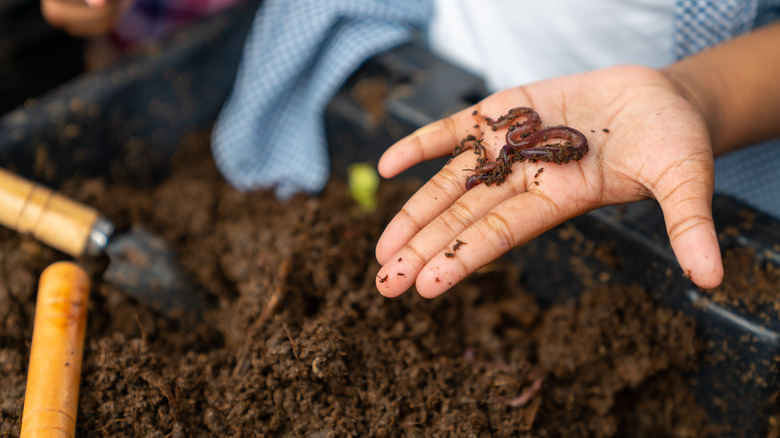
Worms are a bit creepy for many people and even more so when we learn a species is invasive and harmful in the garden. The damage the bad-guy worms cause is why it's a good idea to get to know worm species, particularly which are beneficial and which are problematic. That way, we can control the bad guys and encourage the good guys.
Common types of worms you may encounter include earthworms in the Lumbrica genus, which has European origins; composting worms, like red wigglers; terrestrial flatworms, like the hammerhead worm; and invasive worms, sometimes known as "jumping" or "snake" worms. Additional critters have "worm" in their names or are thought of as worms, but are technically not worms.
It's all about soil with both helpful and harmful worms. The actions of beneficial worms improve the soil, while those of invasive and problematic worms directly or indirectly deplete it. Let's break it all down and distinguish the good guys from the bad guys.
Welcome these beneficial worms to your garden
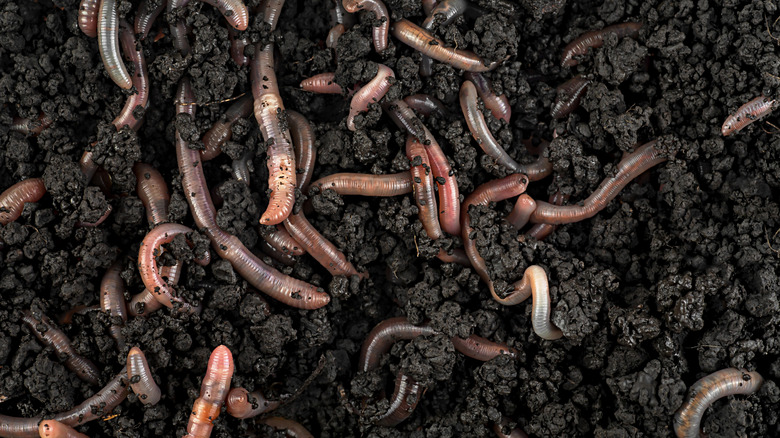
Among the world's 5,500 earthworm species, those in the Lumbricus genus have brown or pinkish segmented bodies and a range of lengths, some over a foot long. They significantly benefit gardens by aerating soil, so water, nutrients, and air flow freely. Their castings, consisting of digested organic matter, add nutrients to the soil. Nightcrawlers are a species of earthworm that burrow deeply into the soil and excel at removing dead organic debris on the soil surface. A larger size, more segments, and a unique head shape that helps them dive deeply into the soil distinguish nightcrawlers from other earthworms.
A big caveat on earthworms, including nightcrawlers, is that while they are beneficial in gardens, they are considered invasive in some locales (Maryland and New Jersey, for example) and harmful in forests, where they damage the forest floor. They are blameless for being in the forest; humans have transported them there, usually in the form of discarded fishing bait.
Red wrigglers, which resemble smaller, red versions of earthworms, are the beneficial worms most commonly used in composting and vermiculture for their ability to consume and convert organic matter into a valuable soil amendment. They reproduce quickly, so you're assured of an adequate population of wrigglers for your compost if you choose to start worm composting in your kitchen or elsewhere.
Beware of worms that harm your garden
On the bad-guy side, you'll want to know about invasive jumping worms — and how to spot this invasive species before it's too late. These creepy worms in the genera Metaphire and Amynthas come from Asia, and like earthworms, ingest organic matter. Unlike earthworms, however, jumping worms eat so voraciously that they strip the nutrients out of organic matter and leave it with the undesirable texture of used coffee grounds. Few nutrients from jumping-worm castings reach plant roots because they are released so rapidly. Jumping worms disturb the soil, allowing invasive plants to move in.
They're darker in color than earthworms, have a rubbery feel, and have only 14-15 segments; the rest of the worm is smooth. You can also identify jumping worms by the thrashing action that gives them their name. They reproduce rapidly and can be transported in mulch and compost. Controls include solarizing soil to kill cocoons, as well as tilling soil after worms have hatched around May, picking out worms, and dropping them into vinegar or alcohol.
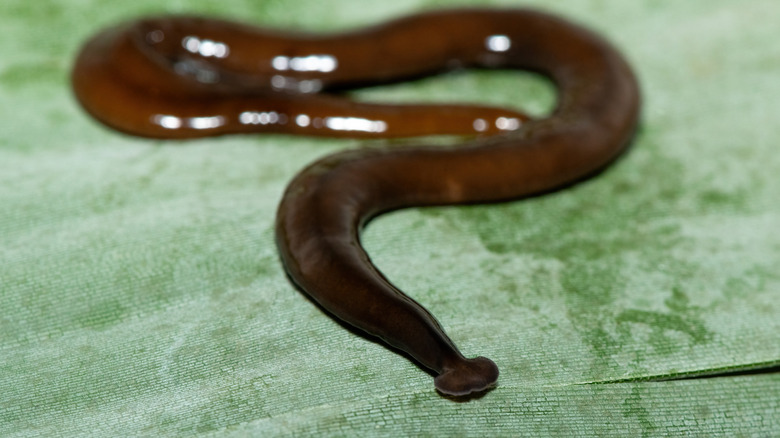
The other nasty bad-guy to avoid is an up-and-coming invasive pest you should never squish – the hammerhead worm, a terrestrial flatworm. Easily identifiable by its head resembling a hammerhead shark, this invader is also flat like a ribbon, unsegmented, slimy with mucus, and up to a foot in length. Its garden sin is eating soil-friendly earthworms. Why should you not squish it? Because broken pieces of this crafty worm can generate into more worms. You don't even want to be touching this worm, as its mucous contains neurotoxins. The suggested control consists of donning gloves, picking them out of your garden, and placing them in a plastic bag with salt or vinegar.