

15 Outdoor Features That Are Worth Upgrading
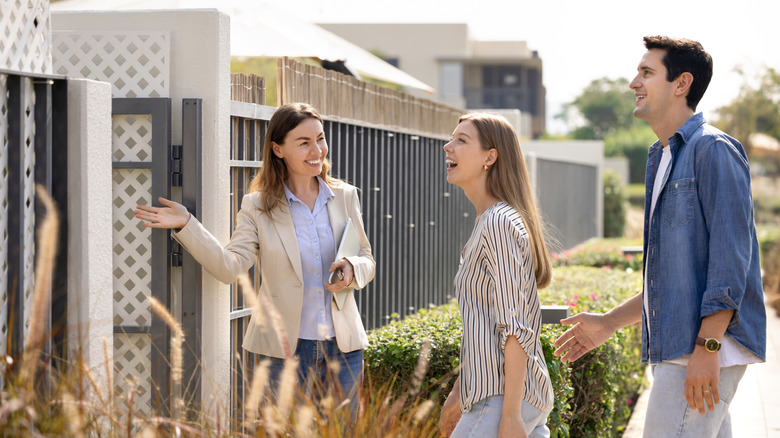
Not every outdoor project or feature needs much budget or effort. Some outdoor upgrades, however, punch far above their weight in terms of comfort, curb appeal, and resale value. Features that become an eyesore when neglected reduce your enjoyment of your outdoor space, turn off prospective buyers, and can ultimately affect your home's market value. Projects that give the impression of lower maintenance needs and an attractive outdoor living space can recoup over 190% of their original cost in resale value.
The features you use and see every day, like your garage door or the main entryway to your home, have the biggest impact. These types of projects do deserve your time and money because they create an immediate impression for guests and even you when you drive up or walk in. Even if you're not planning on selling your property soon, projects that improve safety, energy efficiency, enjoyment, and usability tend to hold their value, and they benefit you directly, too.
Upgrade the front entryway door and small porch zone
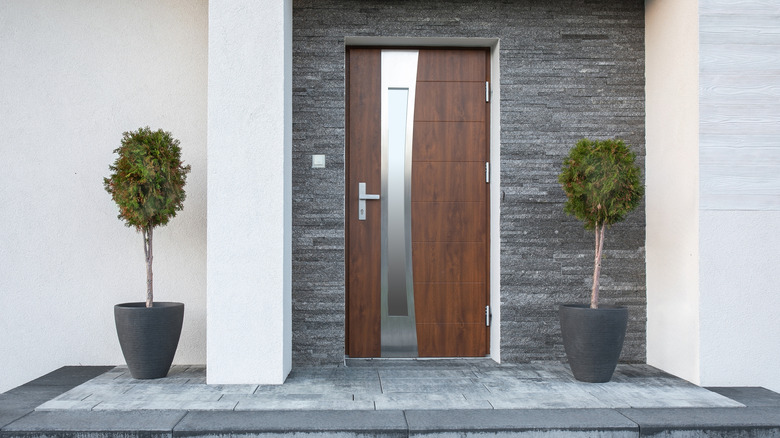
If your front door is scuffed, dented, peeling, and outdated, it gives an immediate impression of lack of care and drags down the look of the whole property. Combine that with a sad, wobbly stoop, porch support posts that are peeling, and a porch roof or overhang that's mossy and sagging, and it radiates an air of depressing neglect. Even if the rest of the facade is fine, a bad entryway detracts from the quality of everything else. On top of that, in more practical terms, old and neglected doors are often energy-inefficient as they let drafts in, especially if they're missing weatherstripping. All of these things indicate it might be time to change your front door.
The national average cost for replacing an old door with a steel entry door is around $2,355. Which sounds like a lot, but it significantly enhances safety and security over old doors without proper security-focused-cores. And, given that it adds roughly $4,430 in resale value, that's about a 188% ROI, making this one of the best outdoor projects you can do for a quick, effective lift in price and function. Insulated ENERGY STAR-rated doors reduce energy waste and you can further boost security by choosing a door with multi-point and deadbolt locks. Add a motion-sensor light for security and visibility at night, or sconces or lanterns flanking the doorway for a little extra attractive and practical flourish.
Replace a tired garage door with a modern one

Garage doors cover around 30% of the front facade of a property. Therefore, dents, peeling paint, and a tired, bubbled, lacklustre door that came straight out of the 1980s can diminish any good first impression the rest of the property makes because it's an eyesore. Older doors also tend to be noisier, aren't well-insulated, and lack modern safety features.
The right kind of garage door can definitely boost curb appeal. A new standard single garage door costs around $4,513 nationally. Obviously, that will vary quite a bit depending on where you live. The approximate resale value is around 194%. So, if we take that national average, then installing a new, modern garage door can add an average of $8,751 to the value of your home. Making a garage door replacement is quite literally a job that more than pays for itself. When choosing a garage door, think about insulation to minimize heat loss, remote openers, safety sensors, and battery backups. This really lets you maximize the benefits of your new door. And choose a color, style, trim, and window layout that matches the rest of your home's facade.
Resurface or rebuild a worn deck

An old deck is more of a safety hazard than just a curb appeal problem. Sagging joists, rotting boards, wobbly railings, and missing or uneven stairs are all seriously risky and can result in nasty injuries. Plus, for prospective homeowners, perceived maintenance needs immediately rise, and obvious safety issues can lower offers or turn buyers off completely. Improperly constructed decks, outdated layouts, narrow steps with no support rails, and other common DIY decking mistakes can make a deck look like a botched afterthought rather than an integral outdoor living space.
A new wooden deck typically costs $17,615 nationally, but returns a resale value of around $14,596, or roughly an 83% ROI. So you do recoup most of your outlay when you sell your home. But, if you don't want to spend this much and have an existing deck that can be fixed up, that'll still boost curb appeal and resale value. You'll need to replace sagging joists, rotting or spongy boards, and loose railings. Also check the structural integrity, which includes posts, footings, and railings. You might need to widen steps and landings to make the space more attractive and functional. If the rest of the deck has been neglected, it will almost certainly need resurfacing, too. This could just be in the form of removing moss and algae build up, then applying deck sealant and anti-slip strips or matting. Or you may need to sand the deck before sealing it.
Improve landscape lighting for safety and atmosphere
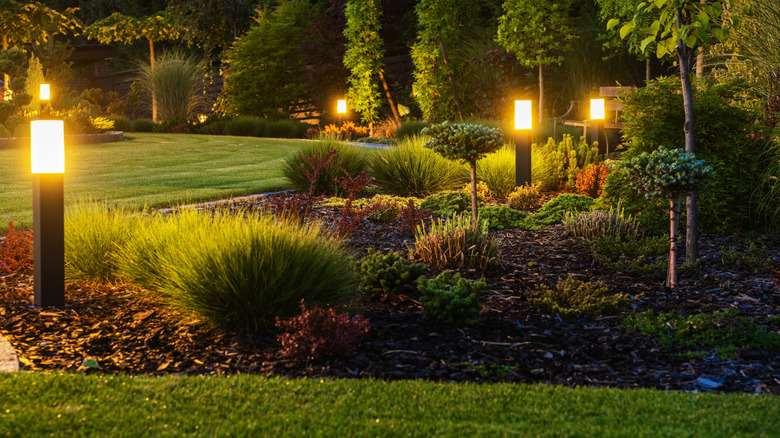
Dark paths, entryways, and steps are uninviting. They're also a safety risk, especially in wet or icy conditions. Lack of security lighting also makes the property look and feel less secure to buyers. Exterior lighting comes in many forms, but when bulbs are left dead, lights are incorrectly angled, or there just aren't enough of them, it can turn buyers away. Outdoor lighting is part practicality, and safety and part stage dressing.
Landscape lighting costs vary, because there are so many options and variables, but the typical ROI is around 59% at resale. While that's not huge, it's still fairly substantial, and given the enhanced safety and security, the project is still worthwhile. Consider low-voltage and integrated LED motion-sensor lighting for security and welcoming entryway lighting. For paths, try LED solar pathway lighting. You can also add patio lighting to really make your outdoor area inviting after dark. Don't go for brilliant white high-lumen lights if possible, as this is bad for nocturnal wildlife and contributes to light pollution, and it's not terribly attractive. Instead, use warm whites and slightly lower lumens to give light without glare.
Refresh raised beds and front-yard planting
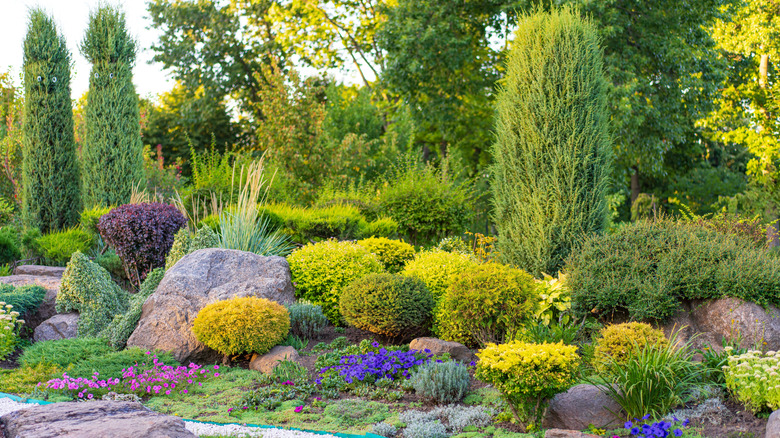
Sparely planted, tired-looking, or overgrown, straggly shrubs, and patchy lawns don't create a good first impression. Haphazard planting and neglected bushes, trees, and beds tell prospective buyers the garden and therefore probably the house too, is poorly maintained. Huge, unkempt plants also block light and make the yard feel smaller.
New plantings, refreshed raised beds, and some tree and shrub pruning and maintenance are all relatively small, affordable tasks, but they can increase perceived home value by around 12%. Standard lawn care gives about a 217% return on investment. Landscape maintenance, which includes tasks like mulching, edging, and pruning comes in at just over 100% ROI, followed closely by overall landscape upgrading, which delivers 100% return at resale value. Aim for an intentionally planted garden, with natural-looking landscape borders filled with low-maintenance ground covers, medium-sized shrubs, and taller accents toward the rear. Go with plants that are right for your growing zone and specific soil conditions, and avoid anything that grows so fast it'll obscure windows and paths too quickly.
Plant or replace shade trees in smart locations
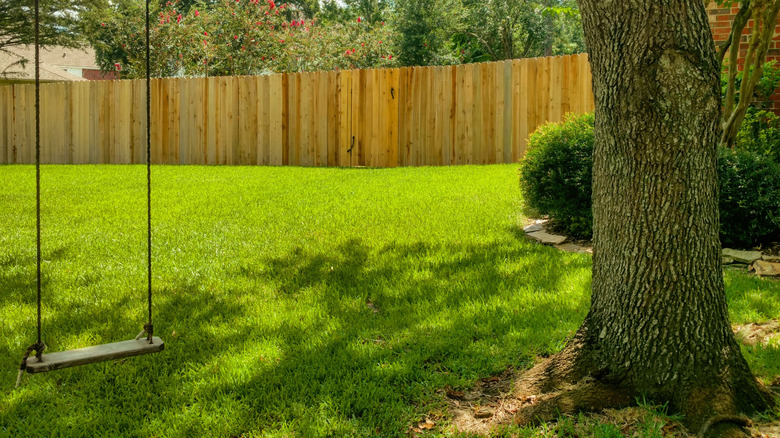
A yard with no trees or diseased and dead trees is problematic. A complete lack of trees, tall shrubs, or a dead or decaying tree makes a yard feel exposed and barren. They're also hotter in summer and look less "finished". While some buyers like a blank canvas, many want to be able to picture themselves enjoying the outdoor space in its current state. On the other hand, trees planted too close to structures, or species that are way too big, are not great either, because they overwhelm the space and can be a potential source of damage if a limb falls or a root causes structural issues.
Fast-growing shade trees planted strategically can reduce cooling costs by between 20 and 50% in some climates. Their canopies shade walls and roofs, keeping the air around the house cooler. That alone can impress potential buyers, as well as save you considerable money on your utilities. For this kind of project, it's a good idea to hire a pro, as they'll know how far from walls, septic systems, and utility lines it's safe to plant specific tree species. They can also advise you on what species will do best in your region.
Add a covered seating area or pergola
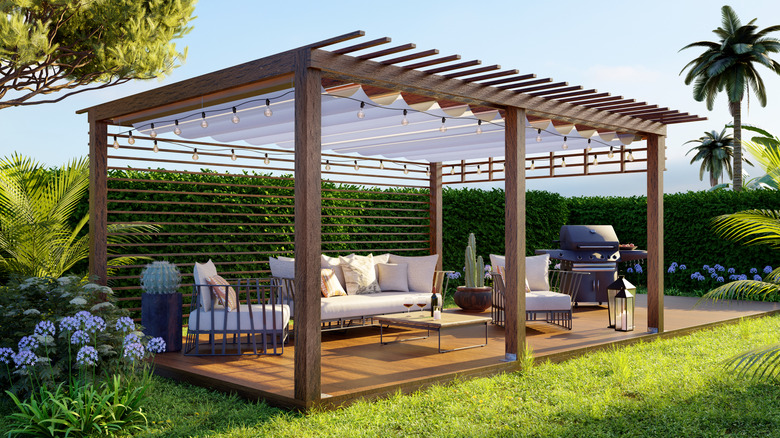
Patios and decks without any shade get uncomfortably hot and they aren't nice places to relax or entertain in the summer heat. Additionally, any furniture in these spots will fade and degrade faster with uninterrupted exposure to direct sunlight for large parts of the day. Your outdoor living space quickly becomes somewhere you want to avoid during the summer.
Covering the seating area so you've got some shade and protection from the rain, as well as the sun, instantly makes the space more comfortable and inviting. You can enjoy the summer without roasting. Even a retractable awning can turn a patio into an outdoor "room". A well-built pergola can recoup between 50 and 80% of the cost in increased home value, as well as improve your enjoyment of your garden.
Upgrade garden paths and walkways
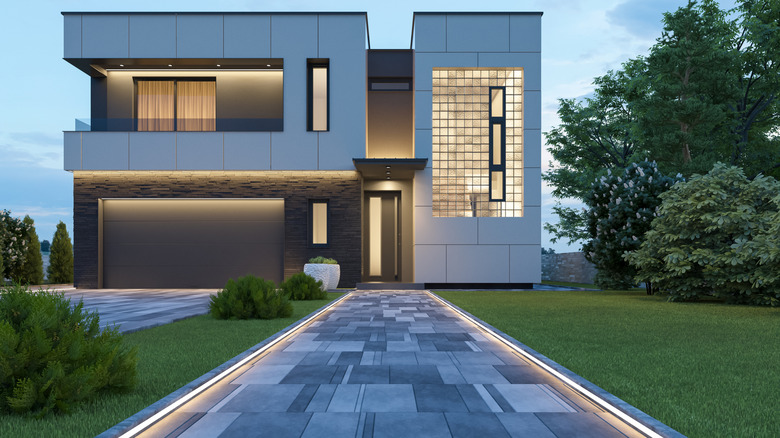
Narrow, overgrown paved pathways and cracked, heaved, and uneven ones aren't easy to navigate. They're trip hazards even in good weather, and present a serious fall risk in wet and icy conditions. Plain worn dirt or grassy tracks tell people the property isn't well cared for and they're also dangerously slippy when it's wet and they turn into slick, sticky mud.
Adding or improving garden paths and walkways comes under the same category as general landscaping upgrades, so have a resale value of around 100% of the initial cost. For safety, you need to make sure the path is level, firm, and stable with a width of 42 to 48 inches, or, at the very least, 36 inches. Choose a safe, non-slip pathway material. Only use gravel for less-traveled areas, as it's difficult to walk on for anyone with mobility challenges or when pushing a barrow, buggy, or walker.
Install or update privacy fencing and screening
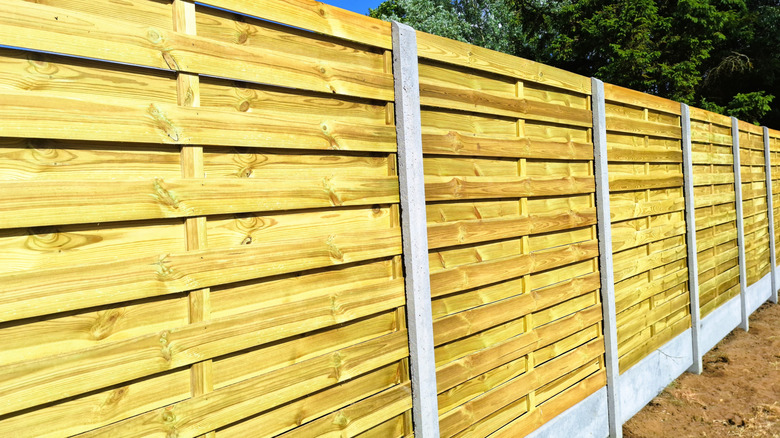
Sitting outside isn't particularly enjoyable if you feel like you're being watched by neighbors or passersby. You just can't fully relax if other people are looking at you. Leaning, broken, or missing fences signal neglect. And no fencing or privacy can quickly turn away potential buyers who have kids and pets.
Typically, a well-built privacy fence can recoup up to 70% of its cost. That, of course, depends on your location and the fence materials you choose. High-quality vinyl and metal privacy fencing can last for years with minimal maintenance, as can some pressure-treated wood fences in some climates. If you want to minimize the look of the fence, you can plant privacy trees and shrubs that screen the fencing material, or attach trellises and plant climbing screens, like a vertical garden.
Modernize irrigation or add smart watering controls

Old, leaky, and inefficient irrigation systems waste water and money, and they're less environmentally friendly than smarter modern options. Many homeowners are now more environmentally conscious, so pay closer attention to these kinds of details. Plus, if an old system just has a timer that ignores weather conditions or the heads are poorly positioned, you end up with overwatering, underwatering, and potentially standing water, which harms your lawn and plants and can create a breeding ground for mosquitoes.
If you've got an old but well-maintained irrigation system, you don't necessarily need to go to the expense of installing a new one. Instead, you can inspect it for issues and fix any you find, then add smart controls that adapt to weather conditions rather than relying on a simple timer. You could also consider replacing the sprinkler heads with efficient ones that reduce waster waste. Just replacing a timer with a weather-based or smart controller can save you around 50% on irrigation costs. Installing a new sprinkler system costs around $2,540 and can achieve an 83% ROI, as well as saving on water use.
Refresh siding or add durable accent cladding
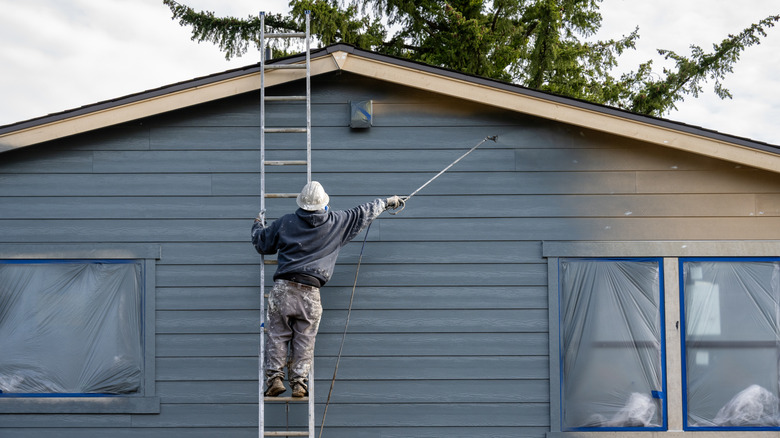
Damaged siding is a big problem for many buyers, as it indicates neglect and can be a warning sign for more significant issues. Faded, cracked, swollen, peeling, or warped siding immediately lowers curb appeal, makes a home look dated, and raises questions about moisture problems. Where damage is prevalent around windows, doors, and foundations, it's often an indicator of rot or pest issues, and can significantly lower perceived value.
Replacing siding can be costly, so it makes sense to keep on top of maintenance and fix minor problems where you can. On average, replacing siding costs $11,457, but that's dependent on square footage and materials. Wood, stucco, and vinyl tend to be the most budget-friendly, starting as low as $1 per square foot, while stone is the most costly, at $30+ per square foot. If you do have to go for replacement, you can expect to get around 80% of the project value back in property value. Whatever route you take, you also need to take care of any underlying issues.
Replace or repair older patio doors and key windows

Old patio doors with sticky sliders and drafty frames aren't great for you or prospective buyers. The same goes for permanently foggy windows. Gappy caulking, rotting frames and sills, and damaged glazed panes all detract from the beauty of your home and reduce its energy efficiency and value.
You can expect to pay between $21,264 and $25,799 to replace the windows in your home, with a resale ROI of between 63 and 67%. However, if that's not in the budget, you can still do some tidying and fixing. You can clean or replace patio door sliders, add weather stripping to the outside of windows and doors, replace or fill chipped or damaged frames and sills, and recaulk. Then finish it all with a fresh coat of weatherproof paint. This immediately lifts the look of your home and reduces energy loss.
Improve drainage with rain gardens or permeable hardscape
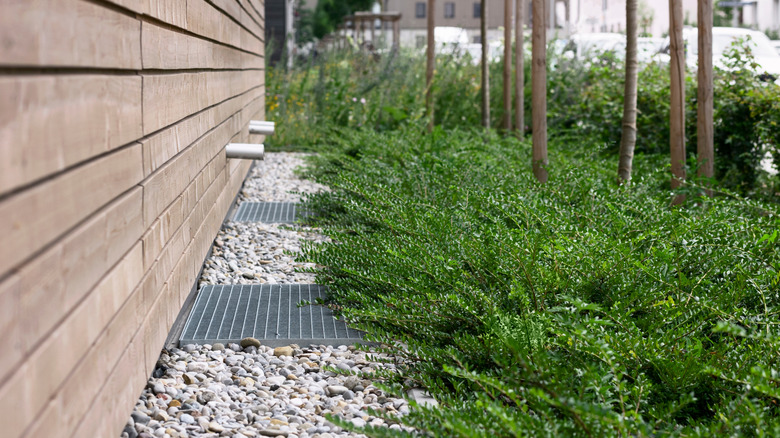
If your yard isn't graded properly, your gutters are overflowing, or your garden just doesn't drain the way it's supposed to, you can end up with serious structural damage, basement leaks, and erosion. Plus, if you have standing water on the lawn or in garden beds, you'll get swamped with mosquitoes, and those permanently soggy patches won't produce healthy plants. Lawns also become patchy, unusable, and boggy.
Leveling or grading can cost anywhere from $390 to $6,110, depending on the size and difficulty of the job. But you'll get a 100% ROI if you decide to sell. If it's a persistent issue not related to grading, consider adding French drains, which cost between $10 and $100 per linear foot. You can also add downspout extenders or diverters so water from your gutters discharges further away from your home. Adding permeable hardscaping and installing a rain garden can also help with overall better drainage and how well your garden handles storm runoff.
Create or upgrade an outdoor cooking and dining area
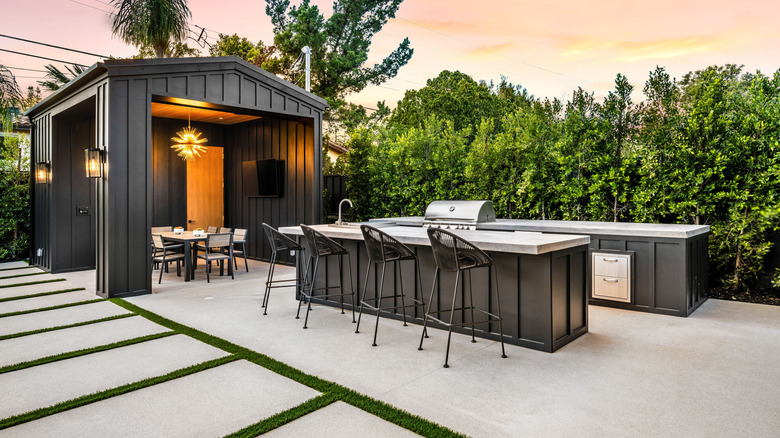
A rusty old grill sitting against the siding like a relic from your 80's childhood with dad burning sausages, just doesn't cut it for people who want at least part of their yard to be an outdoor room, like a real living space. With no prep space or dedicated seating, eating outdoors isn't particularly appealing or comfortable. This old-school setup tends to see less use than a modern, functional outdoor cooking area.
A full outdoor kitchen isn't cheap, with an average cost of $16,425, but it does have a 100% ROI. Include plenty of counter space, a sink if you can, storage, lighting, and, if the weather is unpredictable in your area, maybe a roof or pergola. Plus, of course, you'll need a weather-appropriate dining area close to the fancy outdoor kitchen. This is a job for a pro, especially if you want to run any permanent water, electricity, or gas lines to the area.
Upgrade a basic firepit or fire feature
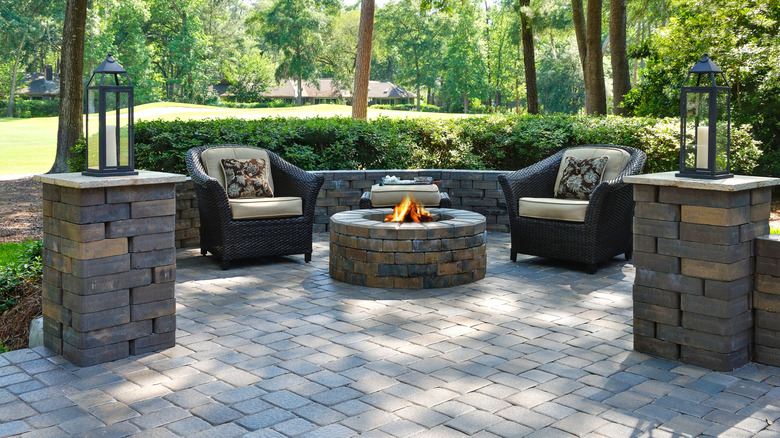
A flimsy, rusty, or bad DIY firepit is an eyesore and a danger. Particularly if they're set too close to structures, not lined properly, are sat directly on grass, or too near trees and woody shrubs. Fire pits, fire tables, and other fire features are great entertaining spaces if they've got seating and are well-maintained.
A fire pit or fire feature generally costs around $850, but it really depends what type of fuel you want, the type of fire feature, and the material it's made from. A charcoal fire pit, for example, can cost as little as $250, while a high-end natural gas fire table could run as much as $3,000. A good installation can claw back as much as 56% of the initial cost in resale value. You'll also want to consider seating and perhaps a fire-safe patio or gravel area around the feature. Whichever type of fire feature you choose, it has to meet local regulations and have adequate clearance from buildings, trees, and other combustibles.