

12 Bathroom Items You Didn't Realize You Could Sanitize In Your Dishwasher
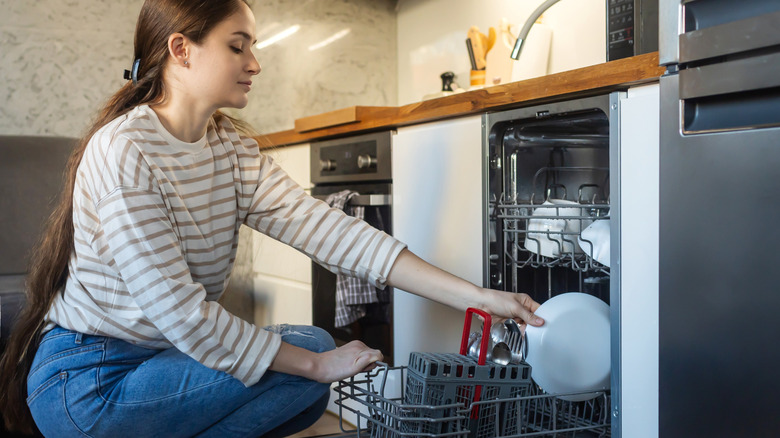
Your dishwasher can handle far more in your home than just cleaning glasses, plates, cooking utensils. For example, there are home décor items you should be cleaning in your dishwasher, like vases, outlet covers, desk accessories, and drink coasters. What's more, many bathroom items, from soap dishes and toothbrush holders to shower caddies and hairbrushes can be sanitized in this kitchen workhorse. After all, they come into contact with moisture, humidity, grime, and oils on a daily basis. Popping your kid's bath toys, synthetic loofahs, and hair clips in the dishwasher guarantees a thorough clean for a fraction of the time and effort required of manual cleaning. Frankly, that sounds like a sweet deal.
However, you must take a few precautions before chucking anything and everything onto your dishwasher's racks. To avoid any warping, melting, discoloration, scratches, or other kinds of damage, ensure you're washing products made of dishwasher-safe materials. Silicone, hard plastic, ceramic, stainless steel (and some other metals), and glass typically fall under this purview, while wood and thin plastic do not. You must also try to place the objects in the top rack of your dishwasher or in the dedicated silverware basket. This way, they won't be exposed to the intense heat present in other areas. With those caveats out of the way, get ready to revolutionize your bathroom maintenance routine.
Soap dishes
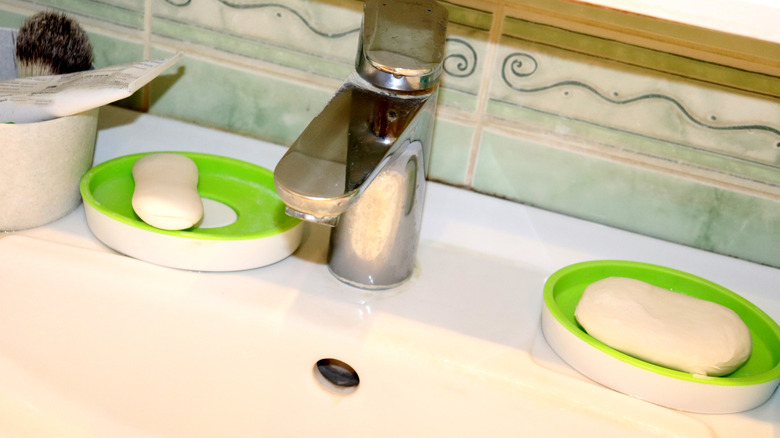
Granted, soap dishes hold a cleaning product, but they also collect lots of bacteria — as well as the usual soap scum and water deposits. Unless hand-painted or wooden, most soap dishes, especially plastic and ceramic-based, are dishwasher safe. You can add them to your next load for sanitization. Wherever possible, check the manufacturer's instructions before popping them on a rack. Since they tend to be small, keep them in the top of the machine. This limits their exposure to heat, ensuring the prints, designs, and colors remain (hopefully) intact.
Toothbrush holders
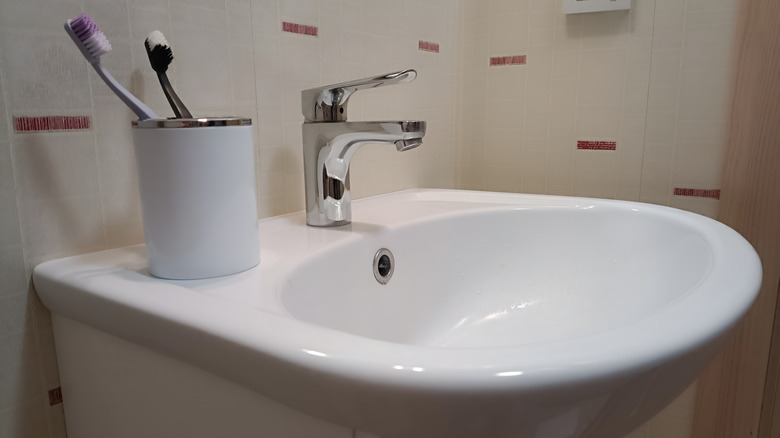
According to the NSF, toothbrush holders are one of the germiest items in your bathroom. They contain more germs than faucet handles. As convenient holders of wet toothbrushes that in turn are grabbed by wet hands in a steamy bathroom, it's no surprise bacteria thrive on their surfaces. Fortunately, most are easily sterilized in the dishwasher's hot cycle. Before dropping them in the top rack, pre-soak them in hot soapy water to remove any sludge from the inside. Repeat this process twice a week. Only plastic, ceramic, stainless steel, or glass holders are dishwasher safe.
Shower caddies
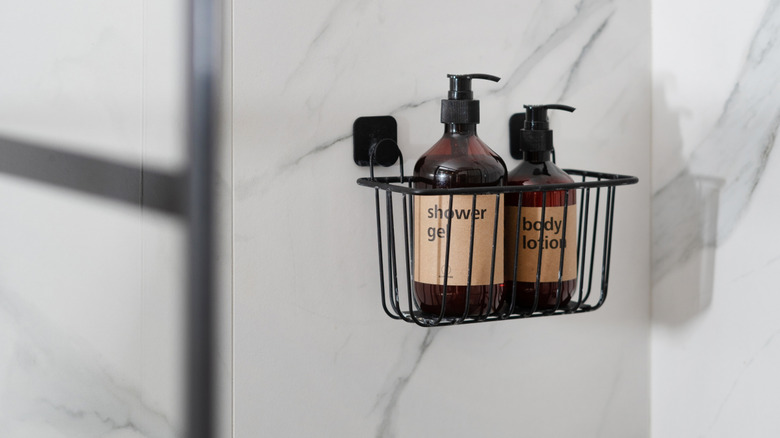
Shower caddies massively improve the bathing experience by keeping bottles and razors within easy reach. But they also collect runoff from our soaps and shampoos, becoming breeding grounds for mold and mildew if not sanitized. Luckily for you, they can be loaded into the dishwasher for a deep clean. Considering their size, place them in the top or bottom rack. Plastic and metal caddies with high plastic components can generally tolerate a run through this high-heat machine. But be sure to towel-dry a metal caddy immediately after removing it from the dishwasher to avoid rust.
Plastic hairbrushes
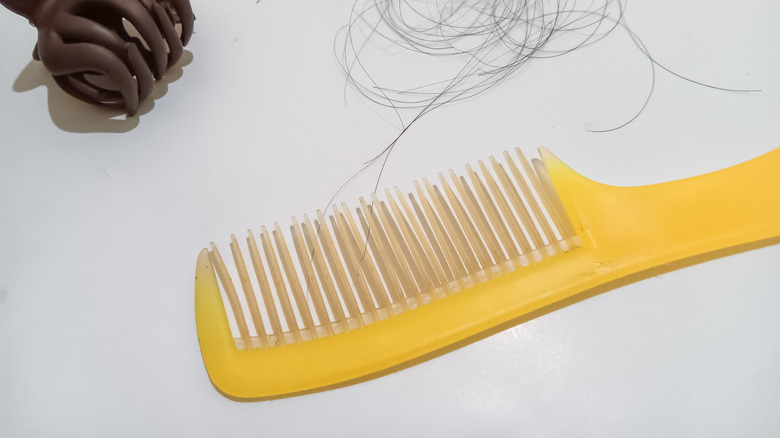
Combs, hairbrushes, and hair styling tools accumulate oils, dead skin cells, dandruff, hair product residue, and an impressive amount of hair. You can easily refresh your grimy hairbrush with a kitchen appliance: your dishwasher. First, remove all of the hair from the brush. You don't want strands stuck to your dinnerware. (Gross!) Since heat can warp some plastic brushes or damage brushes with cushioning, put them in the utensil basket or top rack and run them through a cold cycle only. Air-dry them afterwards. Hair tools with natural bristles or wooden grips are best washed by hand.
Hair clips and accessories

You can clean and sanitize your hair clips, butterfly pins, claws, and metal bands in the dishwasher. Like your hairbrushes, they quickly collect product scum, flakes of skin, and dust buildup. Place any hair accessories in the top section of your dishwasher (the section designed for small items) or the utensil holder to minimize heat exposure and prevent them from slipping through large gaps. Remember, dishwashing is only safe for hard plastic and some metal accessories. After the dishwasher has finished its cycle, swiftly wipe them down with a towel to stave off discoloration and rust.
Grooming tools
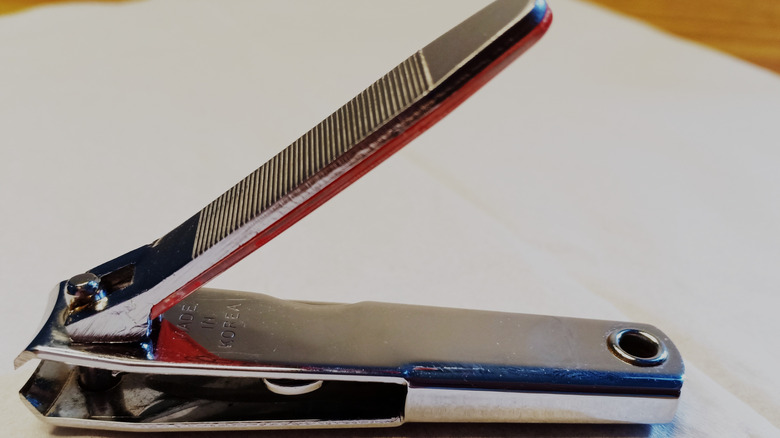
Your go-to grooming tools, such as nail clippers, tweezers, cuticle pushers, filers, and razors, can be washed and sanitized in the dishwasher. The high heat inside the appliance kills the harmful bacteria and germs; the strong water pressure clears gunk from inside the tools. However, be sure to only put solid metal items in the dishwasher — avoid anything with rubber, wooden, and cushioned grips or parts. Also, avoid tools with painted finishes if you care about the finish chipping. Place your tools in the cutlery basket. After the cycle, dry them thoroughly to prevent rust.
Kids' bath toys
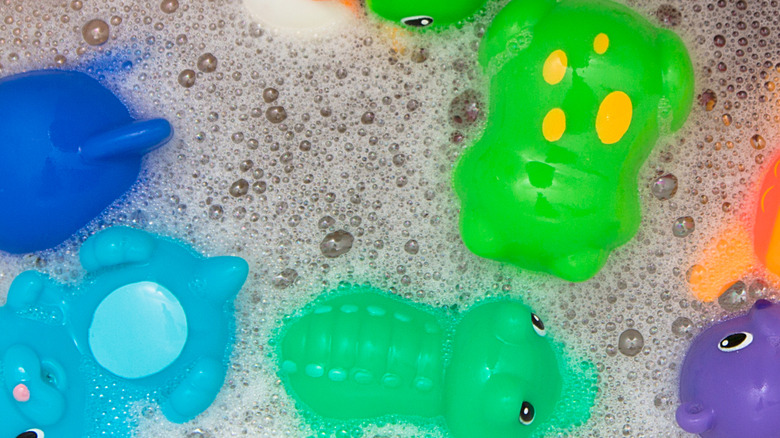
Rubber duckies and bath toys can trap moisture, becoming breeding grounds for mold, especially in poorly ventilated bathrooms. Plus, after a short stint in your kid's hands or mouth, they can amass germs. To disinfect them, place them in a mesh laundry bag and pop them into the dishwasher. Place the bag on the top rack so it doesn't receive excessive heat. Then run a hot cycle. Thick plastic bath toys, sans any electronic parts, are typically dishwasher safe, but check with the manufacturer first. Expel all the water from squirting toys before loading them.
Plastic drawer and shelf organizers
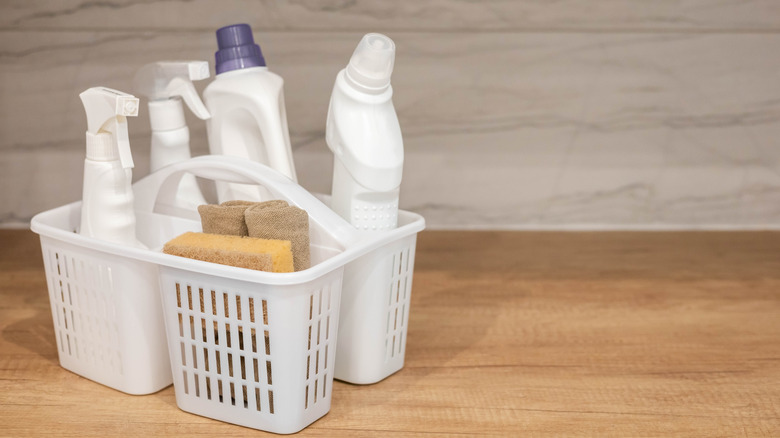
Drawer and shelf organizers that sit under the vanity sink and help corral and organize your makeup, grooming, and bathroom cleaning supplies can benefit from occasional sanitation. After all, they collect a lot of grime, dust, spills, and product residue. Wherever possible, disassemble them before placing them in the top rack of the dishwasher. Set your appliance to a gentle cycle, and be sure to check them for a dishwasher-safe symbol. A symbol featuring two plates under diagonal lines is one to look for. Usually, plastics marked 2, 4, or 5 are dishwasher safe.
Synthetic loofahs and sponges
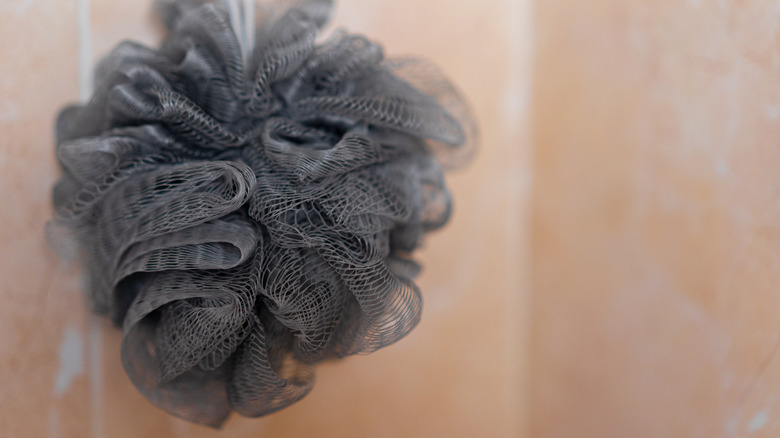
Ideally, you should clean your loofahs and sponges after every use in warm water to minimize bacterial, residue, and mold buildup. But if you're running a separate load for bathroom items, consider deep cleaning them in the dishwasher about every month, unless they're due for a replacement. Usually, only polyester or nylon loofahs and sponges can tolerate dishwashing on a gentle cycle. Place them in the utensil basket, or better yet, in a mesh bag to avoid any tangles. They should come out squeaky clean. Don't forget to air-dry them afterwards.
Plastic makeup and scrub brushes
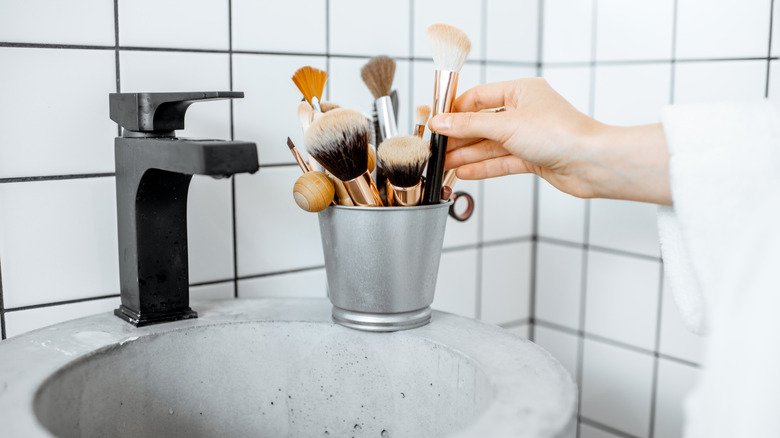
When you're strapped for time, you can toss your plastic makeup, eyebrow, and facial brushes in the dishwasher's utensil or silverware basket to sanitize them. Avoid adding any heavily soiled items, or remove any major clumps of residue beforehand. The ultra-hot water in your dishwasher eliminates the bacteria and oil buildup that may cause skin breakouts. However, do this sparingly, about once a month, to avoid degrading the plastic handles or bristle adhesive. Ensure the bristles are facing down. If washing them with your dishes gives you the ick, just run a dedicated load.
Exhaust fan cover
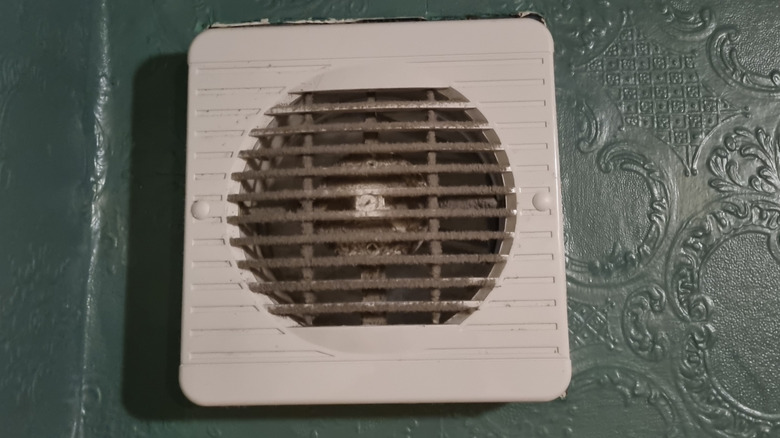
Range hood filters and HVAC vent covers aren't the only things you can wash in your dishwasher; your bathroom's exhaust fan cover can go in there, too, provided it's not made of aluminum. Bathroom vent covers accumulate dust, products, water stains, and mold. Cleaning your bathroom vent fan at least once a year will help prevent these frustrating issues. After giving the cover a wipe to remove heavyset grime, put it through a hot cycle in your dishwasher, just as you would a dinner plate. Towel-dry the vent cover afterwards to prevent corrosion on any metal components.
Soap dispensers
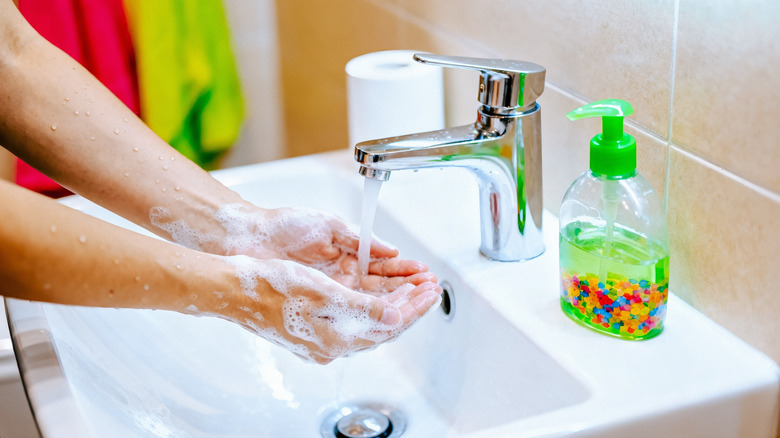
If your ceramic or glass soap dispensers are marked safe for the dishwasher (and, likely, even if they aren't) you can wash them in this common kitchen appliance. Pop them on the top rack away from the heating elements and set the dishwasher to its coolest setting. Consider removing the pump before loading the utensil into the dishwasher, particularly if it's made of thin plastic. The high heat could cause it to warp or melt. Your dispenser should come out sparkling clean and stripped of gummed-up soap residue or mildew spores.