

Stop Closing Vents To Save Money On Heating Bills: Why This Tip Is A Total Myth
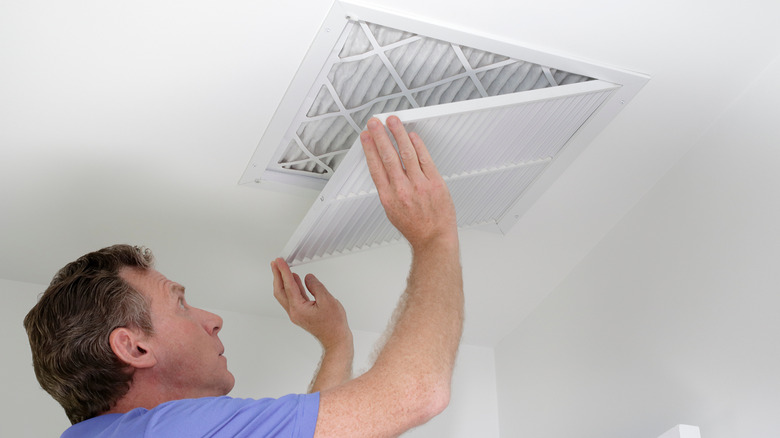
As winter takes hold, you may receive some sticker shock when you open that first heating bill. When seeking ways to reduce your home heating costs, you might look for tips online. One popular suggestion you'll probably run across is that you should close your HVAC vents for rooms you don't use much. It might seem like you can save energy by not heating rooms you don't spend time in, but this doesn't actually reduce energy costs. Closing air vents doesn't save money because your heating system has to work harder to push the air through the now-compromised system. This means the furnace has to use more energy to heat fewer rooms, increasing operational costs.
Additionally, closing vents can cause significant problems for the system, leading to costly repairs. One potential problem you might notice after closing vents is moisture buildup in the ducts. By closing vents, air will not flow through the ducts like normal, leading to stagnant air and increased moisture. Eventually, these ducts may become an unexpected place where mold appears in your home. Mold can quickly grow in the warmth and high humidity found in a blocked duct. Mold growth also occurs in ductwork that has an inefficient design that negatively affects airflow. By closing vents in rooms you don't use often, you're creating an inefficient system design. Cleaning mold growth from ducts can cost $2,000 to $10,000, far more than you're probably hoping to save on heating costs.
Why closing vents to block heat could damage the HVAC system
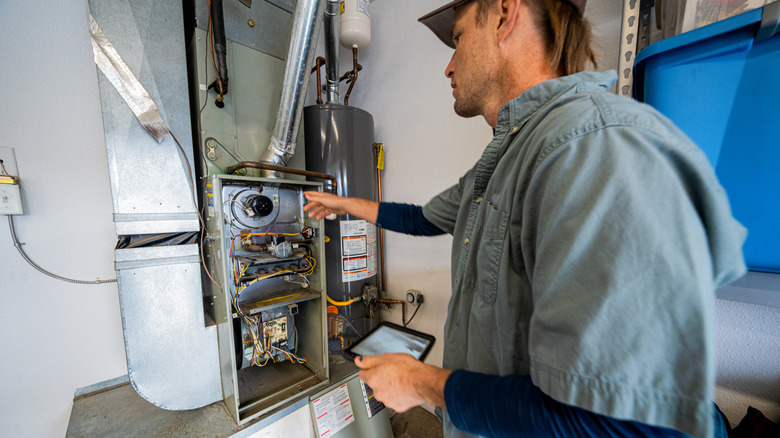
After shutting vents, you may begin noticing signs from your HVAC system that you shouldn't ignore because they could indicate severe damage to the system. Even if closing vents to avoid heating rarely used rooms did reduce your energy bill, you'd probably end up spending that money (and more) on heating system repairs.
You could damage the ductwork in the system by increasing the pressure inside. Loose areas in the ducts may widen, or the added pressure could pull tight seams loose, meaning you'll lose warm air inside uninhabited areas of the house, such as the walls or ceiling. You could pay significantly more money on your heating bill over the winter when this problem occurs, and repairs to your ductwork average $660.
You could also damage the heat exchanger because of the higher levels of air pressure in the system. A cracked exchanger might cause carbon monoxide to leak into your home. Carbon monoxide poisoning can be fatal, and people who are sleeping when the leak occurs might never wake up. Operating a furnace with this problem could lead to a fire, too. On top of all of this, replacing a cracked heat exchanger has an average cost of $1,750.
Options for saving on heating bills instead of closing vents

Since the idea that closing your HVAC vents saves money on heating bills is a myth, are there other things you can do to save money? One of the best things you can do is use a programmable or smart thermostat to turn off the furnace or lower the heating temperature when you aren't home. You could save about 8% of your heating costs per year with a smart thermostat.
Pay attention to gaps around your windows and doors to try to conserve energy, too. You might be able to save between 5% and 10% of your annual heating costs by sealing any gaps you find. Use caulk to fix small gaps and expandable foam to eliminate larger ones. Because using these products can be messy, some people choose to hire contractors or window and door repair professionals to apply them.
Installing ceiling fans can help with air movement, improving the efficiency of your heating system. Just flip the circulation switch on the fan to spin it in the opposite direction (clockwise), which causes the blades to pull air upward. When the furnace is running, a clockwise-spinning ceiling fan forces warm air that has collected near the ceiling back down into the room. During summer, the blades should spin counterclockwise to force air downward and create a breeze that helps you feel cooler.