

The Major Benefit Of Installing A Heat Pump To Combat The Cold Winter Weather
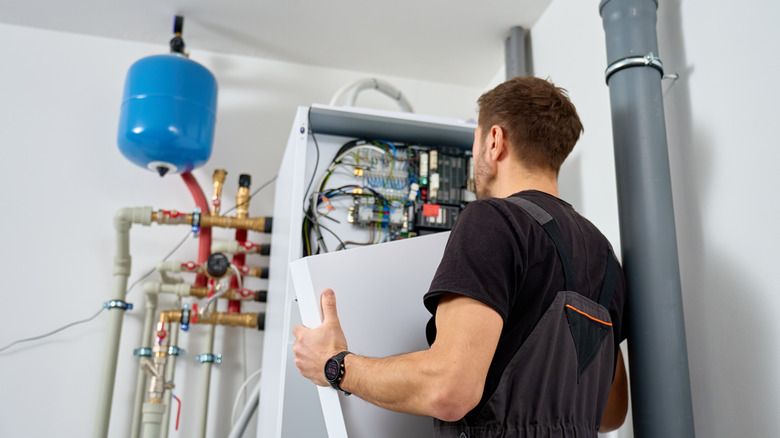
If you have an older natural gas furnace heating your home, you might dread the high utility bills that show up in winter, as older furnaces cost more to operate as they age. They need more fuel to create the same level of warmth they did when they were new. Then, there's the question of how long your furnace should last. When you properly maintain it, a gas furnace might last 15 to 20 years. If your furnace is near the end of its lifespan, you don't necessarily have to replace it with the same thing. With the technology improving in efficiency and effectiveness, it's a good time to consider whether switching to a heat pump is worth the cost.
If you're looking to combat high energy bills during cold winter weather, you can save some money by switching to a heat pump. Furnaces usually run from natural gas, while heat pumps run from electricity. Natural gas is generally cheaper than electricity. However, because heat pumps are at least twice as energy efficient as a furnace, one of the biggest benefits of installing a heat pump is saving money during winter operation.
According to Rewiring America, the average savings over a year after switching from a furnace to a heat pump is $370. Meanwhile, Zero Homes puts the estimated savings for an 1,800-square-foot home in a cold climate at around $650. Actual savings depend on the size of the house, the amount and quality of insulation, the severity of winter weather you experience, and the cost of electricity in your area. If you have an older gas furnace or use an inefficient heating method, such as baseboard heaters, you might save even more per year with the change to a heat pump.
Other ways heat pumps can save you some money

In addition to operational costs being lower when using a heat pump, the cost of the heat pump itself may also be cheaper than purchasing a new gas furnace combined with a new AC unit. However, this is not always the case, and there's also the cost of installation. If you currently have a natural gas furnace with a separate AC unit but want to switch to a heat pump alone, the labor required to cap the natural gas line and convert to electric adds to the overall cost. But if you're considering whether to install a furnace and AC combination or a heat pump in a new home, the installation costs are similar.
Ongoing maintenance costs are typically lower with a heat pump than a gas furnace and air conditioner. When you replace both the furnace and air conditioner with a heat pump, maintaining one unit will almost certainly be cheaper than taking care of two separate units. According to 2026 data from Angi, AC and furnace maintenance costs combined average $140 to $500 annually, while heat pump maintenance averages $80 to $150 per year.
Additionally, state and local tax credits and rebates are potentially available with heat pump installation, which is a financial benefit worth considering. However, the rebates (unless you qualify for low-income household incentives) probably aren't high enough to justify swapping out a newer gas furnace. The finances make more sense if you have an older unit that's near the end of its lifespan. (Previously available federal tax credits ended going into 2026.)
Why your heat pump savings in winter could be below average
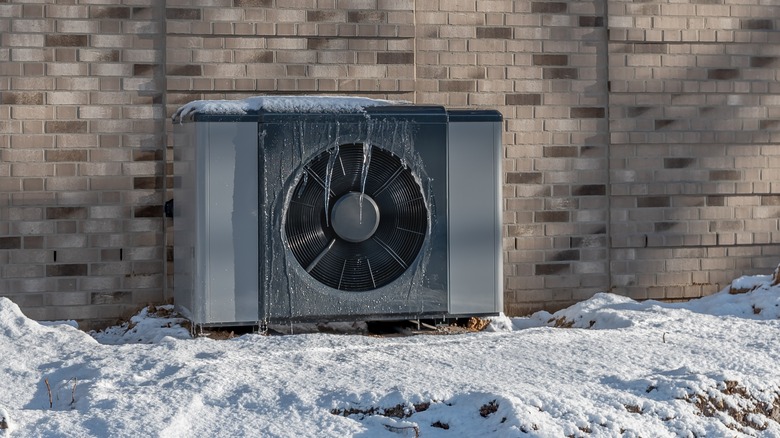
Although electric heat pumps have better energy efficiency and cost less to operate than natural gas furnaces, one of the biggest downsides of heat pumps is that they can be pricier to run in certain situations. If you live in an area where electric bills are relatively high or where natural gas is extremely cheap, the furnace might have lower operational costs, even considering the better energy efficiency ratings of heat pumps. Massachusetts, for example, is one state where electric costs are higher than average, but the state recently became the first to offer people who use electric heat pumps a winter electricity discount on their bills of 6 cents per kilowatt-hour.
If you live in an area where extremely low temperatures in winter are possible, the natural gas furnace may give you lower overall costs. Heat pumps are generally more efficient in mild to moderate climates, where the temperatures do not go below freezing. However, they can still work in extremely cold climates, but you may need to increase the amount of insulation in your home and add more weather stripping and other energy-saving features to help them run efficiently, which costs money.
It's also important to select the right type of heat pump, such as one that has a variable-speed compressor, which adjusts the speed at which the unit operates to match the outdoor temperature, enhancing its energy efficiency even in extremely low temperatures. Another helpful feature is vapor injection, which provides extra power to combat below-zero temperatures but negatively affects the unit's energy efficiency performance.