

8 Common Uses For Mothballs That You Should Be Avoiding (And What To Do Instead)
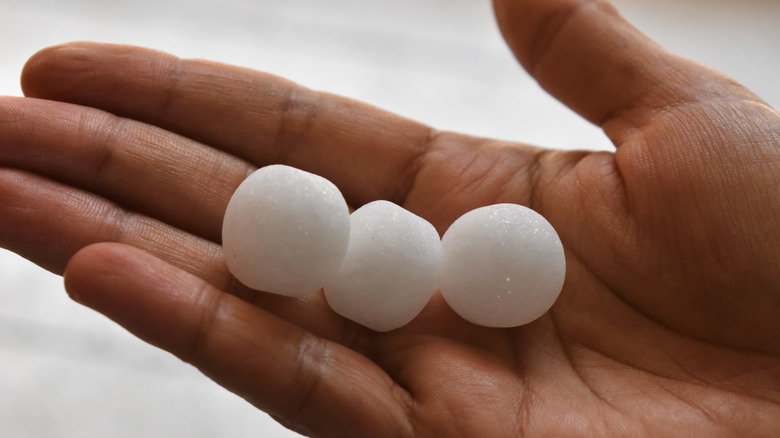
With so much clickbait around these days, it can be hard to know which health news is merely alarmist, and which should make you sit up and take notice. In the case of one traditional home pesticide, however, many believe you should stop using mothballs immediately. And they're not entirely wrong, as, at the very least, you should halt the practice of using mothballs for anything other than killing fabric-eating pests, per the package directions.
Mothballs, of course, don't always come in spherical form. They are also sold as flakes, bars, or tablets. But no matter the shape, these pesticide products contain either naphthalene or paradichlorobenzene. The pesticides are designed to slowly transform from solid to gas once they're opened. With the fumes mothballs emit, and the chance that animals or small children can mistake them as something edible, mothballs come with a myriad of warnings. In fact, it's illegal to use mothballs for anything but moth control. Read on to learn all the ways you shouldn't use mothballs, and to find some alternatives. From pest control to household issues, there are plenty of safer ways to attack common home problems.
Don't use put mothballs in closets or drawers for moth control
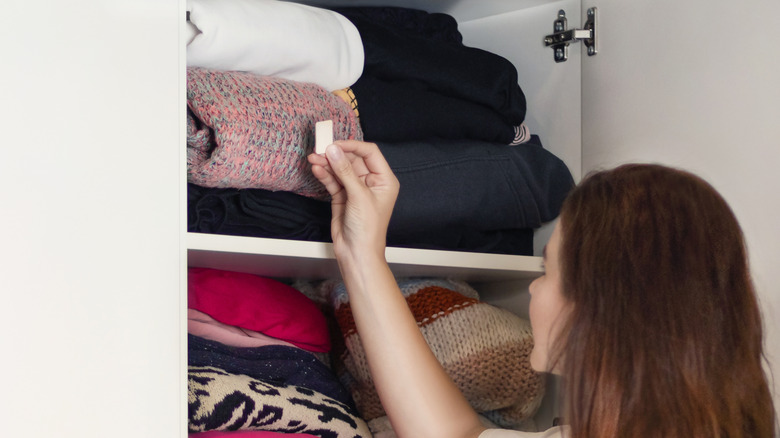
Perhaps the most common misconception about mothballs is that they can safely go anywhere that clothes are stored. But the truth is, you should never put mothballs in your closet. The pesticide is actually designed to be used only in tightly-sealed conditions. Never use them in closets, dresser drawers, garment bags, and especially not out in exposed areas. The gasses in mothballs are far too pervasive for these types of spaces. They can't contain the toxic fumes that mothballs emit.
Again, mothballs should only be used to protect clothes that have been put in tightly-sealed containers. Otherwise, gasses from the toxic mothballs can escape, potentially causing respiratory problems. They can also cause headaches and nausea, as well as longer-term issues. Ironically, while clothes storage spaces like closets are too large to safely contain the gasses emitted by mothballs, they're also too small for the gasses to dissipate easily. That means that every time you open a closet door or pull out a bureau drawer, you're potentially breathing in trapped gasses.
Do use mothballs only as directed, or find natural alternatives for moths
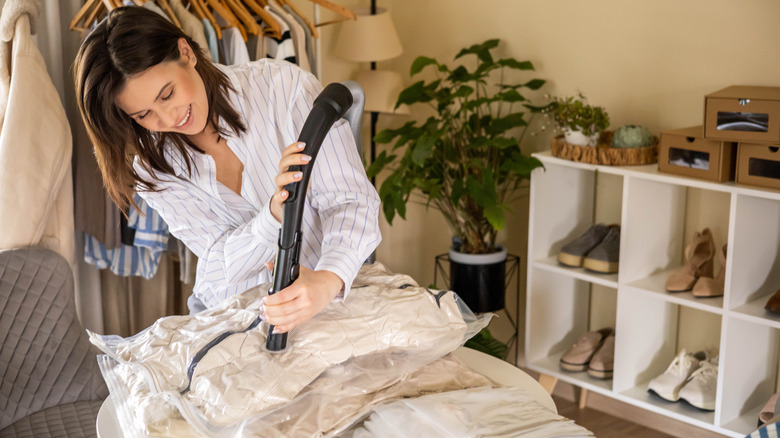
The gasses that mothballs emit will be more effective if they're contained in a tightly-enclosed, small space. In general, the safest and most effective way to use mothballs is to first put your affected clothes in a container or bag that can be tightly sealed. Add the number of mothballs your product label indicates, and store them for the amount of time recommended. After the treatment, wash the clothes and the containers thoroughly.
If you prefer not to use mothballs at all, but still suffer from fabric-eating pests, try some natural alternatives. For example, you can use lemons as mothball replacements in your closet, either in the form of a lemon juice and water spray, or by using dried lemon peels. The moths will be repelled by the scent of the chemical compound limonene. Other natural repellent options include cedar chips and sachets of dried herbs like lavender, sage, and mint. In addition, run off-season clothes through the dryer every month or so to destroy moth eggs.
Don't scatter mothballs in the attic for critter control
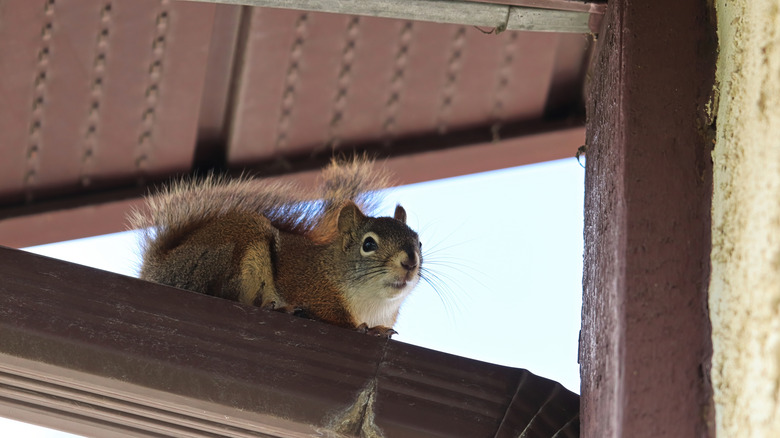
People plagued with bats, squirrels, or other unwelcome guests in their attics often get plenty of anecdotal advice. Mothballs may even come up as a potential repellent for these pests. But the reality is, repellents of any kind are rarely useful when it comes to animals that want to roost in your crawl space or attic. You'll usually need to take up physical methods in order to keep bats and squirrels away.
More importantly, attics are not far enough away from the rest of the house to dissipate the gasses emitted by mothballs. The dangerous fumes can drift down to the places where family members and pets eat, sleep, and dwell. And, while you may want the wildlife to clear out of your attic, you probably want to do it humanely. Mothballs can certainly harm the bats, squirrels, raccoons or other attic dwellers with whom you've been uneasily sharing the house.
Do step up your efforts to seal off attic access from wildlife

One of the best strategies for keeping pests like bats and squirrels from invading your attack is to employ exclusion methods. Work on sealing up entry points from the outside that animals can squeeze into. In addition, take a look around the exterior of your home to see if you need to trim branches to discourage squirrels from jumping from trees to your home. Ideally, tall fences and trees should be at least 8 feet away from your house.
It's important to do what you can to determine what exactly is frolicking up in your attic. That information will tell you the best time of year for patching broken screens, caulking window frames, and putting screens over vents. Otherwise, you run the risk of actually trapping animals in the house while they're in their nesting season. Ask your local extension service for the breeding and nesting times for the bats, squirrels, or other pests that are hanging out in your crawl space or attic areas.
Don't try to repel snakes with mothballs
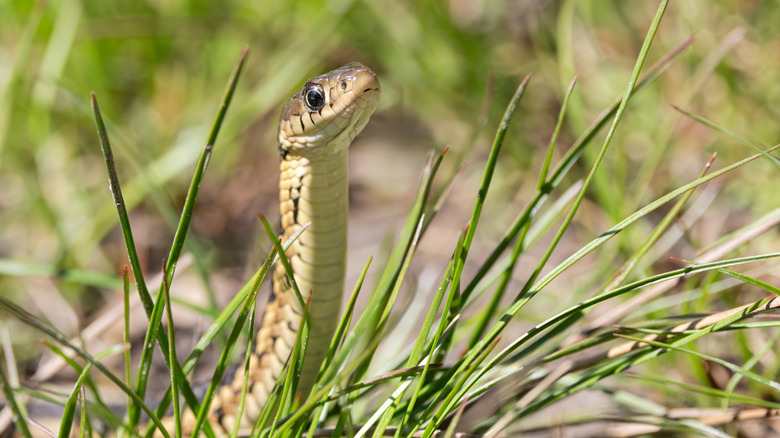
While snakes can be a gardener's best friend when it comes to controlling other pests, they do sometimes pose dangers to chickens or small pets. Venomous snakes, of course, are also a concern in some regions. But even with all of these valid reasons for snake control on your property, mothballs are not the way to cope with a snake infestation.
The first issue with using the home pesticide is that snakes simply won't be repelled by mothballs — naphthalene and paradichlorobenzene do not work against them. Moreover, their use could seriously hurt other wildlife species, such as beneficial insects and mammals. The list of vulnerable critters includes curious cats and dogs who might consider the round balls some sort of treat. It also takes into account burrowing animals that could be overcome by the fumes emitted by mothballs that were either dropped down suspected snake holes, or which were simply placed on the ground. Of course, poultry housed in enclosed sheds could be especially vulnerable to mothball fumes.
Do follow landscaping practices that discourage snakes

Fortunately, there are simple but effective ways to deter snakes from your yard without resorting to mothballs or other chemical repellents. A tightly-meshed, partially-buried fence might do the trick, shielding chicken coops or kids' play areas from snakes. For the yard in general, however, you might need to consider changing some of your landscaping routines. Essentially, you're trying to create fewer hiding places that will attract the slithery creatures.
For instance, keep the grass mowed shorter than you normally would, as snakes like to hide in tall grass. Deep mulch and large landscaping rocks also provide safe spaces for snakes, as do woodpiles and untrimmed shrubs, so keep those in check. Other anti-snake practices include watering the grass less often. Damp conditions attract creatures that snakes consider prey, including frogs and slugs. In addition, don't keep pet food and water bowls outside.
Don't drop mothballs in the trashcan in your quest to thwart raccoons
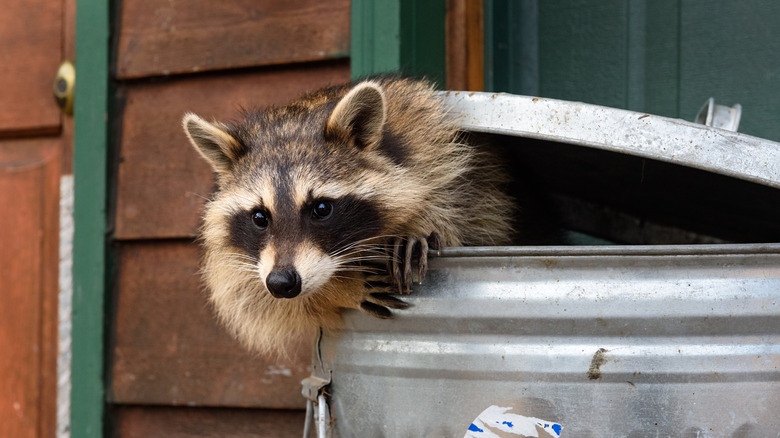
They're definitely called trash pandas for a reason! If there's one thing that can drive a homeowner to drink, it's the need to clean up a garbage-strewn yard after yet another nightly raid by a pack of raccoons. So it's no wonder that people sometimes go to the lengths of placing mothballs in the trash can to discourage marauders like raccoons. But this step can be dangerous to a variety of wildlife.
Raccoons tend to do their raiding at night. This practice makes it hard for residents to keep watch in order to prevent them from getting into garbage cans. But mothballs are a dangerous pesticide that can harm raccoons, as well as other wildlife that might come into contact with them. In addition, bringing the cans back into your home exposes your own family to the fumes.
Do make the garbage hard to get into for raccoons
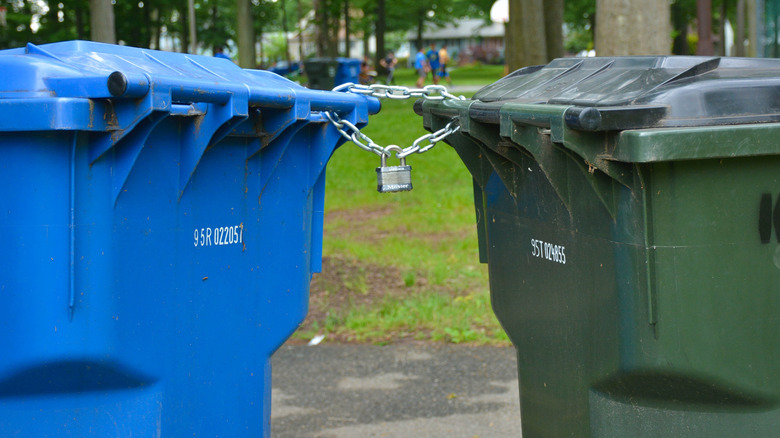
Instead of using harmful mothballs as raccoon repellents, focus your efforts on making trash cans and other outdoor temptations impossible for raccoons to get to. As when dealing with other outdoor pests, a great way to start is to tidy up places that raccoons might hide. These include straggly bushes, tall grasses, and non-secured outbuildings.
Raccoons tend to claim large areas as their turf. If you spot a problem that your town might need to fix, such as raccoon families found in nearby storm drains, notify the town. Let area residents know that feeding pets outside should be discouraged, as it invites wildlife, as should untidily-stacked wood or debris piles. Most importantly, work on securing all trash cans as tightly as possible. The cans themselves should be tied to a support structure like a post, or to each other, so that raccoons can't tip them over. It's also important to secure the bin tops. Use zip ties, bungee cords, chains, or heavy weights to discourage the "trash pandas."
Don't scatter mothballs in the mudroom or basement for mouse control
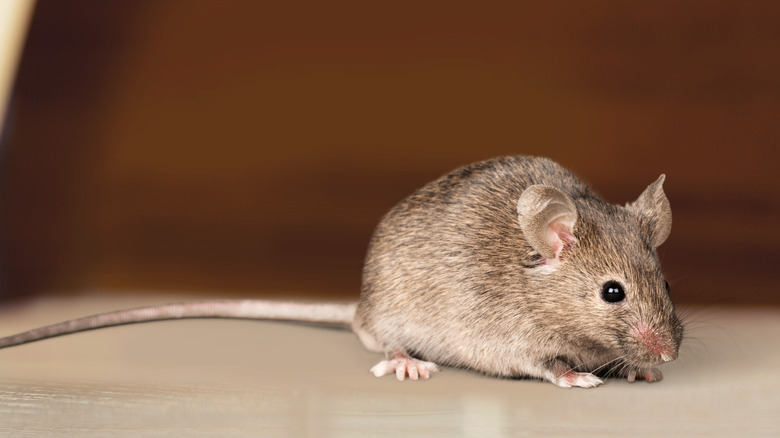
There's no shortage of home remedies you might hear about when it comes to repelling mice. And certainly, sharing your dwelling with mice or rats is no laughing matter. Rodent droppings can pose health risks, such as hantaviruses, as can their habit of getting into human and pet food. But mothballs are not only ineffective at solving your mouse problem, the would-be mouse deterrent could also land you in legal trouble.
In fact, using mothballs for anything other than the package's stated intent — dealing with literal moth pests under controlled conditions — is illegal. Good reasons exist for these regulations, as onerous as they might seem to homeowners who prefer to DIY their own solutions. Mothballs can present health hazards when used in open spaces such as entryways, basements, and garages. That's why their use is severely restricted. Turn to other methods of mouse control to safeguard your own and your family's health.
Do seal up entry points and clean out interiors to discourage mice
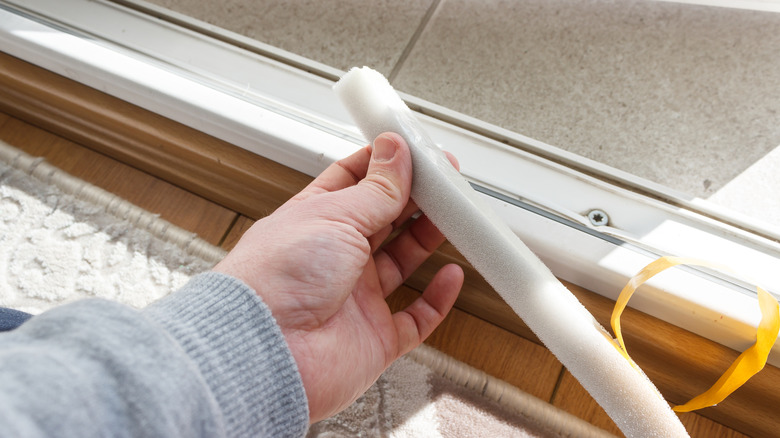
Rather than relying on toxic repellents to keep mice away, make it harder for the pests to get into the areas of your home that they find attractive. Along with sealing up entry points, work to clean out the areas that humans don't dwell in as often, such as basements and entrance rooms. Mice can squeeze themselves into any area that's a 1/4-inch or larger, making it easy to overlook their entry points.
For doors, install or replace weather stripping and door sweeps. Check if you have any gaps in your exterior siding or holes in the trim. Exhaust vents are another potential access point. These can be covered in screening or hardware cloth. In terms of the interior, make the mice feel as "observed" as possible. Keep lights on in the basement, mudroom, or other places you're spotting trouble. In addition, stack boxes and bins neatly, and remove the kind of clutter that mice love to hide inside. Remove crumbs or paper scraps that mice could potentially use to eat or make a nest with.
Don't put mothballs in your vehicle to thwart rodent damage
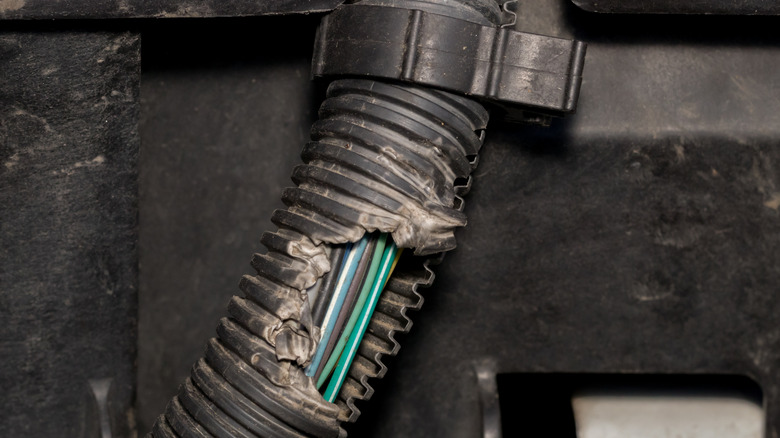
It's no secret that rodents can do real damage to the wiring in car engines. Rats and mice can build nests under the hood, in the trunk, and even within the car interior. All of this damage adds up to costly repair bills, and even potential health hazards to passengers exposed to mouse droppings. Some people are desperate enough to try the anecdotal advice of placing mothballs inside the vehicle. But don't fall for this age-old myth. The practice definitely does more harm than good.
As discussed, health experts regularly warn against putting mothballs anywhere but tightly-contained bins or boxes. That's because the pesticides in mothballs are well known for posing serious health risks. It's dangerous enough to try this practice in an attic that's well away from living areas. To use mothballs in the enclosed space of a vehicle, therefore, is potentially even riskier.
Do step up your car's security to keep mice and rats away
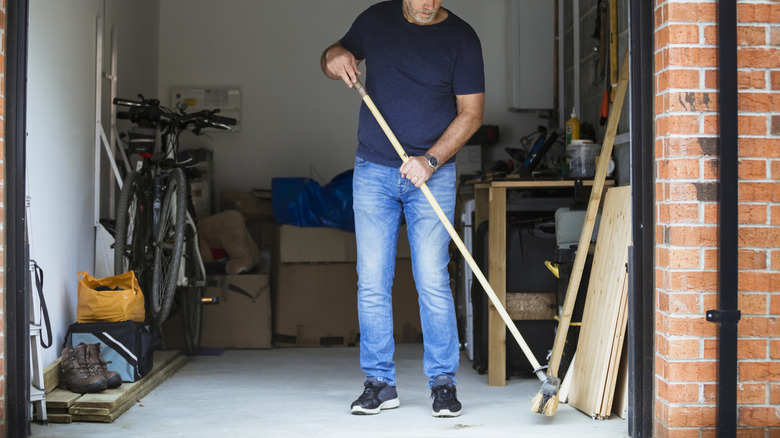
Many of the same truisms for keeping mice out of your home apply to discouraging them from setting up shop in your vehicle. Mice look for clutter to hide among and to make nests with. The rodents are also always on the lookout for scraps of food. These traits make it vital to regularly clean and vacuum your car's interior. It's also important to regularly check under the hood for evidence of chewed wires or nesting material.
Where the car "lives" is also important. If you've been meaning to clean out the garage so that you can finally park your vehicles inside, now's the time! Keep the garage tidy and well-swept. If you do have to park outside, pay special attention to landscaping tasks in the parking areas. A well-trimmed area can make mice feel less safe about venturing out into the open and toward your car. If these measures don't work, consider some kind of trap in the garage or near the outdoor parking area.
Don't leave mothballs in the the kitchen as roach control
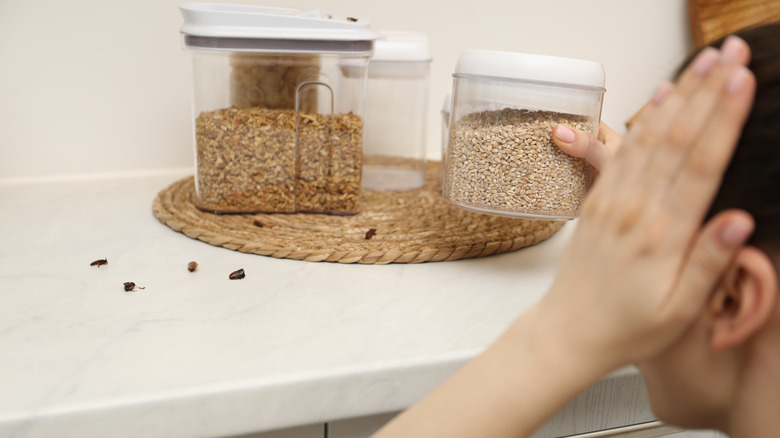
There's no doubt that a cockroach infestation in your home needs immediate attention. Along with contaminating food, roaches can cause "the willies" in people like few other pests. But the insects are also linked to serious allergens through their droppings, saliva, and bodies, and have been studied as a root cause of asthma in children. Given their small size and their ease in moving around, there's no doubt that roaches can be a genuine challenge to eradicate.
Yet, as with every pest except literal moths, roach infestations should not be treated with mothballs. The pesticides don't belong anywhere in the house other than tightly-sealed containers — and certainly not in common rooms like kitchens and bathrooms, where you'll most likely find cockroaches. Mothballs are simply too dangerous to have in close proximity to humans and pets, especially in places like a kitchen floor or bathroom counter, where kids and animals might mistake the round balls as something to eat. Instead, consult pest professionals or your local extension service for ways to control cockroaches without using mothballs.
Do focus on traps, sanitation, and other roach-prevention methods
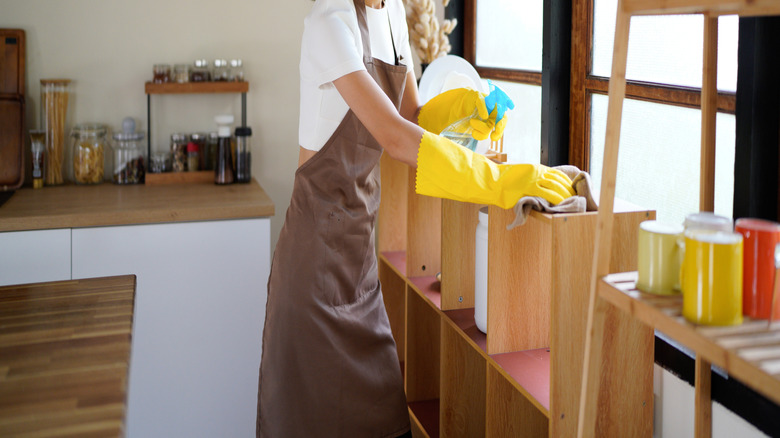
Cockroaches can be a tough infestation to beat. Professionals may need to be called. But whether you take DIY measures before calling the experts, or work in conjunction with their services, there's much you can do. With mothballs both an ineffective and dangerous solution to roach infestations, it's important to handle the problem swiftly. Start by better securing your indoor garbage, eliminating extra moisture, and improving food storage methods. In addition, you'll want to seal off outdoor access points.
Putting sticky traps around areas in which you see cockroaches can help you nail down which species it is. That, in turn, allows you to better research their habits. (Of course, you also reduce populations through traps, at least to some extent.) Your biggest efforts, however, should go toward removing as much available food as possible. Frequently wipe down counters and sinks, and vacuum out the corners of cupboards and pantries. Store food in airtight containers, and replace open-top kitchen garbage bins with tightly-closing models. If these measures don't work, turn toward replacing weatherstripping and seals around entrances. Track down any leaks that might be providing the moisture that some roach species crave. It's also important to sweep up the body parts and droppings that the roaches themselves leave behind, because these "leavings" tend to re-attract the pests.
Don't use mothballs as a deodorizer in smelly areas
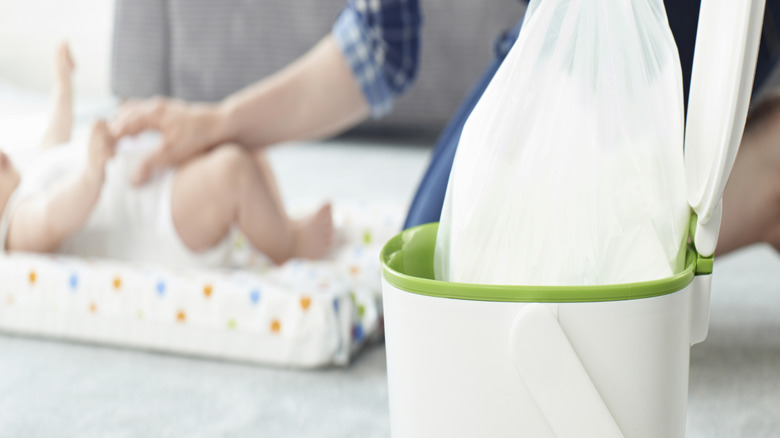
Of course, few people consider the smell of mothballs pleasant these days. Yet some people may still remember grandma's use of them as a way of overpowering other smells. If someone suggests you go "old school" by putting naphthalene balls or flakes in the diaper pail or behind the toilet — don't! The practice is a dangerous one, whether it's from the release of noxious gasses, or from the danger that crawling babies will put the mothballs in their mouths.
While it's true that some modern restroom deodorizers and mothballs share a key ingredient, paradichlorobenzene, that doesn't mean that mothballs are the solution in your own home. That's true whether the key ingredient is paradichlorobenzene or naphthalene. The practice of using mothballs for anything other than moth control still remains illegal and potentially harmful to your family's health. Because there are myriad ways to safely neutralize the less pleasant smells of bathrooms or nurseries, mothballs should never even be considered.
Do turn to natural scents as a way to freshen up your home

There are a variety of ways you can make foul-smelling areas smell more pleasant without going the toxic route. Rather than covering up bad odors with chemical ones, focus on neutralization first. In addition, turn to natural ingredients that add pleasant scents to the atmosphere, especially challenging ones like bathrooms and nurseries.
Perhaps the best-known of the natural deodorizers is baking soda. This inexpensive household staple neutralizes the pH of odors, rather than just masking them. That's what makes the ingredient helpful in ammonia-rich situations like diaper pails and toilet areas. Stick a box near the problem area, or dump loose powder in the bottom of the diaper pail or wastebasket. In addition, consider using natural products like dried citrus peels and potpourri in decorative bowls throughout the house. Alternatively, dab essential oils onto cotton balls, and place in corners or windowsills of smelly areas. (Of course, keep these items out of the reach of curious pests and small children.)