Neither Mulch Nor Landscape Fabric: How To Suppress Weeds With Cloth
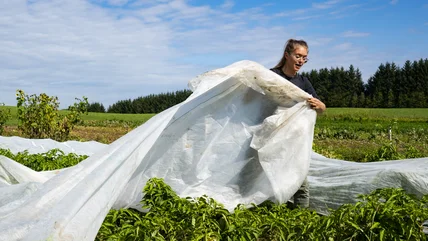
Use a large cloth like an old bedsheet or table covering as an alternative to traditional sheet mulch and landscaping fabric to limit weeds in your garden.
Read More


House Digest uses a knowledgeable team of editors, writers, and experts to create all our content. We dive deep into the always-evolving conversations surrounding design and home trends, striving to deliver the most current and helpful tips, strengthened by expert takes and tutorials from our talented team.
As we cover many fields of expertise, we make it a priority to ensure every beat remains fresh and comprehensive. Additional information on our editorial process available here.
Use a large cloth like an old bedsheet or table covering as an alternative to traditional sheet mulch and landscaping fabric to limit weeds in your garden.
Read MoreSucculents are sun-loving plants that prefer dry conditions and will rot if not protected from prolonged downpours. There are a few ways to tackle the problem.
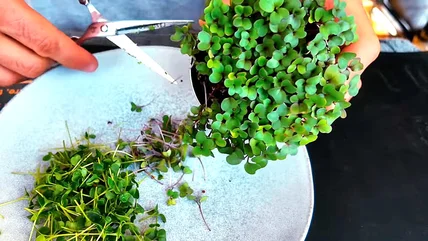
Read MoreThe key to this gardening DIY is the type of plants the gardener grows: microgreens. The seeds are no different but the method is a bit, as well as the harvest.
Read MoreIf you've purchased a potted hydrangea only to be disappointed that it didn't bloom again after the cold months, it's likely due to the type of hydrangea it is.
Read MoreTired of spending a fortune on organic mulch materials for your garden? If you grow this vegetable, you can harvest the leaves and make your own mulch for free.
Read MoreWeeds need sunlight to grow. There are various methods that can work for your garden to prevent the unwanted plants from receiving the needed light.
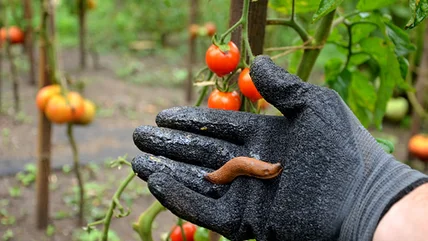
Read MoreSalt is one of the most popular household slug remedies of all — but too much salt can seriously harm your vegetables. Here’s what to try instead.
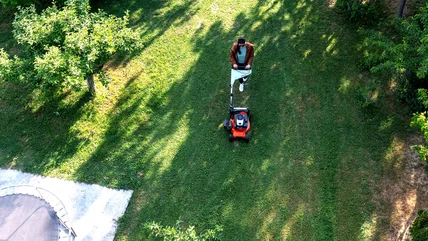
Read MoreThere are parts of a lawn a mower can't reach. When trimming these areas to help slow weed growth, you also need to be mindful not to cut away too much.
Read MoreExcess nitrogen in your garden soil can lead to poor harvests, fewer blooms, more pests, and other issues. This crop is like a natural nitrogen vacuum.
Read MoreThis cactus native to Central America can be grown as a houseplant. Its long stems are attention-grabbing and so is its blooms that die back by morning.
Read MoreVines on brick walls are about as classic cottagecore as it gets, and this particular variety is remarkably easy to grow and looks more unique than basic ivy.
Read MoreThis shade-loving plant with a name taken from court culture develops orange-red berries in the fall that birds enjoy. It blooms its flowers in April and May.
Read MoreThis shrub explodes with lovely-smelling white flowers in early spring, and it’s not picky about soil conditions — including the occasional drought.
Read MoreThe purpose of mulch? Among the reasons, holding on to moisture and suppressing weeds. Given this, you might consider growing this perennial as a living mulch.
Read MoreMums are a quintessential fall flower, and many types can thrive year after year — but only in the right conditions, with enough sunlight and the right soil.
Read MoreThough this plant (historically used as a remedy) blooms eye-catching flowers, it's not grown in many gardens today. Those flowers have earned various monikers.
Read MoreThis aromatic herb has a taste likened to anise. It can be used culinarily in much the same way as parsley, in soups, salads, and sauces. It also self-seeds.
Read MoreIf you're tired of the usual blue-flowering plants, try this quirky species that's beloved by bumblebees. Oh, and did we mention it's native to North America?
Read MoreMarigolds require lots of sunlight, but this similarly sunny-looking flower does just fine with a bit of shade and turns your garden into an autumnal paradise.
Read MoreWhen you grow this herb near fruit trees, let it flower so that it can attract pollinators, plus the beneficial insects that can provide natural pest control.
Read MoreThis yellow vine is a Florida native and known to attract a particular hummingbird with coppery feathers. The vine can be grown vertically or as ground cover.
Read MoreThis perennial gets two of its common names (one after a reptile) from the shape of its flowers. Its display of pink, white, or purple blooms lasts until fall.
Read MoreWhether you’re dealing with moths in your pantry or closet, they’re a nuisance you’ll want to get rid of. There are a few ways this kitchen ingredient can help.
Read MoreMaybe a swarm of flies has found its way into your kitchen, or they're buzzing around you nonstop on a hike. Either way, this repellent may be a solution.
Read MoreA shade tree can do more than block the hot sun; while its roots are important for many aspects of landscaping, they can also help control erosion.
Read MoreThree main species of zoysia grass are best-suited for turf. One species and its cultivars stand out if your primary concern is growing the grass in shade.
Read MoreIf you've got gravel garden beds you want to fill with beautiful flowers, try growing this hardy and drought-tolerant plant for colorful blooms.
Read More