

18 Things To Avoid Putting In Your Bird Feeder At All Costs
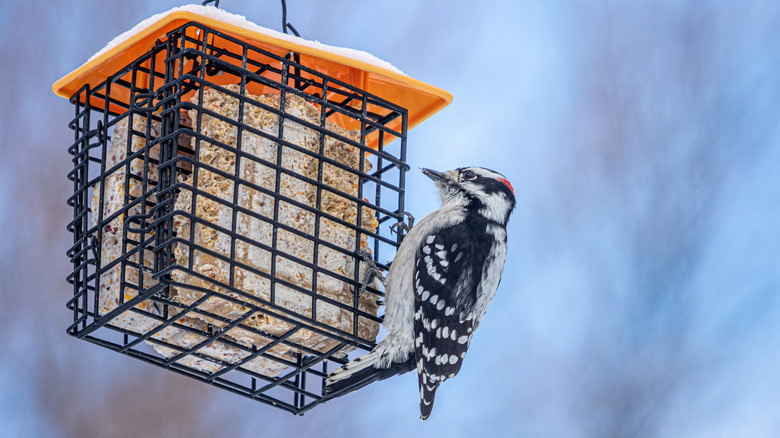
Few things can add life, beauty, and color to your garden the way a bird feeder can. Bird feeders bring the wonder of nature right to your backyard, giving you the opportunity to watch birds flutter by, chirping and singing as they eat. However, when your goal is to attract more birds to your garden and provide them a healthy food source, the last thing you want to do is cause more harm than good. And that means familiarizing yourself with what not to put in your bird feeder.
Not all foods are designed with your local feathered neighbors in mind. Some foods, like chocolate or avocado, are toxic to birds, with consumption causing major health problems. Others, like bread, aren't necessarily toxic, but they don't have the right nutrients to support a healthy bird population, leading to greater problems as they're too full to eat the food they need. As a result, if you plan on putting out a bird feeder, it's important to understand just what type of foods can be harmful for birds. By learning what to avoid, you can select healthier seed blends or food options with none of the excessive sugar or toxic ingredients that can cause problems for your backyard birds.
Raw meat
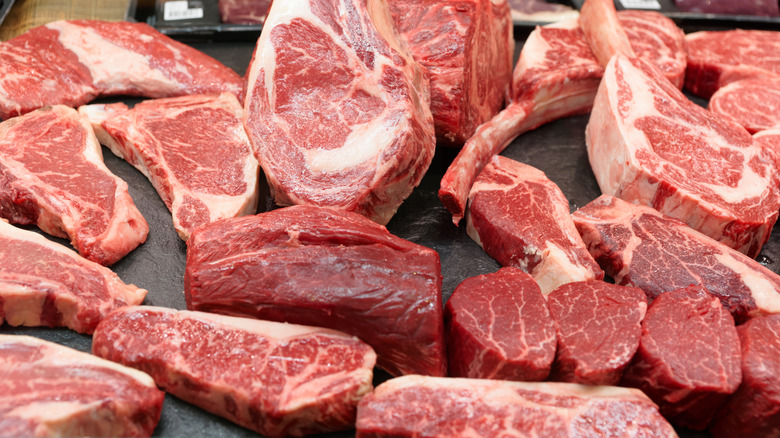
If you're looking to attract those large birds of prey like hawks or owls, leaving out raw meat may seem like the perfect tactic. However, what seems like a clever strategy at first can easily turn into a tragedy. As the meat sits outdoors, it begins to spoil, which can introduce a variety of health complications to your local feathered friends. The meat itself can also lead to parasitic infections, and birds that aren't carnivores but accidentally take a bite can undergo distress as their stomach isn't equipped to digest animal products.
Bread and other baked goods
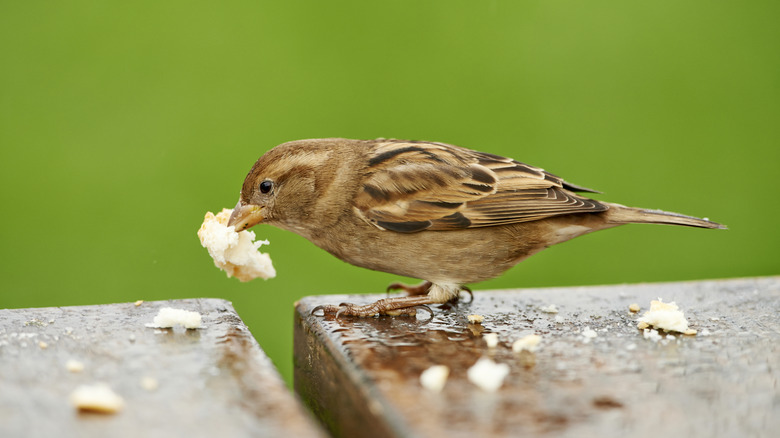
For many people, bread can seem like a staple for feeding wild birds. However, feeding birds bread is actually a common unsafe habit that might be hurting birds. When birds eat bread, they don't receive any nutritional benefits. However, with its volume, the bread still fills up their stomachs, keeping them full enough that they won't eat anything else. This can lead to a deadly lack of nutrition, as well as conditions such as angel wing syndrome in any visiting waterfowl. Bread can also mold quickly, leading to an increased risk of disease.
Honey
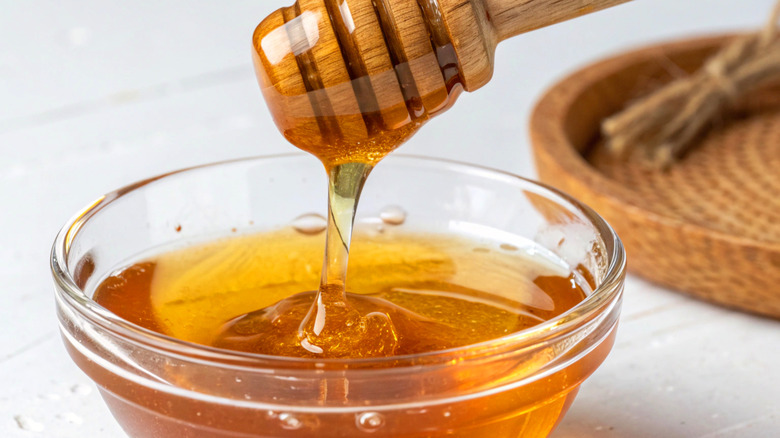
Have you ever heard that you shouldn't give raw honey to a child under the age of one due to botulism? Well, you also should not feed honey to birds. It ferments quickly and can quickly grow mold or bacteria. This may increase the risk of avian botulism. To make matters worse, honey is also quite sticky, which can make a mess of a bird's bill or feathers.
Old or spoiled birdseed
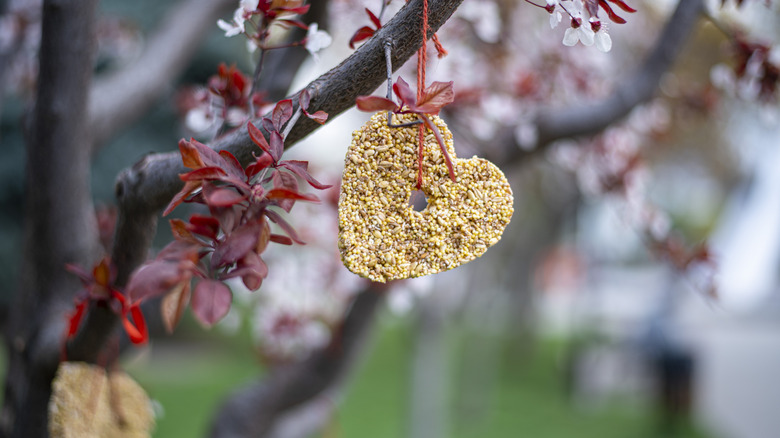
If you're worried about accidentally filling your feeder with food birds shouldn't eat, you may wish to stick with birdseed alone. However, not all birdseed is safe, either. If your birdfeed is expired, then it's often best to toss it and purchase a new container of seed instead. This is also true if your birdseed is showing signs of spoilage. Some of the signs that your birdseed has gone bad include mold growth or a foul odor. Insects may also flock to the spoiled birdseed.
Wet birdseed

On top of avoiding expired or spoiled birdseed, you may also want to avoid wet birdseed. Wet birdseed can create a breeding ground for harmful bacteria, and it can also spoil or degrade faster, which can lead to other problems. As a result, it's important to keep your birdseed dry, both while in storage and when in your bird feeder. If your bird feeder isn't protected from the elements, it may be necessary to dump and refill it after poor weather. Or, if you have enough notice, you may be able to bring your bird feeder inside beforehand.
Potato chips
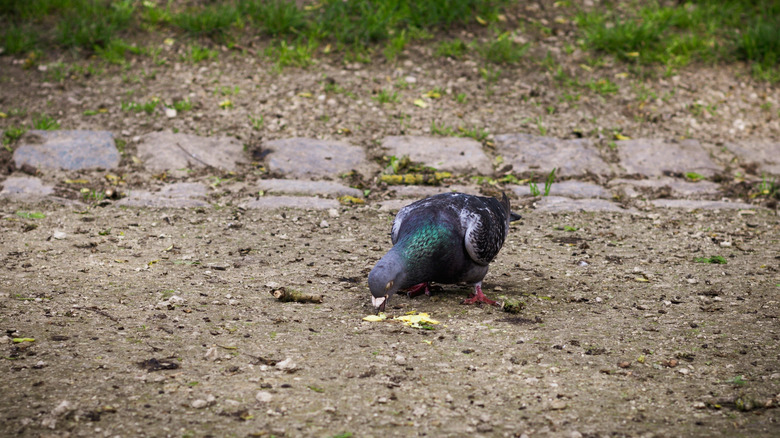
On the surface, potato chips likely aren't toxic for your backyard birds. However, they're not a good nutritional choice either. Potato chips can be high in salt. This might make them a tasty treat for you, but for a much smaller bird, that much salt can be harmful. Specifically, this can lead to problems with their kidneys. Instead, if you want to offer the local wildlife something with a crunch, search for more natural, bird-friendly solutions, like plain, unsalted baked vegetable slices.
Improperly stored whole peanuts
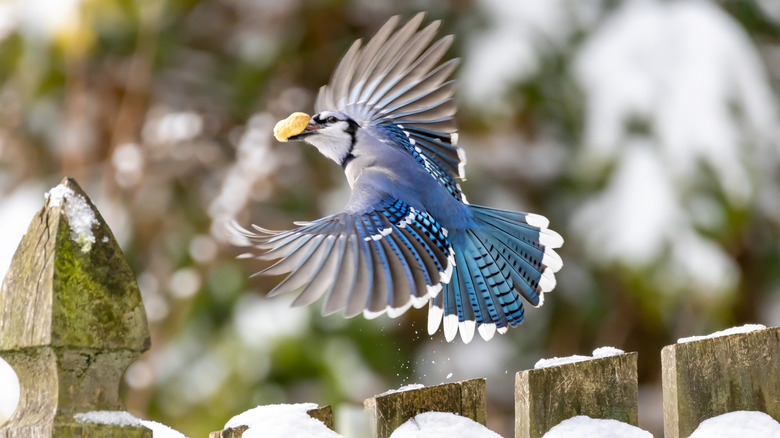
While shelled peanuts are less processed than most potato chips, they also are one item you may want to avoid putting in your bird feeder. However, it's for a different reason. Unsalted, whole peanuts can be a great snack for larger birds with the bill to handle cracking the shell. When they're improperly stored, however, they can develop mold, which you may not be able to see if it grows inside the peanut. As a result, it can be best to avoid putting improperly stored or low-quality whole peanuts in your bird feeder at all costs.
Pet food
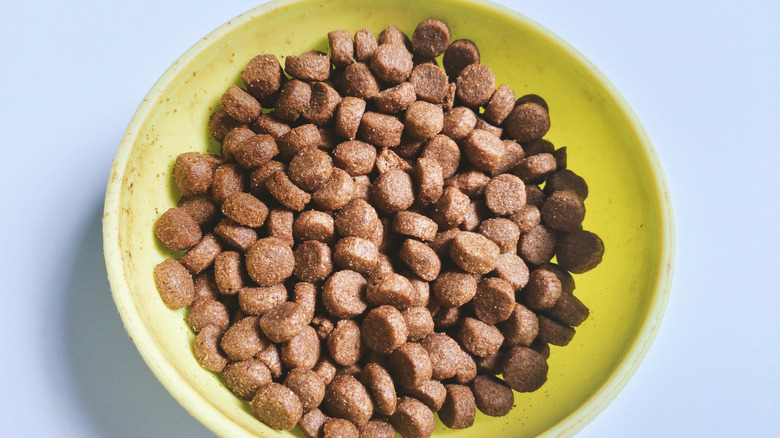
Sometimes, when it comes to interacting with your local birds while supporting wildlife safety, it's better to err on the side of caution. As a result, just like with whole peanuts, it's often best to avoid putting domestic pet food, such as that for dogs or cats, in your bird feeders. Pet kibble is designed specifically with the needs of your pet's species in mind. As a result, the nutrients and ingredients included in your pet's food may not be safe or beneficial for birds.
Mushrooms
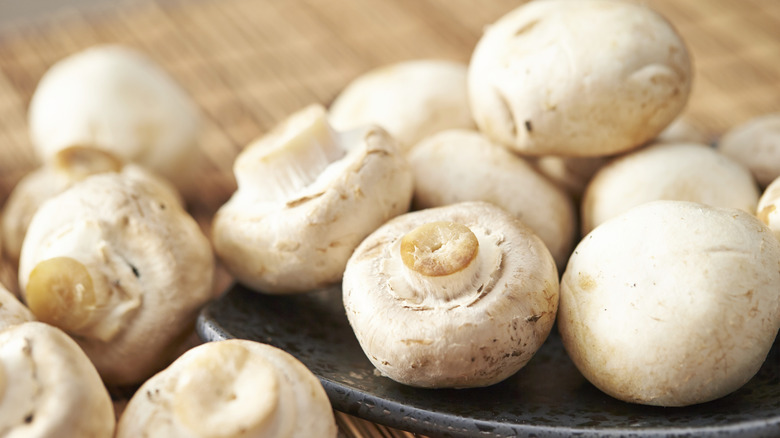
There are many common kitchen leftovers that are safe to feed to birds in your backyard. However, mushrooms aren't among them. Not all mushrooms are toxic to birds. However, depending on the species, they can be. As a result, rather than experimenting to see what types of mushrooms are safe for the birds in your area, it can often be best to leave these out when choosing bird feed options from your kitchen.
Garlic
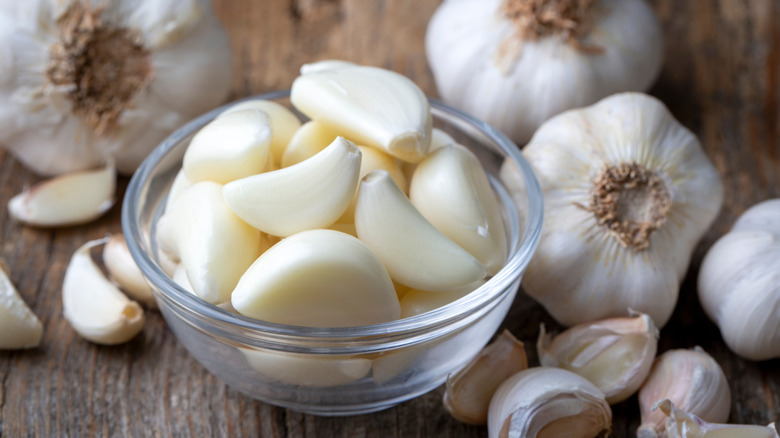
On the topic of toxic foods for birds, one common ingredient that does fall into this category is garlic. Garlic contains a type of sulfur compound known as allicin. Because of this, while garlic may be essential for adding flavor to your dishes, adding it to your bird feeder can cause various problems in your feathered friends, including anemia. Avoiding whole garlic cloves when it comes time to fill up your feeders can be an easy task, but it's also important to check the ingredients on anything you're feeding birds that isn't specifically marketed towards bird feeders.
Fruits with unremoved pits or seeds
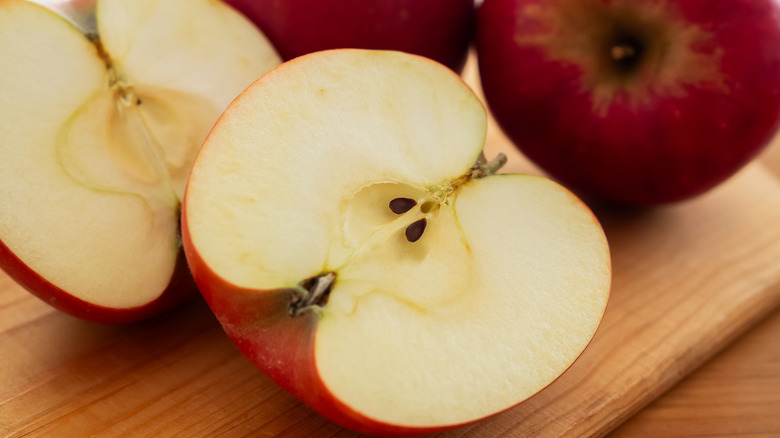
If you want to attract a more diverse variety of birds to your yard, adding fruit to your bird feeders can be the best way to lure in those species that don't eat seeds or insects. In fact, most fruit that is safe for you to eat is also safe for your backyard birds to eat. However, there is one caveat. While the fruit itself may be safe, pits or certain seeds aren't. To safely add fruit to your bird feeders, make sure to remove seeds and pits (especially those containing cyanide) first.
Chocolate
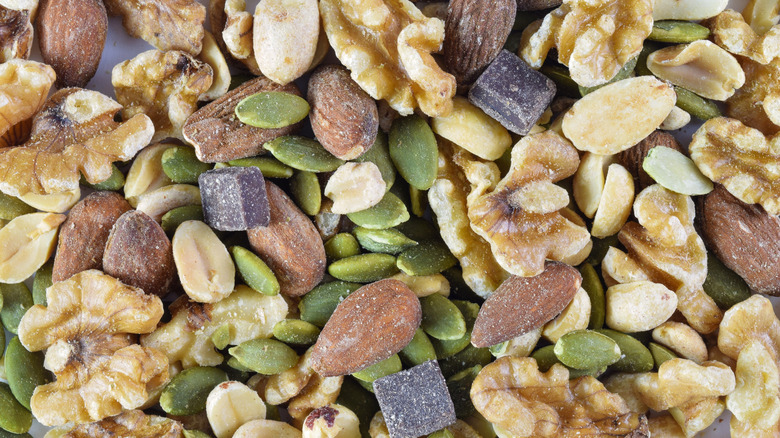
If there's only one thing to avoid putting in your bird feeder at all costs, then chocolate is at the top of the list. Unlike some of the other common ingredients on this list that are unhealthy or not recommended, chocolate is truly toxic to your backyard birds. Digesting chocolate requires specific stomach enzymes, and because birds lack these, ingesting chocolate can cause symptoms like vomiting or even death. As a result, it's important to skip on anything containing chocolate when choosing the best foods to fill your bird feeder with.
Uncooked beans
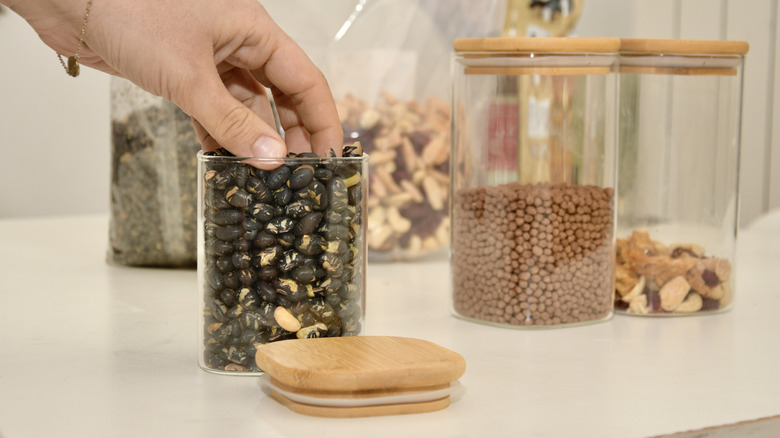
While discussing food with potentially toxic ingredients for birds, it's also essential to discuss uncooked or dry beans. At a glance, these may seem harmless for birds, especially since some common cooked legumes can be added to their feeder when crushed. However, beans that haven't been cooked can contain hemagglutinin, which isn't safe for your feathered friends. Aside from this characteristic, however, uncooked beans lack the softness of those that have been properly prepared, making these a potential choking hazard when added to your bird feeder.
Cheese or other dairy products
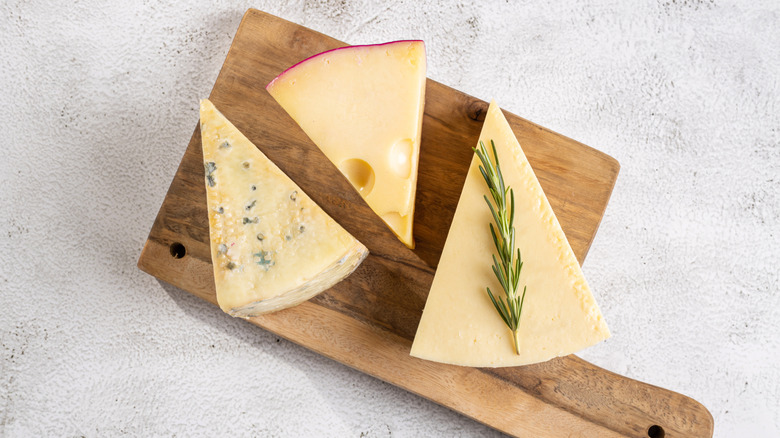
Unlike humans and other mammals, birds never have to consume dairy in their lives, not even as hatchlings. As a result, just like with chocolate, birds don't have the right enzymes in their digestive tract to handle dairy products that contain lactose. In some cases, the symptoms of ingesting dairy are minor, such as diarrhea or similar stomach issues. However, depending on the type of cheese ingested (specifically its amount of lactose) and how much is eaten by a bird, the consequences can be more dire, with dairy even potentially causing death in birds.
Coffee
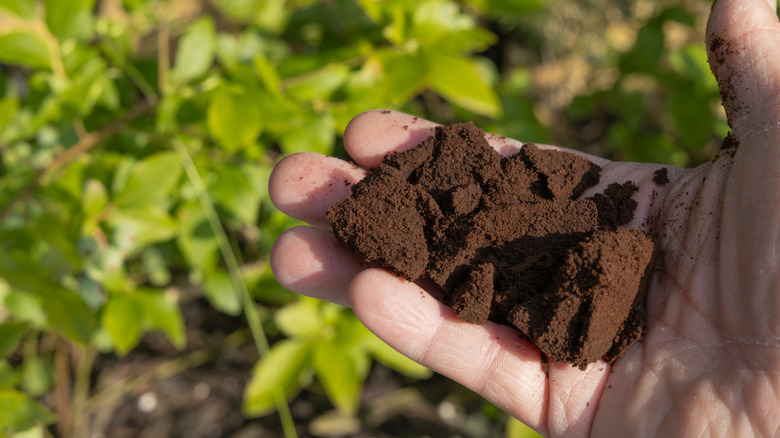
Another toxic kitchen scrap to skip out on when refilling your is coffee. This includes fresh coffee beans as well as any leftover coffee grounds. At first, this can seem like an eco-savvy solution to keep your backyard birds happy while also repurposing common kitchen waste. However, the caffeine inside of coffee can pose quite a problem for your feathered friends. In fact, caffeine toxicity can lead to life-threatening symptoms in birds, including cardiovascular problems. Because of this, it's best to find other ways to use coffee grounds in your yard.
Red dye
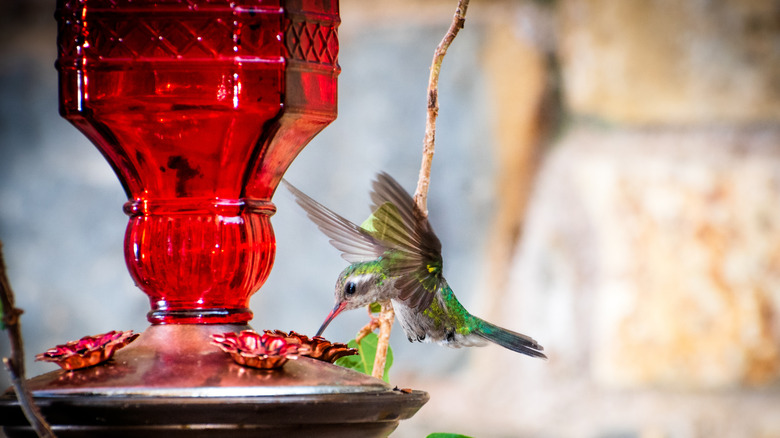
Not all bird feeders contain dry food alone. Instead, there are also a few common items to avoid adding to your hummingbird feeders as well. Honey is one example of this, but so is red dye. While red dye may seem like the perfect way to attract hummingbirds due to its eye-catching coloration, it's best to leave it out when making homemade nectar. This is because there is little research into how safe red dye is for hummingbirds. Instead, utilize surrounding flowers or even a bright red feeder to draw the attention of any hummingbirds passing by.
Onion
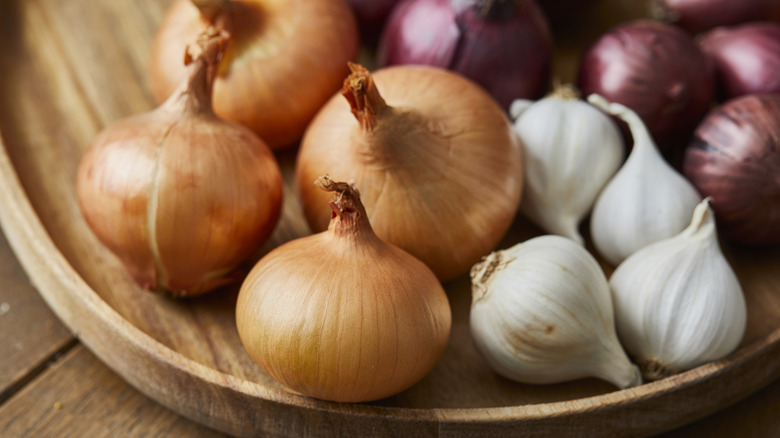
Just like with garlic, onion contains sulfur compounds that can put wild birds at risk if they were to ingest any. However, the side effects caused by a bird eating onions can vary from those caused by garlic. For example, while both can cause anemia in your backyard birds, onions can also lead to ulcers. This is because of how the onion irritates the bird's mucous membranes, such as their esophagus. Onions can also be toxic to other wildlife (or even stray pets) that may roam in your yard, so leaving these out of your feeder may be for the best.
Avocados
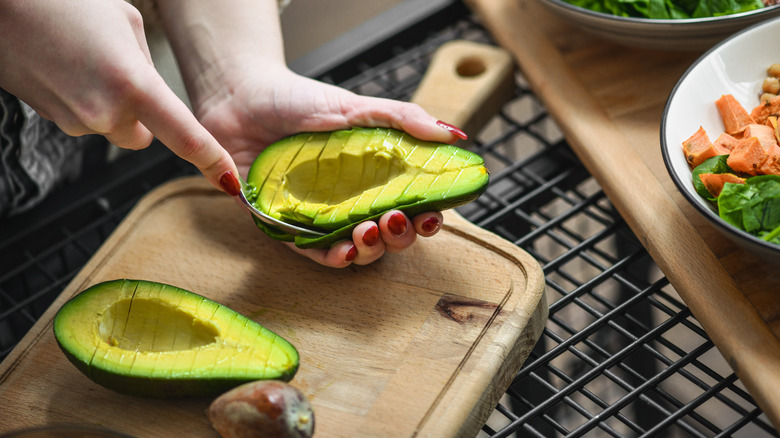
While this list isn't exhaustive, one of the last things you'll want to think twice about putting in your bird feeder is avocado. Like with mushrooms, some types of avocados may be safe for certain bird species. However, the last thing you want is to take a gamble and end up hurting your local wildlife by accident. As a result, avoid placing any part of an avocado, including the fruit or its leaves, in your feeders, as well as anything that may contain avocado.