

How To Give Your Living Room An Affordable Refresh Using Only Thrift Store Finds
We may receive a commission on purchases made from links.
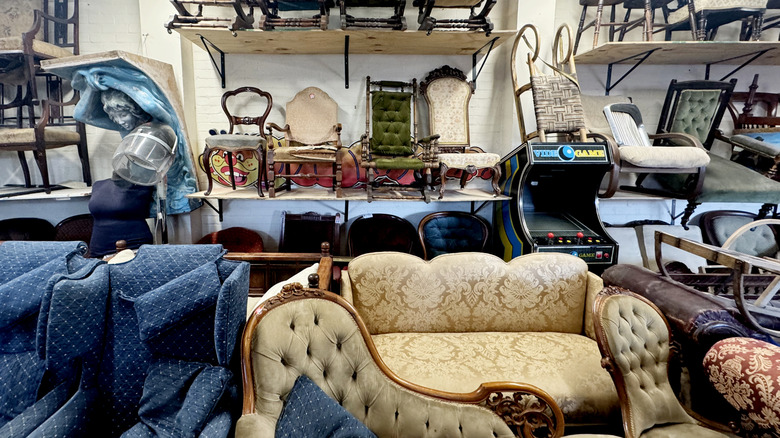
Your living room is the cozy space where everyone gathers. If your living room style has become outdated, you might be itching for a makeover. A complete living room remodel could cost between $2,500 and $15,000. But a complete renovation isn't always necessary. Sometimes, the space just needs a few updates — one of the most affordable options is to shop the thrift store for furniture, linens, and decor. Secondhand furnishings not only save money, but they also save other people's cast-offs from heading to the landfill while conserving resources. Plus, you'll likely score some unique options that are no longer available brand new, so you can curate an eclectic living room design that's truly yours.
Before you start thrifting a whole new living room, spend time deciding which areas need the most attention. Is your furniture worn, too large for the space, or not very functional? Maybe the basics are good, but the room lacks personality. Changing your living room with thrifted items is ideal for slow renovating — gradually adding new pieces and making changes rather than doing one big, quick remodel. In fact, you might need to take a slower, more patient approach (along with several trips to secondhand shops) to find the pieces that fit perfectly into your living room design.
Thrift a vintage sofa or chairs to add personality
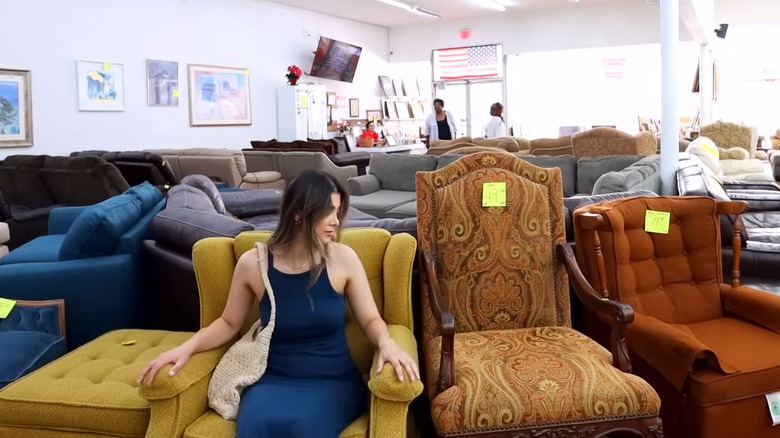
Thrifting a sofa or chairs is an affordable way to piece together a one-of-a-kind seating arrangement with personality to spare. In some cases, vintage pieces are made with superior materials and craftsmanship, meaning they'll have a lot of life left. Follow tips to avoid bringing home bed bugs in your next thrifting haul — that includes washing everything that's washable, vacuuming the crevices, steaming the upholstery if the material allows, and quarantining the piece for several days.
Some people look for pieces from a particular period or style, like mid-century modern or art deco. Others aim to mix vintage with new, creating a warm, personalized space with a sense of history and lived-in coziness. Go into the thrifting process with an idea of the pieces, styles, and sizes you want. But don't dismiss a piece just because it doesn't look perfect on the spot — refinishing and reupholstering can make a huge difference in how furniture looks. Small pieces, like chairs and ottomans, are usually the easiest to reupholster yourself.
Sew a slipcover for existing furniture from thrifted fabric (or thrift premade slipcovers)
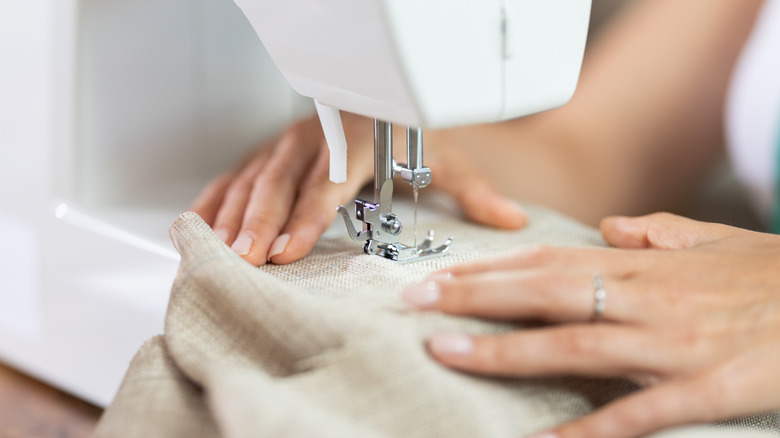
Love the bones of your furniture but not the upholstery? Slipcovers are an easy answer to the problem — they hide the unattractive upholstery and take the brunt of the wear, helping the furniture last longer. Slipcovered sofas are bigger than ever, but buying new slipcovers can be expensive. An affordable alternative is to find secondhand slipcovers or buy fabric from the thrift store that you can sew into a customized slipcover. If you want to make your slipcover, look for a large piece of upholstery fabric or other items you can use, like curtains or bedding.
Slipcovers can be an intimidating sewing project, especially if you're new to sewing. If you're unsure about making one from scratch, start with a small piece, like an ottoman or simple chair. Don't pass by a secondhand slipcover that looks a little worn or isn't quite the right color; you can have it dyed (or dye it yourself if you have a large enough tub) to cover up minor fading or stains.
Dress up your seating with thrifted throw pillows and blankets
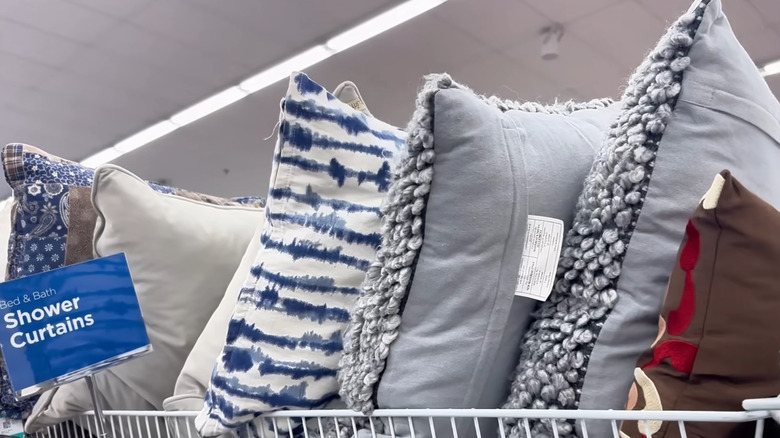
Simply adding throw pillows and blankets makes seating fresh and new with a mix of contrasting colors, patterns, and textures. The thrift store is an ideal spot to search for one-of-a-kind designs and cost-effective throw pillows and blankets. Because they're so inexpensive, you can buy multiples and swap them out or stock up on seasonal designs. Another option is to find interesting fabrics, whether it's an old corduroy shirt or a textured curtain panel, and sew a simple cover for the throw pillows you have.
Have a cohesive color scheme in mind — one that works with the artwork, rugs, or other decor already in the room. Mixing textures, prints, and fabrics helps create visual interest, but it's best not to choose too many busy prints that could compete with one another. If you're repurposing fabric items into covers, make sure the piece is large enough to cover a pillow. It's also important to wash fabrics and quarantine blankets or pillows that you can't wash to minimize the risk of bedbugs.
Add a coffee or end tables for more display space
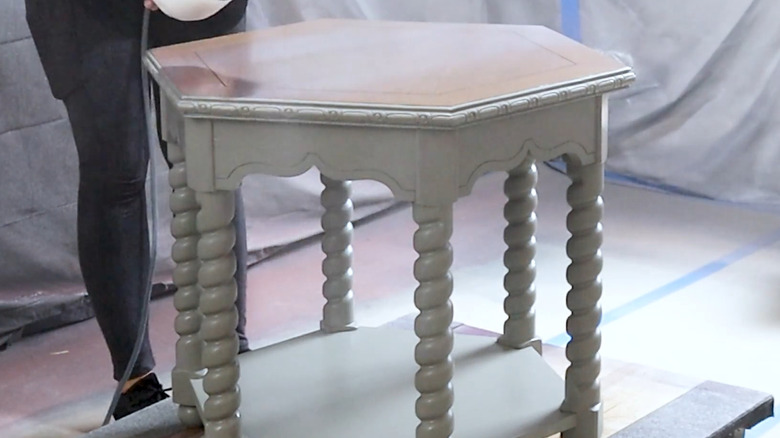
Side tables tie together your living room design, creating a sense of balance among larger seating pieces. A coffee table is an ideal spot to display decor. These living room tables are easy to pick up at the thrift store — they fit in your car, and refinishing one doesn't take long. They're also usually lower priced than larger furniture pieces, making them an easy and affordable way to spruce up your living room.
A table with a unique shape but some blemishes can be made over with paint or stain. If there are a few small scratches, try to fix them with Rejuvenate wood furniture and floor repair markers (or similar products). Before heading to the thrift store, decide where you want to place the table and measure — this helps in choosing the right living room end table size. Ideally, you want end tables to sit within arm's reach of a spot and be roughly the same height as the arm of the seating. For coffee tables, the ideal spacing between the table and nearby seating is 14 to 18 inches.
Thrift freestanding or wall shelves
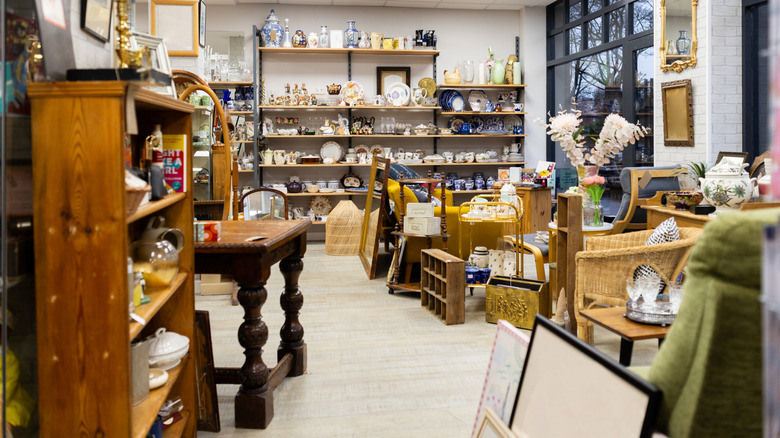
If your living room doesn't have built-in shelving, consider thrifting shelves to add personality. Shelves give you plenty of space to display decor pieces, like vases, sculptures, houseplants, and decorative books. Shelving also solves some of your storage issues. Add bins to keep items accessible but hidden from view. For smaller living rooms, wall-mounted shelves conserve floor space while taking advantage of vertical space. Freestanding shelves offer greater stability, often making them better for heavier displays.
Having an idea of how you want to use the shelves and where they'll go helps you spot matches at the thrift store. Take a tape measure along to make sure larger pieces, like freestanding bookshelves, will fit (both your home and your vehicle). You can update an older bookshelf with paint, wallpaper along the back, decorative trim along the edges, reconfigured shelves, or doors added to the front.
Reflect your style with a vintage wall mirror
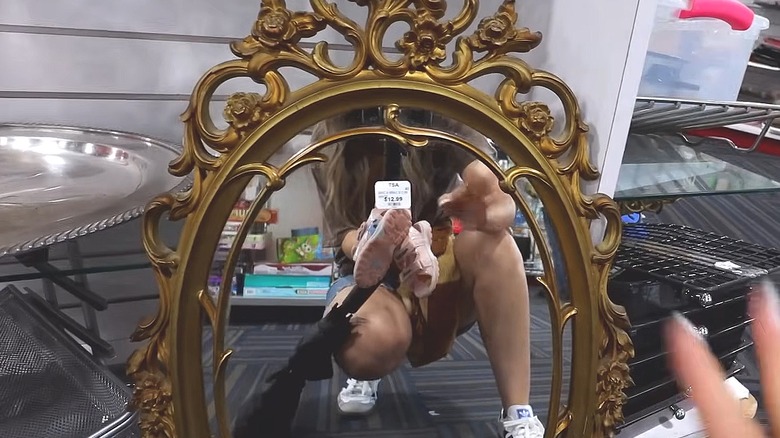
Keep your eye out at the thrift store for reflective surfaces — like wall mirrors and mirrored serving trays — as these reflective pieces brighten a dim living room and make a smaller space seem bigger. If you've ever shopped for a new mirror, you know how expensive they are. Decorative frames drive the price up even more. If you have the patience, thrifting a mirror could land you a truly unique frame with a much lower price tag. Mirrored trays are also a good thrift store find and are perfect on a coffee table or shelf.
A fresh coat of paint on a dark, dated frame can turn the mirror into a modern style. Or, turn a dresser mirror without the dresser into a wall mirror for your living room. If you find an ornate frame you love, install it around a basic mirror you already have. Common living room locations for mirrors are in gallery walls, above fireplaces, near architectural features, or across from windows to amplify the light.
Replace boring planters with upcycled containers (and check out artificial florals, too)
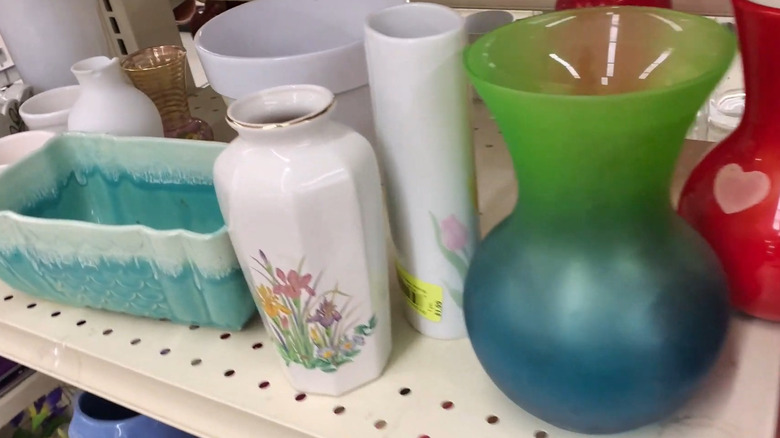
Houseplants are an easy living room upgrade that instantly elevates your home decor, but a boring planter keeps those plants from maximizing their full potential. Fortunately, thrift stores are often full of planters or containers that you can turn into planters – buckets, pots, drawers, glasses, and old toolboxes are just a few options. You'll find a variety of sizes, from a decorative ceramic bathroom trash can for a large plant to a whimsical floral teacup for a tiny succulent. Thrift stores might also have hanging pots and various hangers or hooks that work well if you want your trailing plants to drape down.
If you're growing live houseplants, consider drainage. Containers designed as planters often have drainage incorporated into them, but repurposed items likely won't have holes. You can drill holes through many objects to create drainage. Another option is putting the plant in a basic planter with drainage and sliding that inside the larger decorative container.
Collect books to stack or to create hidden storage
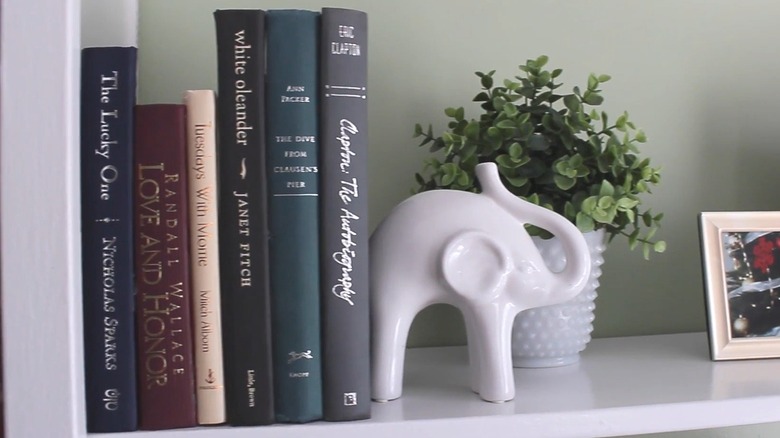
The book section at thrift stores can be massive and chaotic; you could spend hours sifting through the tomes trying to find something of interest. But for this thrifting idea, it's about the aesthetics of the books — you're literally judging the books by their covers. That's because you'll use them to decorate your home, either by stacking them strategically in display areas or turning them into something else.
One example of a DIY is making hidden storage for a bookshelf. Start with a wooden or cardboard box that's smaller than the books, and glue the spines of books along the front. On each end, you'll attach the cover of the book. From the front and sides, it looks like a collection of books, but behind, you can store small items. Another option is to turn an old book into a planter for a small succulent. Glue the edges of the pages together before cutting a rectangle out of the middle of the pages with the book open. That hole is the perfect spot to plant your succulent.
Add colorful seating with an ottoman or stool
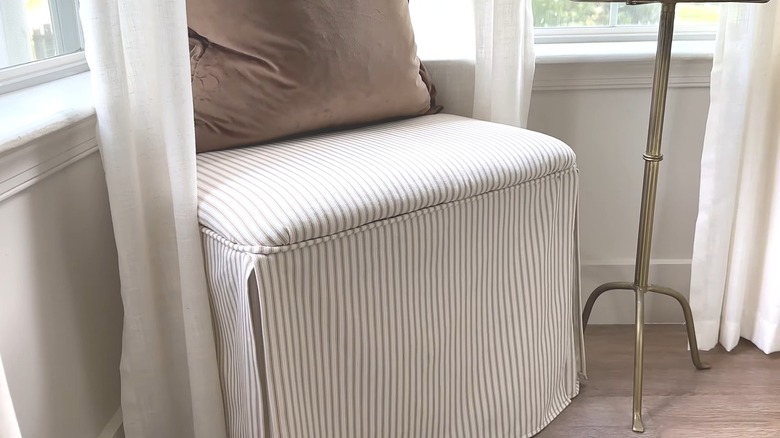
Extra seating is always helpful, which is why you should thrift an ottoman or stool. While many new furniture sets include matching ottomans, choosing a contrasting ottoman from the thrift store creates more interest and emboldens your design. You can tuck them into corners or put them next to seating, so they can double as footrests. An ottoman or stool can double as a coffee or side table. Storage ottomans maximize space in a small living room with a spot for extra blankets, toys, and other objects.
Look for a sturdy frame and a shape that fits your decor style. It doesn't have to match your sofa, but it should work with the general style and scale of existing seating. Don't worry if the upholstery doesn't fit your room; you can update any old ottoman with a DIY slipcover. Reupholstering an ottoman is relatively easy, especially compared to reupholstering a larger piece, like a sofa.
Swap out plain frames for decorative vintage designs
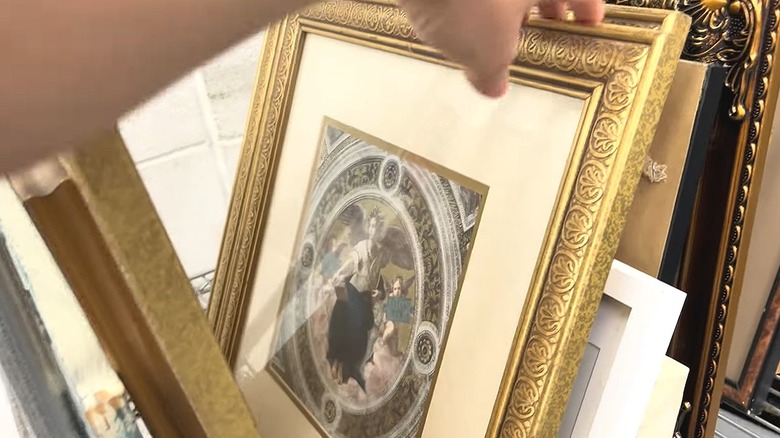
Whether you display photos or artwork, having the perfect frames is a big part of the design. Luckily, thrift stores are often overflowing with frames, although some already have artwork in them, and those prints might not be your taste. What you want to focus on is the frame itself. You might get lucky and find a fully framed piece of artwork you love. But if not, buy it for the frame, and recycle or donate the rest.
The shape and detailing of the frame are important considerations. A coat of paint or an aging technique can update a frame that's not the right color. It's also helpful to notice the quality. Heavier frames are often more durable and less likely to be made of cheap plastic. Don't dismiss a frame you love just because you don't have artwork to display in it. Add a piece of fabric, wallpaper, or wrapping paper inside the frame for instant art.
Snag baskets for decorative storage
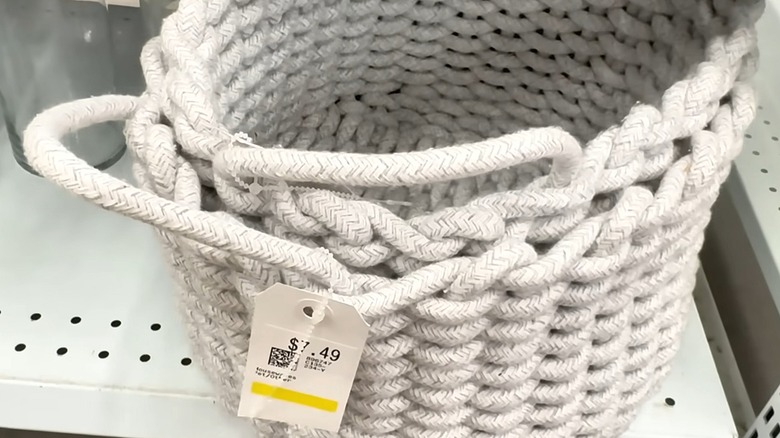
One of the easiest DIY living room storage ideas is to grab decorative baskets and use them in creative ways to hold items like remotes, toys, and magazines. And baskets are another item that thrift stores often have in abundance. You might not be able to find a matching set of baskets, but you'll be able to find a range of sizes that you can tuck throughout your living room to keep clutter under control.
Large baskets are ideal for sitting on the floor to hold extra blankets or pillows. Square bin-style baskets slip easily onto living room shelves, and uniquely shaped baskets can go in random spots, like on an end table or next to your fireplace, as focal points. Once you choose your baskets, use a soft brush or a can of compressed air to get rid of debris. Many baskets can also be washed gently with mild dish soap, but make sure they dry fully to avoid mold growth.
Reuse an antique trunk for blanket storage
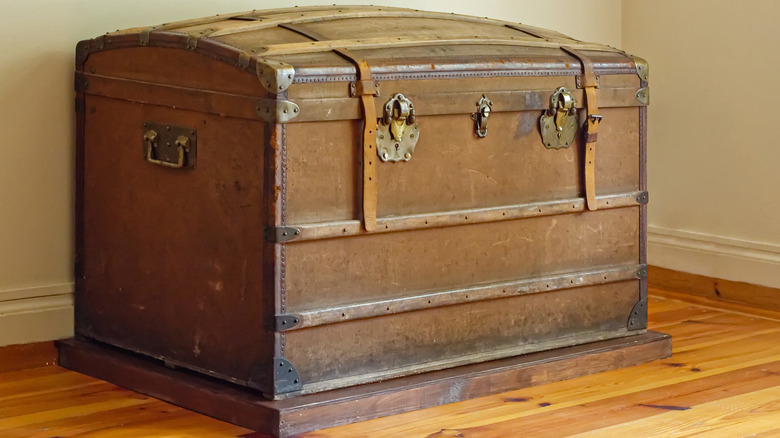
Vintage steamer trunks are often on the larger side and can be a little awkward to carry, but they're full of character, with naturally aged wood, metal latches, and even leather straps. So if you see one at a thrift store or estate sale, don't pass it by. There are many different ways to decorate with trunks, including using them as coffee tables, ottomans, and blanket storage. However, this may not be the best thrift find if you have younger children – the lids can slam shut suddenly, potentially resulting in a serious injury or trapping a child inside.
In homes with older kids and adults, we love it for storing extra throw blankets because of the spacious compartment inside, or use it for bedding if your living room doubles as guest sleeping quarters. But it works just as well for storing other items, like board games, books, craft supplies, or video game accessories. A trunk with a flat top can also double as seating in the living room.
Cover floor blemishes with a thrifted area rug

If you don't love your living room flooring, rolling out an area rug (especially a thrifted floor covering) is a much more affordable option than installing new flooring. Of course, a rug adds color and patterning to the floor to give it more interest, but the textile offers other benefits, like improving the acoustics and making the floor feel softer. But new rugs are expensive: For a good-quality rug, the pricing often hits $1,000 or more (sometimes much, much more). Buying a used rug can save you significantly.
Because they're made of fibers, secondhand rugs can hold onto smells from their previous home. Moths can also be a problem, particularly in wool and silk rugs. That's why it's important to inspect the entire rug, including a sniff test. Sizing is also important. Decide if you want all of the furniture legs on the rug or just the front legs. Then, measure the space to choose a rug that's large enough for your furniture arrangement.
Brighten the room with thrifted lamps
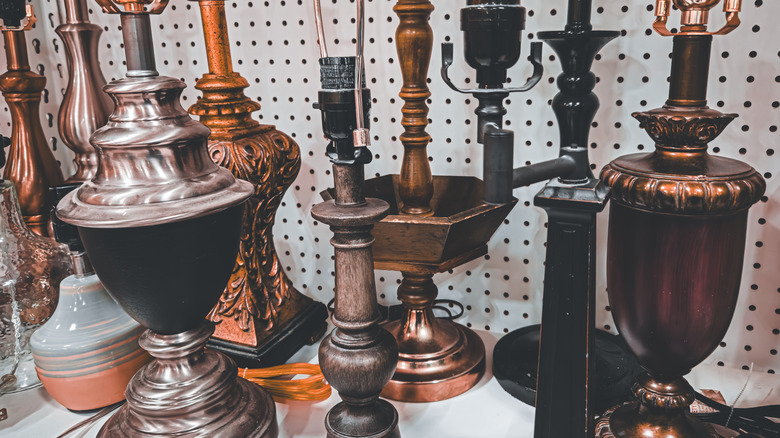
Lamps cast a warm mood over the living room while offering functional lighting for tasks like reading or knitting. But the new selection can be boring, which is why many people turn to thrift store lamps. You can find a variety of lamp bases and shades, including some with specific styling, like mid-century modern lines. The base shape and construction are key deciders. You can always replace a lampshade to find a better match for a base you love. A coat of spray paint can also update a lamp with good bones that needs a new finish.
When choosing lamps, consider the scale of the other pieces in your living room to make sure it's a good fit. Floor lamps can also work in living rooms, especially if you have a reading corner or conversation nook. Test lamps in the store if possible to see if they work. If you can't tell if a vintage lamp is safe, you may consider rewiring, even if it still works, because the wiring can be outdated and dangerous.
Display taper candles on a mantle or shelf in brass candleholders
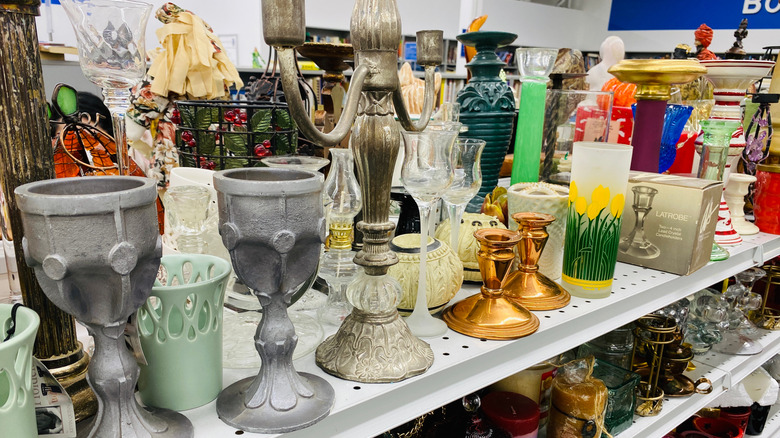
Antique-looking brass is a popular finish for all types of items, but one of the easiest ways to thrift the brass look is with candleholders. You'll get a warm, cozy, inviting feel with vintage candleholders in aged finishes. If brass isn't your thing, you can find a wide range of other candleholder materials and styles. Candlestick holders for taper candles are popular in all materials, but you can also find holders for votives and larger candles.
Candlestick holders grouped in threes add height to your mantel display, but you can place the thrifted pieces throughout your living room on shelves and end tables. If you don't want the risk of real flames and melted wax, fill the holders with flameless candles. Candleholders don't have to be used for candles, either. For a simple project, grab a tall, sturdy candleholder and hot glue a small basket on top for an elevated storage basket.
Thrift a collection of assorted vases for a shelf or table
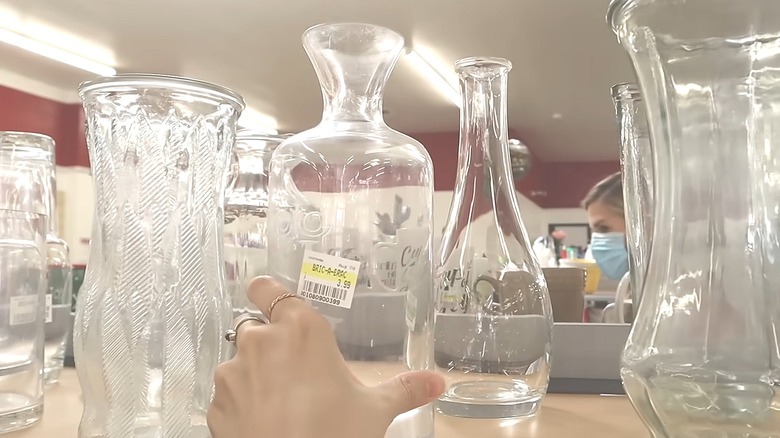
Is it possible to have too many vases? We don't think so. Uniquely shaped vases and similar containers create stunning decor pieces, even without anything in them. Of course, you can thrift artificial flowers or dried grasses to go into the vases for long-lasting displays. Look for shorter vases in unique shapes for your mantels, shelves, and tables in the living room. Taller floor vases are also ideal for corners or near a fireplace.
If all you find are boring glass vases, give them the look of pottery by adding some baking soda to paint and brushing on a few layers. When styling your thrifted vases, keep the rule of three in mind – it's the idea that groups of three items are visually satisfying. That doesn't mean you need three matching vases. In fact, your display will be more interesting if each vessel is a different height and shape.