

When Should You Remove Your Old Tree Stump? Jury's Out, But Here's Our Two Cents
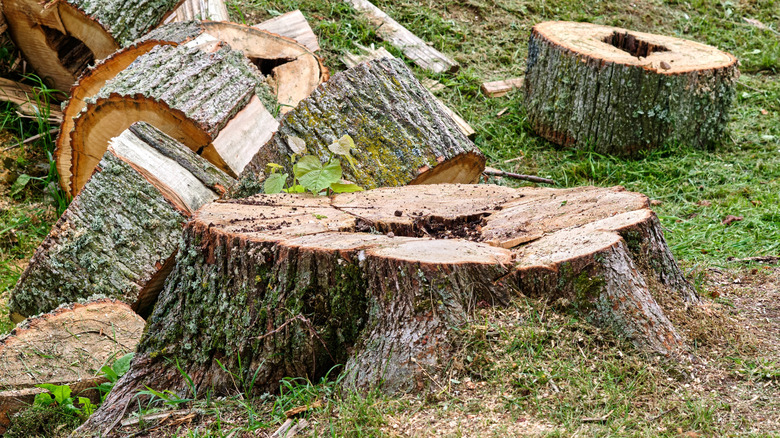
After cutting down a tree on your property, you have to decide whether removing the stump is the right choice and when you should remove it. Deciding to take it out is usually the easy choice, as it eliminates a trip hazard, improves the appearance of the landscaping, and helps with pest control. Leaving it in place cold eventually result in wood rot and may allow fungi that infect the dead wood to spread to nearby live trees.
Although the factors to consider before removing a tree stump may be straightforward, choosing the best possible time to do the job isn't quite as easy. Removing it immediately after cutting down the tree is the choice for many people. However, others may want to wait for more convenient circumstances. For example, it's far easier to grind or use an ax on a stump that consists of old wood from a dead tree, as this wood may already be decaying. A stump that contains "green" wood after felling a live tree has firmer, harder wood that's more difficult to chop or grind (although not impossible). Green wood in a stump can take a year or longer to dry to make it easier to remove with an axe.
Additionally, if you plan to pour concrete to create a slab or foundation in the same area as your tree stump, you might elect to remove the stump at the same time your dig out the foundation, while you have the hired equipment on hand.
Why immediate stump removal is a popular choice
If you pay a tree removal company, many professionals can also remove the stump in the same trip. They might offer a discount when you have them perform both services at once, which may save you a little money compared to having them return later to tackle the stump. Understand that most companies do not give you a single price estimate for tree and stump removal together unless you ask for one; removing the stump is generally considered an extra service with an additional cost.
Removing the tree stump immediately can prevent a trip hazard and reclaim the space. Leaving the stump in place during the growing season may give it time to attempt to re-sprout, which requires additional maintenance on your part. Grinding the wood and several inches of the main roots underneath eliminates the chance of sprouting.
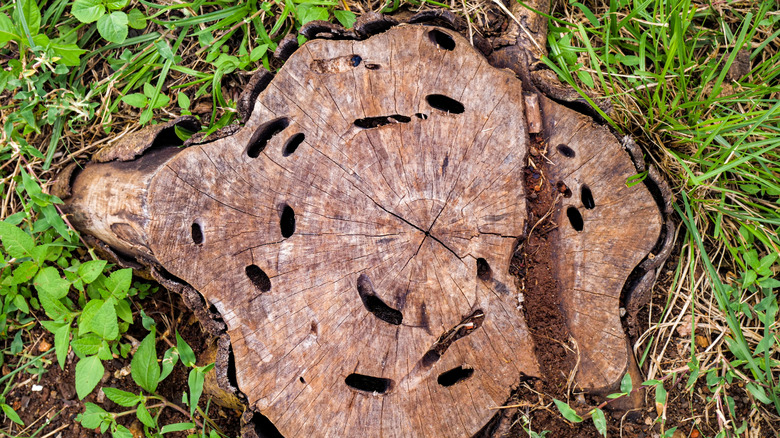
If you live in an area where wood-boring insects are active most of the year, leaving a stump in place gives them a chance to build a nest and establish a foothold on your property. Pests like carpenter ants and wood-boring beetles may spread from the wood in the stump to your healthy trees, causing expensive treatment for damage and extermination. A colony of termites might invade the stump before migrating to your house, causing structural damage.
Removing a stump can be easier if you wait for certain seasons
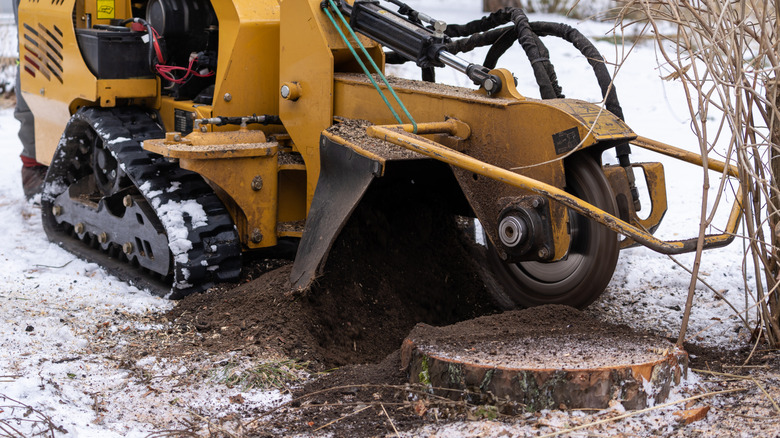
Sometimes, removing an old stump is easier if you wait until a particular time of the year. Some people choose to cut out stumps in winter because frozen ground makes it easier to move in the large grinding machine without damaging lawn turf or landscaping. If you're removing a tree stump that has a lot of sap, such as a pine tree, you'll have less sap in the wood during winter. This is preferred because sticky sap can affect grinding machine performance. Additionally, you might receive a discount on stump grinding during the winter because many tree-care professionals aren't as busy with other work.
When removing a stump during the spring and summer, think about how you want to go about it. If you want to dig or pull a smaller stump out of the ground instead of grinding it with a machine, the softer spring soil simplifies the process. But if you want to use a grinding machine, selecting a period with drier summer weather is a popular choice, as the equipment won't get stuck in muddy soil.
If your locality allows stump burning for removal, you may want to take this step. Try to pick a time of the year when the soil is moist, which helps prevent the fire from spreading. Soil moisture levels vary because of location, season, and soil type, so the best time of year to burn a stump in the northeast may differ from the northwest. You might need anywhere from a few hours to several days to burn the stump, which increases the risk of fire spreading.