

Heat Pump Vs Furnace: Which Is The Best Option For Keeping Your Home Warm
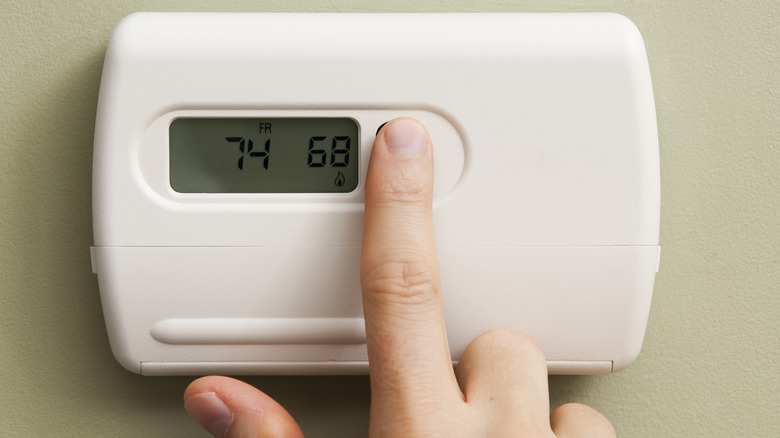
Prepping your home for cold weather may involve things like caulking air gaps around windows and performing maintenance on your heating system. If your home heating system is showing signs that it might be the end of its lifespan, though, such as making odd noises and creating uneven patterns of warmth, it might be time to start shopping around for a new one.
When you want to keep your home feeling as warm as possible, should you install a traditional furnace or a heat pump? There are benefits and downsides of heat pumps and furnaces, but when it comes to maximum, toasty warmth, the furnace is usually the better choice because it creates heat by burning natural gas or oil or by using electricity. A heat pump works by pulling heat from one location and using it to warm another. The furnace creates hot air that is forced through your ductwork, which generates more of a feeling of warmth than the less powerful airflow coming from the heat pump.
However, depending on where you live, you might not need the maximum heat generation that a furnace can provide. Someone who lives in a location with mild winter weather, such as Texas or the southeastern United States, might prefer the less aggressive warmth generation found with the heat pump.
How furnaces generate warm air and what it feels like
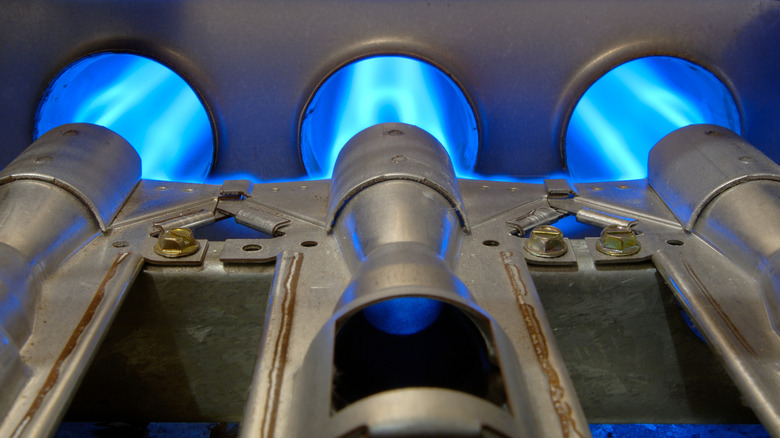
According to the U.S. Energy Information Administration, a majority of U.S. homes use natural gas heating options, especially in areas of the country with regular cold weather. A natural gas furnace uses a forced-air system to supply heat to the house. The furnace burns natural gas to create high temperatures on a metal heat exchanger, which then heats the air that passes across it. The blower fan then forces the warmth into the ductwork and through the open vents spread throughout the home.
A gas furnace creates noticeably warm air that you can feel exiting the vents. The air is usually in a temperature range of 120 to 140 degrees Fahrenheit. The forced-air system in a gas furnace feels nice on an particularly cold day outside. Feeling air that's noticeably warmer than your body temperature as it exits the vents can make your feel cozier in winter, which some homeowners prefer. If you aren't feeling that cozy warm air blowing from the vents, or if you have uneven heat in different rooms of the house, it might be a clue that your furnace isn't going to last much longer or that it is in need of repairs or maintenance.
Another advantage to using the gas furnace is the speed with which it can heat up the home on a cold morning or after you were on vacation. The forced-air system moves the warm air throughout the house much faster than the heat pump's transference method can.
Why the air a heat pump makes is not as warm as a furnace
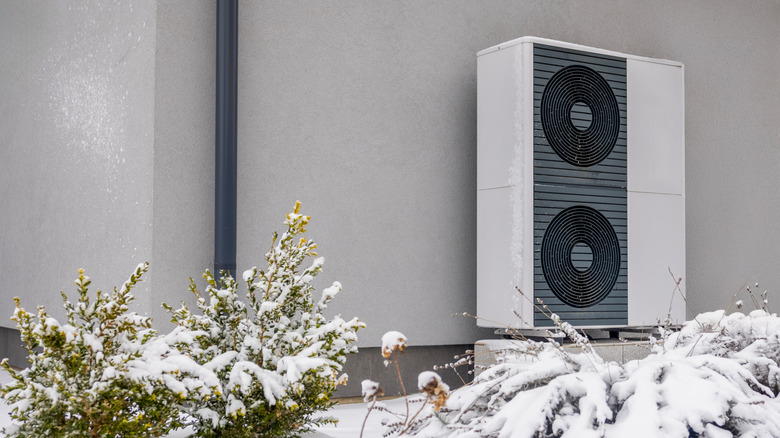
A heat pump is a system that can both cool and warm up your home, allowing you to rely on it year round. During winter, the heat pump transfers heat indoors, and in summer, it reverses flow and removes heat from inside the house. These appliances run using electricity instead of natural gas. Heat pumps don't necessarily need a system of ductwork installed in the house, either.
The heat pump doesn't create warmth the same way the furnace does, meaning it gives your home a different feel in winter. The warmth coming out of the heat pump usually fits in a range of 85 to 110 degrees Fahrenheit. The air may feel warmer as it exits the vents than the air in the rest of the house, but it won't feel hot to most people. Additionally, the process of warming up the home takes longer than what occurs with the furnace. The heat pump's air transference system uses a gentler process than a forced-air system.
Because of the way the heat pump slowly transfers warmth, you're less likely to have cold spots. Some people prefer this type of gentle, consistent circulation method. Additionally, furnaces often remove moisture from the air when warming it up, while some heat pumps add a little moisture to the air during operation. Excessively dry winter air can cause respiratory discomfort, generate static electricity, and dry out your skin, which is why some people prefer the way heat pumps generate warmth.