

Why Older Homes Become So Drafty And What You Can Do To Fix It
We may receive a commission on purchases made from links.
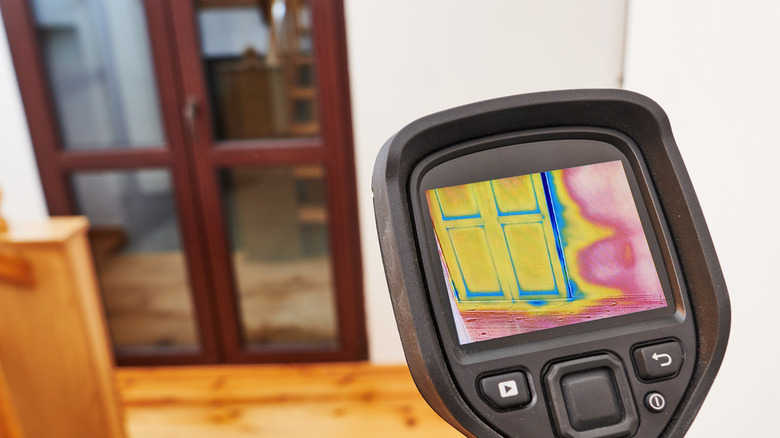
It can be a source of pride to own an older home, but it can also come with unexpected challenges. One of the most common issues when it comes to dealing with these homes is drafts. Many people just accept that an older home is going to be drafty and there's nothing that can be done. The truth is, the main reason an older home becomes drafty is because of foundation settling. Over time, foundations can shift, and if a house is on the older side, that can mean quite a bit of shifting. When this happens, hairline cracks tend to form around windows, doors, and anywhere else where there is a break in the wall. In order to deal with drafts, you should first deal with the main cause (the foundation) and then seal any areas where there are leaks.
It's relatively easy to check your doors and windows for drafts — the hard part is identifying the source. Dealing with the symptoms without dealing with the source is like trying to put out a bonfire with a glass of water — it's not going to do much. The first step is to take a look at your foundation. Signs that your foundation has settled are hairline cracks in the foundation itself, gaps between the walls and floor, uneven floors, or doors have become misaligned.
Once you've identified the source, you can fix it to prevent any further damage. You will then be able to deal with the drafts themselves. Not only will taking these steps make your home a lot warmer and toastier, but it will also help reduce your heating costs.
Dealing with drafts in your older home
If you have noticed any of the tell-tale signs of significant foundation settling, it's important that you call professionals to evaluate the situation. The foundation of your home is a main structure and unless you have the right skills to do it yourself, it really is a job for a professional repair service. Once you've dealt with your foundation, you can deal with the drafts using some simple DIY fixes.
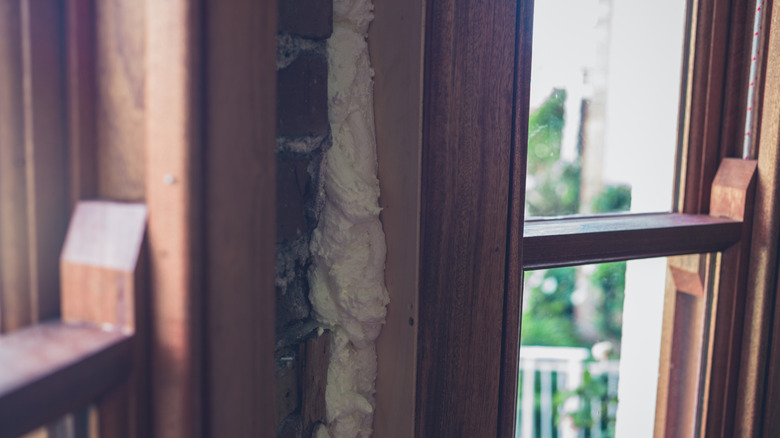
The first step is to reseal drafty windows to help keep you warm on those cold winter nights. You can add some fresh weatherstripping around your windows and fill any gaps with caulk and expanding foam, such as Loctite Tite Foam. There are also weather insulation kits you can easily install yourself. You will also want to reseal any exterior doors that have gaps. Other culprits for air leaks that could benefit from some spray foam are electrical outlets and phone jacks.
The attic is also often to blame for drafts in older homes. Over time, insulation can settle and become less effective. It's important to check your attic for insulation levels and add more if needed, then seal any obvious leaks. Be sure to check for gaps around the attic hatch and any recessed lighting fixtures. Once you've corrected your foundation issues, sealed up any air leaks, and topped off your insulation, your home should feel nice and cozy.