

11 Classic HGTV Shows Everyone Wishes Would Make A Comeback
Any home and garden lover knows that HGTV has had memorable shows over the years. What's made some of them so likable was their relatability and their creative home flips, DIYs, and renovations. Suddenly, viewers found themselves inspired to recreate some of the same projects at home. Taking away practical home renovation tips and garden advice was something that always felt exclusive to the channel. Some of the classic shows offered incredible ideas to make your space feel more curated and even introduced ways to boost your home's value. Throw in some heartfelt moments, a little friendly competition, and boom: You've got some seriously wholesome TV magic. But as is the case with all good things, lots of HGTV's best shows have come to an end.
As shows come and go, viewers are nostalgic for something that feels missing on TV. Whether that's a host who always brought genuine charm or the abundance of emotional surprises, there are tons of shows that many wish were still around. For some, peak HGTV was many moons ago. And these are just a few of its classic shows that many fans wish would make a comeback.
Designed to Sell was also designed to inspire
From 2004 to 2006, "Designed to Sell" helped sellers prep their homes for the real estate market. The hosts, who varied depending on the city where it was set in that episode, offered budget-friendly design tips and strategies to make homes more desirable. They started off by assessing each property, and then figured out what parts could turn buyers away. Then, they would target those areas and suggest impactful ideas. By the end, the home would typically be re-listed, and changes would be revealed to the viewer.
Viewers miss "Designed to Sell" because it gave them real-life ideas on how to prep their own homes for selling, and it was satisfying to watch the amazing transformations. They did this by opting out of fully renovating a home and instead put effort into small fixes that delivered huge results. A fan commented on Reddit that "Designed to Sell" was a show where you could "Give someone a budget of $1,000 to $2,000 to transform a house. Not $100,00 to $200,000," in order to make updates in hard-to-sell markets.
Fixer Upper brought out all the emotions

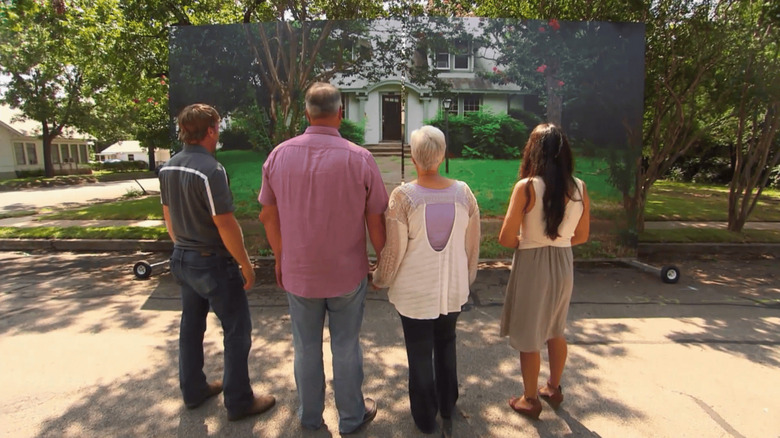
The original "Fixer Upper", which ran between 2013 and 2018, inspired a slew of spin-offs and Magnolia Network programming. It followed home experts Chip and Joanna Gaines in Waco, Texas, as they transformed, well, fixer-uppers. In every episode, the couple showed a client three homes that all needed fixing up. Once they chose one, they began remodelling and shared quick and effective ways to update the home. Chip handled the construction while Joanna put her interior design skills to work. This show ultimately set their Magnolia brand into motion as well as their TV channel, Magnolia Network. This show was a huge favorite, and Gaineses are still making HGTV content that viewers love, like "Fixer Upper: Colorado Mountain House" and "Magnolia Table With Joanna Gaines".
People loved the original "Fixer Upper" because it was a driving force behind the farmhouse-style trend. In fact, a 2018 Zillow report noted that homes with farmhouse features were shown to sell almost 30 percent above expected values. Each home they worked on was filled with those types of features, like wainscotting and barn-like exteriors. Plus, "Fixer Upper" saw some emotional backstories of families on the show, with one YouTube viewer commenting, "Why do I cry like a baby at every one of chip n jo's remodels?"
Designing for the Sexes was ahead of its time
No show on HGTV today comes close to "Designing for the Sexes", which aired from 1998 to 2011. Each episode followed interior designers solving home renovation disputes among couples. Viewers of the show typically saw these experts offering compromises on a specific room in a property. Then the experts guided the couple to make an agreeable decision.
This show was iconic because it was one of HGTV's earliest battles of the sexes in home renovation. But mostly, it's missed by viewers because it was relatable to a lot of people. It showed that when couples share a place, it's possible that their opinions on the style may clash. A Reddit fan noted that the host "did such a great job of finding common ground in divergent aesthetics and coming up with a beautiful and classic solution." It was intriguing to watch them meet in the middle while finding resolutions that worked for everyone.
Holmes on Homes got it done right
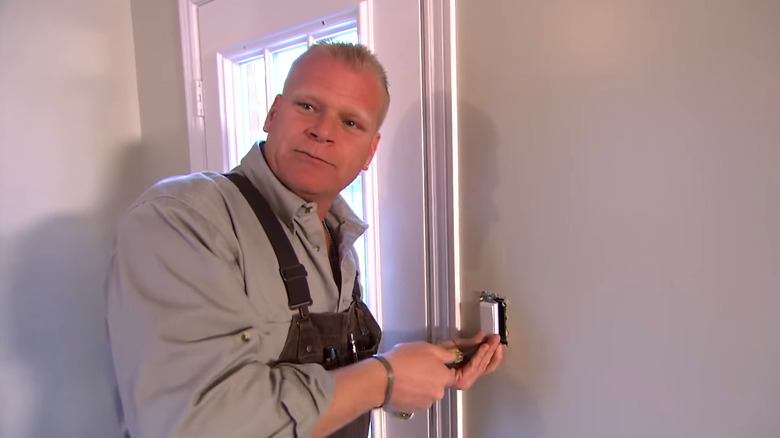
One of HGTV's classics, "Holmes on Homes," ran between 2001 and 2009 and essentially cleaned up home renovation disasters. Mike Holmes and his crew visited property owners who had subpar work performed by previous contractors. Holmes first inspected the property and explained every problem that was left behind by the contractors. Then, the episode focused on a step-by-step guideline, educating viewers on how to fix what was left behind.
The series is missed because each episode allowed viewers to learn Holmes' best tips and tricks for seamless home renovations. A user on Reddit even said that they liked this show because it was "one of the few shows where you can actually learn something about home construction," and added: "Most of the shows go from old to new without really showing all the details in the middle." Instead, "Holmes on Homes" showcased the renovation journey (and the possible hiccups) in a transparent way.
Dear Genevieve was practical and realistic
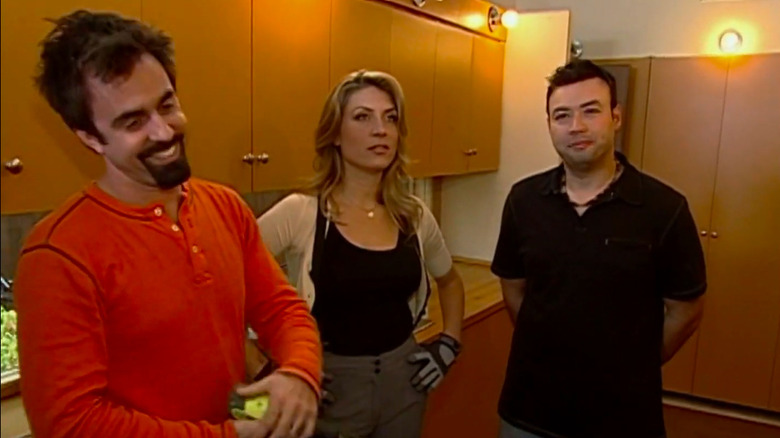
"Dear Genevieve", which aired from 2009 to 2012, allowed viewers to seek designer Genevieve Gorder's expert advice. Prior to filming, participants contacted the show to ask for design help on their homes. Gorder, who was formerly a "Trading Spaces" designer, reviewed the letters from people in desperate need of her home renovation prowess. She'd visit the property and implement small touches like unique home decor and practical layout tips. By the end, the space would come together with Gorder's tips, minus any major renovations or construction.
Besides that simplicity, viewers miss this show for a couple of reasons, but mainly because it always felt thoughtful. A fan on Reddit notes this: "I love her, and her designs were eclectic, layered, and very custom to her clients." People could watch Gorder give specific one-on-one advice, which was personal and educational without being too high-budget or unrealistic. It's definitely one show that redefined home design in the 2000s.
Design on a Dime proved that home renovation doesn't need to cost an arm and a leg
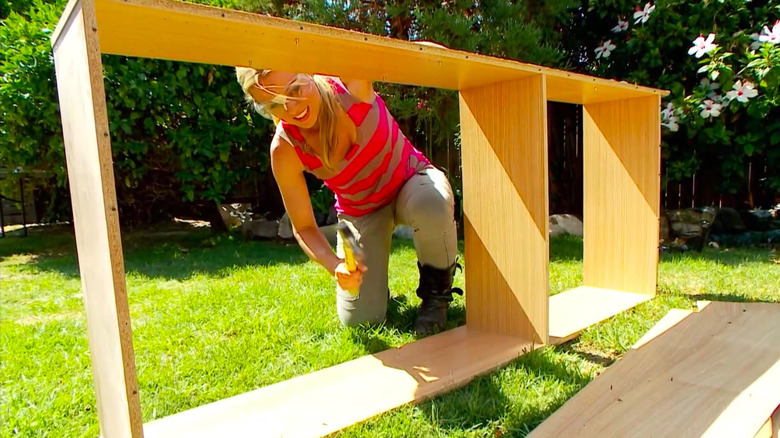
"Design on a Dime" aired for ten years, between 2003 and 2013. The premise is exactly what the name suggests: The hosts, along with the design team, would make over spaces for people with tight budgets. The catch? That budget was only $1000. Obviously, budget-friendly design was a huge aspect of the show as viewers got to learn about DIY, design tricks, and strategic splurges.
This show is memorable for many because it was refreshing to watch affordable transformations done right. It also showcased makeovers that didn't have to break the bank, which felt relatable to viewers. A fan on X notes: "I really miss that @hgtv show Design on a Dime. Wish they had kept it around. Really nice renovations for under $1000." Design on a Dime showed that an appealing and creative design doesn't have to be super costly.
Get it Sold attracted the typical DIY lover
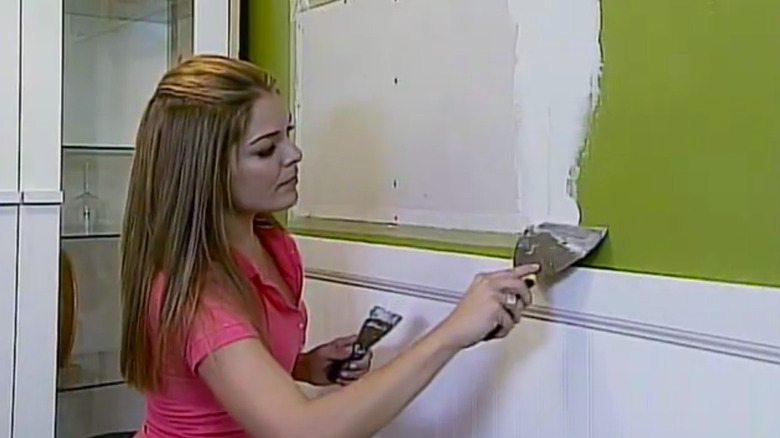
From 2007 to 2009, Sabrina Soto transformed hard-to-sell homes in order to do what her show title promised: "Get it Sold". First, the listing agent got realtors to check out the home and give suggestions on what needed to be overhauled to please buyers. Then Soto, both an interior designer and staging expert, would survey the property and suggest tips that emphasized simplicity. She would then implement those tips, and the house would get re-listed at the end of the episode. By the end, Soto made homes more appealing to buyers.
This show was a gem for viewers because it featured home renovation problems that were actually pretty common. For example, one episode featured a row house that was stuck on the market due to too much furniture and clutter. Soto staged the furniture to open up space and encourage better flow in the house. Soto fixed issues like those and more by providing everyday tips that anyone could implement. On Instagram, one fan commented that this was a peak highlight of "Get it Sold", noting that Soto's show gave "practical advice most people could use."
Gardening by the Yard was an early gardening show favorite
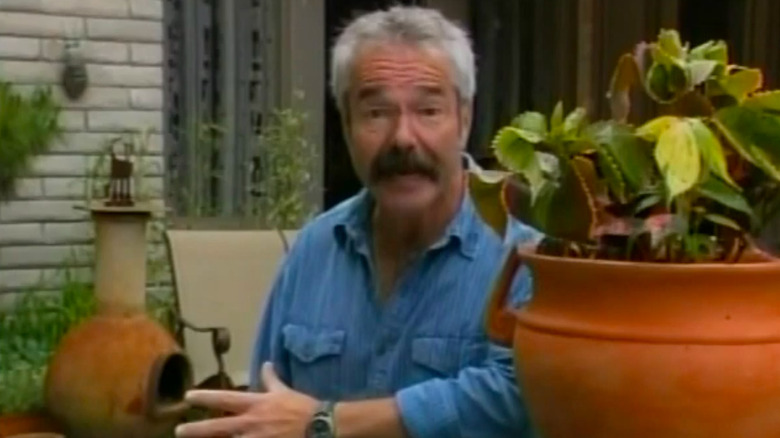
"Gardening by the Yard" ran from 2004 to 2009 with host Paul James sharing his expertise on all things yard care. Generally, the show gave versatile plant care advice, focusing on common issues with home gardening without making it too complicated. The show took place right in James' backyard in Tulsa. He went over typical yard care and introduced topics like growing vegetables, watering plants correctly, and other basics. When he wasn't showcasing his own yard, he invited guest experts to speak on more niche gardening topics, such as caring for specific plants or even how to introduce easy-to-grow vegetables for a container garden.
This show was popular because it gave practical tips to any kind of gardener, whether at an expert level or just starting out. Mostly, though, host James connected with people thanks to his warm personality and his enthusiasm for plants. A fan on Reddit said they were intrigued with the host because he "was very funny and we learned a lot from him." James was always able to showcase that you could have a garden by using down-to-earth advice — literally.
Designer's Challenge saw competition in a new light
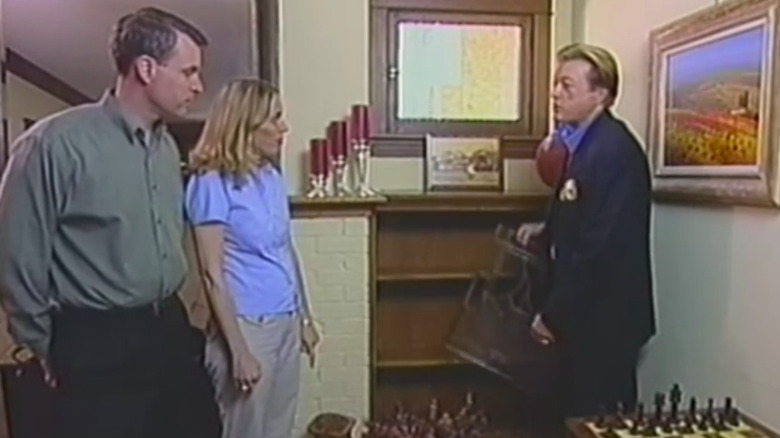
"Designer's Challenge", which ran from 2001 to 2008, featured three interior designers showcasing their projects to a homeowner. The homeowner would then choose their favorite and watch their dream home turn from a vision to reality. The show was hosted by Chris Harrison, but had a team of different designers each episode. It also got a spin-off series later in 2002 called "Landscapers' Challenge," which focused on outdoor refreshes.
Viewers want a comeback of "Designer's Challenge" as it gave audiences something they couldn't get elsewhere: storytelling solely based on home design. A Reddit fan said this show was "the best," adding that "It would be brilliant for HGTV to revive it. People are tired of flipping shows." Many viewers want more shows like "Designer's Challenge", which stood out because there was a lot of room for unpredictability. Since three designers pitched totally different ideas for the same home, the show was more exciting to watch than the typical renovation format.
Trading Spaces blended chaos and home decor
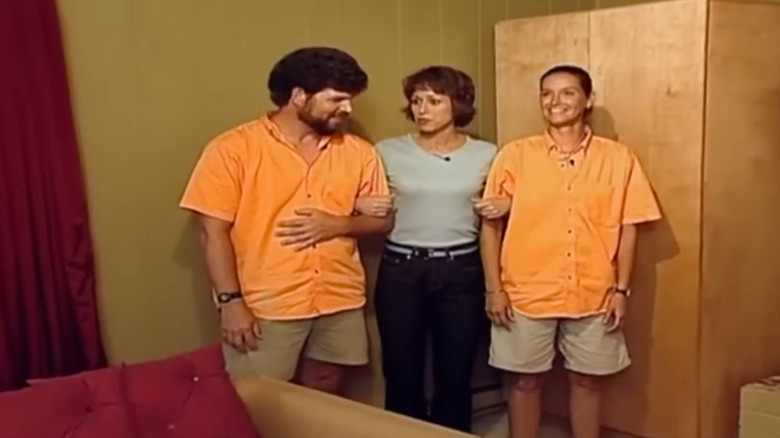
"Trading Spaces", an hour-long program on HGTV, ran for almost two decades from 2000 to 2019. This show featured two pairs of neighbors who would partake in "Trading Spaces," or houses, and transform one room over the course of two days. Each team worked with a designer and a budget of $1000, within just two days. Teams shared the services of a carpenter as well, and rooms would be unveiled at the end of the second day.
The reason viewers were so drawn to this show was that it was so high-stakes. Each homeowner didn't have any say in what got renovated. It would either go very right or very wrong, and that left viewers on the edge of their seats. A fan on Reddit recalls how wacky this show could get sometimes. They noted, "This show was so unhinged! And back then, the participants on these shows were less groomed, and we weren't so 'in the know' about how reality TV worked, so the reactions were truly insane sometimes." While renovation shows today may feel a bit curated, "Trading Spaces" always showcased raw reactions and genuine surprises.
Room by Room made home design feel as manageable as possible
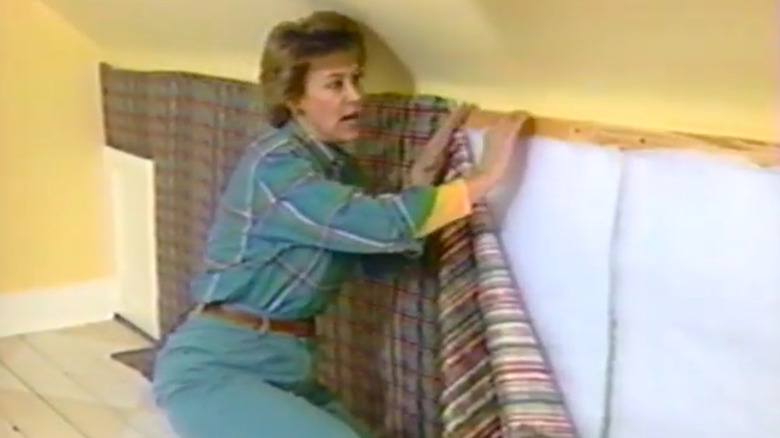
An oldie but a goodie, "Room by Room" started airing in 1994 until 2006. It featured hosts Matt Fox and Shari Hiller updating one room of a house, rather than renovating an entire property. The hosts would meet with homeowners to focus on their needs and figure out design plans. Then, the reveal of the transformed room would happen at the end of the episode.
Fans miss this show because it showcased that home renovation doesn't need to be a huge project. One viewer of the show explained on Reddit, "I loved that show. Doable projects." By updating just part of a property, the designs felt easier to manage for anyone who felt overwhelmed by the idea of renovation. Instead, it showcased accessible, smaller projects that made custom looks a bit more attainable.