

16 Old-School Cleaning Products Practically Nobody Uses Anymore
We may receive a commission on purchases made from links.
If you take a stroll down the cleaning aisle in your favorite grocery store, you'll find a wide variety of formulas and concoctions for everything from removing oil and grease on your stove to making your home smell like a fragrant garden. When you think about the types of advanced cleaning tools we have today, such as the budget robot vacuums that make chores practically effortless, it's easy to forget about cleaning products of the past. Whether you remember something your grandparents used to use or recall old-school jingles from commercials on TV, there are tons of forgotten cleaning products that were once popular but are no longer used.
Like any other product on the market, cleaning solutions have advanced through a process of heavy research and development. These developments have produced enzyme-based stain removers and environmentally friendly sprays that smell like fields of lavender, rather than the old-fashioned lye cleaners that would force you to crack windows and leave doors wide open. As we walk down memory lane, we will uncover the history of 16 cleaning products and learn how shifting consumer habits, safety regulations, and the demand for convenience have forced them to the back of the supply closet.
X-Ray Stove Polish was phased out
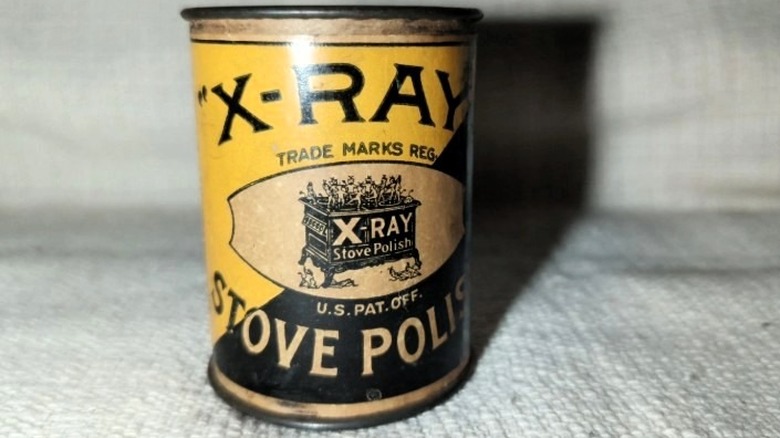
Before modern electric and gas ranges, the heart of the kitchen was the cast iron stove. At first glance, this appliance resembled a tank that required little maintenance. If you've ever cooked with a cast iron pan, though, you know regular care is required to prevent rust and to keep the surface looking sleek. X-Ray Stove Polish was a popular cleaner in the early 1900s in homes that relied on coal and wood for heating and cooking. Don't be fooled by the name: this product did not actually contain any radiation. The polish was rubbed vigorously into the cast iron to create a glossy and protective sheen.
Around the mid-20th century, cast iron stoves began to be phased out, some replaced with enameled porcelain, which reduced the need for iron stove polish. For those who still love having a wood stove in their home, cast iron enthusiasts now reach for liquid products, like Imperial Manufacturing's Stove Polish Liquid, which is much easier and safer to use. Modern surfaces, like glass cook tops and stainless-steel ovens, require different chemical oven cleaners for removing stubborn grime without scratching the surface.
SC Johnson Paste Wax is the labor-intensive floor polish
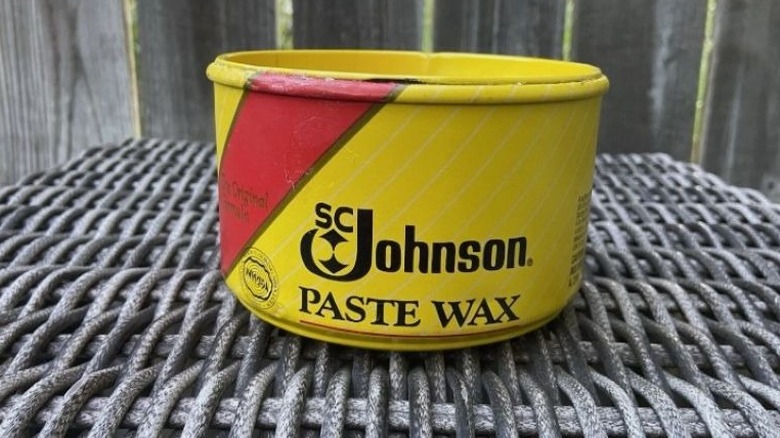
S.C. Johnson began their business in the late 1800s, selling floors. To further expand their growing business, the company developed a paste wax to help their customers care for their newly acquired parquet floors. The wax had a thick consistency that required effort to apply and remove, but it was safe for use on all types of wood, including antique floors and even woodworking tools. Some customers even used the paste wax on their vehicles. Once applied, it creates a hard shell that offers protection from water and dust.
SC Johnson Paste Wax has been discontinued. Limited stock can be found at various retailers online at elevated prices while supplies last, though there's no telling how effective these old products are. Today, consumers prefer water-based polyurethane cleaners for cleaning hardwood floors due to the quick drying times and low fumes. Automobile owners tend to prefer spray wax as it requires much less effort to achieve a better shine.
Mrs. Stewart's Liquid Bluing will leave you feeling the blues
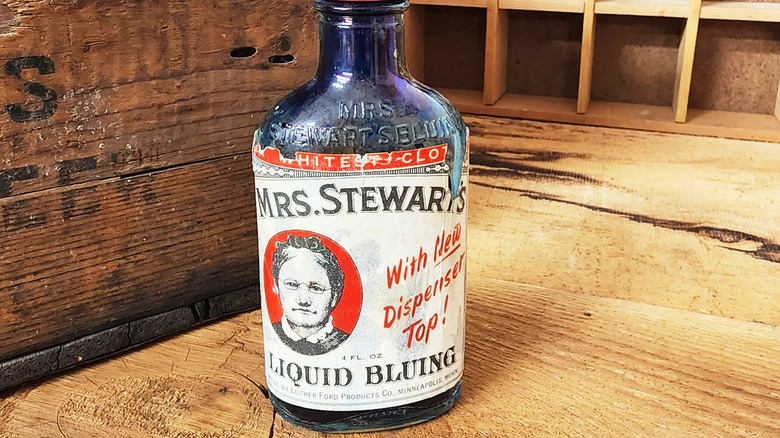
Before modern stain-fighting detergents, laundry would often develop a gray or yellow tinge after repeated cycles. Clothes today can do the same thing, depending on how much laundry detergent you're using. Mrs. Stewart's Liquid Bluing was invented in 1883 to help keep laundry looking bright and white. The original product looked like a bottle of blue ink with a tiny dropper. The idea was that adding a small amount of blue dye to the laundry would counteract discoloration. The product is still manufactured, but isn't commonly used because many individuals simply don't know how.
Modern detergents now contain optical brighteners. These chemical agents absorb ultraviolet light and emit it as visible light, which does the same thing as bluing without the extra steps — ideal for a generation that's all about convenience and simplicity. Oxygen boosters, such as the FEBU Enzyme Oxygen Laundry Booster, also help clean and deodorize fabrics safely and effectively for those looking for an alternative to bleach that both protects and whitens.
Old Dutch Cleanser scratches the shine off modern surfaces
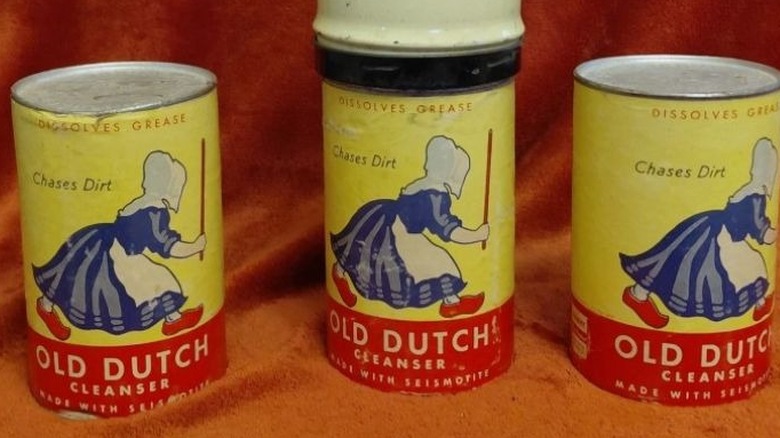
Before Comet and Ajax, there was Old Dutch Cleanser, which was made with pumice and detergent. This scouring powder was launched in 1905 by the Cudahy Packing Company to scrub burnt-on food, grease, and grime off pots and pans. If you had a dirty sink, it was the first cleaner you reached for. It was also one of the best-known cleaning products to use a memorable mascot: a Dutch maid who chased dirt with a stick.
In the mid-1900s, chlorinated cleansers like Comet began to gain popularity. With the addition of bleach, these new cleaners didn't just scrub away dirt. They also killed germs and bleached away stains, which was something Old Dutch couldn't do. As kitchen surfaces evolved, so have cleaners. Abrasive cleaners can cause damage to stainless steel appliances and can also scratch granite countertops. Old Dutch Cleanser is no longer listed on the company's available product list.
Gold Seal Glass Wax clouds your vision and will leave you in the dust
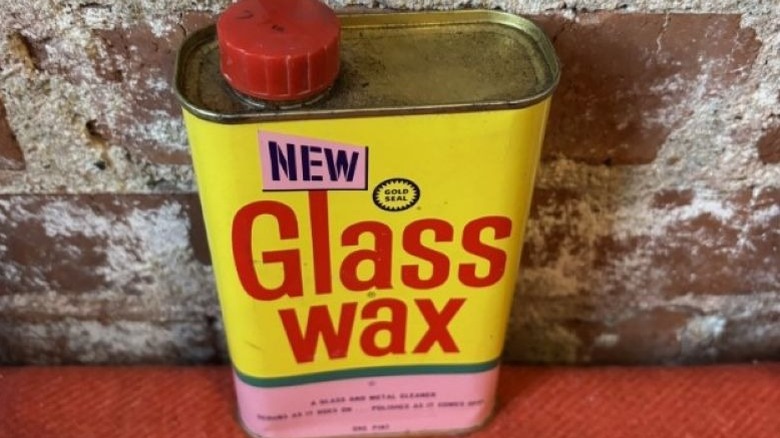
Gold Seal Glass Wax was created in 1942 to remove fingerprints, dust, and debris from windows and glass. The paste came in a very distinct can. To use it, you would wipe the wax on the surface and allow it to dry to a cloudy glaze. Once dry, you'd scrub the wax away until it was completely clean. If you grew up between 1950 and 1970, you may remember the wax for different reasons. Because it dried cloudy, it was often used for festive decorating. Families would use it with stencils to paint snowflakes and Christmas scenes on windows during the holidays. It was known as the cleaning product that doubled as an art supply.
Gold Seal Wax was replaced by ammonia-based spray cleaners, which were much easier to use because waxing was often seen as messy and time-consuming. In 1986, Gold Seal Company was purchased by Airwick Industries. Manyof the products manufactured by Gold Seal were eventually discontinued.
Janitor in a Drum leaves your home smelling like a factory spill
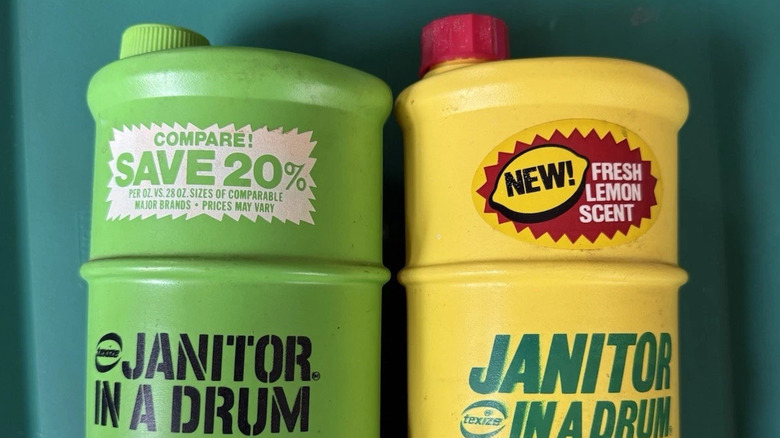
Developed as an industrial-strength cleaner for food processing plants and commercial kitchens, Janitor in a Drum was made available to homeowners in the mid-1900s. Its packaging was very distinctive, resembling a miniature green oil drum with ribbed plastic. Their marketing campaign promised the formula was strong enough to clean factory floors, but safe enough to be used in home kitchens. As a heavy-duty degreaser specially formulated to handle fats and baked-on food, it could tackle the toughest jobs, such as removing oil stains from driveways and cleaning the grease off stove hoods.
Shortly after the release, consumers began to grow more concerned about the dangers of using strong chemicals, and so the overpowering pine scent became a liability. Environmentally-friendly cleaning products also started to gain popularity, so products like Janitor in a Drum seemed irresponsible by comparison. Instead, customers began reaching for non-toxic options.
Duz Detergent leaves a scummy residue and ruins synthetics
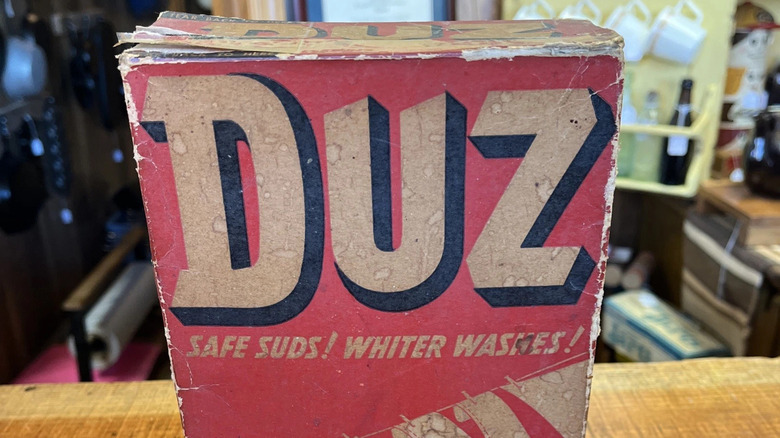
In the early to mid- 1900s, Duz Detergent was a popular, granulated powder produced by Procter and Gamble. It used the slogan, "Duz does everything." It was popular not only for how well it cleaned laundry but also for the prizes inside the box. Each box contained drinking glasses or dinnerware. Customers would purchase the cleaning product week after week in hopes of completing their dish sets. The dishes created brand loyalty. Customers often forgot that the cleaner was heavy and dense and required extremely hot water to make it dissolve completely.
In 1946, Procter and Gamble introduced Tide Detergent. It was the first heavy-duty synthetic detergent that worked better in hard water and didn't leave behind the soap scum residue that Duz did. Washers became more sophisticated, and clothes made from polyester and nylon became popular. Old-fashioned soap powders didn't clean as well as the new chemical detergents. Duz was finally discontinued in 1998.
Octagon All-Purpose Soap isn't the best choice for sensitive skin
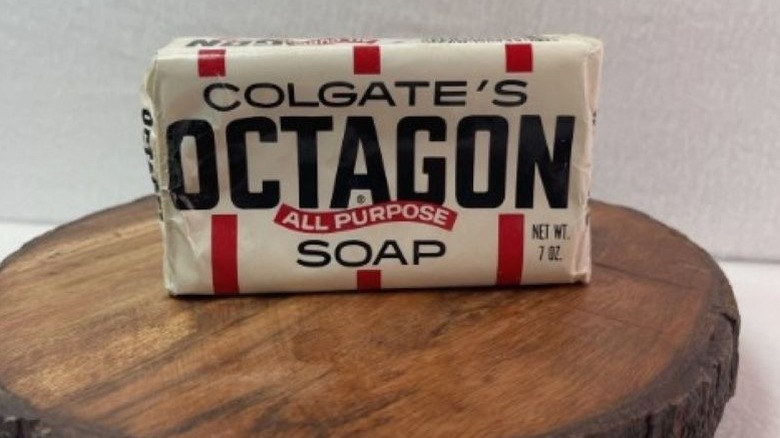
Marketed by Colgate-Palmolive in the 1920s, Octagon All-Purpose Bar Soap was a dark-colored bar soap widely used during the depression era for laundry, dishes, floors, and personal hygiene. It was extremely effective at cutting grease and cleaning dirt, but it was also very harsh on the skin. During this time, money was scarce, so a single product that did it all was seen as a necessity. The company would also print coupons and place them on the labels. The labels could be saved and exchanged for a variety of products.
Once the Great Depression was over, manufacturers realized they could increase sales by creating specific products for every use. For example, shampoo and conditioner were marketed for hair, disinfectants were used in kitchens and bathrooms, powder and liquid detergents were manufactured for laundry, liquids for dishes, and mild soaps for hands. Colgate-Palmolive eventually discontinued production of Octagon All-Purpose Bar Soap.
Sapolio Soap is a solid brick that requires too much elbow grease
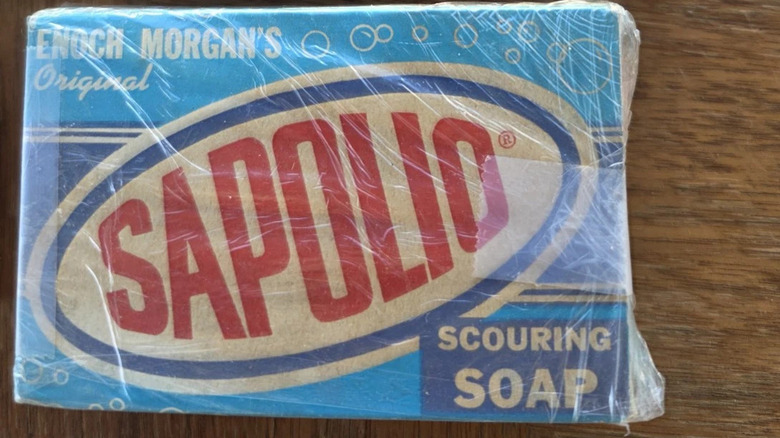
Sapolio Soap was probably best remembered for its advertising campaigns rather than its cleaning abilities. The company commissioned poets, artists, and billboard campaigns to make the brand a household name. Introduced in the late 1800s by Enoch Morgan's Sons Co., the soap was used for everything from polishing silver and scrubbing floors to cleaning knives. To use it, you would take a damp cloth and rub it across the surface of the soap, then scrub the surface of whatever you were cleaning.
Around the same time, powdered cleansers, like Old Dutch and Bon Ami, were also introduced. Shaking powder out of a can and scrubbing was much easier to use than trying to work up a lather from a hard block of abrasive soap. Thinking the bar soap was unbeatable, the company stopped its advertising campaign and lost customers. By the time the company realized what was happening, it was too late.
Snowy Bleach Powder is a gentle cleaner buried by bigger brands
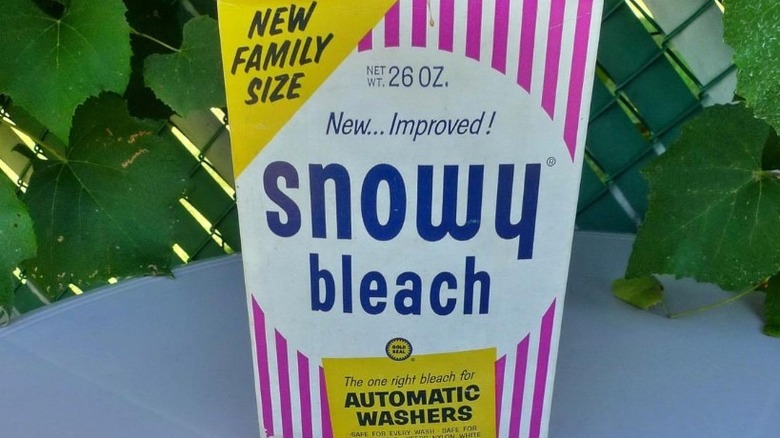
Snowy Bleach Powder was introduced in the 1950s by Reckitt & Colman and was marketed as a safe bleach that could be used on all types of fabrics. Powdered bleach can also be used for cleaning other surfaces, such as brightening grout and sanitizing sinks and toilets. The package and commercials for Snowy Bleach featured characters like Alice in Laundryland and promised to brighten colors and clean delicates without using chlorine. This product was the precursor to color-safe bleach.
In the late 1990s, however, OxiClean dominated the market with a completely different category of cleaning that used the power of bleach but without harsh chemicals, leaving consumers to wonder whether color-safe bleach was worth the money. Today, consumers tend to prefer liquid to powder, which leaves no residue and doesn't have to be dissolved. Reckitt Benckiser (the current name of the company which created the bleach) no longer lists Snowy Bleach Powder in their list of current brands on their website.
Bab-O Cleanser vanished due to lack of cleaning power
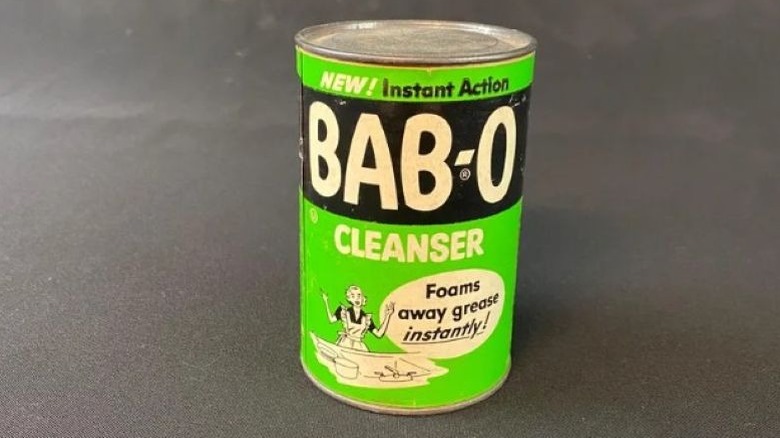
Emerging from the B.T. Babbitt company's line of soaps and lyes in the 1800s, Bab-O was the main competitor of Comet and Ajax scrubbing cleaners. It was designed to be a grease-dissolving cleanser for both enamel and porcelain. The name Bab-O was short for Babbitt, the product founder. Bab-O was also a major sponsor of radio soap operas. As a result, the campaign promised the cleaner would cut through grease faster than the soaps of the day.
Just like the Old Dutch Cleanser, Bab-O fell behind when Comet added bleach to its cleaner. Not only did consumers want surfaces throughout their homes to be clean and scrubbed free of grime and dirt, but they also wanted them to be bleached and sanitized. (Now they want to know why their glass stovetop looks cloudy and how to fix it.) Bab-O was slow to add bleach to their formula. By the time they did, their competitors had already dominated the market. The product is still marketed today for institutional and janitorial applications, but it has almost completely disappeared from home supply cabinets and has been replaced by more popular brands.
Bright Floor Cleaner will dull your floor's sparkle
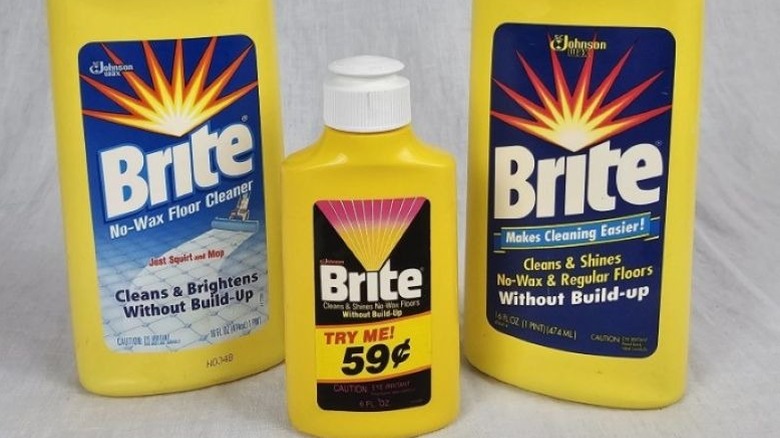
The 1970s brought lots of time-saving products for the kitchen. From ready-to-eat meals to all-in-one cleaning products, customers wanted products that made their lives easier. One of the mistakes everyone makes when cleaning laminate floors and vinyl flooring is using the wrong type of cleaner. Brite Floor Cleaners was made by S.C. Johnson as a no-wax solution for linoleum and vinyl floors and became popular in this era. The special formula would clean and shine floors at once.
It didn't take customers long to figure out that each time the floor cleaner was used, it added a new layer of acrylic to floors, in spite of claims that it didn't cause a buildup. Any bits of dust and dirt left behind would end up sandwiched between the layers of wax, which eventually created a dull finish that made floors look dirty no matter how often they were cleaned. To fix this, homeowners had to strip the floor with harsh ammonia and scrape off the residue, which took a lot of time.
Salvo Detergent Tabs refused to dissolve
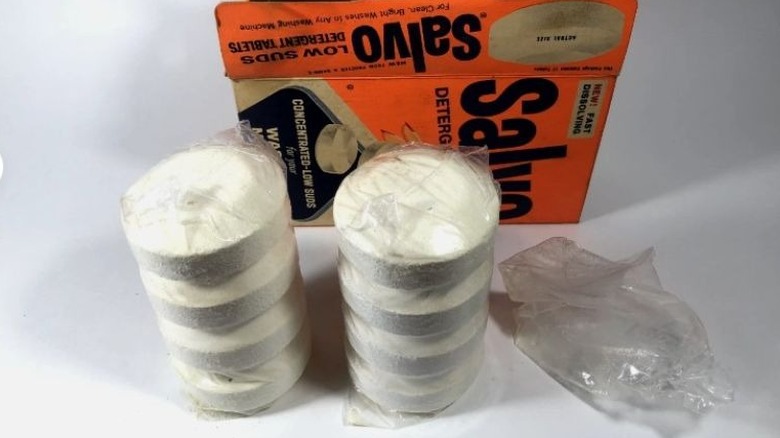
Salvo Detergent was invented by Procter & Gamble as a laundry detergent. The detergent came in large, solid tablets that were about the size of hockey pucks. The tablets created the same benefits as today's laundry pods by promising convenience. Consumers could place a single tablet in with the wash, so no spilling powder and no measuring.
In cold-water washes or in washing machines that didn't agitate vigorously, customers report the tablets were extremely hard to dissolve. This would often leave behind a white, chalky residue on clothes or undissolved clumps inside the drum. Occasionally, the concentration of chemicals would bleach spots and damage clothes. Because of the problems, the product was phased out in the late 1970s. All-in-one pods didn't make their way into household laundry rooms until early 2012 with the invention of water-soluble polymer film that was used in Tide Pods. The polymer made the pods dissolve quickly and administered pre-measured doses effectively.
Vim Cream Cleaner is a gritty cleaner too harsh for modern surfaces
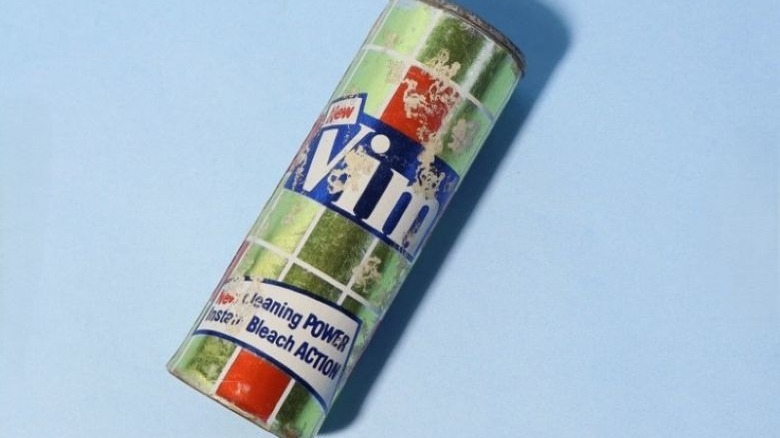
Manufactured and sold in the United States in the 1960s, Vim Cleaner was one of the first products to bridge the gap between abrasive powders and creamy paste cleaners. This scouring cleanser contains abrasive particles suspended in a thick liquid base to help create a scrubbing power without the need to add water. Because the paste was thick, it was easy to apply to vertical surfaces, such as shower stall walls. Despite the abrasive formula, the Vim cleaner was very gentle on surfaces but still tough on stains. However it was never majorly successful.
In 2022, the company changed the formula and packaging and tried to relaunch the product with a new television commercial. Today, Vim Cleaner can be found commonly in India, but it's rarely used in American and European households, making it very difficult to find. The product is marketed for use on everything from bathroom sinks and appliances to clothing and outdoor grills.
X-14 Bathroom Cleaner Is a hazardous mold cleaner with a strong scent
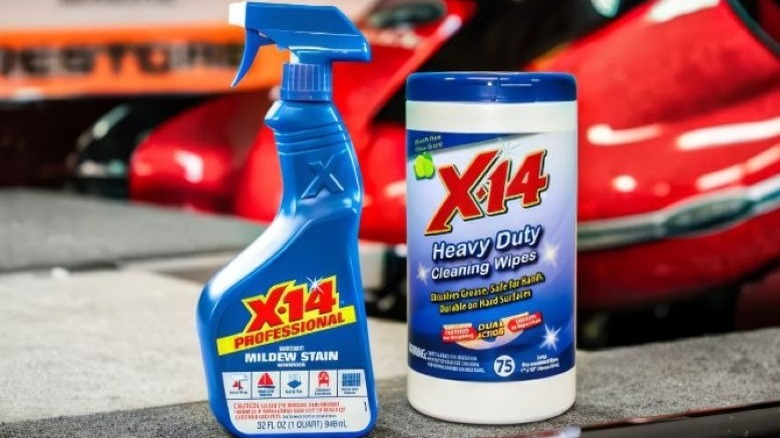
X-14 was a popular option for removing mold and mildew from bathrooms from 1980 to 1990. It was widely used because the product could eradicate even the toughest stains without scrubbing. You simply sprayed the formula on any black spots on your grout, shower stall, shower curtain, or walls, and they would vanish almost immediately. The only problem was that the X-14 formula was extremely harsh and would emit eye-watering fumes, so it had to be used in a well-ventilated area.
While X-14 can still be found in some home improvement stores and box chains, it isn't used in households primarily due to competition and hazard warnings. Today, customers choose brands like Clorox that can do the same thing as X-14 but without the harsh smell. For example, daily shower sprays can be used on grout and other surfaces to prevent mold and mildew from starting. Customers prefer products that carry fewer warnings and that contain a more pleasant smell.
Lestoil smells far too much like an oil refinery
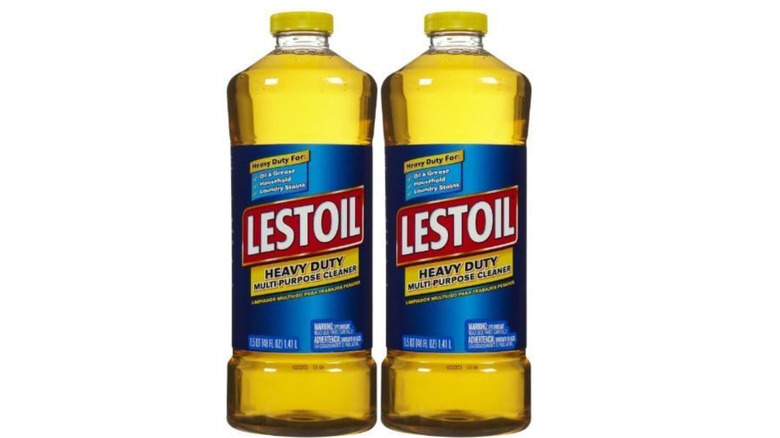
Lestoil is a heavy-duty, multipurpose cleaner and degreaser invented in the mid-20th centuryby the Adell Chemical Company. It was used in households as a laundry spot remover and to remove oil stains on garage floors and walls, and was known for its highly concentrated, strong smell that was a mix between petroleum and pine, which lasted for days after application. It was often sold in a familiar, clear glass bottle.
Lestoil is still sold today, but it's typically purchased in bulk for commercial use. One of the primary ingredients is petroleum distillates, which are high in volatile organic compounds. Strict environmental laws in many states limit where and how the product can be sold. Additionally, many customers want cleaning products that smell good and don't have a strong chemical odor. Another concern was that the cleaner was so potent that it could remove the finish on both water and oil-based painted surfaces, as well as on laminate and vinyl floors.