

The Small Change That Can Make A Big Difference For More Hot Water At Home
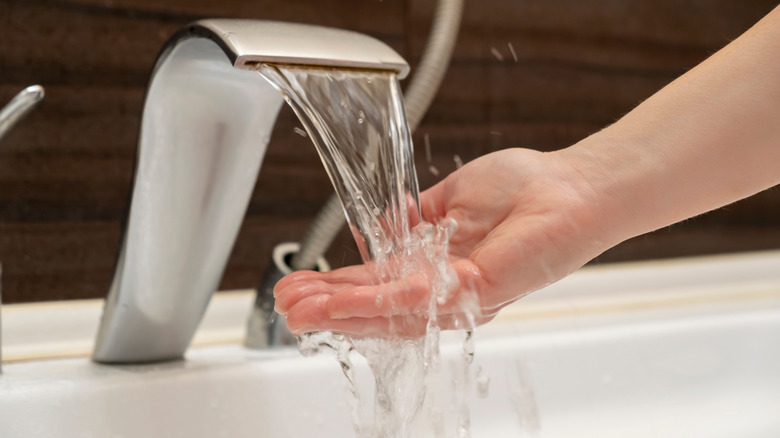
Hot water flowing through your pipes instantly isn't something that most notice or appreciate, but when something is causing you to wait an extended amount of time for it to warm up, those few minutes standing shivering by the shower or waiting patiently to wash dishes can feel like an eternity. Unfortunately, in most homes, waiting is just part of the process. Water needs time to travel through your pipes from your water heater and get to the tap that you've turned on. Because of this, you'll notice that taps closer to the water heater produce warm water in a few seconds, while ones that are across the house take significantly more time. The location of your water heater could be seriously affecting both your water bill and how long you have to wait to shower.
Luckily, there's something you can do to change this. Because all of the cold water in the pipes needs to be flushed out before hot water gets to you, the flow rate of your pipes makes a major difference in how quickly the tap feels warm. Modern faucets that were produced after the '90s include flow restrictors that cut down the amount of water that moves through them by about 30%. While this sounds like an easy way to conserve water in your home, these flow restrictors can actually have the opposite effect if you're constantly waiting for warm water. If you let your shower or tap run and go do something else because it takes so long to warm up, all of that water is wasted. With a simple adjustment to your flow restrictor, however, you can increase your flow rate and get access to hot water more quickly.
How to increase your faucet's flow rate
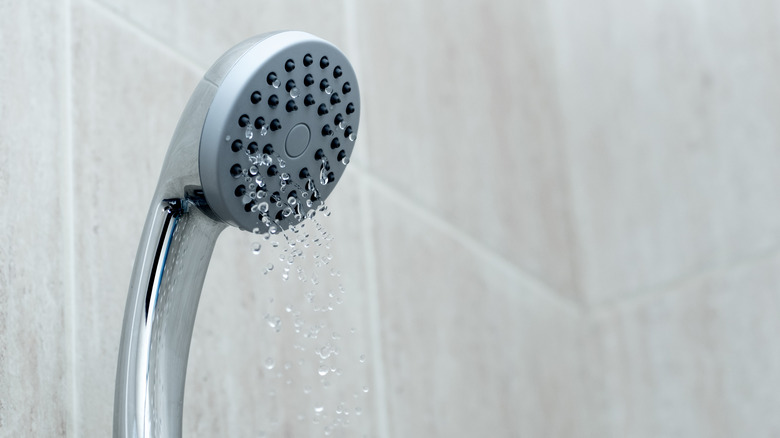
If you're dealing with low flow from your faucets, it can be beneficial to check for a couple of different things before fiddling with your flow restrictor. First, clean and remove any buildup from your faucet. Often, getting rid of buildup is enough to see a difference in your water's flow rate, and in turn, how quickly hot water is delivered to you. From there, you should also check the other components, like the aerator, for any blockages.
If a good clean didn't do the job, it's time to actually get to work. Exactly how to find your flow restrictor will depend on the model and what kind of faucet you're working with, but if you're removing one in the shower, begin by unscrewing your shower head. Take a look inside, and if you see a small screen, remove it for now. Next, gently remove the small rubber O-ring to reveal a tiny piece of metal inside a plastic ring. This is your flow restrictor. Remove this piece, reassemble your shower head, and test the flow. You should notice higher water pressure and, as a result, water that seems to heat up more quickly.
Before you attempt this, however, you should check your local building codes to ensure your plumbing will still be compliant if you choose to remove it. Because flow restrictors are intended to decrease water consumption, areas with more strict usage limits might forbid removal.