

Mold Damage: Will Your Homeowners Insurance Cover It?
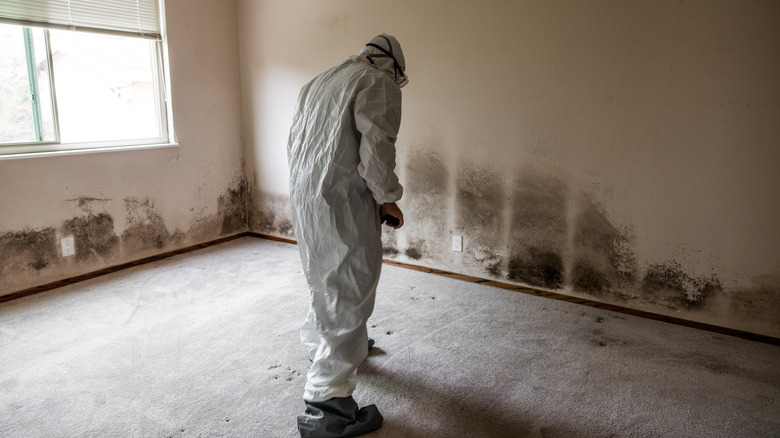
Unchecked mold can damage structural materials, negatively impact air quality, and cause illness in humans. You might notice signs that you need to hire a professional to eliminate mold, such as experiencing a musty smell that seems to be coming from inside the walls or seeing a large patch of growth on walls or ceilings. Eliminating mold is an expensive process, averaging $2,300. However, if you have mold problems throughout the house, the cost could soar to as high as $30,000. If you've ever wondered why you need homeowners' insurance, having it help you pay for remediating the mold seems like a good reason. Will homeowners' insurance help you pay the bill, though? The short answer is, it depends on the situation.
Mold that occurs because you ignored a dripping water leak probably won't be covered. Insurance only helps you with this cost (minus your deductible) when the mold appears as part of an event that's covered under the policy, such as a water pipe that suddenly bursts inside the walls. Even for a covered accident, the insurer could deny your claim if you wait too long, as the insurer might be unable to precisely determine the cause of the mold.
Situations where insurance commonly covers mold damage
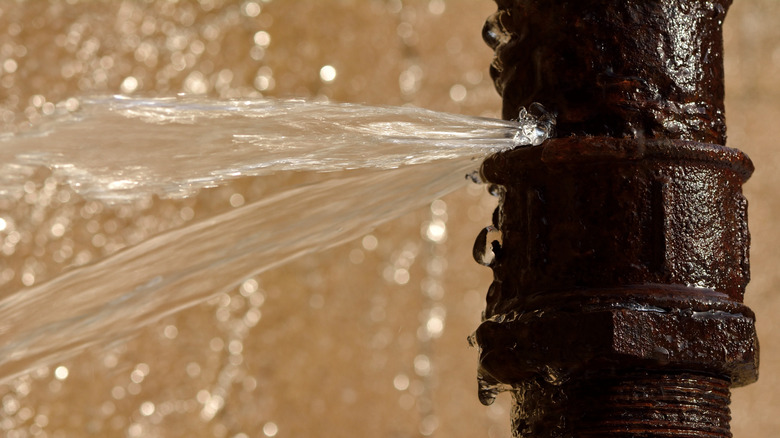
Generally, homeowners' insurance will pay for at least some of your mold damage when it occurs because of a covered accident that happens suddenly and unexpectedly. Such accidents that originate inside the house can include burst pipes or a broken toilet that overflows. A water heater that fails suddenly and causes flooding may also be covered if you start to see mold a few days later. The insurer might approve your mold remediation claim if the mold grows slowly in a hidden area of the house that you could not have reasonably anticipated, such as inside the walls.
Before you file a claim, though, you should be aware of a few potential limitations of mold removal insurance coverage. If the cost of remediation is less than your deductible, for example, there's no reason to file a claim. Along those same lines, if the cost for repairs is only a few hundred dollars over your deductible, you might just want to pay for the repairs out of pocket. This is because your insurer could choose to raise the amount you pay for homeowners' coverage after you file a claim. Additionally, some homeowners' insurance policies have limits built into them that place a cap on the amount the insurer will pay for mold remediation. If you have a huge mold removal bill and your policy limits payment to $500, it might not be worth filing a claim.
Situations where insurers might not pay for mold remediation
One of the most confusing areas for homeowners who want to file an insurance claim for mold removal occurs with a flood from a storm. There are several ways a flood can damage your home, and causing mold is one of them. Basic homeowners' insurance policies rarely cover storm flood damage, which would include mold that occurs after flooding. Most homeowners need a separate policy or coverage rider that pays for flood damage from weather and storms.
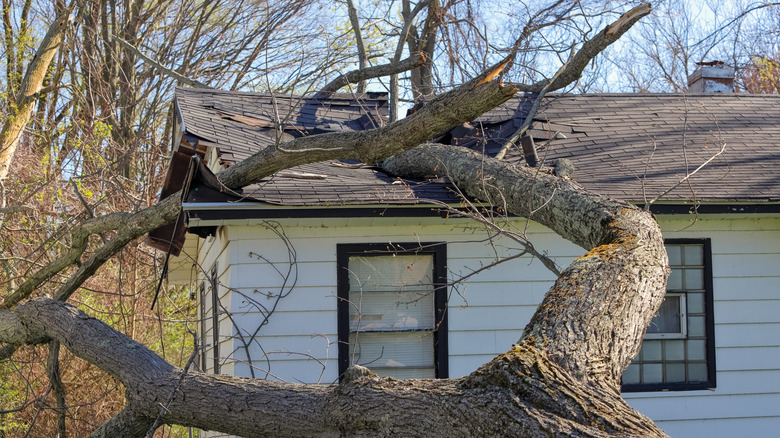
One caveat might be if the storm knocks over a healthy tree, and that tree penetrates your roof and causes water damage in the house; some policies might cover all the damage, including mold removal. If the tree falls because of flooding in the area, though, the insurance policy might not cover mold remediation caused by a leak in the roof unless you have separate flood coverage. Additionally, if the tree was dead or severely damaged before it fell, you might not be able to file a claim for mold damage, even if you have flood insurance. Insurers expect you to take care of maintenance issues like felling dead trees before they can cause damage.
Seeing mold growth because you failed to properly maintain the home could also lead to a denial of an insurance claim for mold remediation. Insurers expect the homeowner to perform maintenance on the exterior of the home that would prevent water damage, such as sealing gaps around windows where rain could penetrate and eventually cause mold damage. For example, if you allow a pipe to slowly leak for a few months without fixing it, the cost to remove any mold from the leak would not be covered.