

How Does An Organic Mattress Differ? Are They Worth It?
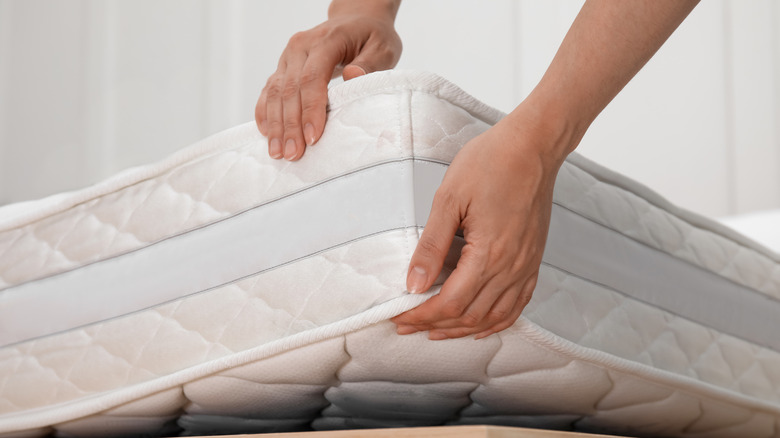
Adding the "organic" label to day-to-day commodities seems to be a trend, but something like a mattress probably doesn't cross your mind when you hear this adjective. Nonetheless, considering that you spend one-third of your life on average on mattresses, checking out how environmentally-friendly and healthy they are is crucial when buying a new mattress. And like other organic products, organic mattresses are free of toxic chemicals and they don't use pesticides, fertilizers, or GMOs (Genetically Modified Organisms) in their manufacturing process. While these characteristics are appealing, the high upfront cost of these mattresses is something you definitely need to consider before making a purchase.
Organic mattresses, as the name suggests, are composed of natural, organic elements, such as wool, organic cotton, and latex. Regular mattresses, on the other hand, may contain toxic compounds and synthetic chemicals, such as petrochemical-based polyurethane. Apart from the basic components, conventional mattresses may also use synthetic adhesives and flame retardants during manufacturing.
But how do you even know that a mattress is organic? Just because a manufacturer says that their mattresses are natural, that doesn't mean organic — it may just imply fewer synthetic chemicals. Some of the primary accreditations you need to watch out for are GOTS (Global Organic Latex Standard), GOLS (Global Organic Textiles Standard), GreenGuard, etc. Certifications like these ensure that the mattress is made from at least 95% organic products, and that it does not emit harmful gasses.
Organic mattresses don't emit toxic VOCs
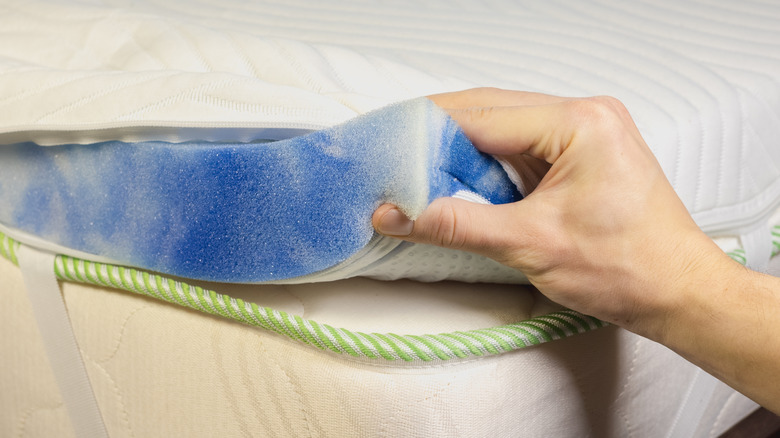
Organic mattresses can improve the quality of air inside your home. They don't emit harmful volatile organic compounds (VOCs), such as toluene or methylene chloride, unlike their inorganic counterparts. VOCs can cause irritation, headaches, and dizziness when inhaled. In a long enough time frame, they can also worsen the symptoms of respiratory diseases, such as asthma.
Polyurethane foams present in normal mattresses are one of the biggest contributors of these harmful emissions. Since they are easy to manufacture and inexpensive, polyurethane foams are used at scale for producing conventional mattresses. Memory foams, or viscoelastic polyurethane foams, have further chemical add-ons, which give them their characteristic nature, but they can also emit odors for longer periods. Formaldehyde is yet another compound present in conventional mattresses that emits a lot of VOCs. Formaldehyde is used in adhesives and glues, which help in binding different layers and providing finishes. Organic mattresses are free of all these chemicals.
Conventional mattresses also use some chemicals to create sweet-smelling effects, which although may seem impressive on the surface, are actually decoys for hiding the chemicals underneath. These mattresses may also contain additives like flame retardants. While flame retardants are crucial for reducing the possibility of a mattress bursting in flames, a lot of these retardants can be carcinogenic. These include compounds like tributyltin maleate and bonded quaternary ammonium chloride. Organic mattresses don't contain these compounds, and their organic composition does not affect their flame retardant capacity either.
Organic mattresses are environment-friendly and more durable (but also more expensive)

Organic mattresses are also better for the environment. Normal mattresses, because of the chemicals that are used to manufacture them, can take decades to decompose once they are discarded. Organic mattresses are biodegradable and the components used to make them can also be recycled. If you value sustainability and want to help curb pollution, organic mattresses are definitely the way to go. Meanwhile, even though not all VOCs are toxic, if you're constantly exposed to the gases emitted by these mattresses, you should again consider switching to an organic option. For people suffering from allergies, the hypoallergenic nature of organic mattresses also make them a great choice for optimizing the bedroom for the best night's sleep.
Cost is one of the biggest considerations when choosing between organic mattresses and conventional options. The cost of farming organic products and deploying a completely non-synthetic manufacturing procedure means that you would have to be willing to spend around a couple of thousand dollars for a premium quality organic product. Having said that, there are some affordable options that begin from well under a thousand dollars. But overall, organic mattresses are undeniably more expensive upfront.
Nonetheless, organic mattresses also counteract their higher pricing with more durability. Some manufacturers claim a lifespan of as long as 25 years, which means you will need to replace your mattress less often. This duration is way longer than the average seven to 10 years you can expect from traditional mattresses.