

13 Things That Should Be Cleaned Weekly In Your Kids Room Or Playroom
We may receive a commission on purchases made from links.
Does your child's bedroom or playroom need an "enter at your own risk" sign on the door? Despite following all the tips for styling the perfect bedroom for kids, your original design inspiration doesn't always stick around. It's easy for toys and books to get strewn about the room, and many kids aren't great about putting their dirty clothes in the hamper. But it's not always the visible messes that are the concern — bedrooms and playrooms are often germy, especially when it comes to the toys. Allergens, including mold spores, pet dander, and dust mites, can also be problem in these areas. Failing to clean regularly allows those germs and allergens to build up areas where your kids spend a lot of time, which could make them sick or spark allergy symptoms. Weekly cleaning of key areas helps reduce those invisible invaders, so your child's bedroom is cleaner and healthier.
Where should you focus your weekly cleaning? Many of the areas are high-touch surfaces where your kid and their friends put their hands frequently. The germs that are on a child's hands can transfer to other surfaces, like the playroom light switch or toys. Think about the activities and devices your kids touch often, including electronics, books, tables, and craft supplies. Germs and allergens also settle on almost every surface of these spaces, including the flooring, shelves, and seating. Then, you have items like the trash cans and hampers, where germy or dirty items get tossed. All of the potential health hazards in a child's room or playroom can accumulate quickly, so cleaning and sanitizing those areas weekly can help keep them under control.
Clean and sanitize toys
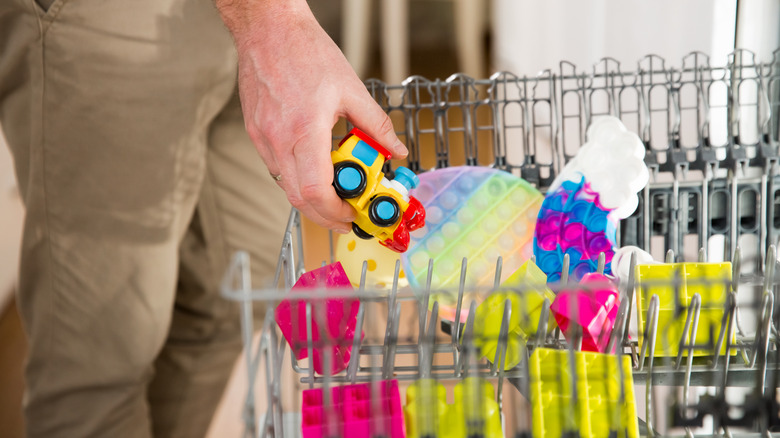
Playrooms and kids' bedrooms are common spots for toys to be stored and used, and toys are often covered in germs, including bacteria and viruses that cause illnesses, like influenza and common colds. Babies and toddlers put toys in their mouths frequently, which gives those germs a direct route to getting your child sick. But even older kids risk getting sick by touching toys that other kids play with — those germs can eventually make their way into your child's body, where they can cause illnesses. Cleaning and sanitizing your kids' toys weekly could cut down on sickness by removing the germs before they infect your little ones.
To sanitize plastic and rubber toys, you'll either need to use a highly diluted bleach (1 tablespoon of bleach into a gallon of warm water) or high temperatures of at least 170 degrees Fahrenheit for washing with dish soap. Remember that when washing with bleach, toys must be rinsed thoroughly afterwards. Porous toys are best cleaned with just soap and water. One easy way to clean and sanitize all the plastic toys in your home is to put them in the dishwasher. Washable stuffed animals and fabric toys should go into the washing machine on a hot-water setting, followed by drying on high, if the item can handle the heat. A weekly cleaning schedule for toys is usually sufficient, but you may want to sanitize baby toys every day or two, since your little one likely chews on everything.
Empty out and wipe down toy bins
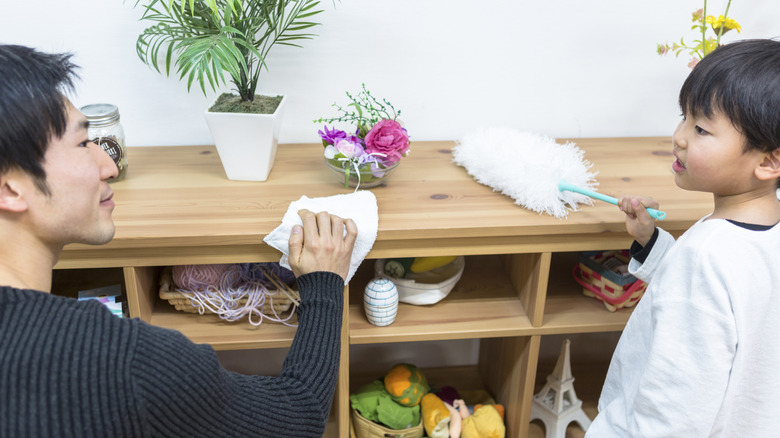
Many simple toy storage ideas that keep your playroom tidy include using bins, baskets, or other storage containers, and those storage spaces can also become covered in germs. Every time someone touches a bin with germs on their hands, or deposits germy toys into the bin, they could transfer to the container. A little one sneezing or coughing onto the storage areas could also infest them with bacteria and viruses. Then, when someone else goes to touch the same spot, they could get sick. There's also the issue of dust, allergens, and crumbs settling down in the bins. That's why it's a good idea to clean the storage containers at the same time as you clean the toys. The last thing you want to do is put clean toys back into dirty storage bins, where they'll get contaminated.
Wipe any shelves, toy boxes, and other large containers that stay in the playroom, using a cloth and a gentle, non-toxic disinfecting spray or disinfecting wipes. Smaller plastic storage bins might be able to go into the dishwasher, along with toys, if the bins are dishwasher-safe. If you use wicker baskets, dust them or wipe them down with a microfiber cloth sprayed with soapy water. For fabric bins, never submerge the containers, as they typically have cardboard underneath the fabric. Instead, spot-clean them with a damp cloth.
Clean electronics and screens
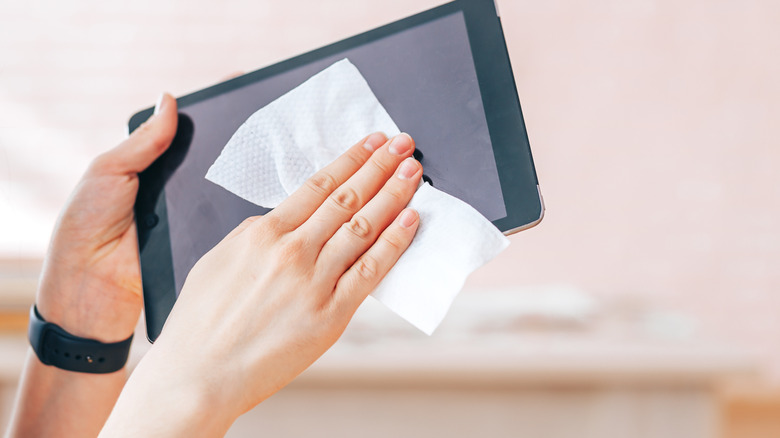
Every family has different rules when it comes to using electronics, but if your child's playroom has a TV, gaming system, tablet, computer, or electronic toys, the screens and controllers for those gadgets could be germ magnets. Tablets are some of the worst offenders, especially they go places with your child where they can pick up various microbes along the way. But even items that stay in the playroom are at risk for collecting illness-causing microorganisms that can spread for person to person. The screens also tend to accumulate fingerprints and grease marks, which interfere with the quality of the images.
Clean those devices at least once per week if they're used regularly. With portable electronics, it's a good idea to clean them every time you take them out of the house and return home, especially if you've been in a public restroom, medical facility, or similar high-microbe locations. To remove grease and fingerprints from screens, use microfiber cloths to avoid any damage. Compressed air is helpful for dislodging debris from electronics. When you need to sanitize electronics, check for manufacturer's recommendations to keep the devices safe. You can typically use alcohol wipes on electronics safely, but certain devices may have different recommendations. No matter which method you use, avoid excess moisture, which could get inside and damage the components.
Wipe down art tables, easels, etc.
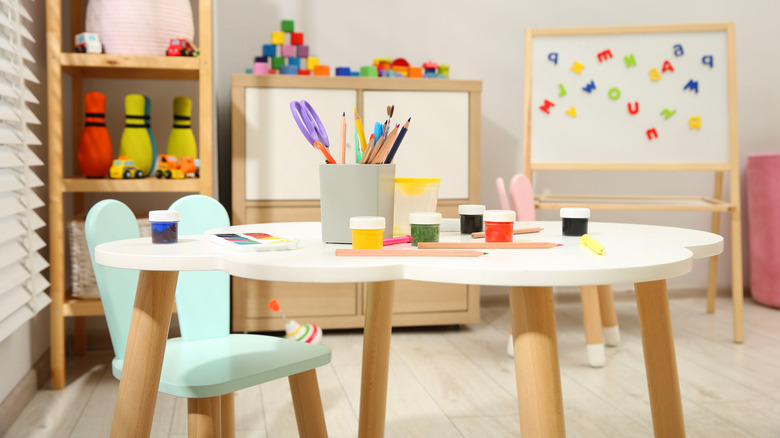
Designated areas for different activities are one of the must-haves to update your child's playroom. That means you might have items beyond toys, like easels and tables for arts and crafts activities. Kid-sized tables might also be used for playing games, doing homework, reading, playing with small toys, or eating snacks, which makes them high-use areas. Of course, you'll want to clean up spills from snacks or craft projects right away. However, a weekly deep cleaning and sanitizing is also helpful since those areas can collect germs and allergens.
Hot, soapy water is an effective cleaning method for hard surfaces that can handle the moisture. Non-toxic antibacterial wipes like Seventh Generation multi-surface wipes are also a handy option. Don't forget spots the kids might grab or touch, like the edges or bottom of the table. On the easel, wipe the tray, legs, and any other areas kids touch frequently. It's also a good idea to wipe down scissors, markers, paintbrushes, and other tools with disinfecting wipes at least once per week.
Dust and wipe down books
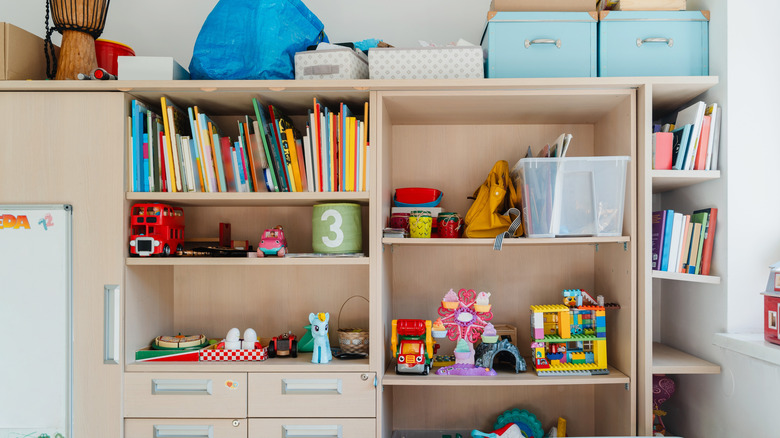
Just like toys, books often go straight into the mouths of babies (and even some toddlers). That's especially true of board books and fabric books that are oh-so-chewable. Even if your kiddos read books instead of snack on them, their hands could have germs on them or they could cough into the pages of their favorite book. If books go along on playdates or errands, they could pick up even more germs in public. Plus, dust and allergens can settle into books when they're on a shelf or table in your child's bedroom or playroom. That's why it's a good idea to dust your home library weekly and do some deep cleaning when necessary.
A microfiber cloth or dusting tool over the books each week keeps them from collecting dust. If you need a little more cleaning power, grab a barely damp cloth to wipe down books. Glossy covers and sturdy board book pages can be wiped with alcohol wipes to disinfect the books, but it's best to test it on a hidden spot first to avoid damaging a favorite book. For cloth books, you can often toss them in the washing machine on a cold, gentle cycle, or hand wash the books, letting them soak if necessary. Make sure all of the pages are dry before returning the books to the playroom.
Vacuum soft surfaces to remove crumbs, dust, and hair
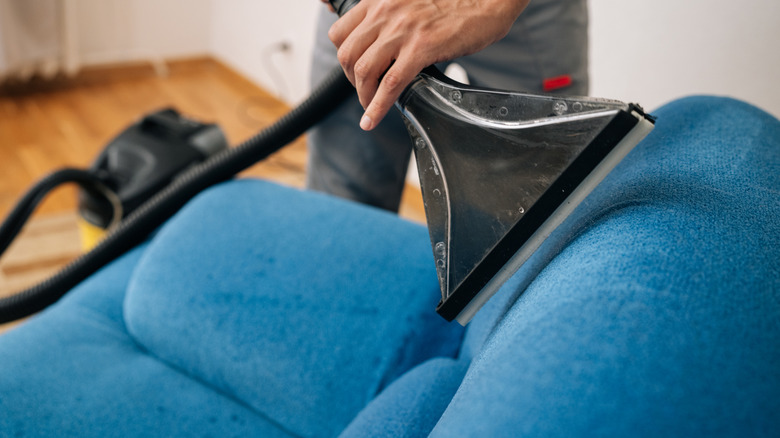
Germs aren't the only concern in areas where kids congregate — dust, crumbs, pet hair, and sometimes unidentified particles are par for the course in those spaces. Soft surfaces, like couches, chairs, pillows, and curtains, can collect those particles and cling to them. Not only is it gross to play in a dirty area, but the allergens in the mix can decrease the air quality and be a trigger for allergies and asthma. To keep the playroom and bedrooms as healthy and enjoyable as possible, clean all of the soft surfaces weekly to keep the particles under control. And all of those soft surfaces are still potential pools of bacteria and other microbes.
If you have a sofa or upholstered chairs in the playroom, grab your vacuum to suck up all of the visible and invisible particles on the surfaces and in the crevices. Pulling off removable cushions makes it easier to get deep into the crevices. Steam cleaning the soft surfaces also helps kill bacteria and lift off stains. Throw blankets used on the seating can go in the washing machine weekly to freshen them up and remove germs. You may want to clean any throw pillows in the space monthly or more often if your kids are sick.
Wipe down high-touch surfaces to remove germs
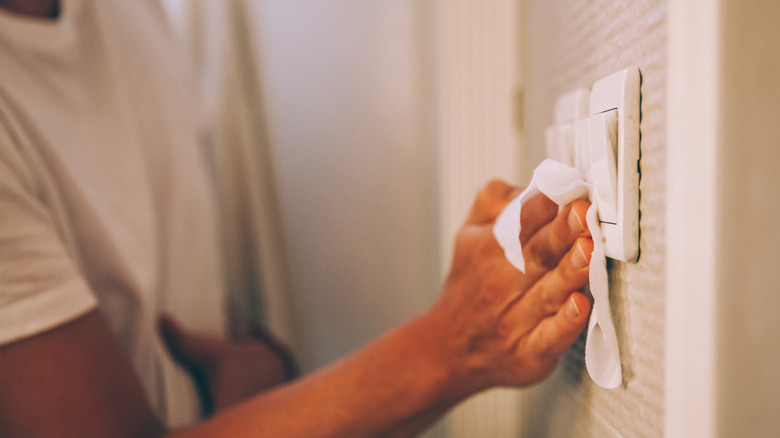
You're inviting bacteria to say in your home if you make certain cleaning mistakes, including failing to clean high-touch surfaces. What are high-touch surfaces? They're all of the areas that kids touch frequently in their bedrooms and playrooms. Especially for older children, that includes doorknobs, light switches, lamp switches, remotes, computer keyboards, and dresser handles. Those areas can be highly contaminated with the germs that people have on their hands, which could then get on the next person's hands. You'll want to wipe those areas down at least once per week, but busy areas might need more frequently cleaning. It's also helpful to do an additional wipe-down after you have guests or when family members are sick.
Disinfectant wipes work well for many of these high-touch surfaces, especially hard non-electronic surfaces like door handles — spraying liquid cleaners onto those items could cause issues with the electronic components. Use specialized keyboard cleansing wipes for computer keys, and disinfect light switches with a cloth gently dotted with isopropyl alcohol. Don't wipe the surfaces dry — the cleaner from the wipe needs to stay wet for a certain amount of time based on product recommendations to disinfect the surface completely. Contact time can vary, often anywhere from 30 seconds to 10 minutes — disinfecting wipes often have a contact time of four minutes.
Dust shelves and furniture to reduce allergens
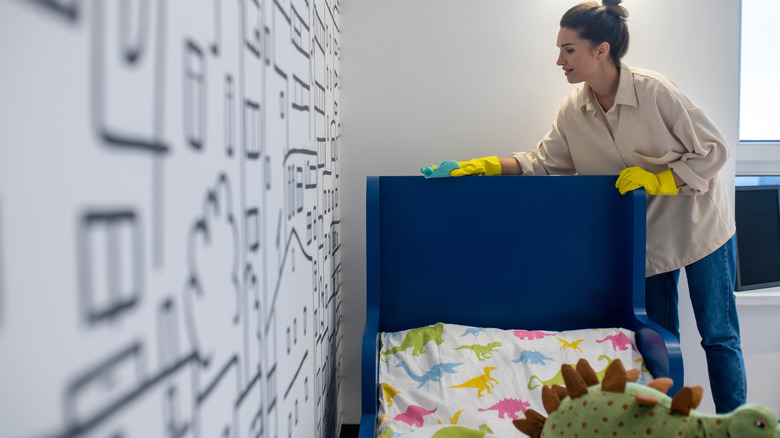
Weekly dusting throughout your house helps keep allergens under control. Your child's bedroom or playroom is no exception — hard-surface furniture pieces, like shelves, wooden chairs, dressers, and beds, will slowly collect dust particles and pet dander. Dusting every week helps remove those particles before they can accumulate enough to be highly visible and cause air quality issues.
It's best to dust from high to low points in the room to avoid knocking dust onto surfaces you've already cleaned. Don't forget surfaces like windowsills, blinds, and baseboards. Choose a soft dusting tool that won't damage the various surfaces in the spaces. You might consider using dusting spray products to help pick up more dust instead of just stirring it around, but read the labels to make sure they're safe to use around kids. Using a HEPA-filter-equipped vacuum to suck up the dust particles from the floor can cut down on the chances of redepositing them in the room.
Vacuum or sweep and mop the floor
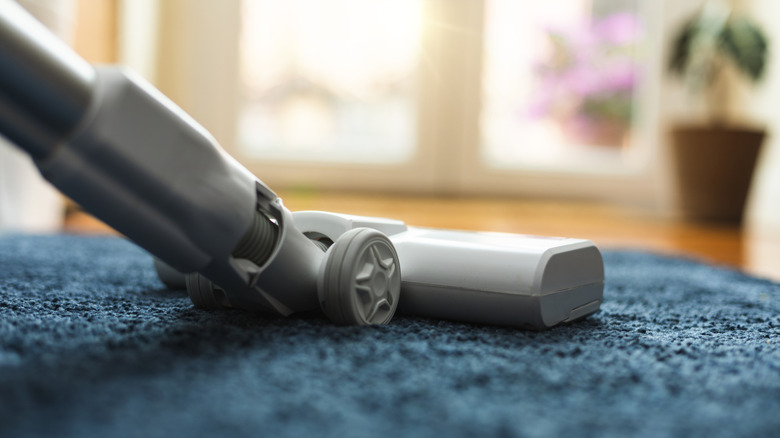
The floors in high-traffic playrooms can get dirty quickly. The flooring type can impact how messy it gets and how easy it is to clean. For example, carpet can be tricky in kids' play areas. In fact, the carpet could be the germiest place in your kid's bedroom — the fibers trap germs and allergens, and carpet can be difficult to clean thoroughly. Those floors benefit from a weekly deep cleaning, which may including sweeping, vacuuming, or mopping, depending on the flooring material. It's also common to do touch-ups throughout the week, particularly if there's a spill that needs to be addressed immediately.
Before vacuuming, check the floor thoroughly for small toys or pieces that could get sucked up. Saving your vacuuming until the end is often a good idea — that way, you've already picked up all of the toys and dusted so you won't have to redo any of the cleaning. If you have hard-surface flooring, mop the floors weekly, using a cleaner that's appropriate for the specific flooring type.
Empty and wipe trash cans
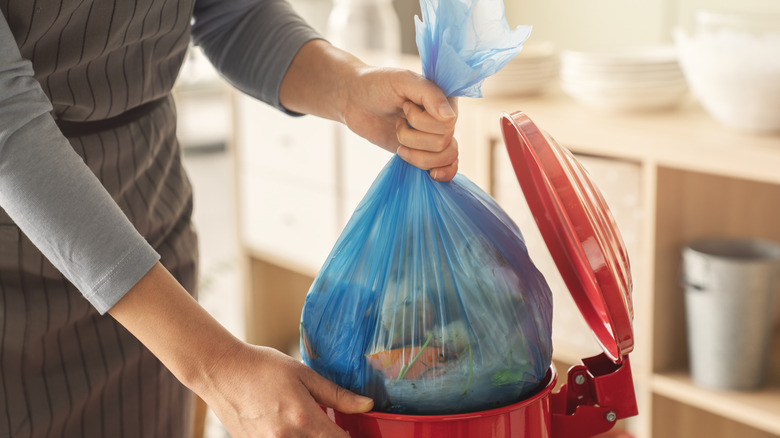
Trash cans are one of those spots that many people forget to clean. You're tossing trash there, so you expect it to be a dirty, smelly spot. Some people simply accept it as that and don't realize they can do something about it. Of course, you empty the trash can when it gets full, but that might not be enough to keep germs and smells under control. Cleaning the trash can in your child's bedroom or playroom is the weekly cleaning habit that can freshen up and deodorize the space.
A trash bin in a child's bedroom or playroom may not fill up too quickly, depending on how much the room is used. However, it's still a good idea to check the trash can during your weekly cleanup. Use a disinfecting wipe or a soapy cleaning cloth to wipe the rim, outside, and lid of the trash can each week. Sometimes, items like juice boxes could leak inside the trash can, even with a liner in place. Check the inside to see if it needs to be scrubbed and rinsed.
Wipe down the laundry hamper
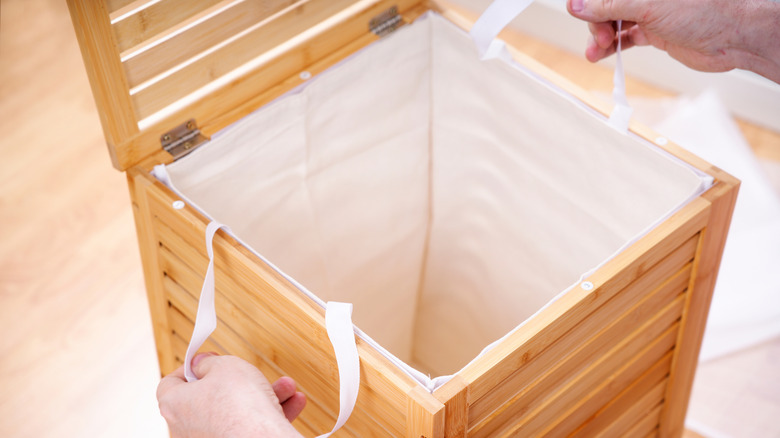
Putting a hamper in your child's bedroom teaches them how to keep their space tidy and makes it easy to collect the dirty laundry. But you might not think about the dirt, odors, bacteria, and other germs that can accumulate on the hamper. You might think since it's just a spot for dirty clothes, it doesn't really matter how clean the hamper is. After all, those clothes get washed anyway. However, the buildup can transfer to other clothes, making them even dirtier than they were originally. And if you use the same container for the clean clothes, they could get contaminated as soon as they come out of the dryer. Plus, the bacteria can cause funky odors from the hamper — and kids' rooms tend to have enough smells coming from them without more.
Cleaning your child's hamper weekly helps keep microbes and dirt under control. The best way to clean your hamper often depends on the material it's made of. For example, warm soapy water or a non-toxic disinfecting spray works well on plastic hampers. Removable fabric liners for hampers can go into the laundry for easy cleaning. If you have a weekly laundry day when you tackle your child's dirty clothes, that's an ideal time to also clean the hamper since it'll be empty.
Remove fingerprints from mirrors
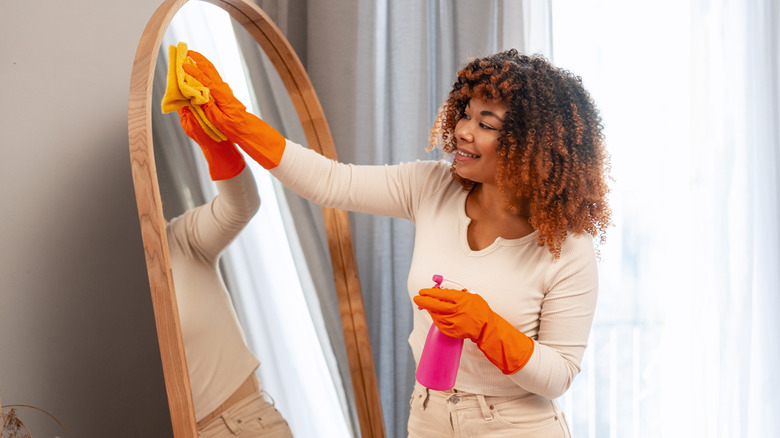
Decorative, full-length, and vanity mirrors are options that could be found in a child's room, especially as your kids get older and start taking more of an interest in their appearance. Some playrooms might also have mirrors for kids who enjoy dressing up as part of their imaginative play. Mirrors get dusty quickly, but they can also get covered in fingerprints from your kids. If the mirror gets used regularly, it'll likely be ready for a cleaning every week.
To avoid the mistakes people make when cleaning their mirrors, make sure you have the right tools and cleaner available. A dry microfiber cloth could be enough to wipe away dust and simple smudges, and you can follow up at the end with the dry microfiber to eliminate any remaining streaks. For actual cleaning, make a mix of half distilled white vinegar and half water for a gentle cleanser without harsh ammonia or other chemicals in the areas where your kids spend a lot of time. Using an S-shaped cleaning pattern with a microfiber cloth works well.
Remove and wash bedding for a fresh, sanitary place to sleep
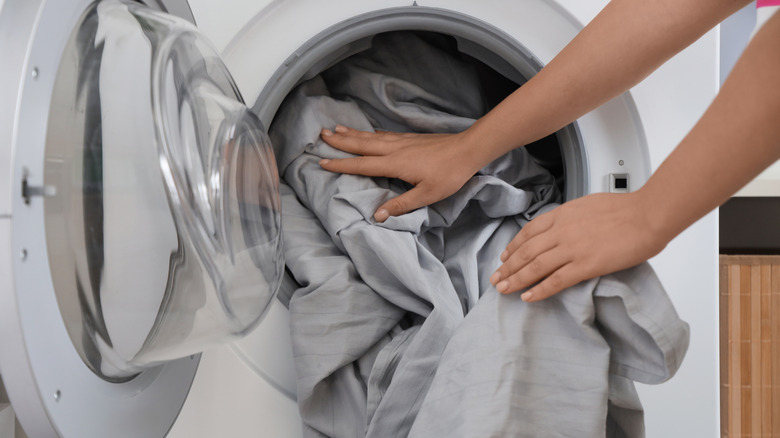
Your child's bedding could be a hotspot for germs (in addition to dirt, dead skin cells, and possibly bodily fluids). Kids spend a lot of time in bed, and while they sleep, they're breathing (and possibly drooling) onto their sheets and blankets. When they're sick, that means the bedding will really be full of germs. Dust mites are often a problem in bedding, which could be an issue if your child has allergies. How often you should be washing bed sheets can depend on your child's needs and habits.
Weekly bedding changes and washing is recommended, but the sheets might remain clean for longer if your kids bathe every night before bed. More frequent bedding changes might be necessary if your child sweats profusely or has accidents occasionally. You might also want to change your child's sheets more often when they're sick. To make the bedding changes easier, choose a certain day of the week to tackle your child's bed. Washing it on a hot water cycle helps kill more bacteria and eliminate dust mites. Having at least three sets of sheets for your child's bed makes it easier to handle laundry without running out of bedding.