

The Best Time To Install Insect Netting To Protect Your Vegetable Garden
We may receive a commission on purchases made from links.
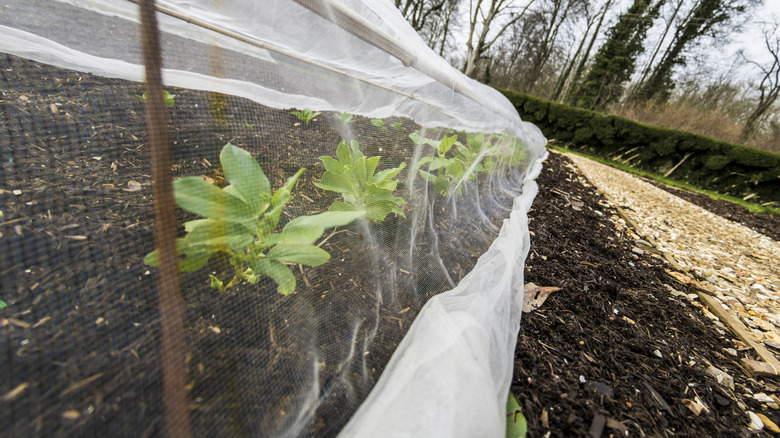
Ask any gardener who their nemesis is, and they will probably immediately tell you about some annoying pest that is snacking on their favorite crops. Insect damage is really frustrating, and when we want to protect our fruits and veggies, we are always looking for ways that allow us to keep our plants safe while avoiding anything harmful to us or the environment. One great way to keep your crops happy and healthy is with insect netting. This garden accessory creates a barrier between your plants and common garden pests. There are different types of insect netting, including fine mesh to protect from tiny insects like flea beetles and wider mesh that allows more air flow while keeping larger flying insects, like cabbage moths, from laying eggs on your crops. When using insect netting in your garden, it is essential that you install it at the right time to fully reap its benefits.
Installation timing will depend on what crops you are growing and the pests that love them. For spring gardens, cover cool season crops, like brassicas that can be decimated by cabbage worms immediately after planting the seeds or transplanting, usually around March. For summer crops that are prone to extreme flea beetle damage, like eggplant and tomatillos, install an insect barrier immediately after planting in late April through early June, depending on your region. If you are covering plants that require pollination to produce a harvest, like squash, you may want to remove the netting once they start bloom or learn to hand-pollinate.
Installing insect netting in your garden
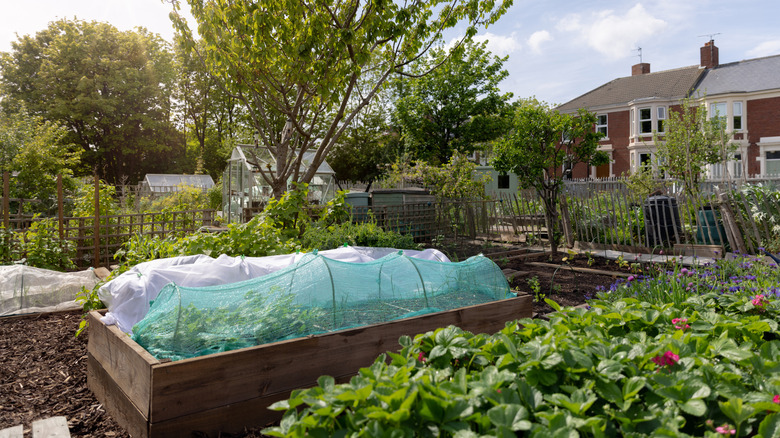
Installing insect netting, like this Garden Netting Pest Barrier, is very easy, and you can usually use what you already have to secure it over your garden. Small PVC pipes can be bent into hoops with each end secured to the side of a raised bed or pushed into the ground. You can also use scrap lumber or sticks to ensure the netting "floats" above the plants. Do not lay netting directly on top of your plants, as this will still allow pests to lay eggs or damage accessible plant tissue. If you have not placed the insect netting over your crops at the start of the season, you can still install it. However, you need to ensure that no insects have laid their eggs on your crops by inspecting the stems and leaves — especially under each leaf where pests like to hide.
Because some insects, like flea beetles, overwinter in the soil, you will need to continue watching your crops closely for damage or bugs even if they're covered in netting. If you discover problematic pests are damaging your plants, remove the cover and treat as needed with insecticidal soap, a strong spray of water from the hose, or hand-picking. Then, cover them again with insect netting to keep external pests out. Insect netting usually lasts at least five growing seasons, with some types being usable for up to 10 years. This means you can remove it once you have harvested your crops and put it in storage, allowing you to keep pests out of your garden year after year.