

How Much Does A Custom-Cut Rug Really Cost? Here's What To Know
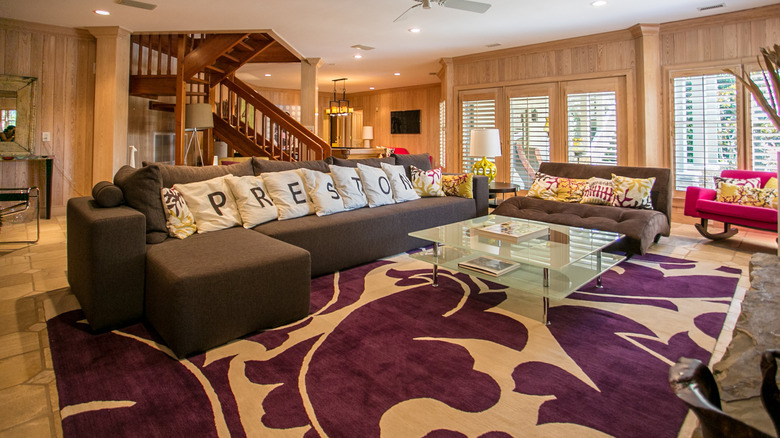
Are you struggling to fit a standard-sized area rug into a room with a protruding fireplace or an odd-shaped alcove? Or maybe you just can't find the material, pattern, color, and shape you want in a rug. While most people are used to the fixed prices for area rugs found at big-box stores, opting for a custom-cut rug changes the overall cost. Instead of settling for a "good enough" standard size, more people are following the custom flooring trend by choosing rugs that actually fit their room's specific layout.
You should expect to pay between $15 and $45 per square foot just for the base rug material before any labor is added to the bill. This higher price tag is because these rugs aren't just sitting in a warehouse waiting for a buyer. They're actually pulled from large rolls and cut specifically, and in some instances, hand-made to match your floor plan. This process eliminates the bulk-buy savings of mass-produced goods and replaces them with a pricing structure based on precise cuts. Since these items are cut to order, the manufacturer can't sell the material scraps after the rug is cut, which is why the cost per foot is typically much higher than buying a standard size from the store. The final price depends on how large the rug is and how much waste the specific cut produces during the cutting phase.
What factors impact the overall budget for a custom-cut rug?
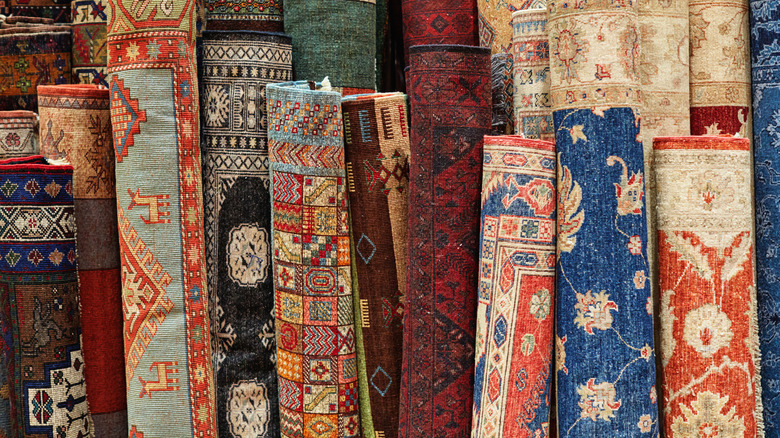
Finding the right material is the first step in designing your piece, and it's easy to see how adding a rug under your dining room table can make your space look luxe when you choose the right textures. The type of yarn used to create your rug is the most important factor for the total cost of the project. Wool is a favorite for custom work due to its natural elasticity and ability to bounce back after being stepped on, but it's usually at the top of the price scale. A custom-ordered wool rug with a hand-hooked texture often starts at around $25 per square foot. If you're looking for something more budget-friendly, natural plant fibers like seagrass or sisal provide a textured, organic look for about $18 to $20 per square foot.
Those who need durability for pets or children might go for performance synthetics, which usually cost about $23 per square foot. Aside from the material itself, the way the rug is made dictates the labor cost. Machine-made options are often the most economical because a power loom can produce hundreds of yards in a single day. Hand-tufted or hand-knotted pieces require a person to physically make the rug, which adds a significant cost to the final bill. Choosing a simpler weave can also help keep the price down even when using a higher-end material.
Professional edge treatments and padding add to the final price
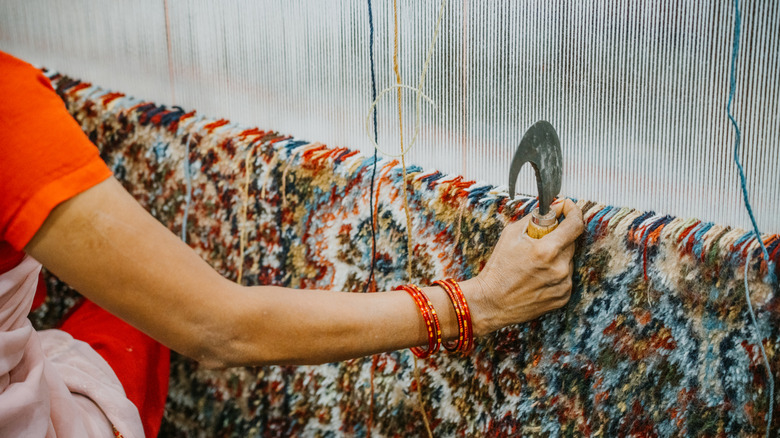
Designing a room can feel overwhelming, but many interior designers suggest you start with a rug and build from there. Once you've chosen your material, you need to consider the finishing. The raw edges of a freshly cut rug are prone to shedding and unraveling, meaning you need to pay for a finishing process to make sure the edges are protected. This work is calculated by the linear foot, which measures the distance all the way around the outside of the rug. A standard narrow binding made of synthetic fiber is the most budget-friendly route, which typically costs from $2 to $8 for every foot of the edge. If you prefer a more tailored look, such as cotton serging that looks like a hand-wrapped thread, the price moves up to about $6.75 per linear foot.
Wide fabric borders or decorative fringes can push these finishing costs even higher, sometimes reaching $12 per foot. A custom rug is incomplete without a high-quality pad to prevent it from shifting or bunching on the floor. A non-slip pad specifically cut to match your rug's measurements will add another $1 to upward of $14 per square foot to your total, depending on the thickness and quality of the pad. While these smaller changes might seem minor at first, they can quickly add up for a room-sized rug. Accurately measuring the entire perimeter is the only way to predict these types of finishing fees before placing your order.