

Your Home's Crawlspace Is More Than Just Empty Space
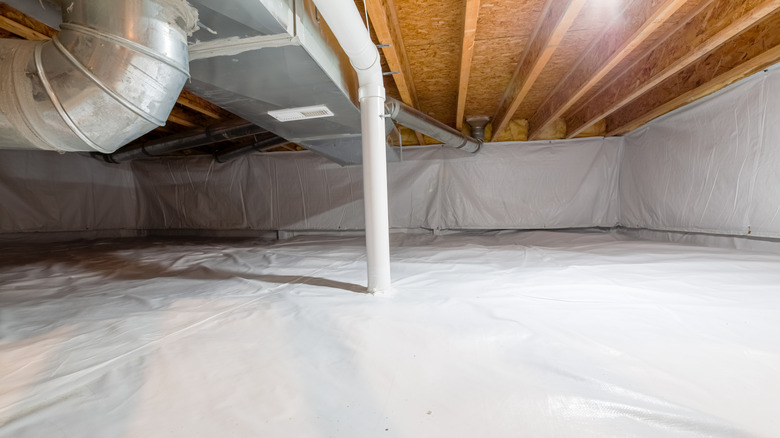
When you think about areas of your house that warrant the most attention, you probably think living rooms, bedrooms, or the kitchen. These rooms are undoubtedly important in keeping up the appearance and functionality of your house, and you use those spaces daily. Yet something that often flies under the radar is what is going on underneath the house. The crawl space is crucial for maintaining the structural integrity of your home. Crawl spaces provide access to the mechanicals of your house, like wiring, HVAC ductwork, and plumbing. Healthy, well-maintained crawl spaces also protect your home from moisture, humidity, and pest infestations.
A crawl space is an empty space between the ground and first floor of a house — it helps in elevating the structure, keeping moisture away, and providing structure to the house. Not all houses have a crawl space. In fact, a crawl space is just one type of foundation, with other options being a concrete slab or a basement –- all of these work to support the weight of the house. While basements can be big enough to live inside (albeit not too romantically), a crawl space is only about 1 to 3 feet in height –- enough only for someone to crawl inside. Having said that, crawl spaces are way cheaper to build than basements. Although crawl spaces can have certain drawbacks as well, such as less protection during storms, looking at their advantages can be helpful when you're thinking about buying a new house or want a better understanding of the crawl space you already have.
Crawl spaces can give you access to fix operational issues (& protect against infestations)
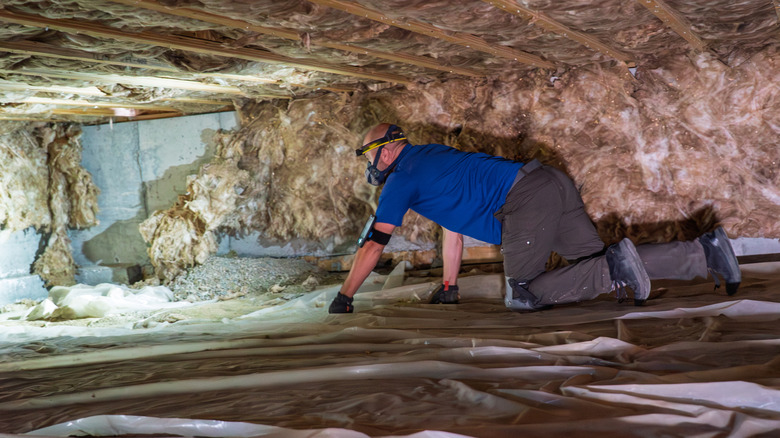
A crawl space allows access to the inner workings of the house in case a crucial functionality goes amiss. This can include faulty plumbing, damaged electrical wiring, leaking pipes, or problems with insulation. If your air conditioning bills are running high, you can inspect the crawl space and find out if one of the ducts is leaking air. If you have a concrete foundation instead of a crawl space, your only option for fixing major problems might be excavation. Moreover, with a crawl space, a kitchen or bathroom reno is easier to do when you need to make plumbing changes. For example, if you want to relocate a bathroom or change the layout of your kitchen, it's way easier to run the new plumbing lines if you have a crawl space for accessing the pipes.
What makes crawl spaces even better than basements, though, is that they offer more options to protect against moisture. This is especially true in a moist, humid climate or in coastal regions where the foundations can be pressurized by surrounding water. In such regions, your crawl space can save you from possible termite or mold infestations, provided you have them vented properly or if you use a dehumidifier.
Considering how much mold remediation costs, the right kind of crawl space (with the humidity levels in check) saves you from these extra repair costs. This is also why a lot of homeowners have their crawl space encapsulated or consider some other alternatives to crawl space encapsulation, like installing a vapor barrier. The elevation provided by crawl spaces is also helpful in keeping pests, like termites, away from your home.
Crawl spaces provide structural support and improve ventilation
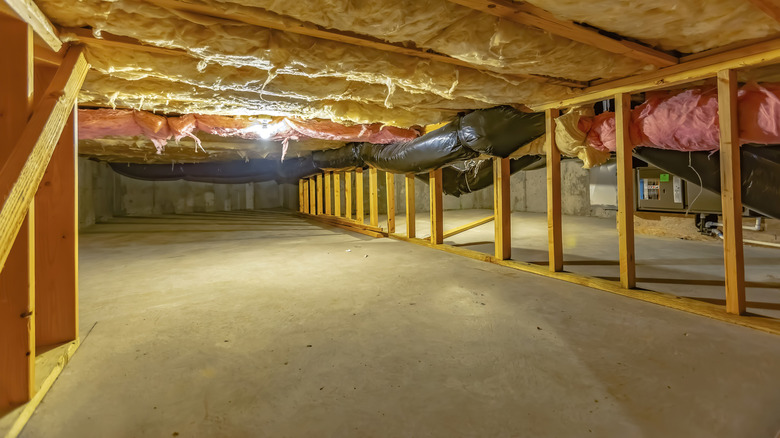
A crawl space provides integrity to the structure of your house. The beams and pillars present inside the crawl space provide much-needed support to the floors and prevent them from collapsing. Especially in areas with uneven grounds, a crawl space is a better option than usual slab foundations because it doesn't require extensive leveling. If not for the crawl space, leveling the ground by moving the dirt around would be more costly on a sloped lot. Crawl spaces are also better suited to a dry or warm climate, as there is less of a risk of moisture damage in the space.
Your home's crawl space is also a gateway for the air you breathe inside your home. Almost 50% of the air present in the crawl space finds its way into your living space, per Crawl Space Ninja. The drafts and vents present in the space are crucial for maintaining ventilation and circulating air upwards to the floors. Your home's crawl space can affect your interior's humidity levels as well.
Crawl spaces can also help improve the energy efficiency of your house. By insulating the walls and floors of the crawl space properly, you can reduce heat loss, save energy, and lower costs on your home insulation systems. Crawl spaces also fulfil the function of storage for essentials, like wiring, cooling systems, plumbing, and cables. They are a convenient location for storing HVAC units, ductwork, and sewer distribution units.