

You Need To Know This Before You Redo Your Garden In Your Historic Home
We may receive a commission on purchases made from links.
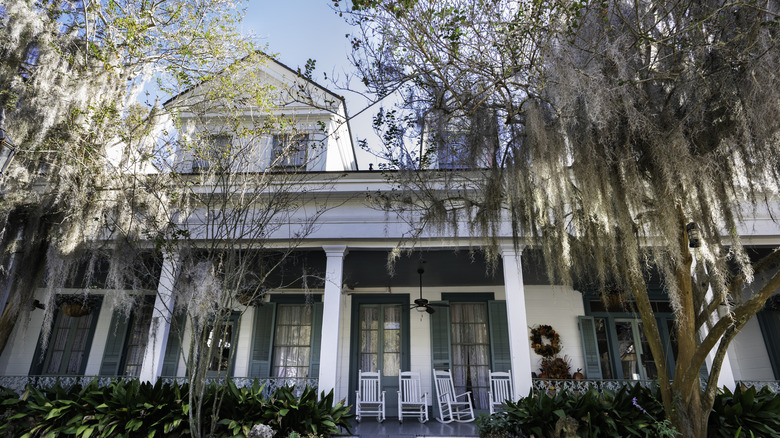
If you live in a historic home, then you likely know the feeling of having to completely remove an architectural element, piece of decor, or appliance due to decay over time. As such, it can be tempting to continue this tactic out into the garden and redo anything that isn't modern to replace it with something more up-to-date. However, a yard or garden that is attached to a historic home can actually hold a world of treasures you may just want to hold on to.
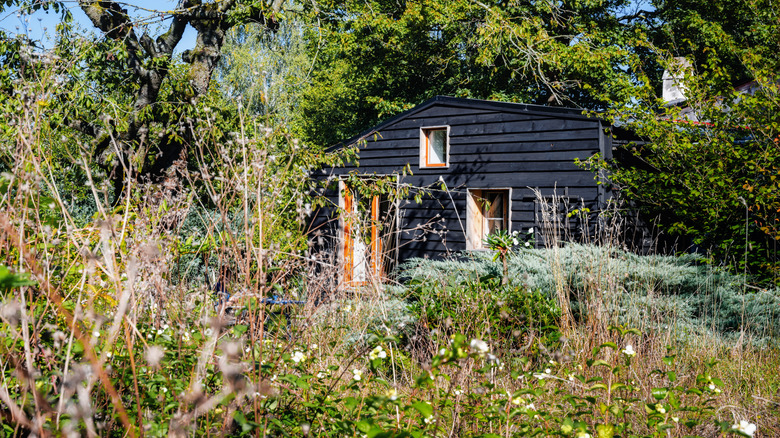
Firstly, it is important to know that gardens of historic homes may come with mature plants that have been established over time. While these can be daunting at first — with stray vines and piles of leaves burying the property — these aged plants are often considered valuable. For example, if you think about how much more expensive a large, mature plant is at the store than a younger one, this shows that older plants with a good level of health are often highly prized. This is because you don't have to wait for them to grow, twiddling your thumbs until their benefits — including adding privacy to your yard, filling in gaps in the garden, and adding visual appeal — are fully realized.
So, while that overgrown garden might seem like a complicated mess, it is likely worthwhile to keep and support those older plants because they can act as a well-established, charming, and solid part of your garden. But how exactly can you maintain the mature plants in your garden, and what other elements should you think about keeping as well?
Reviving a historic home's mature plants
The first step to reviving your historic home's garden without removing valuable plants is getting rid of debris. This could mean taking out old, rusted tools, dead branches, or plants that have entirely died back. Then, you can pull up any invasive plants or weeds that threaten the plants you want to keep. After that, you can start trimming! Make sure to check when it is best to cut back different plants and use a good handheld tool, like these Craft911 Ultra-Sharp Japanese Steel Pruning Shears, to make this task easier and keep the plants healthier overall.
Once the existing mature plants have been pruned, you can add new ones. Keeping the older plants is often a better option than entirely redoing the garden of a historic home because you will only need to fill in the gaps with new plants or decorative pieces. This can keep your garden looking full on a budget and add built-in charm that can otherwise be difficult to cultivate.
When choosing new plants, it can be helpful to identify which mature ones are already in your garden and look for plants that will thrive alongside them. For example, many historic homes from the early 1900s featured lilac bushes due to the popularity of floral motifs in Art Nouveau decor. If your garden has these shrubs, consider adding companion plants such as peonies or columbines, both of which thrive in USDA Hardiness Zones 3 to 8.
Retaining historic garden features
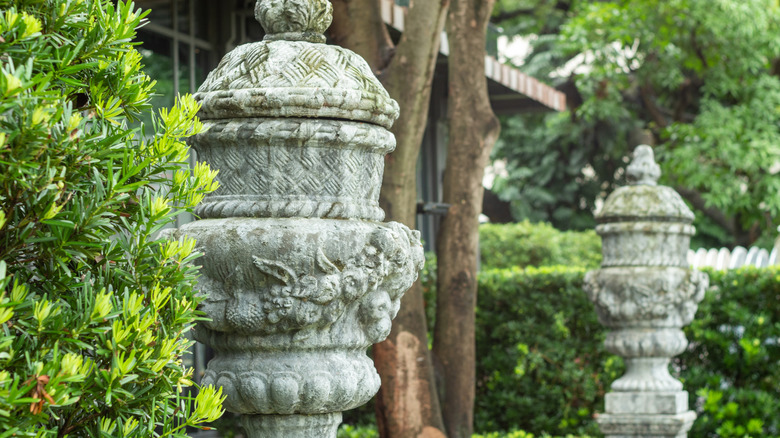
Many historic homes come with a variety of antique features such as dumbwaiters, phone nooks, and picture rails that add charm and interest to the space. And this isn't just true of the inside of the house. The garden itself can come with fascinating old structures or decorations that aren't seen as often anymore. For example, if your historic home is from the Victorian period and its garden features a rocky area with hardy plants around it, it's possible that your home has its very own 'rockery.' These garden designs reflected the Victorians' curiosity toward different terrains and were a place for them to experiment with landscape design and botany. Interest in beautiful rock gardens has increased in recent years, with some original ones being reimagined, so you may just want to hold on to your own to keep the historic appeal of this intriguing feature.
Apart from historical interest, you may also want to retain some of the objects in your garden because they could have monetary value. For example, as designer Leah Bailey told House Beautiful, some wrought-iron features like gates and trellises could be worth around $1,000 due to the recent popularity of this authentic material. Other seemingly humble antique items like statues, furniture, and even birdbaths can also fetch a healthy price depending on their make and history. Even if you don't want to sell these objects, they are great to keep in a historic home garden because they add unique appeal to the space and hint at the past that is intertwined with the property.