

What HGTV's Mike Holmes Looks For During A Home Inspection
Every homeowner knows one of the steps to buying a home is and should always include getting an inspection by a reputable inspector. There are also benefits to getting a pre-sale home inspection when you go to sell your home. But what a lot of homeowners aren't always aware of is what inspectors look for.
This is where advice from HGTV's Mike Holmes can come in handy. As one of the most well-known figures in the inspection world, there are a few specific things Holmes insists on for passing a home inspection. While we may think an inspection is going to involve moving things to look for deeper issues, cosmetic defects, or even pest problems, that's not always the case. Home inspections generally cover the basics like structure, electrical, and plumbing. And they aren't required to look into deeper problems, move furniture, or do things like remove paneling to search for damage or mold.
On his website Holmes also explains that it's important for homeowners to ask questions of their inspector to better understand the process and know what to expect. You should be aware of what is covered by your inspector. Are they licensed and insured? How long have they been a home inspector? Can be present during the inspection? Knowledge of the home inspection process can not only save you money from future repairs, but it might also be vital for your and your family's safety. With this in mind, here are the things to keep an eye out for from your home inspection based on Holmes's above average standards.
Holmes doesn't overlook the obvious
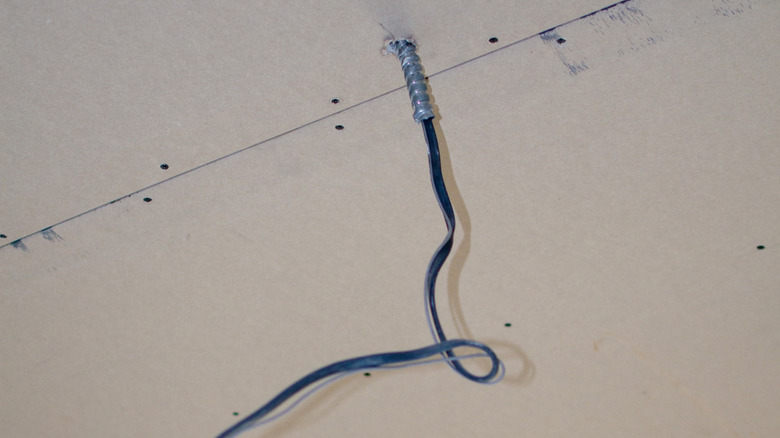
The first thing that should always be part of the home inspection process is looking for any obvious signs of potential problems. Some things a good inspector might be watching for during an inspection are water stains on ceilings or floors, stair-step cracks in the foundation, a sagging roof, missing or damaged shingles, and exposed or damaged wiring, just to name a few. Odd things that really stand out can be a sign of bigger issues.
He knows electrical problems can happen in new builds
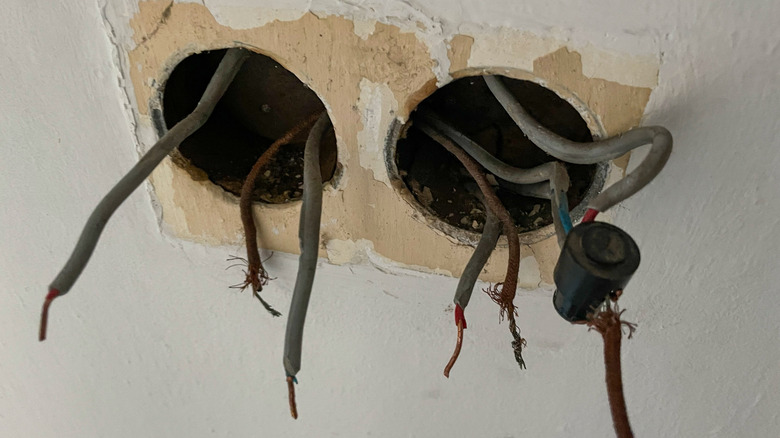
Holmes inspects for any issues with a home's electrical, no matter the age. It's expected that many older homes may have outdated wiring or electrical systems that need to be fixed or replaced. But sometimes new builds can have electrical issues as well. An inspector might look for outdated wiring, overloaded circuits, improper installation, not enough GFCIs, or water near electrical systems. Electrical issues can be extremely dangerous fire hazards, so they're important not to overlook.
Holmes highlights common plumbing issues
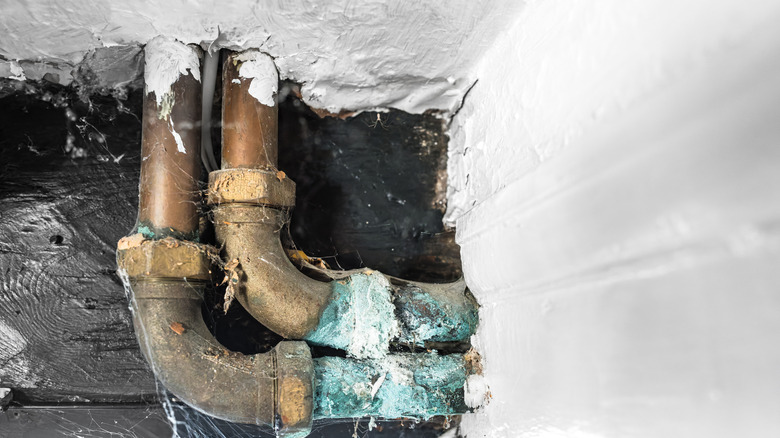
On Holmes' website it states that often, in an inspection, plumbing issues are one of the most common concerns his team finds. Inspection of the plumbing may include any signs of leaks, corroding pipes, water pressure, septic or sewer drainage systems, and the water heater. If there are any problems with plumbing, it can cause structural damage, mold, and expensive repairs.
HVAC should be thoroughly inspected
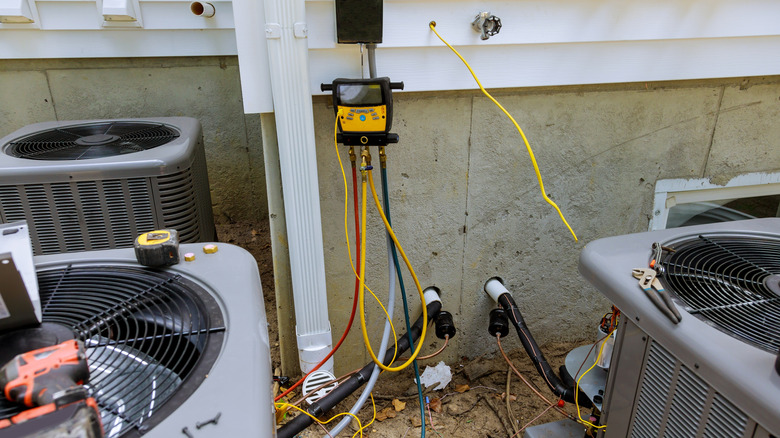
As with many of the systems in a home, a typical home inspector only looks for safety issues, whether the system is functioning properly, and visible leaks or damage. Holmes states on his website, "We check for issues such as clogged filters, improper insulation around ducts, or signs that your furnace or air conditioner may be nearing the end of its lifespan." If you suspect there might be deeper issues with your HVAC, you can reach out to a specialist to do a more in-depth inspection of the system.
Holmes looks at the finer details of a home's structure and foundation
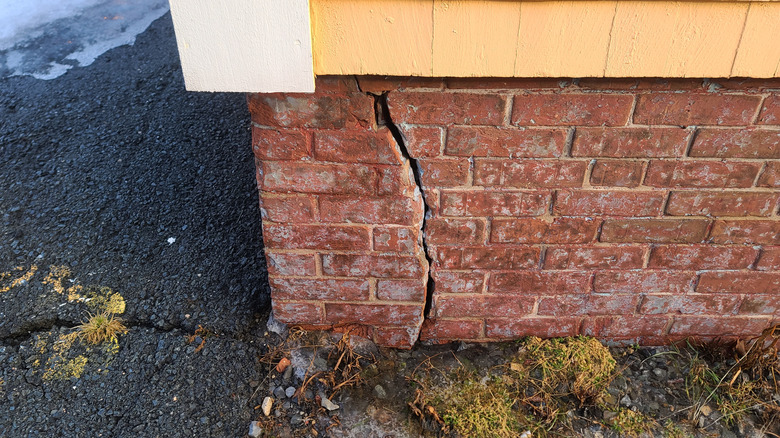
Generally speaking, structural or foundation defects are usually spotted during the "potential obvious problems" search. But there are more subtle signs that can indicate foundation or structure damage or wear. Older homes becoming drafty is a big sign of foundation shifting or settling. Doors or windows that won't shut properly can also be a sign of structural issues. Holmes looks for many of these issues when inspecting a home, whereas a traditional inspector might only look for visible signs of problems.
Issues on the roof can go unnoticed in regular inspections
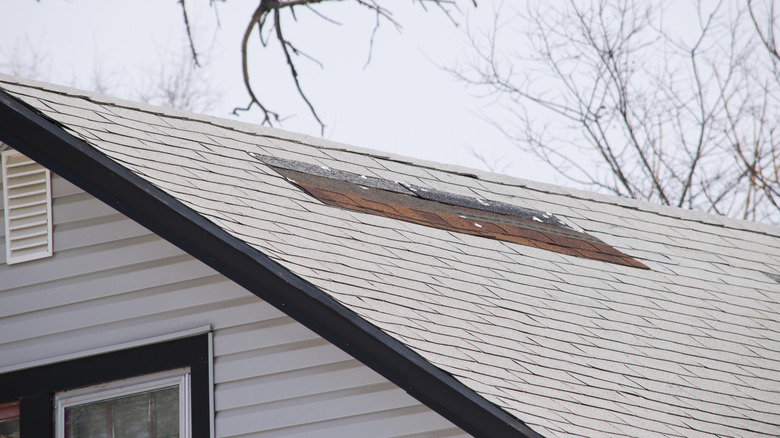
While the roof is generally considered part of the structure, it can also have issues that might not be considered indicators of structural problems. A normal inspection will cover observing roof tiles and shingles, sagging or signs of aging, downspouts and gutters, vents, chimneys, and skylights. But sometimes the inspector won't go physically up on the roof for a thorough check, so issues can be missed. Holmes' website states that it's important to seek a trained professional to inspect your roof.
Heat loss or moisture intrusion may be missed by certain inspectors
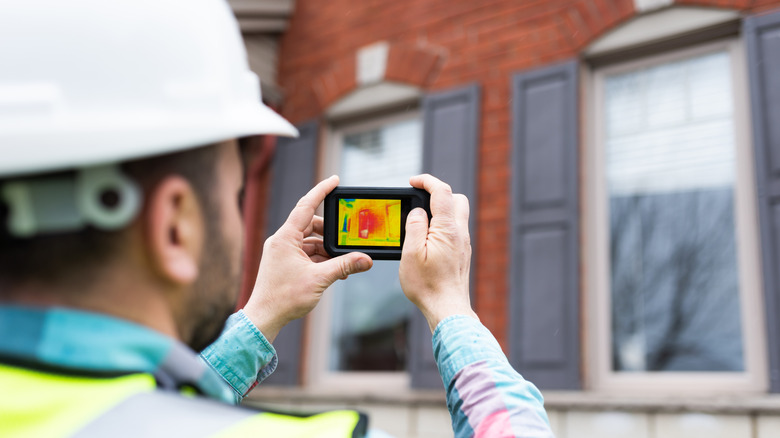
Heat loss and moisture intrusion are generally signs of something more serious. Heat loss can happen around windows and doors because of foundation problems, damage or aging, or improper insulation. Moisture intrusion can indicate plumbing problems, HVAC defects, improper draining around the home, roof leaks, and foundation problems as well. Holmes recommends thermal imaging for these issues to detect hidden problems a regular inspection might not catch.
Holmes goes the extra mile by inspecting appliances
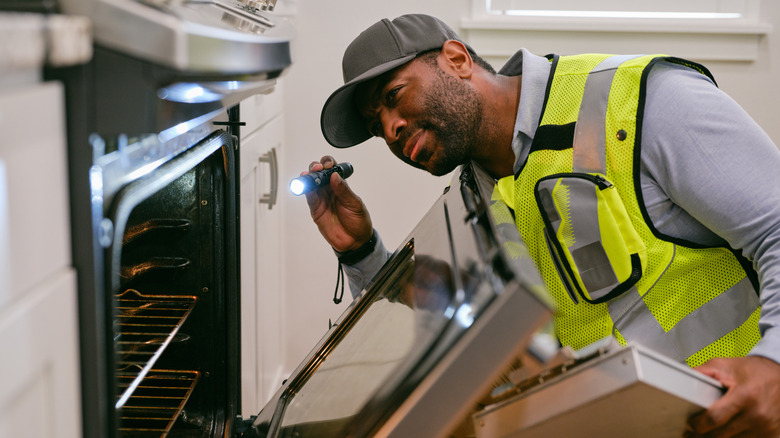
During a regular home inspection, the inspector may turn home appliances on and off just to make sure they power on and function. A deeper inspection will check for leaks, any possible electrical issues, seals, and other things that might not show up from a simple check. If appliances are included in the home sale it's important to make sure they function properly and don't have any hidden issues.
A thorough inspector will alert you to potential unpermitted work

Lastly, something Holmes mentions in many episodes of his shows is unpermitted work. While a home inspector isn't always going to proactively check the records to find if the homeowners received permits for work or repairs, they are trained to look for any signs of work done to the home. A good home inspector will let you know if they see signs of repairs or renovations done on the home and advise you to check whether or not permits were obtained for the work.