

Studies Show This Strange Gardening Tactic May Boost The Quality Of Your Fruit
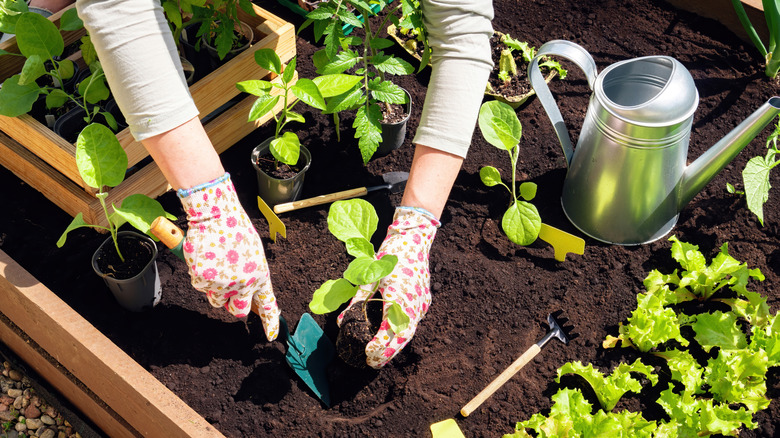
Gardeners often spend their time meticulously protecting their plants from every passing beetle or sudden gust of wind, but it turns out that a little bit of trauma might actually be exactly what your harvest needs to reach its full potential. Scientists at Texas A&M AgriLife Research found that the strange tactic of wounding leaves can trigger a survival mechanism that results in a more nutritious crop. Rather than focusing solely on growth, leaf injuries prompt plants to activate defensive responses that increase beneficial compound production.
This phenomenon mirrors what happens in nature when insects munch on the leaves of a plant, but you can get similar results manually by creating small tears or punctures in the leaves. When a plant feels under attack, it shifts its internal chemistry to protect itself, which unexpectedly carries over into the fruit you eventually eat. For those who like to grow strawberries (Fragaria x ananassa), this can be a game-changer. These plants grow well in USDA Hardiness Zones 5 through 9 and respond remarkably well to this type of environmental pressure.
If you've ever wondered whether plants can truly experience stress, the answer is yes. By understanding how a plant reacts to stress, you can get away from pampering it and start seeing your garden as a living system that sometimes performs best when the going gets slightly rough.
Leaf damage triggers a spike in healthy antioxidant levels
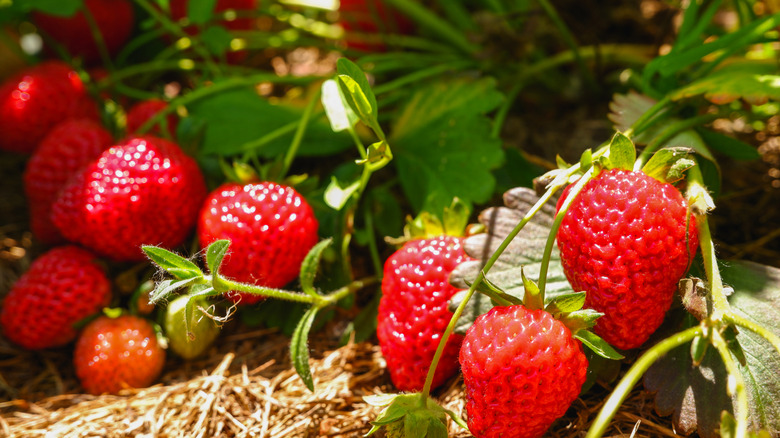
The science behind this unusual approach centers on the way a plant manages its resources when it feels threatened. The scientists at AgriLife Research have found that when leaves are wounded, the plant experiences a systemic stress response that travels far beyond the site of the injury. This reaction causes the plant to overexpress specific genes responsible for creating phenolic antioxidants. These compounds serve as natural defenses for plants and offer nutrients that may support human health.
While you might assume that damaging the plant would take away from the energy used to grow the fruit, the opposite happens. The plant actually moves more carbon and sugar toward the fruit to support the production of these antioxidants. This means your strawberries or vegetables could end up with a much higher nutritional value than those grown in a pristine environment. The study noted that mimicking insect feeding a few days before harvest is sufficient to activate this response. If you want to grow strawberries like a pro this spring, using this technique could result in fruit that's significantly better for your diet than what you can buy in the grocery store.
Physical leaf wounds help fruit stay fresh longer after harvest
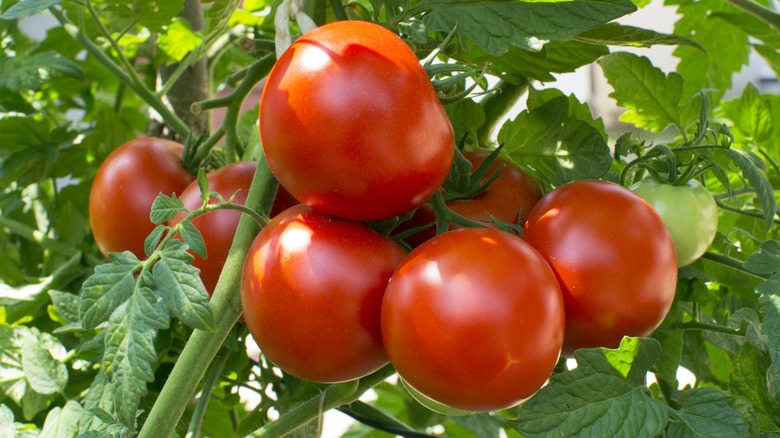
When you damage a plant's foliage, you can create a hardier piece of fruit. Research indicates that leaf damage triggers signaling molecules, such as jasmonic acid, which help fruit better tolerate stress after harvest. This can help in growing tomatoes (Solanum lycopersicum) in USDA Hardiness Zones 3 through 11. By creating small punctures in the leaves, you force the plant to strengthen the cellular walls of its fruit to prevent potential decay or infection. This means the tomatoes are less likely to bruise or spoil quickly once they're picked.
While you might remove a few stems or leaves by pruning to help with airflow, it's the actual tearing of the leaf tissue that sends the signal needed to increase the preservative compounds throughout the fruit. If you're looking for tips for growing the best tomatoes in your garden, intentionally causing a bit of trouble like this teaches the plant to protect its fruit from future threats. This results in a harvest that resists rotting much better than a plant that was never disturbed. Taking the time to harm the leaves actually makes sure the fruit stays fresher for longer and is better for you.