

Your Due Diligence Steps Before Hiring Someone To Work On Your Home

While there are numerous basic DIY home improvement projects you can undertake, you should leave complex tasks, like roofing, plumbing, drywall installation, and wiring, to the pros. Granted, you'll have to spend more to hire a certified expert, but you can rest easy that all the work will be up to code. However, to achieve this dream without handing over thousands of dollars to swindlers, you must avoid mistakes everyone makes when hiring contractors. For instance, instead of hiring the first professional you see on the Internet, make a list of high-rated firms (or individuals). You can even ask your friends and family for referrals. Then, vet them extensively to pick the right home improvement professional for your project(s).
To illustrate, you want to inquire about their background and expertise. This will help you shortlist pros who'll be right for your needs. Now, request them to share their licenses, a few details of their most recent projects, and send you client referrals. In the meanwhile, put on your private investigator hat (read: stalker) and check out their website, socials, and government sites to verify their claims. Once you're certain that you're dealing with genuine companies, tell them more about your project expectations and get into minor details, like permits, warranties, safety record, timelines, and payment structure. Also, keep an eye on their professional behavior. Curious to know more? Here are 17 due diligence steps you should take before hiring someone to work on your home.
Pose questions about their experience and expertise

As you interview contractors for a project, always start your research by inquiring about their relevant experience and expertise. After all, you don't want someone well-versed in exterior projects to handle an interior renovation, like your master bathroom remodel. So, ask them if they've worked on similar projects in the past, and don't be afraid to get into the finer details to uncover the entire story. Also, pose questions about their expertise, the number of years they've been in the contractor business, and the kind of projects they've handled — successfully or otherwise.
Request them to share client references

While you want to probe their professional background and ask them as many questions as possible, don't just take their word for it; HGTV's Mike Holmes is a fan of references when hiring a contractor, and you should be too. This ensures they don't gloss over important details or fabricate entire stories to improve their chances of winning the bid for your project. Once you receive a list, contact as many people as you can and ask them questions about the contractor, such as their work ethic, tendency to complete projects on time, and whether their quality of work meets the client's requirements.
Check their reviews online

Even though you want to speak directly to past clients, you can check out their online reviews while waiting for them to share a list with you. This way, if someone has a really bad reputation on online forums, you can skip contacting their references and save some time. Start with their website and social media pages, paying close attention to the comment section. Follow this up by checking their ratings as well as what people say about their work quality on reputable platforms, like the Better Business Bureau, Yelp, Google, Angi, and HomeAdvisor.
Find out what their reputation in the community is like

Admittedly, speaking with their past clients and checking out their reviews online will tell you what you want to know about a contractor. Unfortunately, you can't be sure whether their friends and family are posing as past clients or if they have paid for their online reviews. So, to be on the safe side, contact the local home builders community to learn their reputation in a particular locale. In case that isn't possible or the process is too long, go to the U.S. state consumer protection offices' site to learn more about them.
Get them to send you their licenses and other credentials

If their background is solid and clients admire their work quality, get the contractors to send you their licenses and any other credentials they hold to be 100% certain. Although the requirement will depend on your location and the type of work the professional does, a field-specific license will tell you whether or not they're fit to work on a specific project. To avoid getting duped by tricksters, check their license validity on official websites, too. For example, California residents can look up a contractor's license on the Contractors State License Board website.
Don't forget to inquire about their insurance

Inquiring about a contractor's insurance is one of the most important due diligence steps, and you don't want to skip it unless you're fine paying out of pocket for injuries they incur while working on your property. This is why they should at least have generous workers' compensation insurance. And if they'll be handling extensive renovations, ensure they have general liability insurance, too, so you're protected in case they damage your property. But don't just believe what they say; ask them to share a copy of the certificate of insurance to be certain.
Determine if they offer any warranty

Determining whether a contractor offers any warranty on their workmanship or materials used is another thing you want to confirm before hiring them. Although this isn't strictly required, this showcases their confidence in their processes and saves you headaches down the line. In case your chosen contractor provides coverage, get important details, like what's covered, for how long, and what the claim initiation process looks like, before moving ahead. Generally, experienced professionals cover their work and new fixtures from one to five years, depending on the scope of work and the chances of something going wrong.
See if they're willing to work on home renovation permits
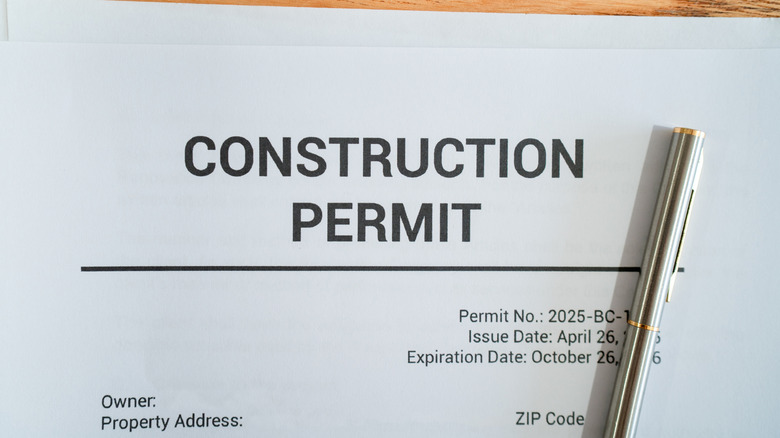
There are certain types of home renovations that require permits before starting. So, you want to first recognize whether you need one and, then, determine if you need to be the one applying for the required permit(s) or if your contractor handles them. Ask them directly and be clear about this, or your remodeling projects might run into compliance issues later. And if they're willing to handle the documentation, get a rate card from them and keep track of all the permits they apply to for your home.
Probe their safety record

Look into a contractor's safety record prior to greenlighting them. Even though it might not seem important in the grand scheme of your project, a safe worksite can mean the difference between workers remaining safe and getting hurt constantly. So, prompt them to reveal how they maintain a safe working environment for not only their team members but also the residents occupying a house. Moreover, ensure they're aware of and follow the local laws and regulations. Also, check whether they use equipment that's up to industry standards and inquire about the kind of training they offer their employees.
Seek information about subcontractors
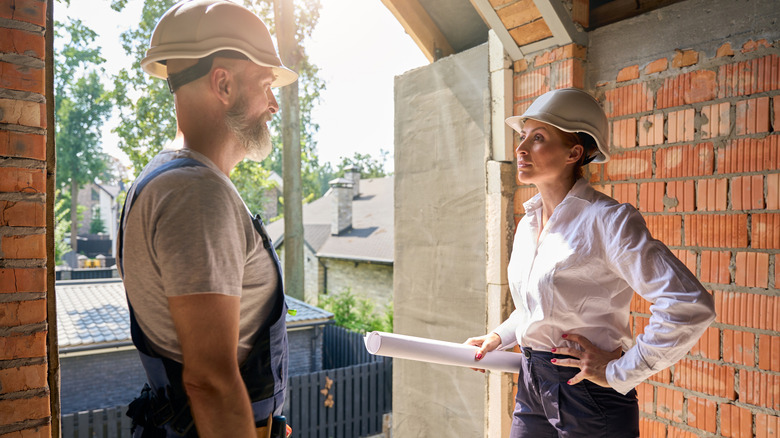
Now, you can ignore this step if you plan on hiring a big company that has specialized professionals on its payroll. But if you're going with a smaller firm, ask them beforehand if they'll be hiring subcontractors for the project. In case they do, request them to share their licenses and insurance details as well. Additionally, tell them to outline the work they'll be subcontracting, if they've worked with them in the past, how many days these workers will be visiting the site, what their payment terms will look like, and if they'll swap out workers mid-project.
Work out who will be in charge of your project
You might meet the owner of a small company or the sales manager of a big one in the preliminary stages. But there's a strong possibility that you won't see them much once the actual work begins. To eliminate all uncertainty, find out who will be in charge of your project and confirm whether that same person will be your primary point of contact, or if you need to bring your queries and grievances to someone else. Either way, be sure to get their contact details in advance.
Ask them to clarify the project's time frame

While you may not think much of it initially, you want to clarify the project's time frame with the contractor in advance so there's no confusion later on. Remember, they won't be able to give a strict timeline they'll adhere to, but they can give you a rough estimate. Besides preparing you for the upcoming renovations, it'll help you understand how busy the contractor is and if they'll be working on your house exclusively during the quoted period. Also, don't forget to ask them how they deal with unwarranted delays.
Evaluate their communication skills

During your back and forth with a contractor, make sure you pay attention to how responsive they are. Evaluating their communication skills now will come in handy later, and you can rest assured that your chosen team won't leave you hanging when you ask them questions or demand explanations for sudden delays or unplanned breaks. Moreover, you want to establish the preferred mode of communication beforehand. Ask them if they're comfortable taking calls or prefer texting. In case of the latter, you could also enquire about their favorite platform or tell them yours.
Insist on a written contract

When you find the person (or team) you'd like to work with on renovating your home, it's time to finalize important details, including the scope of work, payment terms, and suggested time frame. However, don't rely on verbal contracts and handshake deals because ultimately it'll be your word against theirs. To avoid heated arguments and expensive unfinished projects later, always insist on a written contract. And if at any time during the course of remodeling you or your contractor would like to change the terms, have a written record of it, too.
Pay close attention to the terms of the contract

After you have a drafted contract in your hands, ensure it's clear and contains all the pertinent details prior to signing it. Check whether it contains the contractor's information, including his name, license, and phone numbers, as well as office address. You also want to pay close attention to the work a contractor will be undertaking, the amount of time they'll take to finish it, and the proposed list of materials. Include the promised warranties and guarantees, too. And if possible, add a clause for disagreements and how they'll be solved.
Ensure there's no confusion regarding the terms of payment

Another thing you want to clarify before signing the contract is the terms of payment. First off, ask the contractor to explain whether the proposed bid is fixed and has built-in contingencies for surprises, or if it is a loose estimate that can change at any time. Then, mark down the payment method — whether it'll be cash, card, bank transfer, or another form (ideally, you don't want to pay the entire amount in cash). Moreover, work out when you'll be making the payments. Usually, you pay a little upfront, then subsequent amounts on the achievement of a milestone before making the final payment upon delivery.
Make signing the paperwork a priority

Once everything's in order and you've clarified all your doubts, it's time to sign the contract. However, if you're still in two minds or smell something fishy, have a lawyer look at it before binding yourself legally. But don't just put down your initials on the dotted line and hand over the papers to the home improvement professional. Create copies, have them sign the required columns in your presence, and file the documents in a labeled folder in a safe space, such as your home office or living room cabinet.