

28 Vegetables People Grew & Relied On During The Great Depression
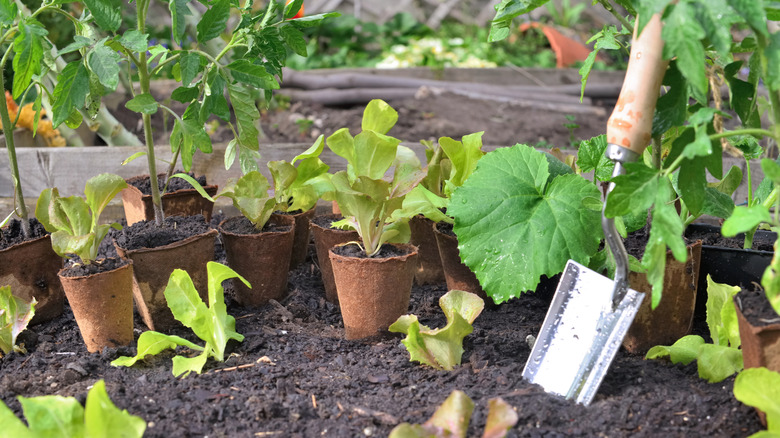
Distress over rising food prices or interest in sustainable living has revived interest in Depression-era recipes — they are trending in all of our social media feeds. This naturally leads us down a rabbit hole of exploring what American gardening was really like back then. Perhaps unsurprisingly, frugal families focused on growing dining table staples like potatoes, corn, tomatoes, beans, okra, peas, squash, and radishes. Some vegetables we'd consider unusual today were also planted, like salsify. It was favored for its meaty texture and flavor, since meat was a scarce commodity.
The Great Depression — a massive economic crisis that began in 1929 and lasted for a decade — pushed many families to the brink of poverty. To conserve resources, ease supply lines, and improve family nutrition, federal and state governments encouraged people to grow their own produce in their backyards or community gardens. Named relief gardens in this period, they were later renamed victory gardens during the Second World War. Home growers focused on crops that were easy to grow, produced abundantly, were simple to preserve, and were jam-packed with nutrients. Here are 28 vegetables that sustained people through the Great Depression that you may want to plant today, too.
Potatoes
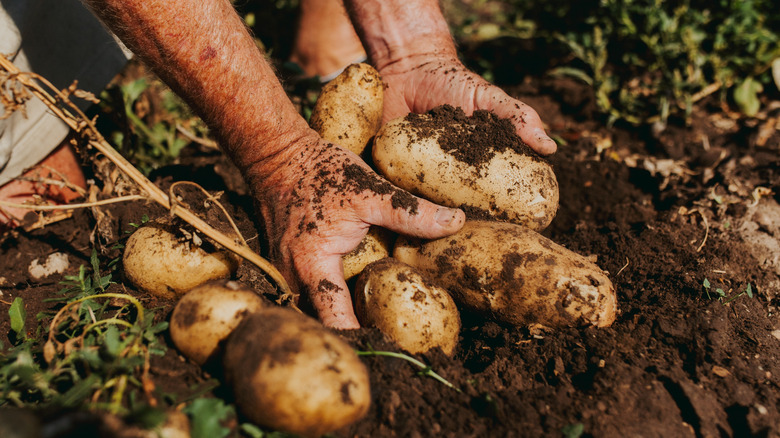
During the Depression, potatoes were an undisputed staple, with dishes like bologna and mashed potatoes popular at the time. Families new to home gardening could easily grow this crop because potatoes are so forgiving. In fact, potatoes grow well in most parts of the country. Plus, they could be stored easily, providing food through tough winters. It also helps that potatoes are highly versatile and calorie-rich. You can mash, bake, fry, or boil them and add them to stews, soups, casseroles, and even pancakes. They contain fiber and some essential minerals and vitamins, too.
Sweet potatoes
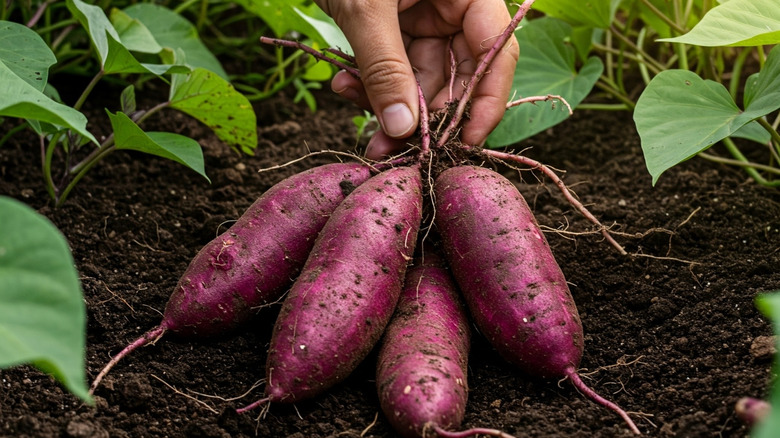
When food became scarce during the Great Depression, many households started growing and eating sweet potatoes in the summer. Like potatoes, they're rich in calories and satiating, though cooking them does lower their starchiness. They also store well, and in fact, become sweeter if stored someplace warm and humid. They developed a reputation as merely a subsistence crop, losing their favor with the population as household finances improved. Today, however, they're considered a nutrient-packed, healthier alternative to French fries or the perfect accompaniment for marshmallows. (Thanks, no thanks, Hoover.)
Carrots
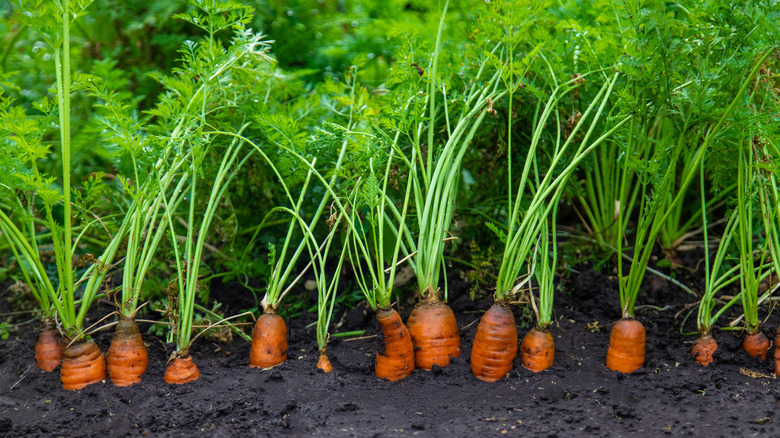
Since meat was scarce during the Depression, people made do with carrots (along with other leftovers) when they were in the mood for a loaf. Former First Lady Eleanor Roosevelt also popularized carrots in white sauce with spaghetti, which would be a hard pass today, but worked for a more versatile palates back then. Carrots are a stick-to-the-stomach food because they have lots of fiber, while their slight sweetness suits most dishes. People shared easy tips that made growing carrots a breeze, and storing them was even easier. You simply leave them in the soil.
Beans
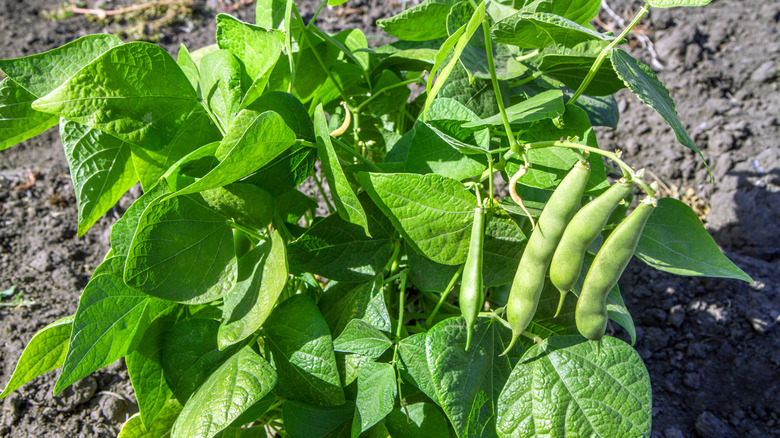
Quite a few types of bean plants are easy to grow. Plus, both the dried seeds and fresh pods are chock-full of nutrients and fiber. Pinto, navy, great northern, and Midnight Turtle were go-to species for Depression-era families. Others dabbled in pole, runner, and yard-long cultivars, including 'Kentucky Wonder,' 'Purple Podded,' 'Gita,' and 'Python.' The ornate, pollinator-friendly scarlet runner bean was also popular. Beans are versatile — they were mashed or added into pretty much everything, from soups and sandwiches to cakes. Of all the Depression-era recipes making a comeback, navy bean soup and beans and rice remain favorites.
Tomatoes
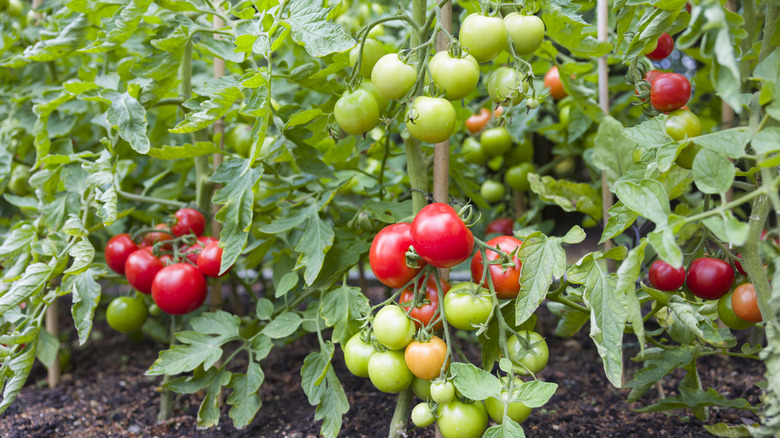
Technically a fruit, but treated as a vegetable, tomatoes were also commonly grown in Great Depression-era home gardens, with families plucking the plump orbs right off the vine to eat fresh. Others were frozen, canned, or preserved for future use. They were used as a means to stretch meals, often turned into soups and sauces, like Roma sauce, for pasta. Delicious heirloom tomato varieties to harvest in summer, both back then and today, include 'Mortgage Lifter,' 'Cherokee Purple,' and 'Brandywine.'
Corn
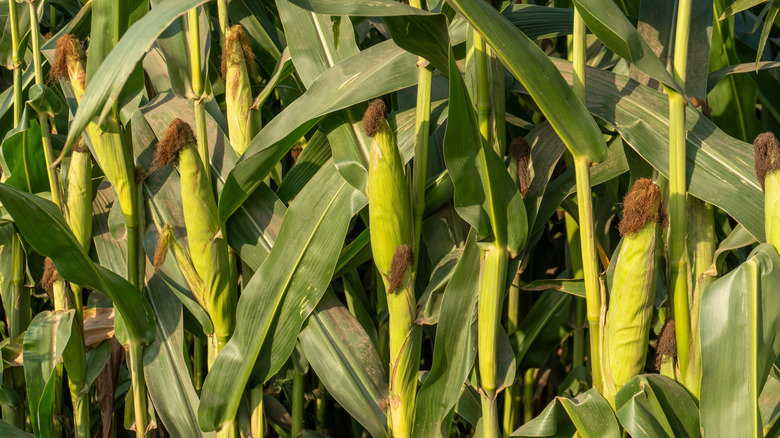
During the Depression, people believed that as long as a family had cornmeal and flour in their pantry, they would always be able to put a meal on the table. That's why many people grew corn in their gardens, especially yellow dent corn, which today is either processed into tortilla chips, oil, or livestock feed. Sweet corn cultivars like 'Golden Bantam' and Indian corn varieties, including the rainbow-hued 'Glass Gem,' were popular for their starch content. Although cutting the kernels from the cob was tedious, it allowed families to can the crop so it would last well past harvest.
Okra
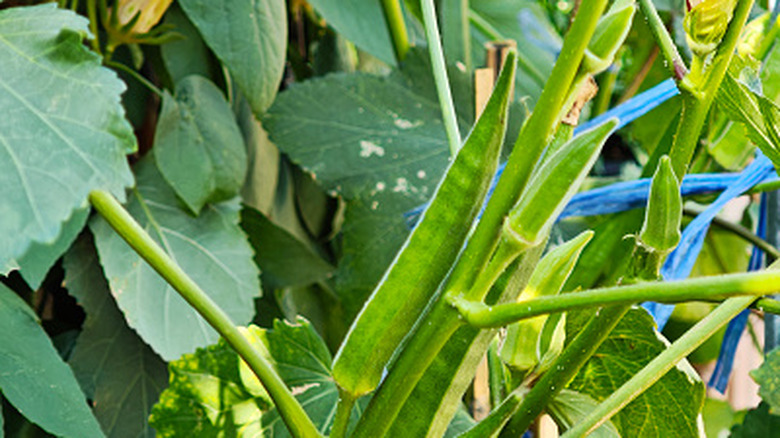
Love or hate the gelatinous pods, but okra ensured the survival of families in the American South during the Great Depression. This garden staple helped round out meals, as it was rich in fiber, vitamins, and minerals. Okra was highly versatile; it could be consumed raw, steamed, or roasted, and was commonly used to thicken gumbos. To provide in lean months, okra — along with other vegetables like carrots and beans — was pickled in lemon juice or vinegar and spices.
Garden peas
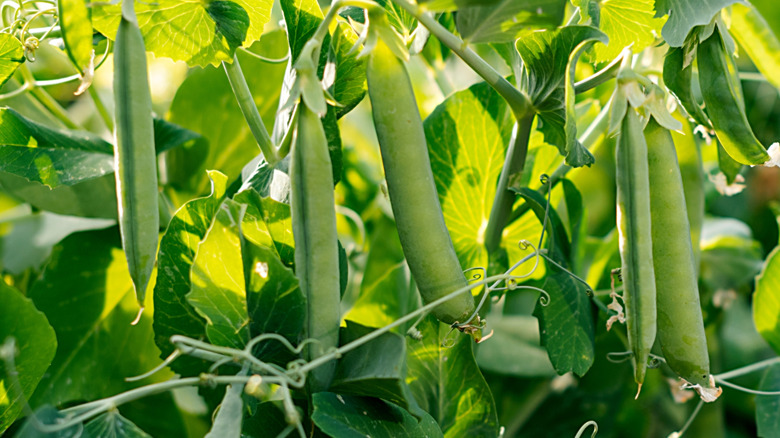
Garden peas were prized as sources of protein and fiber during the Great Depression. They were commonly planted in home gardens during spring and fall. They were integral to Hoover stew, one of the many dishes that defined this financially lean era. At other times, they were creamed with potatoes or dried for casseroles to stretch the meal. Any crop that wasn't immediately consumed was canned and put away into the pantry for times of scarcity.
Cowpeas
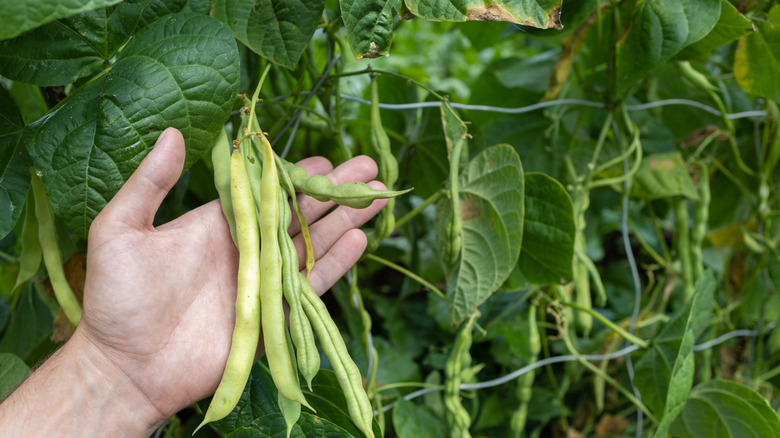
Home gardeners in the Southeast took to growing cowpeas, also known as field peas, black-eyed peas, and Southern peas, for subsistence during the Great Depression. Technically, cowpeas are beans and not peas, and the plants produce nutritious pods that can be eaten raw after shelling, cooked into stews, or allowed to dry on the vines for later consumption. Cowpeas, like other legumes, were likely also useful for their nitrogen-fixing capabilities, which would help restore the soil's fertility levels, making it easier to grow other crops.
Winter squash
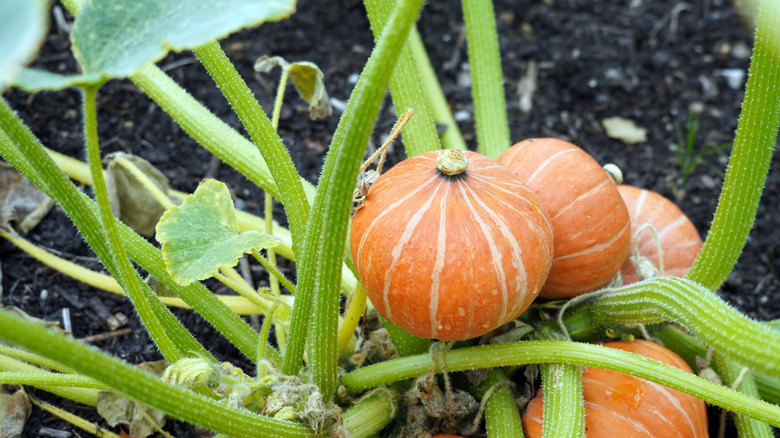
The Three Sisters, an Indigenous American companion planting system, involves growing corn, beans, and squash together in one plot. Given the ancient origins of winter squash, it should be no surprise that the Depression-era gardeners grew it. Hardy cultivars like 'Hubbard Blue,' 'Pink Banana Jumbo,' Boston marrow, butternut, and acorn were highly popular as they stored well over the winter between layers of straw and soil. In contrast, fragile cultivars, such as 'Delicata,' lost favor. Since squashes could be roasted or mashed, people used them to extend meals. They also pickled them.
Rutabagas
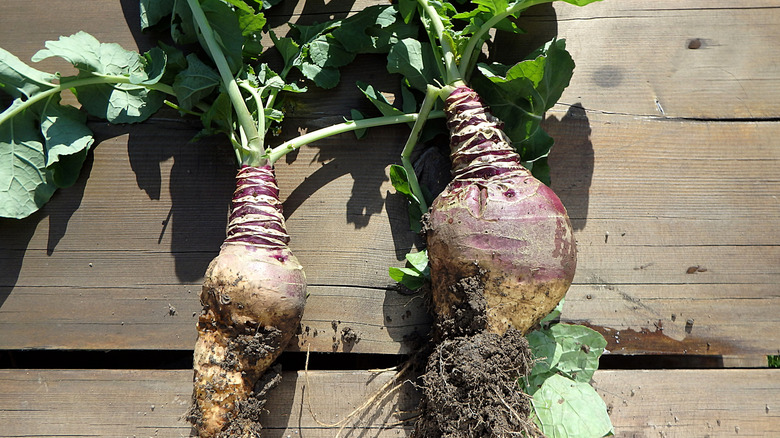
Rutabagas — or Hanovers, if you're from West Virginia — look like massive turnips, but they are actually the offspring of turnips and cabbage. Also known as Swedish turnips, they taste sweeter than true turnips. During the Great Depression, rutabagas were used as a potato substitute. Their tender tops are also edible. Rutabagas become sweeter with frost exposure and stored well, so Depression-era gardeners grew them aplenty and harvested them until the ground completely froze. Cultivars like 'American Purple Top Yellow,' 'Marian,' and 'Navone' were especially popular.
Turnips
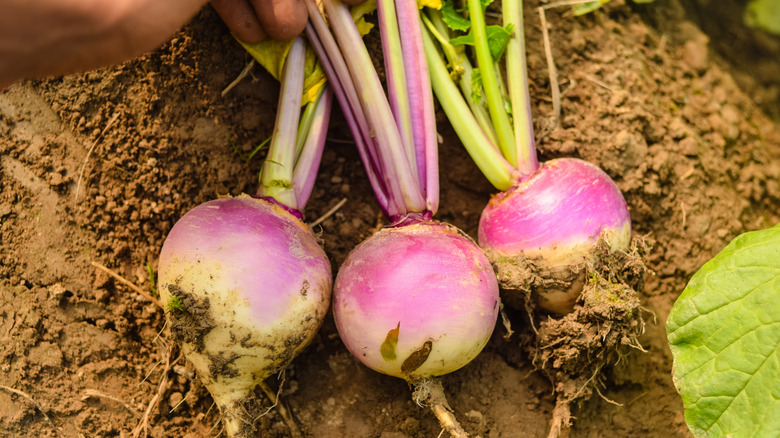
Unlike rutabagas, which took nearly three months to mature, turnips could be harvested in about 40 to 55 days. They were easy to grow and thrived in cool conditions with little water. This made them an attractive survival crop in the Depression era, especially as winter approached. They don't, however, store well, lasting at most two weeks if refrigerated. People cooked the green leaves as a vegetable when the roots turned bitter and fibrous. Varieties like 'White Egg' were commonplace in the time period and were typically eaten with a little meat.
Radishes
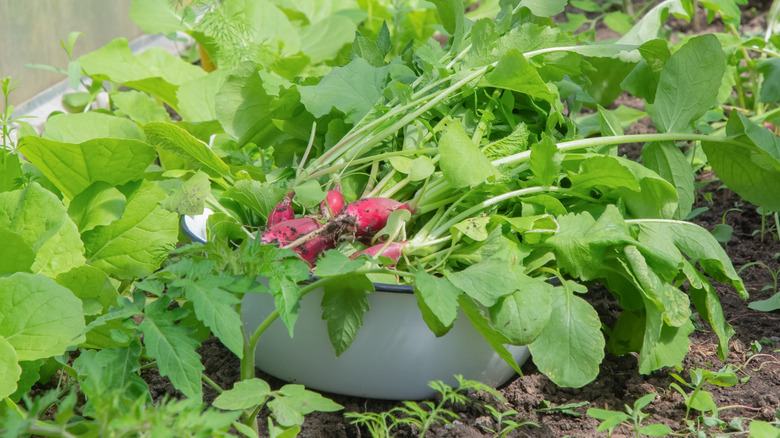
Radishes may be considered a healthy snack or salad vegetable today, but they were more of a practical, affordable Depression-era crop that most home gardeners could grow when money was tight. Radishes grow quickly — they can be harvested within a month — and needed very little space. In fact, people used them to mark the plots planted with carrots. 'French Breakfast' radishes were widely planted as they could withstand the heat of summer. Otherwise, most settled for winter radishes (like daikon) that grew as big as turnips and stored well.
Cabbage
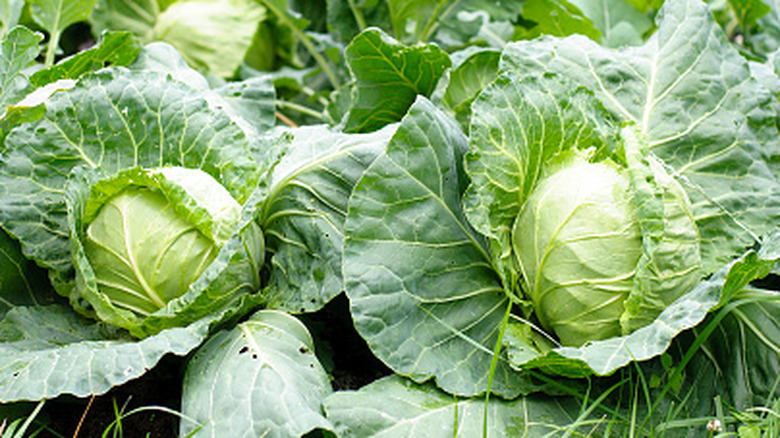
Search for Great Depression recipes, and you're certain to come across a wide variety of dishes using cabbage, including haluski soup, sauerkraut, cabbage pasta, creamed cabbage with toast, and salads. With their big heads, cabbages packed a massive nutritional punch — they are loaded with vitamins. They could be grown inexpensively, and even after harvesting the big heads, growers could enjoy the cabbage sprouts that appeared on the cut stems. 'Danish Ballhead' was perhaps the most important cultivar. The heads grew up to 10 inches wide, were tightly packed with leaves, and lasted well in storage.
Onions
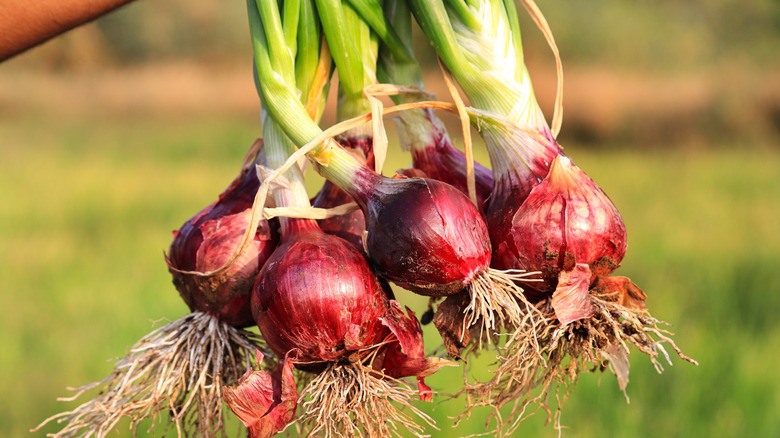
Another protein- and nutrition-packed recipe that was popular during the Depression was a mélange of baked onions and peanut butter. To modern tastes, it may be a questionable dish, to say the least. Both ingredients were cheap, with most households growing onions in their vegetable plots. Since onions come in long-day and short-day varieties (where daylength exposure determines bulbing), they could be grown across the country. Plus, they stored well. Patterson, 'Red Creole,' and 'Spanish Sweet' were favored.
Collard greens
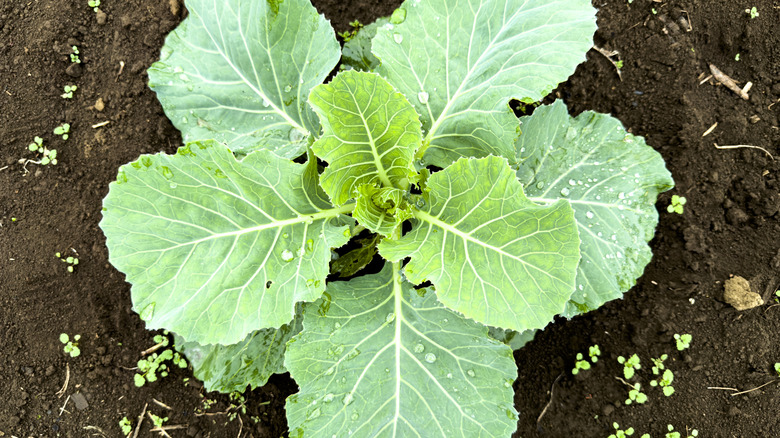
During the Great Depression, many families, especially in the southern states, grew collard greens in their backyards in the winter. The vegetables are highly productive and can be grown inexpensively. Unlike cabbage, collard greens could take the southern heat, and they remained fresher for longer in storage. Young leaves could be harvested year-round and canned for leaner times. Plus, being high in protein, minerals, and vitamins, they ensured families met their nutrient requirements. Southerners paired them with cornbread and fatback way back then.
Mustard
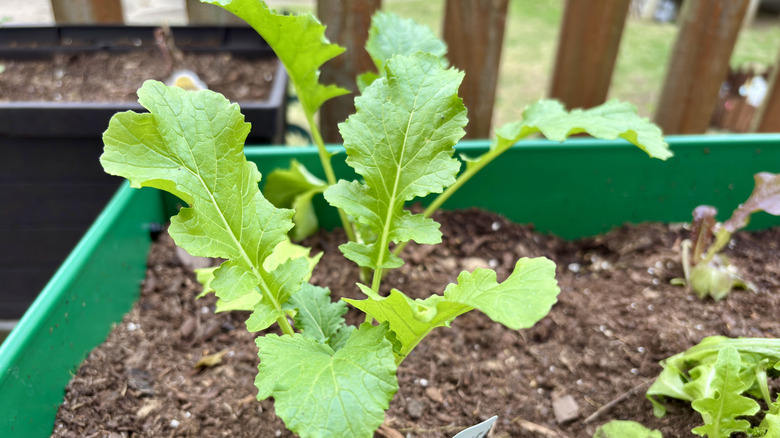
Mustard — or mustard greens — served as an affordable side dish that added some variety to often monotonous Depression-era dining. These cool-season vegetables were commonplace in the South, but were equally prized up north, as they could be harvested in winter when little else would grow. They could be consumed whole. While the young leaves tasted best and were eaten raw, mature leaves were also edible with enough cooking. Outside of summer, they were a reliable, easy- and fast-growing crop, providing a steady supply of greenery for most of the growing season.
Salsify
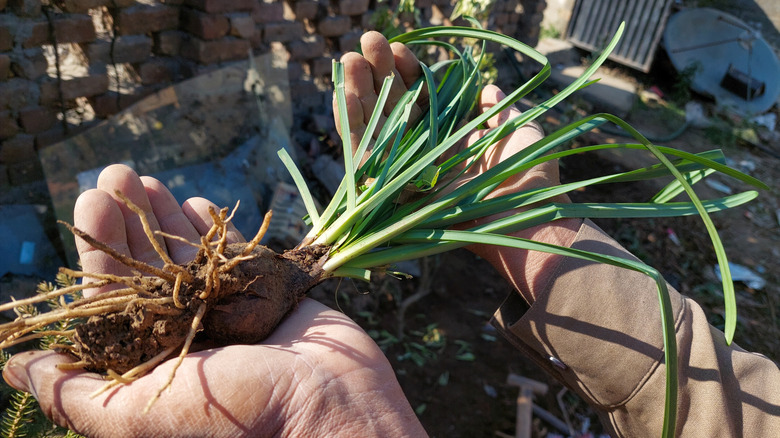
A staple of the Victorian diet and a favorite of Thomas Jefferson, salsify became popular in the U.S. during the Great Depression when meat was scarce. The mature roots are said to have a faint oyster-like taste when cooked. Young roots, however, taste like asparagus. The root vegetable was used to flavor bland dishes. When things became desperate, even their stalks were cooked like asparagus and consumed. Growing it was as simple as any other root vegetable, such as carrots and beets, which further fueled its use. Plus, they could be stored in the soil until spring.
Spinach
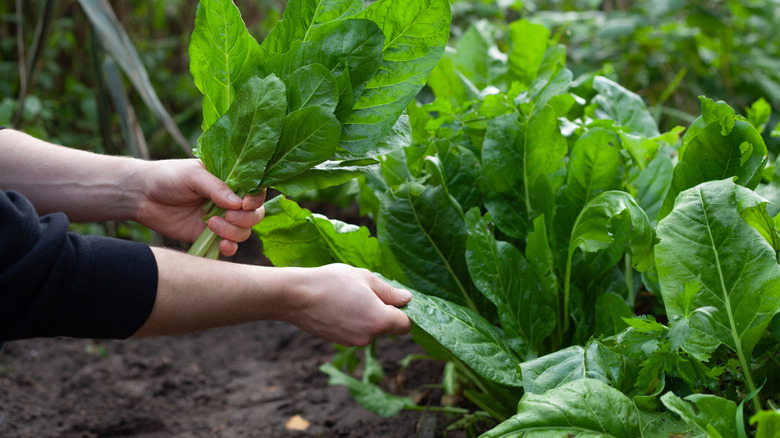
According to the University of Missouri, spinach consumption rose by 33% during the Depression, thanks to the cartoon character Popeye. In one survey, children of the era listed it as their third favorite food. This worked out well for struggling parents, as the vitamin- and mineral-packed vegetable helped boost nutrient intake. Plus, spinach was easy to grow in spring and fall — in some areas, it could be seeded directly on snow. Leaves were ready to harvest 40 days later. What wasn't consumed immediately was canned for future consumption.
Swiss chard
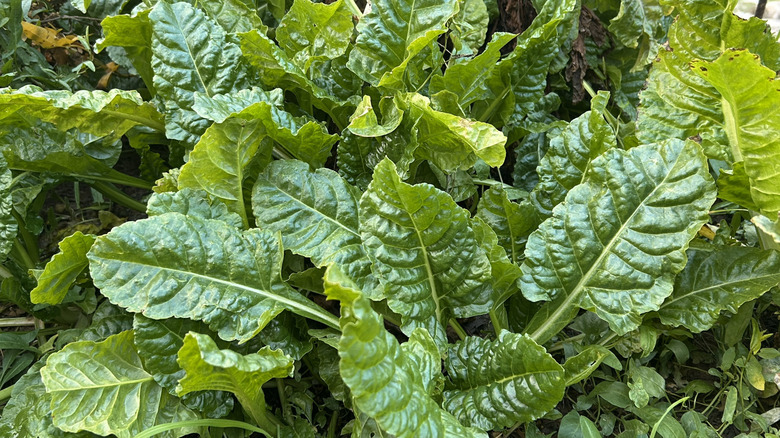
Many states, like Detroit, sponsored vegetable gardens for needy households and families in relief during the Great Depression. In addition to distributing fertilizer, state authorities gave out vegetable seeds, including Swiss chard. The leafy green ensured a steady supply of food almost year-round in cold regions. You could leave the plant in the ground, cut back the old growth, and new leaves would take their place. Plus, Swiss chard didn't involve a stiff learning curve to grow and maintain. Families needed a few plants at most to keep going through these tough circumstances.
Beets
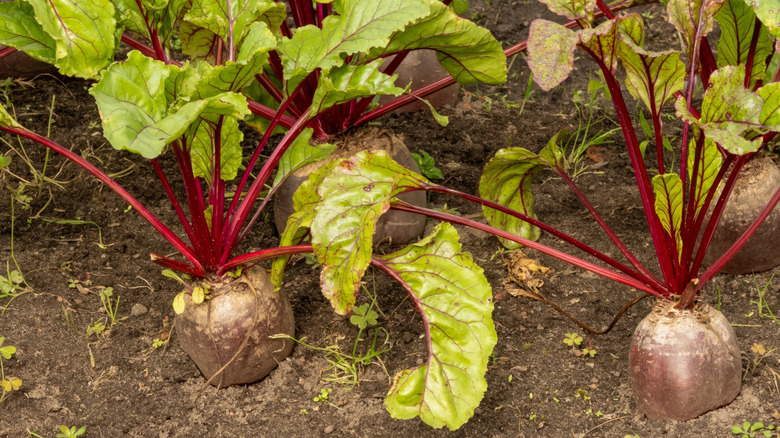
Beets were prized during the Great Depression. These root vegetables, which are rich in Vitamin C, were pickled for salads or sliced after cooking. The tops were consumed raw or cooked into soups when other greens weren't available. They could also be roasted to sweeten them. Due to their red color and earthy taste, they were often added to desserts, cakes, and burgers for color and added flavor. If planted successively every month, people could ensure a steady supply of beets for much of the year, right up until the first frost. They would save the final harvest in outdoor pits.
Kohlrabi
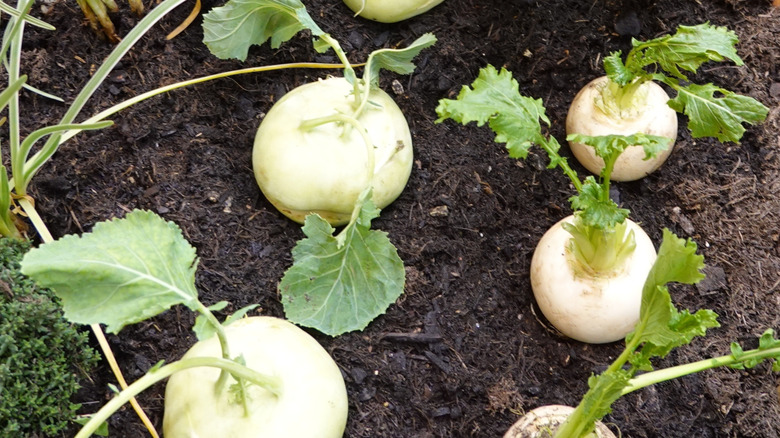
Lots of families planted kohlrabi, a crispy vegetable with mild undertones of turnip and cabbage, in the lean Depression years. In some families, children were given ownership of a row — they could snack on whatever they grew anytime, keeping them well fed. Kohlrabi were a staple of most state-sponsored gardening programs. Kids would walk the plots, pulling out the heads, stripping off the greens, and sprinkling them with salt before biting into them fresh. Any excess, rare in those times, could be stir-fried and consumed. 'Azur Star' kohlrabi was a popular cultivar.
Kale
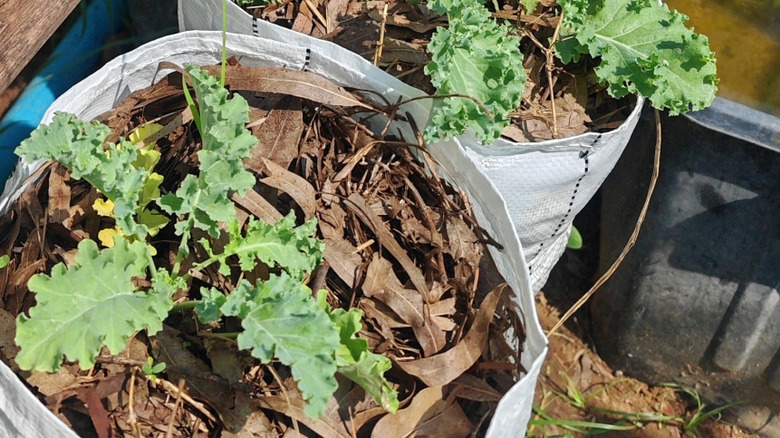
Many people were battling severe vitamin deficiencies in this period, so government bodies actively promoted, via various programs and recipe books, the cultivation and consumption of kale. This slightly sweet vegetable is unmatched in its vitamin and mineral content — in fact, it alone provides double the daily dose of Vitamin C. Plus, it could be planted through November for late season sustenance; kale it grows easily and rapidly from seed. Fresh leaves, which you could harvest after a month in the ground, were used raw or pickled in salads. Anything extra could be stored for winter.
Asparagus
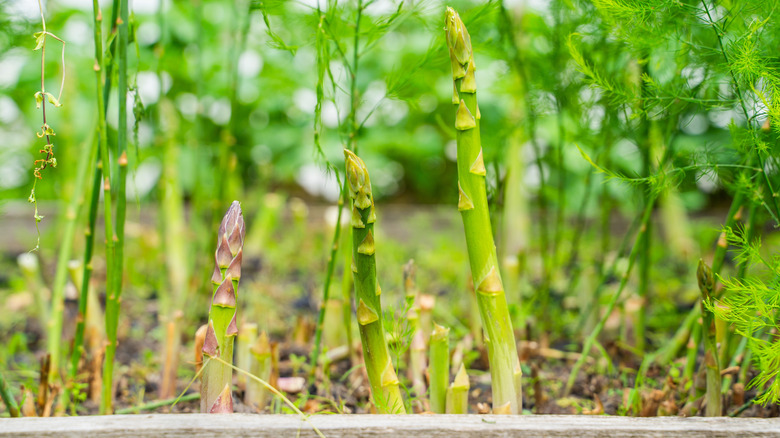
During the Depression, asparagus declined as a commercial crop. However, it remained a popular plant in home vegetable gardens. Many families relied on it for food in early spring because it was one of the earliest plants to emerge from the ground. It's perennial, so it returned year after year. The lanky sticks make for an unusual, albeit delicious snack; back then, asparagus was often paired with ham (when it was available), mixed into pasta, or served plain as a side dish. Later in the year, it was pickled for winter consumption. Asparagus is highly nutritious: it's rich in fiber, antioxidants, and vitamins.
Parsnips
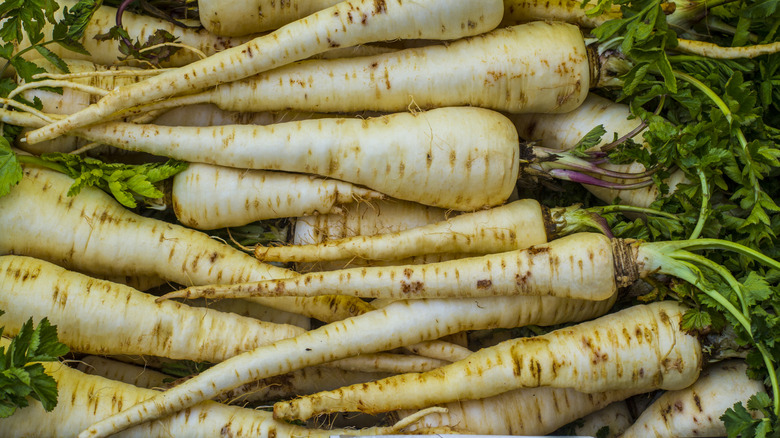
Unlike most other Depression-era vegetables, parsnips are not the easiest plants to grow. This is because seeds can take over three weeks to germinate and the roots may not be ready to harvest even six months later. However, once they matured, they stored well, so hungry families could rely on them for nutrition during the lean months of fall and winter. In the era, they were one of the few vegetables still available in early spring. They could be substituted in any dish that included root vegetables, especially in roast dishes.
Peppers
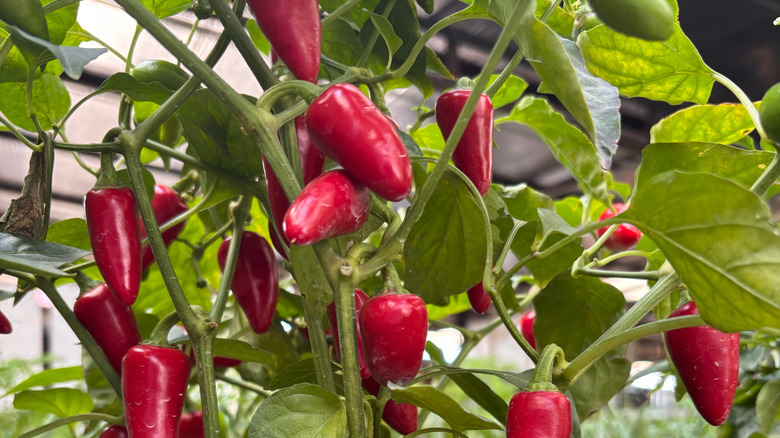
Peppers are another vegetable that people grew and relied on in the Great Depression, as most families could make do with a dozen plants — give or take. There were lots of species and cultivars to choose from, from sweet Italian peppers to the more commonplace green and hot peppers, which could be used to make dishes sweet or spicy. Adding them sliced to stews and serving them with mashed potatoes was one way families enjoyed them. Or they would pickle peppers with carrots and cabbage, packing them into glass jars for future meals.
Cucumbers
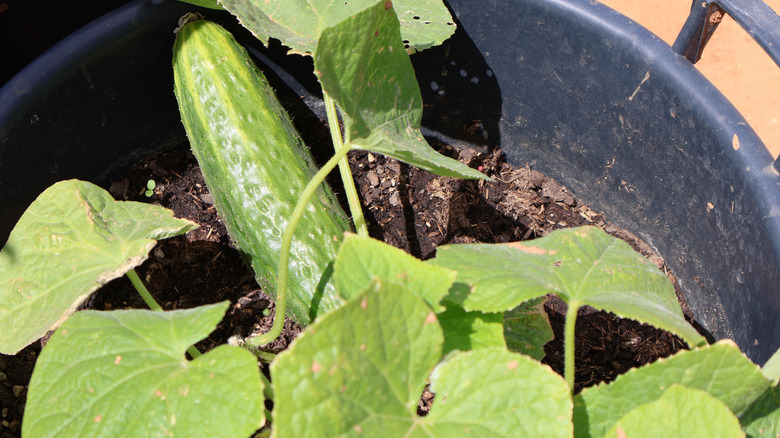
Families that had it really hard during the Depression and could barely afford canned foods took to growing cucumbers. Although this watery vegetable didn't offer much in way of nutrition, it kept hungry tummies full. Families needed just two to three plants for every person in the family; extras from abundant harvests were pickled. While not one of the favorite vegetables on this list, they had their place in diets of the era. The pickles were included in winter sandwiches. Besides, since cucumber vines can be trained to grow vertically, they help save space in small lots.
Lettuce
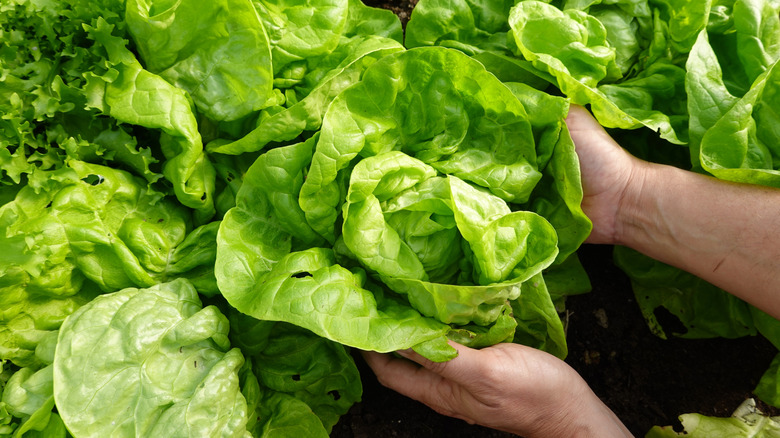
Many alive during the Great Depression have memories of growing up on thrifty lettuce sandwiches, which were often paired with other inexpensive ingredients, like confectionery mayonnaise or peanut butter, or food made from home-grown produce, like bean spread. 'Deer Tongue' lettuce, which has an earthy, nutty flavor, was popular. It could be grown year-round in some home gardens, although it wasn't commercially viable. Lettuce is a cut-and-come-again vegetable, with leaves harvested young for the best taste. This encourages the plant to continue producing new leaves and delays bolting.