

Done With Your Kitchen Declutter? Here Are The Common Items You Can Donate

If you've recently taken on the momentous task of decluttering and downsizing your kitchen, then you may have found an array of items you no longer need. However, while many of these items may not serve a purpose in your kitchen anymore, that doesn't mean they have to be destined for the trash. Instead, your decluttered kitchen is ripe with common items that can be donated, whether that's shelf-stable food or gently used essentials.
Donating common kitchen supplies is the perfect way to give back to your community. If your kitchen cleanout ended with non-perishable food that you're not planning to use, donating this to a local food bank helps a family in need. Just make sure to be mindful of expiry dates. Food isn't all you can donate, however. If you're planning on parting ways with any small appliances, utensils, or dishes, choosing to donate over tossing is an environmentally-friendly way to help a family furnish their home.
Before cleaning out your cabinets, however, it's important to remember that not all items are suitable for donations. For example, you won't want to donate any food that has expired or exceeded its best-by date, as well as any food that requires refrigeration. You also want to ensure that any supplies are in good shape. Not all donation centers accept the same items either, so plan accordingly to save yourself an extra trip to a different destination.
Dishware
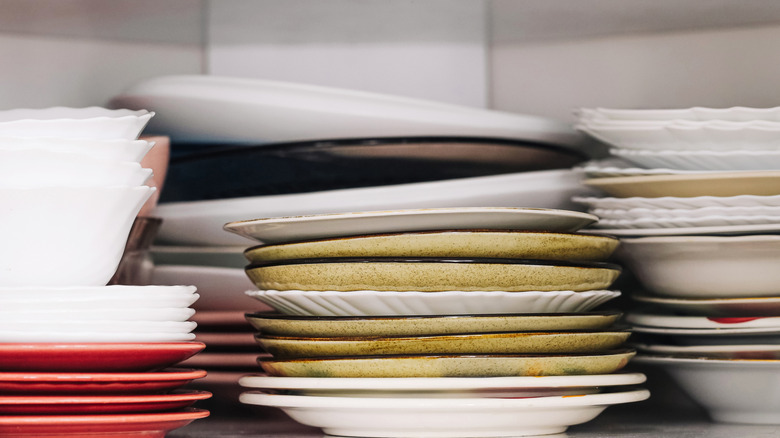
The number of dishes you should keep on hand often depends on factors specific to your household, such as how many people live there and your tendency to host. Since there is no exact science, decluttering your kitchen may reveal that you have far too many plates than needed. Fortunately, everyday dishes like plates, bowls, and even serving platters are often needed by charities. Before packing up your dishware to donate, give it a thorough wash to remove any stains or grime to ensure they're in good condition beforehand.
Canned soup
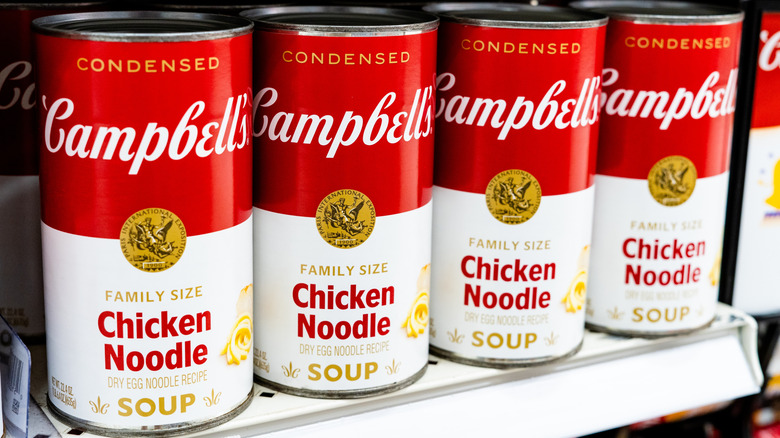
If your household has recently dealt with health issues like the flu, you may have stocked up on a variety of canned soup. However, as sinuses clear and coughs fade, you find that you no longer need these easy meals. Rather than tossing canned soup (or leaving it to expire in the back of your cabinet), remember that it is a staple donation for many food banks. Donating soups that are low in sodium or sodium-free is typically preferred.
Coffee makers
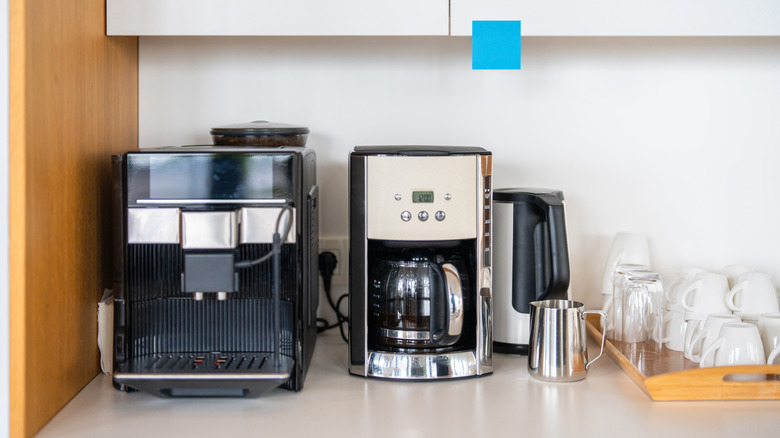
Did you recently upgrade your coffee maker as the final touching in perfecting your coffee bar set up? Small coffee makers can be donated to many charities. However, before doing so, you'll want to ensure that your maker is fully functional with no missing or broken pieces. A thorough clean is also needed, especially around areas like the filter or dispenser that can get extra grimy. Learning the best way to clean your coffee maker can make this process a breeze, especially when it comes to those small nooks and crannies.
Cookware
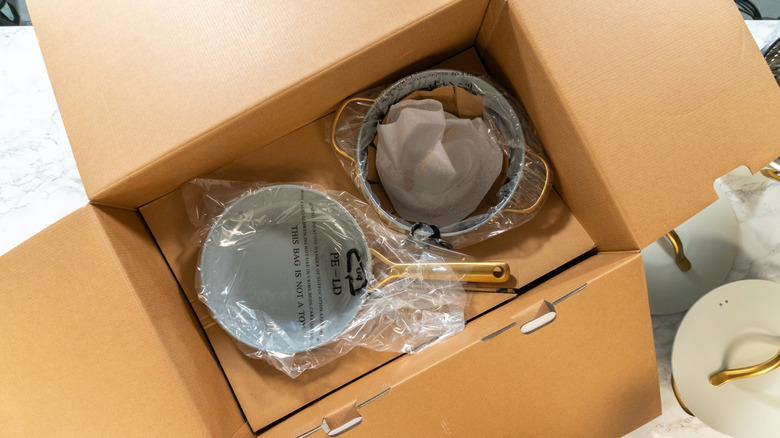
While looking at your dishware and appliances, take some time to sort through your cookware as well. Pots, pan, skillets — these are all essential for turning a few ingredients into a nourishing and memorable meal, and donating any cookware that you no longer use helps families in need furnish their kitchen. Like with other kitchen essentials, condition is important here. After all, you don't want to donate a pan that's too damaged to use. If your cookware has seen better days and isn't fit to donate, there are other ways to dispose of your pots and pans, like recycling.
Dry pasta
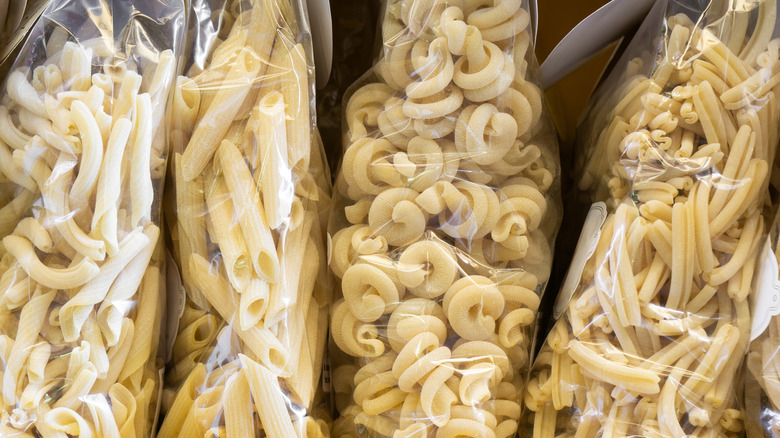
Have you ever rushed to the store to pick up a box of pasta for dinner, just to find you already had one sitting in the cabinet? This easy mishap often leads to an accumulation of unopened dry pasta in your pantry that you have no use for. Fortunately, you can also donate any extra pasta you have, so long as it's in date and the container is still sealed. Commercially canned pasta, such as those paired with sauce or even protein to make a meal, are also often accepted.
Rice
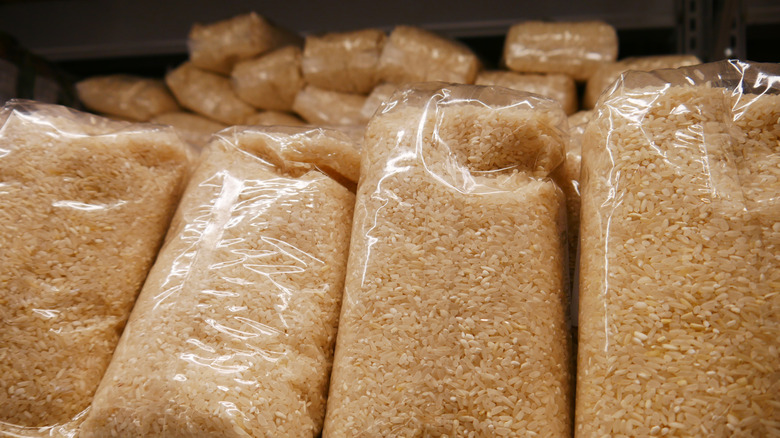
Along with pasta, another common pantry staple that you may have accidentally acquired too much of is rice. On the bright side, rice of all types is a commonly requested item at food pantries, and you can easily collect any unopened packages you don't plan on using to donate. Many charities accept both boxes and bags of rice, so long as the original packaging is intact and the labeling is clear.
Canned meat
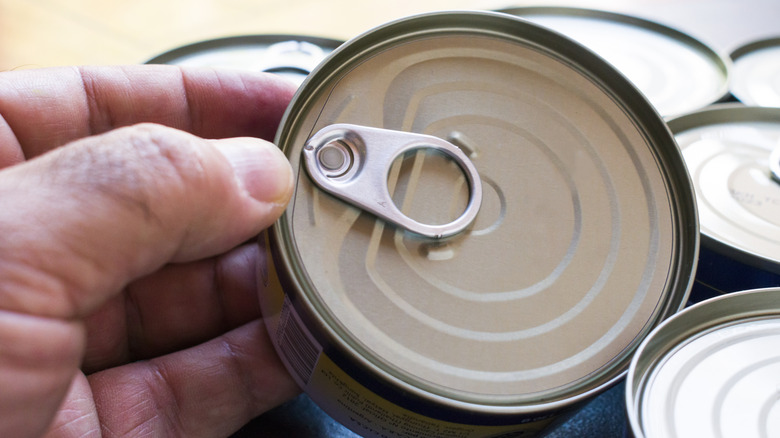
Canned meat comes in various forms, from tuna and salmon to chicken to pork. These can also provide shelf-stable access to protein, making them a popular choice if you're looking to clean out your cabinets and donate extra food. While all types of canned food that meet the necessary safety requirements are often accepted by food banks, it's also helpful to donate options that are water-packed (when dealing with tinned fish) and low in sodium. This allows more people to benefit from your donation regardless of dietary needs.
Drinkware

Just like with dishes, it's not always easy to know just how many options you need for drinkware in your home. That's especially true when it comes to deciding how many coffee mugs should you have for your morning brew. Having a variety of drinkware prepares you for every situation but also requires storage space and time spent organizing. As a result, think about how often you use your different types of cups or glasses. If a particular water bottle or mug isn't used often in your home, you may choose to add it to your donation pile instead.
Canned fruits and vegetables
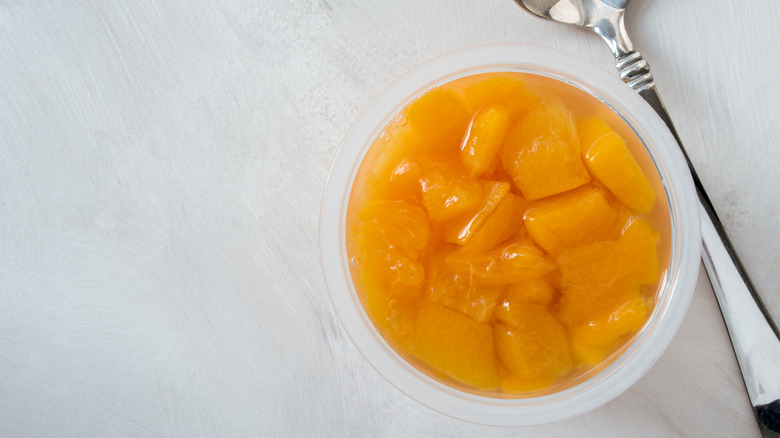
Canned fruits and vegetables are staples when it comes to non-perishable groceries,which means that many people keep this quick snacks or sides in their pantries. However, for these same reasons, they're also a top need for many food pantries. For fruit, donations of either cups or cans are typically accepted, although some charities may refuse glass containers. To maximize the nutritional benefits, opt for fruit that doesn't include any added sugars or is preserved in juice. For vegetables, look for options that have reduced or no sodium when possible while decluttering your kitchen.
Dry beans
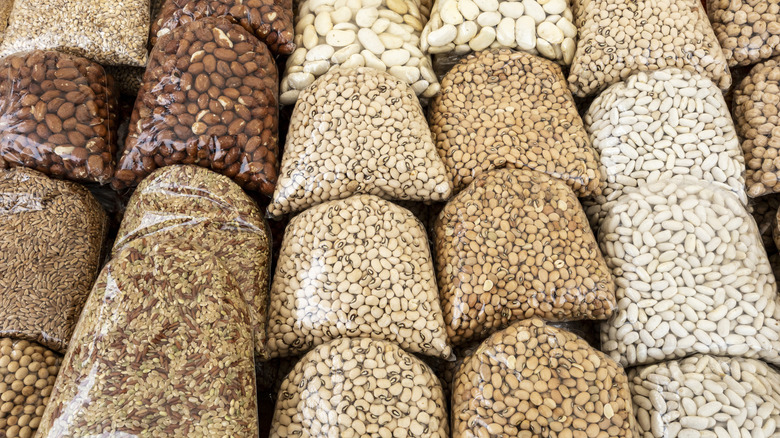
Beans are packed full of necessary nutrients, serving as a solid choice for protein and fiber. This is especially important for those who don't eat meat and need a healthy, accessible choice for plant-based protein. As a result, if your kitchen cleanout shows that you have more cans (or bags) of dry beans than you know what to do with, consider reaching out to your local food pantry. Chickpeas, pinto beans, and black beans are all popular picks. While they're not beans (though they are related), lentils are also requested by many charities.
Toaster
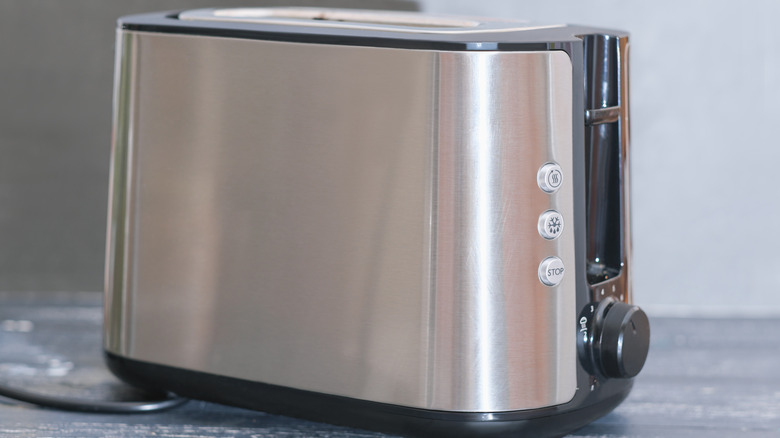
A broken toaster is better off being recycled if you're looking for an eco-savvy way to clean out your extra kitchen appliances. However, if your toaster is still fully functional and in good condition, it's also one of the many small appliances charities accept as a donation. Before preparing your donation box, however, give your toaster a good deep clean. Learning how to clean your toaster can help you access all the tiny crevices where forgotten breadcrumbs hide. Oftentimes, the manufacturer's instructions that came with your toaster also include information on cleaning any trays or crumb catchers.
Flatware
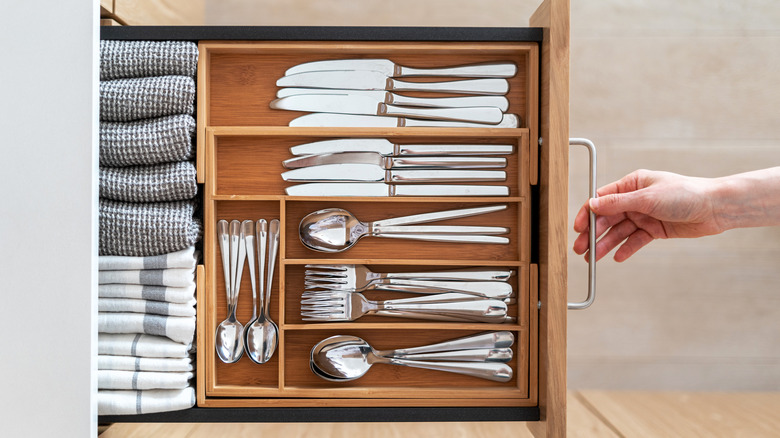
Have you recently upgraded from your old mix-and-matched flatware to an eye-catching set? While there are various ways to repurpose silverware around your home, any spoons or forks you have on hand are also good donations if your goal is to declutter your kitchen. The material your flatware is made of plays a large role in the best route, however. Plastic flatware often doesn't have an extended purpose outside of DIYs or recycling, but stainless steel or even sterling silver flatware are valuable contributions to many charities.
Cooking oil
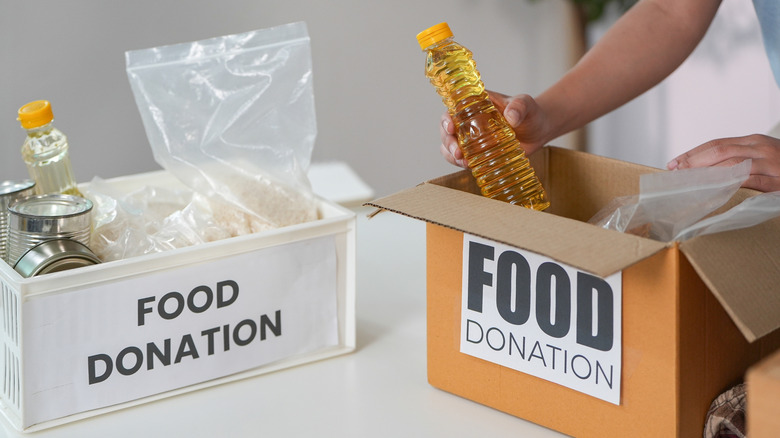
Think about the last meal you cooked. You likely used some form of cooking oil, whether that was olive oil, vegetable oil, or one of their many alternatives. Oil is a pantry staple required for many meals, and it's also one of those kitchen essentials many people overlook when it comes time to donate after decluttering. Like with other food items, cooking oil needs to be properly labeled in its original packaging, as well as unopened, so that it can be safely distributed within your community to those in need.
Bakeware
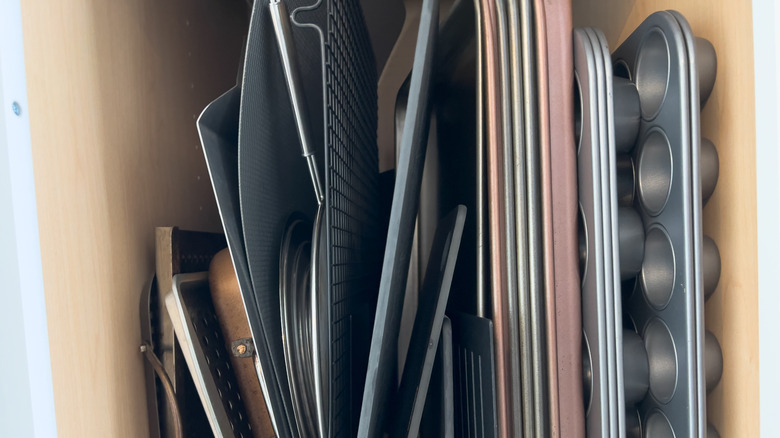
How often you put your bakeware to use determines how many pieces you need. After all, if you're not making muffins frequently, then having an entire cabinet dedicated to muffin pans keeps you from maximizing your kitchen storage space. There are plenty of ways to repurpose baking sheets that have seen better days, but for any pieces of bakeware that still have a long life ahead of them, you can donate them alongside your cookware. Just make sure to give them a good scrub beforehand, especially for removing any stubborn or burnt-on grime that may be visually unappealing.
Microwaves
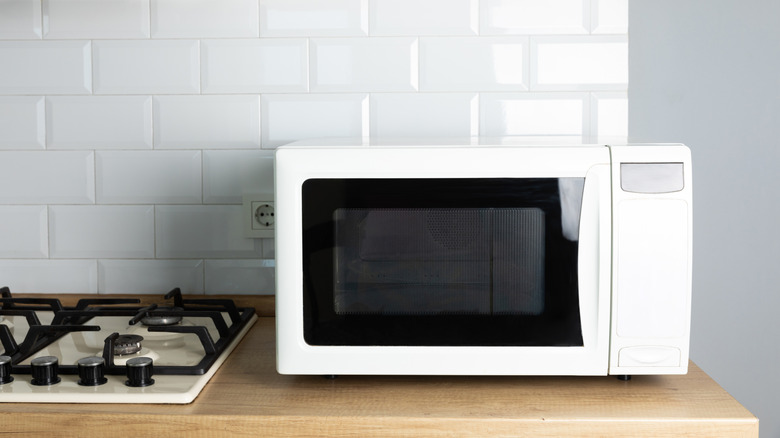
There are several reasons to buy a new microwave despite having one that's still fully functional. For example, as needs change, an upgrade to a larger unit may work better in your household. Or, maybe you're looking to take advantage of the newest smart features. Whatever the reason, before tossing your old microwave, consider bringing it to a local charity. So long as it's clean and works as intended, your microwave can make the difference for anyone that needs it. If you're struggling to get a shining interior, a single lemon can make cleaning your microwave easier.
Seasonings
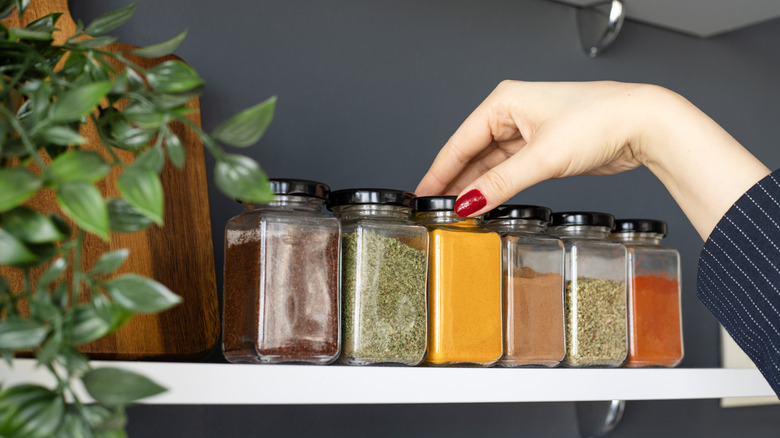
Sometimes, you might pick up a seasoning for a new recipe, just to never use it. Eventually, your cabinet can accumulate a horde of unopened seasonings, all of which can lose quality over time. Rather than leaving unopened seasonings to become bland and flavorless at the back of your cabinet, you can donate them to most food pantries. Like cooking oil, seasonings are a meal essential, but they're often overlooked when building donation boxes. Some of the most common seasonings to consider donating include black pepper, salt, garlic powder, and paprika.
Slow cookers
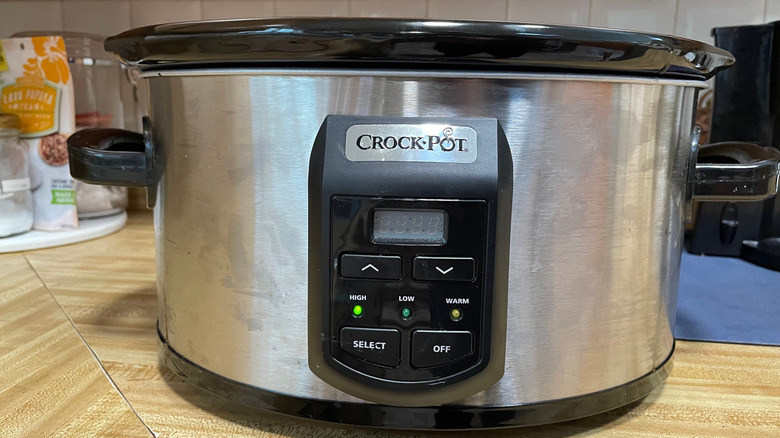
Broken slow cookers may only be good for repurposing as a DIY planter, but one that's still in good shape? That can be the perfect touch to your donation box after decluttering your kitchen. However, keep in mind that not all charities accept small appliances, and you may need to check in advance to ensure that your slow cooker is the right fit for their mission.
Peanut butter (or common alternatives)

Peanut butter is a popular request from food pantries seeking donations. Even a single jar can include a mix of protein, healthy fats, and fiber, which is perfect for people looking for nutrient-rich ingredients. However, peanut butter isn't the only type of seed or nut butter you can donate. In fact, it's helpful to keep dietary needs and allergies in mind, meaning that common alternatives like sunflower butter or almond butter are also among the top items to donate. Just double-check that the jar in you have is shelf-stable and in-date.