

Should You Really Be Worried About Snow Fleas Infesting Your Home?
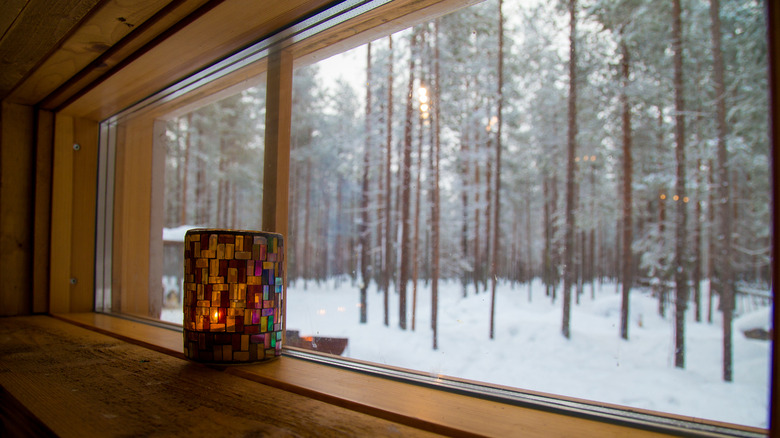
Colder winter months bring about biting chills and a deluge of inclement weather — snow or rain — that make it very appealing to spend a cozy night indoors with a toasty heater and something warming to eat. Unfortunately, pests are going to feel the same. Rats and mice are more likely to sneak into your crawlspaces if they're seeking shelter from the cold, for example, as will outdoor insect species like ants, cockroaches, and pillbugs. The stakes are even higher for these tiny critters, as a casual rainfall for you might be devastating at their scale. However, one you likely don't have to worry about around your home come wintertime, despite them being quite active outside, is the snow flea (Hypogastrura nivicola).
Don't be misled by the name, as snow fleas are not the same critters you might imagine crawling all over your pets. Snow fleas are blue-gray springtails, only a fraction of an inch big, that are not considered pests. These hexapods are harmless to people and are actually known for boosting the soil by breaking down organic matter. They're well known for their furcula structures that allow snow fleas to jump many times their own body length, which helps them move up and break through snow cover. Snow fleas are also uniquely cold-resistant critters that tend to be active during the winter, so they can often be found, obviously, dotted in the snow around the bases of trees where they feast amid soil and leaf litter. So, while you might find places where snow fleas are hiding around your home, such as cool and damp bathrooms, they're hardy enough against the elements to not need indoor shelter.
Reasons why snow fleas could infest your home
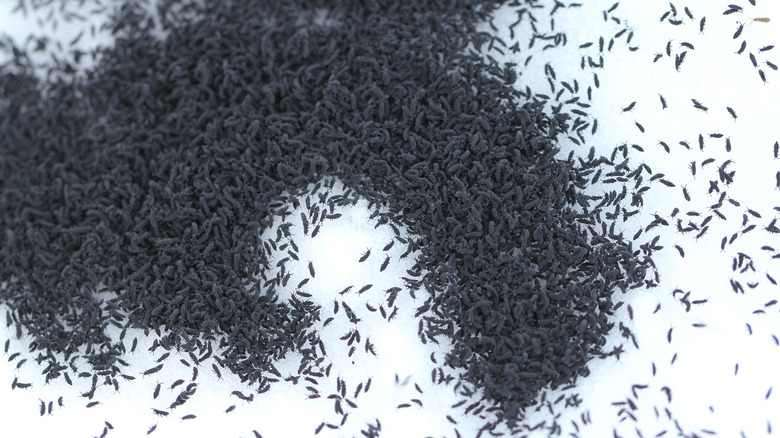
Just because snow fleas have cryoprotectant "antifreeze" proteins that help them stay just as comfortable out in harsh winter conditions as they feel scavenging for organic matter among the leaves during the rest of the year, that doesn't mean you should never expect to see them infesting your home. With an estimated 50,000 springtails able to fit within 1 cubic foot of topsoil, you'll begin to see plenty of them appear en masse if their habitat dries out. In such cases, they will try to enter man-made structures in search of water, which is why you'll often see snow fleas appear in areas like the bathroom or kitchen. Their minuscule size means they can slip through tiny cracks in your screen door just as easily as they might enter a crawlspace, and don't be surprised if they Trojan Horse their way inside by first seeking moisture in your potted plants.
Snow fleas are also attracted to sweet materials like maple syrup, so you'll want to be cautious if they infest materials like sap-collecting buckets that might help spread a population to other areas. Identifying a snow flea infestation to get rid of them is going to be much easier in the snowy landscapes outdoors than it will be if they get inside your home, but their propensity to gather in huge crowds around moist areas will help them stand out as a general nuisance.
How to deal with a potential snow flea infestation
If you do find yourself with snow fleas, there's no need to worry about them biting or causing any structural damage to the home. However, their primarily detritivorous diet could draw attention to — or even exacerbate — problems like mold growth in your bathroom. Snow fleas can also be prey creatures, so you'll want to control their population to avoid the risk of larger pests like ants, centipedes, and mites following them inside. One of the obvious ways to take care of this problem is by stemming the sources of moisture in your home. Fix leaky pipes when they appear (and they might appear more often if your waterlines are susceptible to freezing) and consider buying some dehumidifiers to maintain ambient conditions inside the house.
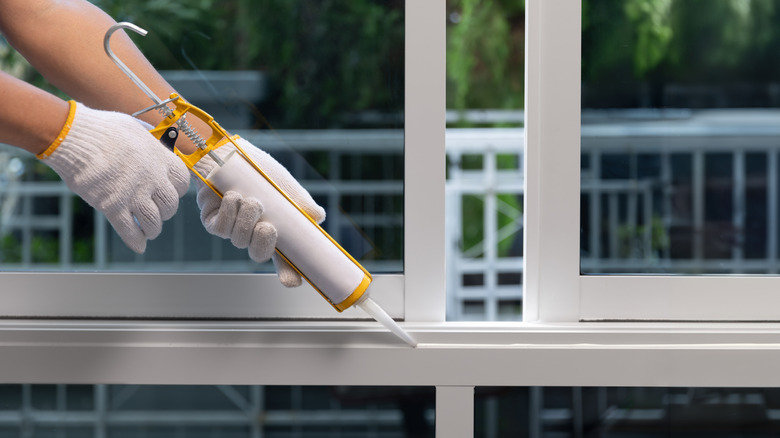
Common kitchen ingredients like vinegar can help keep snow fleas out of your house, too. Vinegar is more of a repellent, but natural insecticides like cedar oil can also be effective at killing swarms that have already infested your spaces. Non-chemical management, like fixing the caulking and weatherstripping around windows and doors, is also important for helping to keep springtails outside of your home. That said, it's not necessarily anything to worry about if you start seeing masses of snow fleas outside toward the end of winter. Once the snowpack melts, they seek out leaf litter to lay eggs for mating season, after which point they're less likely to circulate around your indoor home ecosystem.