

7 Tips & Tricks To Successfully Paint Your Home's Exterior In Winter
We may receive a commission on purchases made from links.
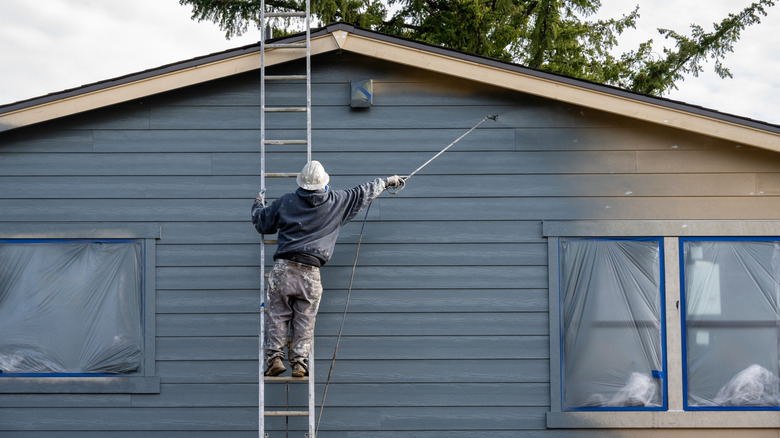
Not a fan of being stuck inside all winter — and ice sports aren't really your thing? We get it. Sometimes, you just want to knock off a renovation project you can DIY in a weekend, like painting the exterior of your house. Yes, some might say it's a home project to avoid starting in the winter. And while those people have some good points, it is possible to paint the exterior of your home in chilly temperatures, as long as you have the right preparation, equipment, and conditions.
Proper planning is key to painting your home's exterior in the winter, from taking a careful look at the forecast to choosing the best paint for the job. You also want to stock up on gear, whether it's a new pair of gloves or some boots with great grip. Whether you're hoping to get a coat of paint on your home before you list it for sale or you just want to check an item off your to-do list, we've got all the tips and tricks you need to rise to the challenge and have a freshly painted home ready for spring.
Look at the forecast
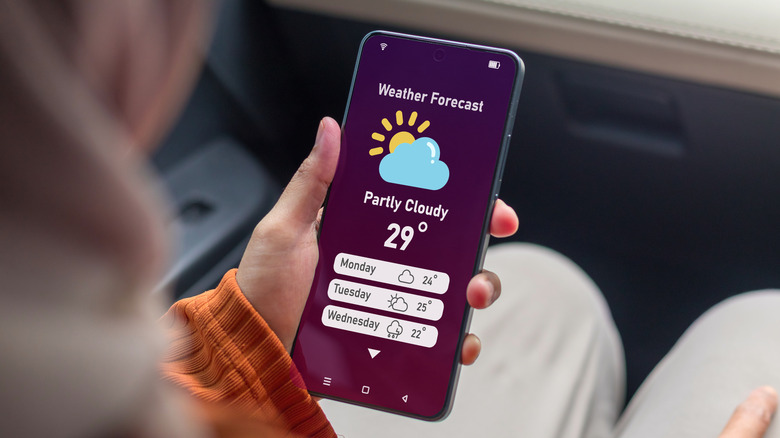
Take a look at the upcoming forecast to determine when you should paint. You'll want days when the temperatures don't drop below freezing, which can cause the paint to freeze. You also want to look at precipitation and humidity levels. Wet conditions or big humidity fluctuations can impact drying, cause unwanted bubbles, or keep the paint from sticking how you want it to. For best results, look for days with low, even humidity levels, no precipitation in the forecast, and temperatures above freezing.
Plan out your painting days
With a general idea of the best time to paint, consider when the sun sets and what the weather will be like the few days afterwards. It's common in winter to have temperatures in the 40 to 50 degree Fahrenheit range during the day that dips back down to freezing when the sun sets. When you're done for the day, your paint job needs 1 to 2 hours, with temperatures in the 40s, to correctly dry and settle. Starting at 10 am and finishing around 2 pm allows the surfaces enough time to dry before dew forms and temps drop.
Measure the surface temperature of your home's exterior
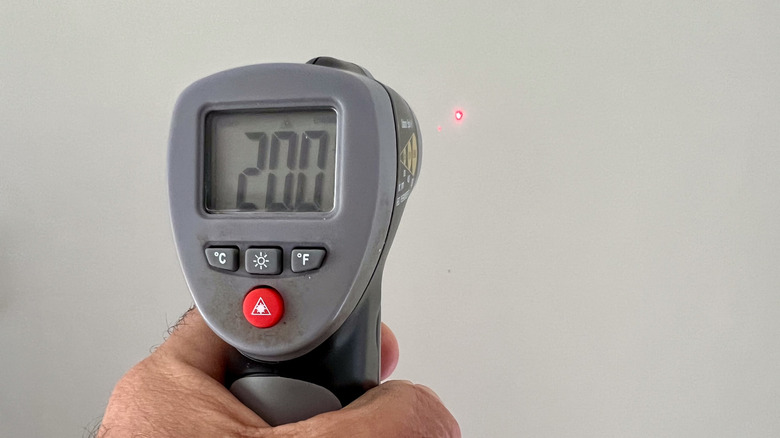
Just because your phone's weather app reads 50 degrees Fahrenheit doesn't necessarily mean the surface of your home's exterior is the same temperature. Paint becomes less fluid, more easily streaking, clumping, or improperly adhering to surfaces at around 50 degrees Fahrenheit, so it's not ideal to paint when temperatures dip below that — unless you're using paint formulated for cold weather. An Etekcity Infrared Thermometer Temperature Gun can help you determine whether your home's exterior is too frigid to start painting.
Pick the right paint
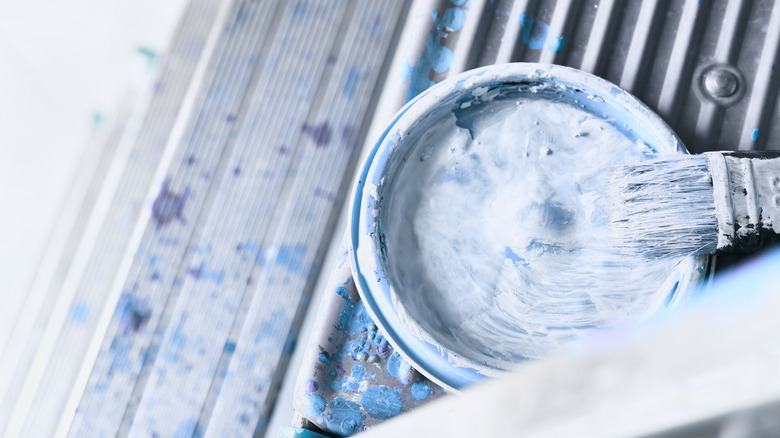
If you want to paint the exterior of your home like a pro in cold weather, remember that there's more to consider than just the color. Make sure you pick a paint designed for cold-weather use. Where other paints shouldn't be used below 50 or 60 degrees Fahrenheit, these specialized products are formulated to better adhere and cure in temperatures as low as 35 degrees Fahrenheit. You can ask for help finding these at your local hardware store, or search online retailers using terms like 'cold weather exterior paint' or 'low-temperature exterior paint.'
Properly prepare your surface
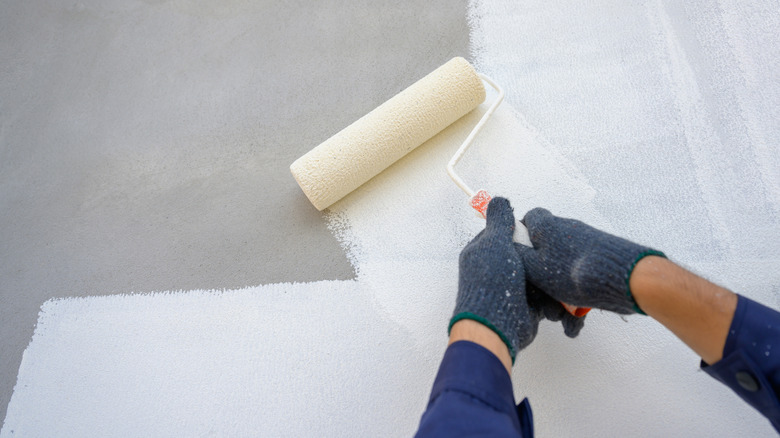
Even low-temperature paints won't adhere to a surface that's not clean, dry, and smooth. Depending on your current exterior, you may need to sand or prime your surface first. The same rules apply to performing these jobs in cold weather: do them on days without humidity, precipitation, or temperature swings, and look for primers that are formulated for the cold.
Figure out the best way to protect yourself
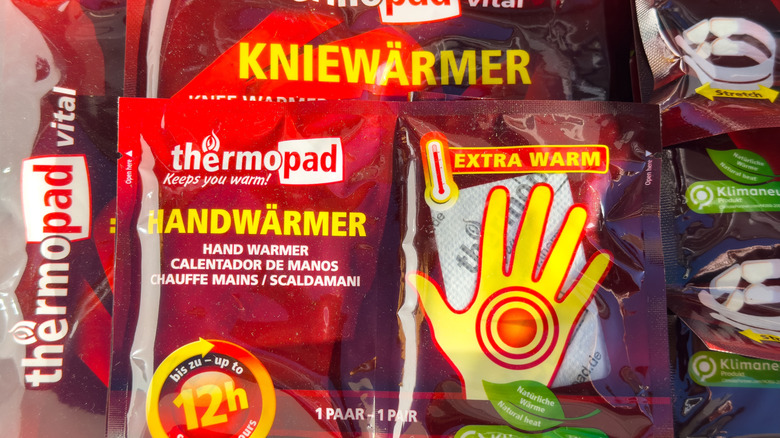
The cold might not bother you when you're running from your heated car to your heated house, or going for a brisk walk in the chilly air. But standing outside for hours, keeping your body agile and your limbs dexterous, is another challenge. Stock up on proper gear like insulated gloves and boots, a balaclava, hand and feet warmers, and sunglasses to protect yourself from glare. Wear thermal layers, and remember to drink and eat enough to prevent dehydration or exhaustion.
Be mindful of all the potential limitations
We've outlined all the ways that you can prepare to successfully paint your house's exterior in the winter, but just remember to use your best judgment throughout the process. Even with the right prep, there are still risks, such as needing to redo your paint job or having a run-in with an icicle. Don't push yourself past your limits to complete a job that can often wait until warmer temperatures arrive.