

How To Make A Kid-Friendly Home That Doesn't Sacrifice Your Aesthetics
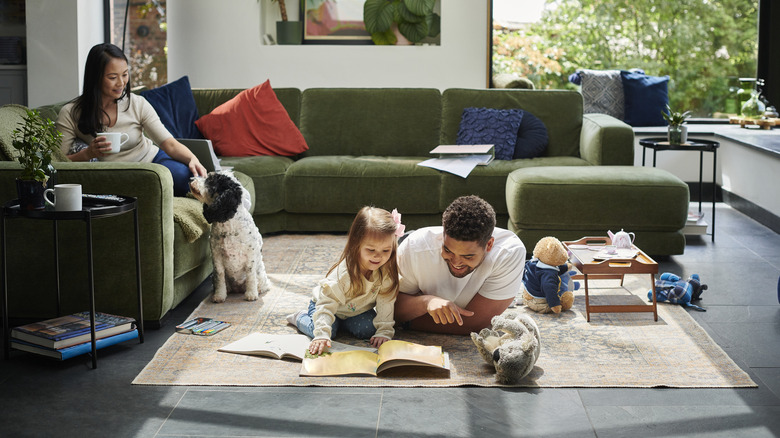
A home's design should be just as functional as it is aesthetically pleasing. What's the point of a fancy, sculpted chair that's uncomfortable to sit in? The importance of practicality is even more crucial when it's a family home with young children. Suddenly, the glass coffee table and beaded hallway curtain become a safety risk. While the all-white sofa or flame-lit candles are better off in storage, there are still ways to get the best of both worlds and enjoy a home that's kid-friendly as well as stylish. It's a matter of selecting easy-to-clean and durable materials, integrating storage, and avoiding common hazards.
Some of the easiest ways to make your home more kid-friendly don't consider style. Styrofoam on table edges and plastic slips over the sofa don't exactly scream home sweet home. However, you don't have to invest in fancy built-ins or settle for a whimsical design. You just need to be mindful of the form and function of the pieces in your home.
Choose durable materials for furniture and decor
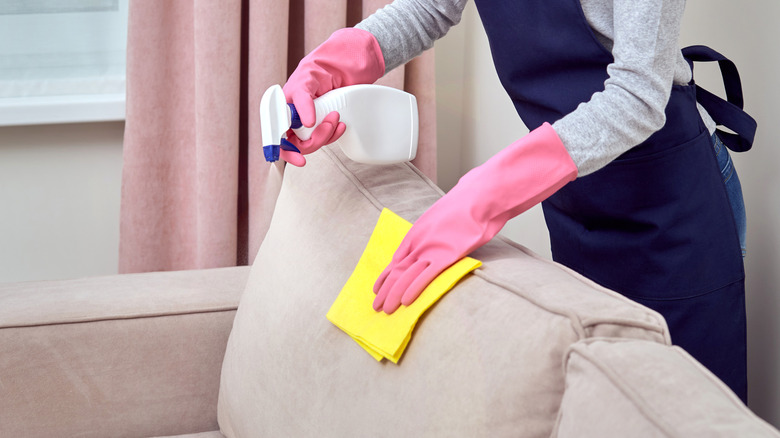
One part of having an aesthetically pleasing space is keeping it clean. However, children are notoriously messy. (We would be, too, if someone else did all the laundry and sweeping.) For an interior design that allows kids to be kids and lets the parents enjoy a stylish home, opt for durable fabrics. Choose materials that are stain-resistant and can handle wear and tear.
Microfiber is one great option. It offers a soft upholstered look that can complement any design style. It's also easy on allergies and wear-resistant. Better yet, liquid doesn't immediately absorb into the fabric, so you just need to wipe spills to keep it clean. For a more classic or regal look, try leather. Top-grain and full-grain leathers are thick and durable. It won't puncture or stain easily, and doesn't trap dust or allergens. Plus, some people prefer the patina of aged leather.
Another tip for selecting kid-friendly furniture is to ensure the design doesn't pose a safety risk. Boxy tables and glass cabinets might look good but can be dangerous. Instead, opt for furniture with rounded edges and choose upholstered pieces. Decor plays a role, too. Keep any fragile items, like glass vases, far out of reach and swap the flame-lit candles for LEDs. Even layering in a high-pile rug can add visual depth while creating a comfortable surface for children to play.
Have lots of stylish storage
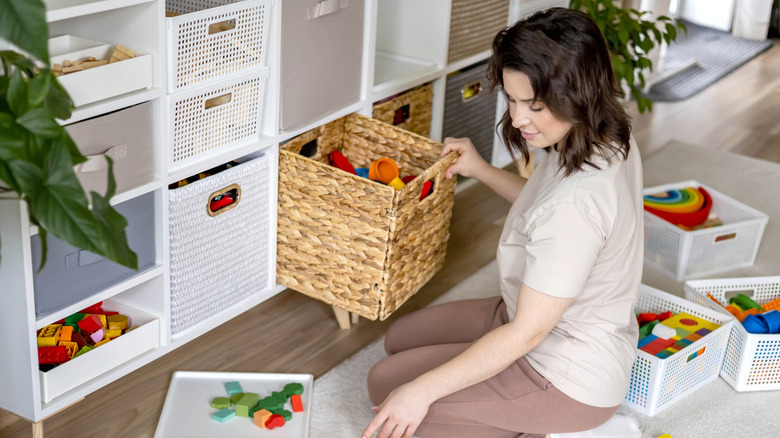
Unless you're a fan of the marshmallow aesthetic, stuffed animals probably won't fit in with your decor. Yet those plush figurines, as well as other toys, are staples for kids. The best way to balance the influx of stuff so it doesn't creep on your aesthetic is to have lots of concealed storage in your home design — perhaps a cabinet in the dining room for all the art supplies or a storage ottoman in the living room for board games. This way, the kids have easy access to their favorite toys, and when play time is over, they're out of sight.
Use whatever system matches your style, whether galvanized steel buckets or distressed wicker baskets. You can even try a few DIY storage ideas to give your home a customized look. Even designated playrooms should have ample storage. It's ideal for organizing kids' stuff and will still be functional when they outgrow the plush toys.