

Toss Your Throw Blanket In The Washing Machine Right Now: Why They Need Extra Care In Winter
We may receive a commission on purchases made from links.
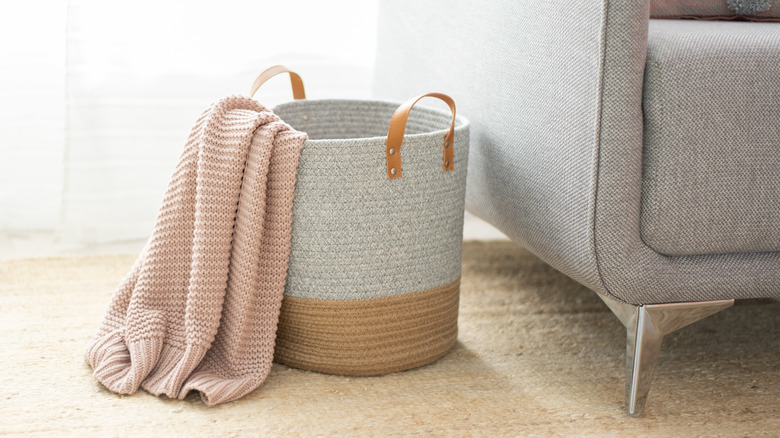
Brrr. It's cold out there! With long stretches of chilly winter weather comes an increased need to feel cozy as you snuggle up with your favorite throw blankets on the couch. Before you gather your throw and settle in for a streaming session of your favorite show, however, toss that blanket in the washing machine. Why? The lingering cold temperatures mean you'll likely snuggle under blankets for longer, and each time you do, you risk breathing in all of the fabric's trapped pet dander, dust, and debris. Winter also brings increased chances of cold and flu as we spend more time inside, and not washing your throw blankets makes family members susceptible to passing around viruses.
The biggest mistake everyone makes with throw blankets is not washing them enough. Most blankets should be washed at least once a month, with more frequent washing needed with heavy use. Regular washing is even more crucial in the winter. Multiple fabric types can attract dust and dander in your home. Fleece, a popular material for throws, is one of the worst, as its static electricity is a magnet for these allergens. In the case of a cold or flu, infectious germs may linger for hours or days on your blankets. The presence of skin cells as well as bodily fluids, such as a feverish sweat, can help increase their lifespan. A GMS Hygiene and Infection Control study demonstrated the persistence of influenza A, finding that influenza A might survive on some synthetic fabrics for several days. When you're ready to wash the cozy blankets in every room in your home, here's how.
How to wash your throw blankets in winter
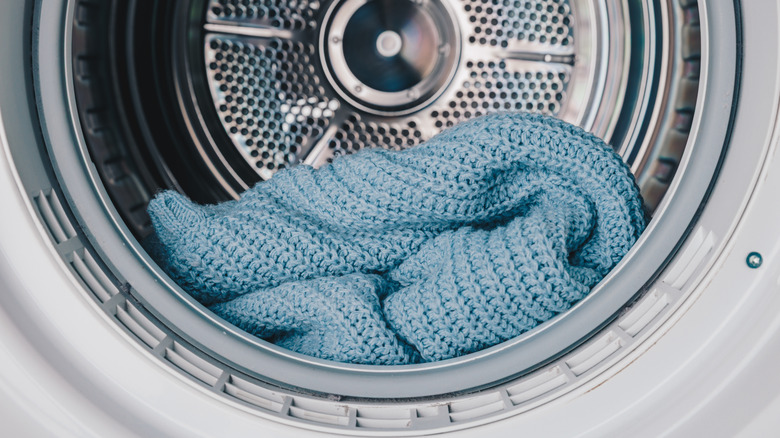
You should always follow the care and instructions on your throw blanket's tag, if present. Many blankets often require cold water, claims Arm & Hammer, though yours may vary. Using cold water will help protect the fabrics and reduce the chances of shrinkage, though fleece can be washed in warm water to kill germs. The delicate cycle is often recommended when washing throws to preserve the fabric's integrity. You should also avoid washing your blankets with sheets because your blankets need ample space during the cycle to get clean.
When it comes to washing blankets after illness, health experts at the University of Arizona say a normal wash cycle with a deep-cleaning detergent can kill most germs associated with cold, flu, and COVID-19 viruses. One option is Tide Original, or any other detergent that offers cleaning with enzymes. Although not necessary, you can also sanitize your laundry safely with a sanitizer additive as well for peace of mind.