

14 Things To Know About A Heat Pump Before Buying One For Winter
Staying at home is no longer quite the money saver that it used to be, is it? Sure, it's possible to save a few pennies by keeping some cold ones in the fridge, and the cost of a Netflix subscription is almost certainly cheaper than a night for the whole family in front of the silver screen. But the reality is that it's never been more expensive to simply sit at home and be comfortable. Especially with more traditional heating systems, such as gas boilers and electric radiators, it's fair to say that the rise in energy costs has never been such a concern among such a majority of Americans.
With this in mind, it's no surprise that so many homeowners are considering the switch to heat pumps. For starters, the running costs tend to be substantially lower for a heat pump than more traditional systems. Heat pumps are also up to four times as efficient, and for those with an eye to the future, they are one of the most sustainable forms of heating available to modern homeowners. So, what's the catch?
Well, we're not actually saying that there is one. Instead, we're saying that there are certain things you ought to know before buying one. Some, like understanding what the different types of heat pumps are, will ensure you make an informed purchase decision. Others, like the importance of professional installation, will ensure that you enjoy years of use from your pump without the risk of voiding your warranty. Ultimately, it's up to you to decide whether switching to a heat pump is worth the cost. Our aim, with this guide, is to make it that little bit easier for you to reach a decision.
Heat pumps are usually more efficient than traditional heating systems
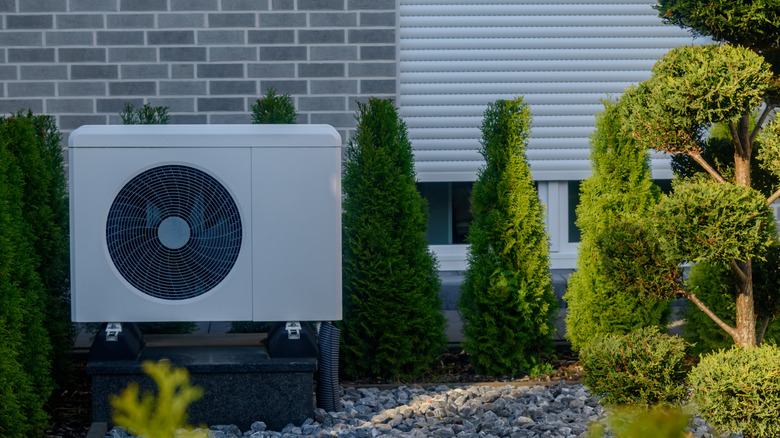
Ultimately, the reason that so many households around the world are choosing to switch to heat pumps is because they are decidedly more efficient than traditional heating systems. And we don't just mean gas. While electric heaters are often touted for being 100% efficient, that actually isn't as impressive as it sounds. What it means is that, for every unit of energy that's fed into an electric heater, it produces exactly one unit of heat. That's a 1:1 input-output ratio, and here's the rub: with heat pumps, it can climb as high as 1:4.
In other words, heat pumps are up to four times more efficient than electric heaters. This is because they work by transferring existing heat from the air around them, as opposed to generating the heat with either gas or electric fuel. Heating systems that have to generate their own heat necessarily use more energy to do it, regardless of whether they're fed by gas or electricity, and that means that they cost more to run. And while heat pumps do, admittedly, require an electricity supply, they use considerably less of it than other heating systems. What does this all mean for you? In short, it means that, depending on the type of heating system you're currently using, a heat pump has the potential to seriously reduce the amount it costs to stay warm during the winter.
There are different types of heat pumps to consider
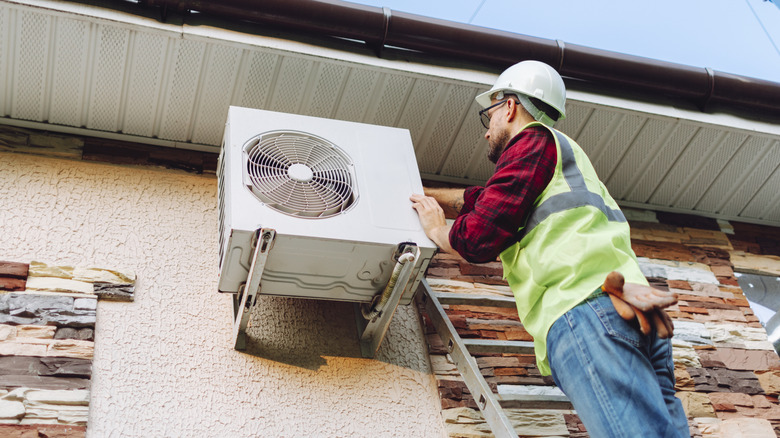
There are two main types of heat pumps to choose from: air-source and ground-source. Air-source heat pumps use an above-ground pump that, per the name, extracts heat from the air around it. Ground-source heat pumps, otherwise known as geothermal heat pumps, extract heat from the ground in which they're buried. Both are more efficient than traditional heating systems, but in order to get the most out of your new heat pump system, it's important to choose the right type.
To do this, there are a couple of things to consider. The first is your local climate. Since air source heat pumps work by drawing heat directly from the air around them, they tend to function best in mild-to-warm climates. In cooler regions, ground-source heat pumps are preferable, since the temperature of the ground tends to remain higher and more stable during periods of extreme cold. Unfortunately, you can only install a ground-source heat pump if you have a considerable amount of outdoor space to work with. And even then, the installation of ground-source heating is considerably more expensive than air source.
If either cost or space prevents you from installing ground source heating, then air source can still be a viable option. You can even buy air-source pumps that are better equipped to deal with colder conditions, although they inevitably come at a higher premium than standard air-source pumps. With this in mind, you may need to pair your air source heating with a backup heating system to ensure that your home remains warm when the mercury starts to fall.
Heat pumps are usually more expensive upfront than other systems

One of the downsides of using heat pumps is that, in order to reap the long-term financial rewards, you'll need to pay considerably more upfront than you would for a more traditional heating system. As a comparison, let's look at the cost of a heat pump system versus a traditional gas boiler. On average, gas boiler systems cost less than $6,000, which itself is no small investment. And while the national average cost for heat pumps is also around $6,000, it's also far more variable, since the cost hinges on both the type of system required and the amount of work needed, such as insulation, to make a home heat-pump ready. Some experts suggest that the cost for a ground-source heat pump system could reach as high as $25,000.
What about electric radiators, you ask? Again, while it can feel like you're spending a fortune by equipping your house with them, one of the pros of installing electric wall heaters is that they actually cost far less in the short term than heat pumps. In fact, the combined cost of several electric heaters is likely to be less than the money you'd spend solely on the heat pump unit. You won't have to hire a contractor, either, since electric heaters are usually very easy to install yourself, and nor will you need to pay to have your home fitted with a boiler or complicated pipework.
Air-source heat pumps can become less efficient in lower temperatures
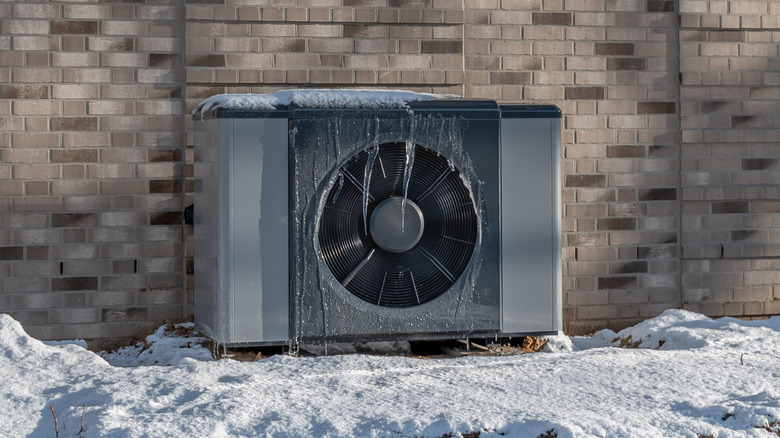
With standard air-source heat pumps, you can expect your heating system to become less efficient as the temperatures start to drop. In fact, depending on how cold your winters are, air-source pumps can stop working altogether, especially in areas where the mercury frequently falls below 32 degrees Fahrenheit. In turn, this can leave you reliant upon back-up heaters at a time you most need your heat pump to work.
Fortunately, it is now possible to buy heat pumps that are designed to work in colder regions, and while they inevitably come with a heftier price tag than regular air-source heat pumps, they are essential in areas that experience long and bitter winters. Geothermal (ground-source) heating is another alternative, although it remains the most expensive type of heat pump system. Whatever you deem best for your home, the key is to avoid relying on backup heating systems like space heaters. These could end up costing lots to run; if used for long periods at a time, they could even negate the financial benefits for which you bought a heat pump in the first place.
More efficient heat pumps cost more upfront but save more in the long run
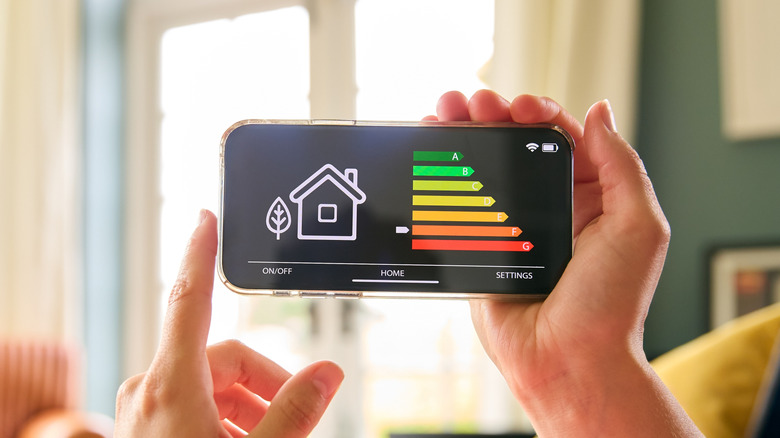
To future-proof your home and the amount it costs you to heat it, it's important to secure a heat pump that's as efficient as possible. Unfortunately, it's not quite as simple as wandering into your local store and asking the server for "your most efficient heat pump, please!" Instead, you need to understand how heat pumps are rated for efficiency, what those ratings mean, and the implications they have on both the upfront price of a pump and the ongoing costs of running it.
Heat pumps are typically rated in three ways. One is their Seasonal Energy Efficiency Ratio (SEER), which measures their cooling output over a season compared to the electricity used by the appliance. Another is their Heating Seasonal Performance Factor (HSPF), which measures how efficiently a pump heats over the course of a season. Finally, there's the pump's Instantaneous Efficiency (Coefficient of Performance, or COP). This measures how efficient a pump is at a given temperature — a handy reference in areas with extremely hot or cold climatic variations.
The higher these ratings are on a given heat pump, the more efficient it is. And as you might expect, those with higher ratings also tend to be more expensive. But you should bear in mind that the more efficient a pump is, the more it's likely to save you costs in the long term. In other words, while you should always shop around to ensure you get the best deal, you generally pay for what you get with heat pumps.
It's important to match your home with the right-sized heat pump
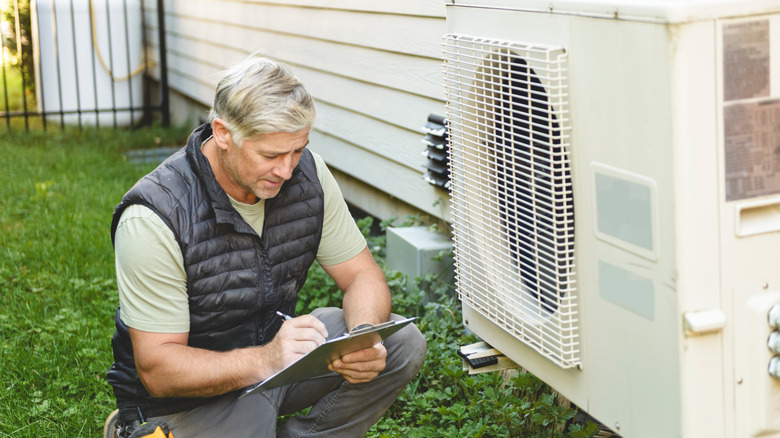
Ensuring that your heat pump is the right size is essential. If you have an oversized unit installed in your property, while you might think that you'll never have to worry about it failing, you could actually end up with a unit that short-cycles and wastes lots of energy, thus costing you much more to run than it actually should. Equally, if you opt for an undersized unit in an attempt to skimp on running costs, then it'll probably struggle to keep your home comfortable.
Instead, have a professional visit your home and conduct a heat pump load calculation. They'll assess your home's size, the number of rooms, and the layout, all while checking things like insulation and local climatic conditions. Armed with that information, they'll be able to specify the right-sized pump, ensuring that you benefit from a long life of optimal, low-cost performance.
Heat pumps require frequent maintenance and servicing
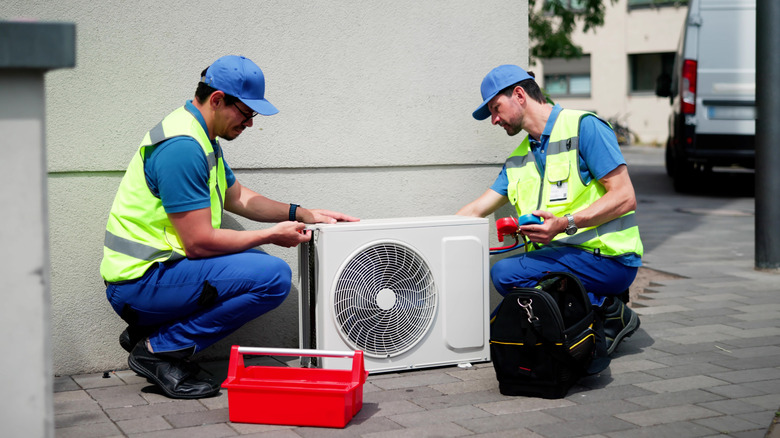
If you're used to heating your home with a gas boiler and are contemplating switching to a heat pump, then there's really no difference as far as this point is concerned. Like your gas boiler, you'll need to have your heat pump maintained and serviced each year to ensure it continues to run smoothly and efficiently. Fail to do so, and you could run into issues, including (but not limited to) poor performance and even a shortened lifespan for your equipment.
If you currently heat your home with electric radiators, then this extra step may make a heat pump feel more "involved." It may also lead you to question a heat pump's cost efficiency, since you'll surely have to pay for somebody to come out and service your pump every year. You will, but in the long term, you'll nevertheless spend significantly less to run and maintain a heat pump than you would to warm your home with electric heaters.
Professional installation is crucial for a heat pump
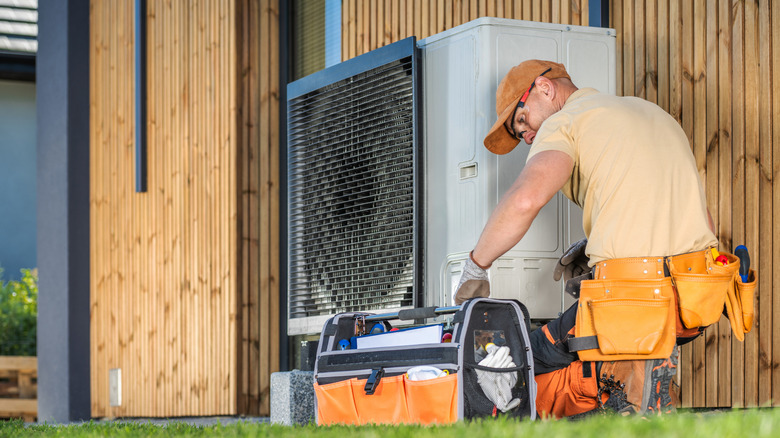
This one may come across as obvious: if your heat pump isn't installed correctly, then you can hardly expect it to work as described on the box. Poor installation can lead to reduced efficiency and therefore higher running costs, and depending on how badly the installation is handled, it could even lead to equipment failure. What's more, if you fail to install the pump properly, you may also risk voiding the pump's warranty.
In other words, unless you, yourself, are a professional, it's important to hire a heat pump installer who knows what they're doing. While hiring a contractor will inevitably add to your overall project costs, try to remember that, in the long run, a correctly installed heat pump will pay dividends, and that even with the added cost, it will eventually save you money versus less efficient systems like gas and electric.
Some types of heat pumps make noise, although not much
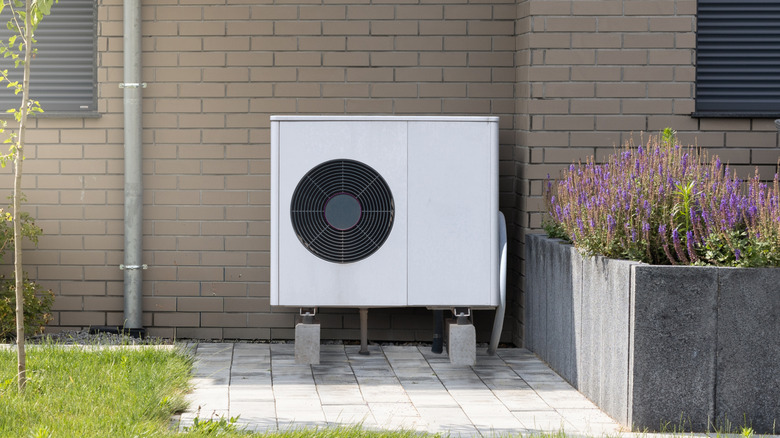
One of the most common misconceptions about heat pumps, especially air-source heat pumps, is that they're noisy neighbors to live with. The reason this is a misconception is that, while they do tend to emit some noise, they're usually not very loud. The noise is often no more than a low-level hum — scarcely loud enough to hear, much less spoil the zen of your garden.
Of course, if positioned directly below a bedroom window, then it may become slightly irritating at night, so that's worth bearing in mind. It's also likely to be much easier to hear in smaller gardens and patios, where a lack of space naturally means the pump is closer to where you and your guests like to sit and socialize. Generally speaking, though, the noise of a heat pump sits somewhere between a quiet library and a calm conversation. In other words, heat pumps are far from the insomnia-inducing menaces that they're often made out to be, and they're almost always quieter than more traditional furnaces and air conditioning units.
You may need to make other home improvements to make a heat pump worthwhile
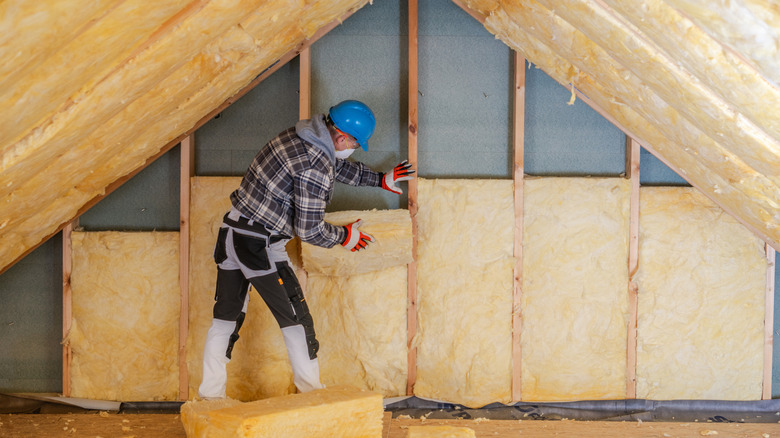
While heat pumps have the potential to be extremely efficient, they become significantly less so in homes with poor insulation and drafty windows and doors. They are just like gas and electric heating systems in that regard; if your home is thermally inefficient (meaning that it loses heat quickly), then your heaters will have to work harder to keep your house warm.
With this in mind, if you want your heat pump to live up to its potential, then you should assess your home's insulation and seals. Check your windows and doors for drafts and aim to get them sealed as a matter of priority. Line your attic with quality loft insulation, and if you're able, consider adding insulation to your walls. The more heat you can lock in, the less work your heat pump will have to do, and the less you'll have to pay to run it.
Heat pumps require larger radiators than traditional gas boilers
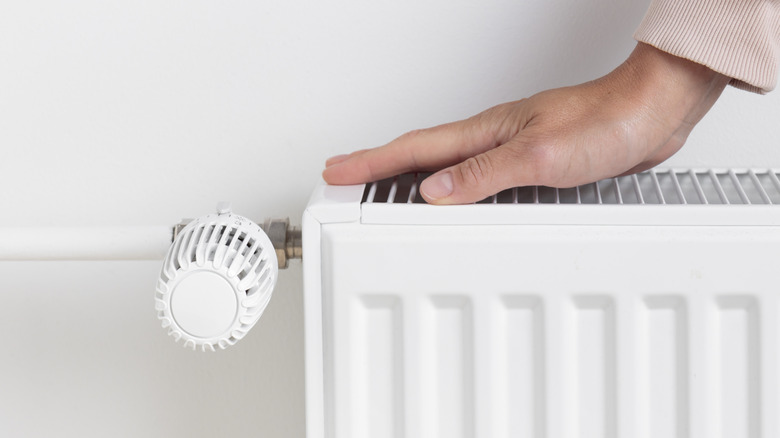
Because heat pumps operate at lower temperatures than traditional gas boilers, the water that they pump through your home's plumbing is also much cooler. This means they require considerably larger radiators in order to distribute the same amount of heat. In other words, if you're swapping your gas boiler for a heat pump, then the switch may not be as straightforward as you'd hoped.
If you're short on space, or if you have larger open-plan rooms to heat, then as well as fitting larger radiators, it may also be advisable to install other complementary systems, like underfloor heating. This can seriously lighten the load on your radiators and pump, ensuring that they don't have to work as hard to keep you and your house warm. To ensure your home is equipped with the right-sized heaters, it's best to consult a professional heat-pump installer. They'll be able to assess your home's size and layout, and specify which radiator sizes you need to keep each room at an optimal temperature.
Heat pumps are likely to last longer than conventional gas boilers
While you can usually expect a gas boiler to last around 15 years, heat pumps are expected to last for 20 or more. Of course, as with any complex piece of equipment, a heat pump's exact lifetime depends on how well it's serviced and maintained. It also depends on whether you opt for air- or ground-source heating, as well as the specific make and model of the pump.
As for which heat pump brands are best for your home, that's not for us to say. Instead, you should seek the opinion of a professional. You could also look on social media platforms like Reddit, where the community is sure to have an opinion on which brands' pumps are (and aren't) likely to last. As for the type, both ground- and air-source pumps are built to provide years of reliable service; however, since ground-source systems enjoy much better protection from the elements than their air-source counterparts, they are almost guaranteed to last longer.
Heat pumps are both cleaner and more sustainable
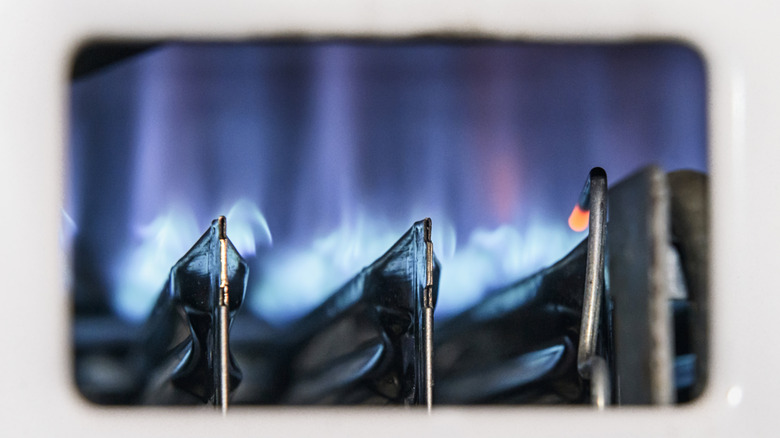
Burning gas in your home, be it on your stove or with a traditional gas boiler, comes with several serious downsides. One is that, as standard, the burning of gas releases nitrogen dioxide and other pollutants, which can reduce the quality of your home's atmosphere. Another is the inherent risk of carbon monoxide leaks, which can be incredibly dangerous should they occur and go undetected. It's also highly unsustainable, since gas, after all, is a fossil fuel.
Compare this to heat pumps, which don't have to burn anything in order to generate heat, and heat pumps are by far the superior choice when it comes to your health. They are also much more sustainable. Instead of gas, they're powered by electricity, and regardless of whether or not that power is sourced from renewables, heat pumps use up to four times less of it than electric heaters.