

Why Homebuilders Abandoned Atomic Ranch Style Homes After The 1970s
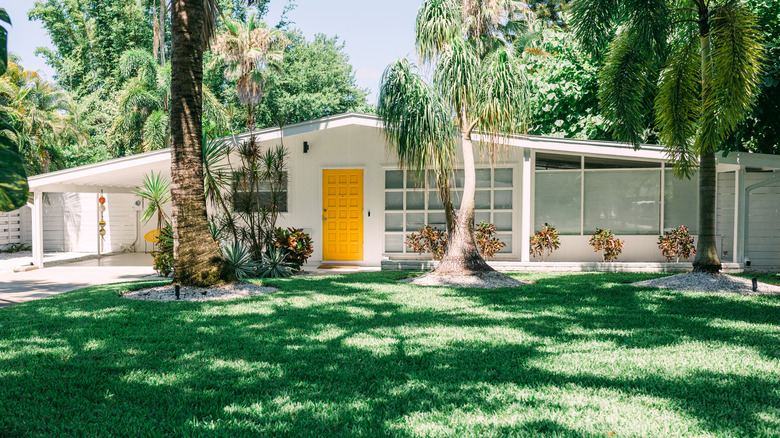
Nothing better represents mid-century modern aesthetics than the atomic ranch-style home. A home style that was popularized after World War II for its unique open, single-level floor plan, large plate glass picture windows, modern materials, low-profile roof, and affordable price. Atomic ranches became an icon of the 1950s and '60s. It makes you wonder why these homes that are still considered stylish today were traded in for the split-level in the 1970s and '80s? One of the biggest culprits of the downfall of the atomic ranch home was energy inefficiency. Another factor was that homebuilders wanted to make the best use of land and atomic ranch homes were too sprawling — the new trend was to build up, not out.
The atomic ranch home started popping up all over California from around 1945 to 1970, thanks to designer Joseph Eichler. After the war, many people wanted homes that reflected a desire to spend time outdoors with their families. They also wanted homes that exemplified the excitement for a prosperous future. The atomic ranch reflected this cultural change, with large sliding glass doors, relaxing outdoor areas, and a lower-profile facade that blended in seamlessly with the scenery. These amazing homes also exhibited modern materials, futuristic decor, and bright colors. While the atomic ranch home was becoming less popular by the 1970s, many people today believe it's a home style we should bring back because of its unique charm.
Why atomic ranch style homes were outdated by the 1970s
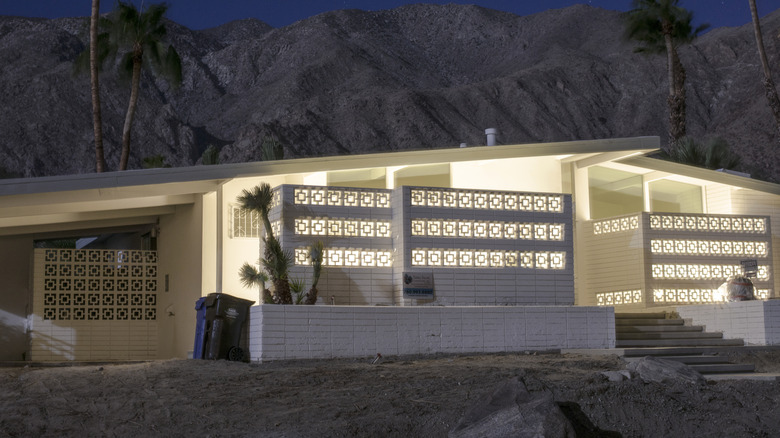
There are a couple of major factors that explain why builders started to shift away from the atomic ranch style home. While the homes were more affordable than those of previous decades, they did have their issues. Because of the low-profile roof, custom design features, and single-pane large windows, repairs became an expensive issue. Also, the flat roofs would often develop water damage due to improper drainage.
Another very important factor in the move away from this home design is that it wasn't very energy efficient. Those large windows didn't do a great job of insulating the home and when the 1970s energy crisis hit, energy costs went through the roof (pardon the pun). Home buyers in the 1970s and '80s were looking for homes that could save them money. This meant function became a priority over style and aesthetics.
Finally, home builders were looking to maximize profits during an economic decline and that meant maximizing space. Why would you build one large sprawling home on two acres when you could build two homes and double your profit? This is why you began to see a rise in two-story and split-level homes in the 1980s on smaller lots. For the homebuyer, this wasn't bad either. They got bigger homes that were also affordable. These split-level home floor plans offered more space with a smaller footprint. And many of the Baby Boomer generation were looking for more bang for their buck on their first home purchase.