

The Smart Upgrade Duo That May Help Lower Your Heating Costs In The Winter

Home energy usage tends to increase during the winter months, as people rely more on heating appliances to keep their homes comfortable. But bumping up your thermostat can quickly add up each month when you have to pay your natural gas or electricity bills. When it's cold outside, you might be looking for the best upgrades or hacks to keep your house warmer in winter. There are a number of inexpensive and easy ways to keep your energy bills lower, like setting your thermostat to the right temperature during winter nights. If you're open to a larger home improvement project, however, consider combining a heat pump with a solar panel system install to lower your heating costs this winter.
Heat pumps and solar panels both have high upfront costs, so they are definitely pricey home upgrades at first. However, if you install them together to support each other, the bill savings these two upgrades generate should offset their initial cost. Solar panels will generate electricity that directly powers your home, including the heat pumps, which will move warm air inside to raise temperatures inside your home. Together, these upgrades can improve your home's energy efficiency, lower your reliance on the power grid, and reduce your monthly energy bills.
Heat pumps and solar panels work together to save money
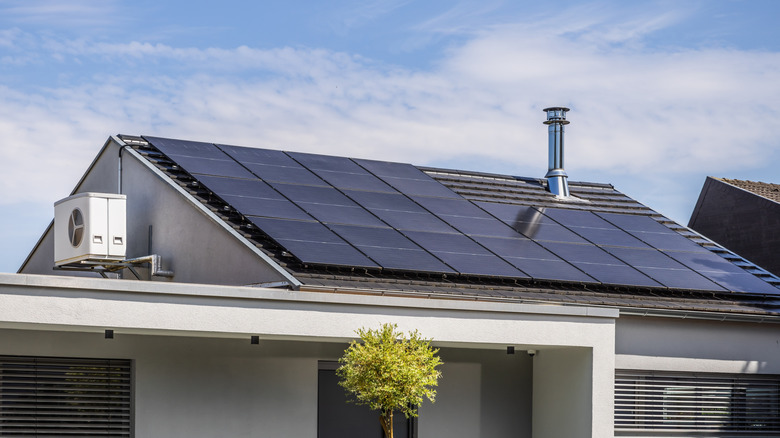
Traditional heating systems use a furnace or boiler that relies on gas or electricity to warm the air inside your home. Heat pumps work differently — they extract warm air from outside and transfer it into your home, and they are estimated to be two to fives times more efficient than furnaces or boilers. There are some misconceptions that heat pumps won't work well when temperatures drop below freezing, but many modern heat pumps are designed to function in temperatures down to minus 15 degrees Fahrenheit or even lower. Investing in a heat pump can result in immediate savings, with some homes saving up to $1,500 in heating costs each year, according to The U.S. Department of Energy.
While snow buildup can slow them down, solar panels aren't really impacted by the cold, so they're great to support heat pumps on most days. Solar panels can collect sunlight and convert it to directly power a heat pump during the day. You can also add a solar battery to your setup, which stores extra electricity gathered by the panels and powers the heat pump when the sun isn't shining. Combining heat pumps with solar panels creates an integrated home energy system that draws less electricity from the grid, lowering your energy bill and reducing your carbon footprint.
How much do heat pumps and solar panels cost?
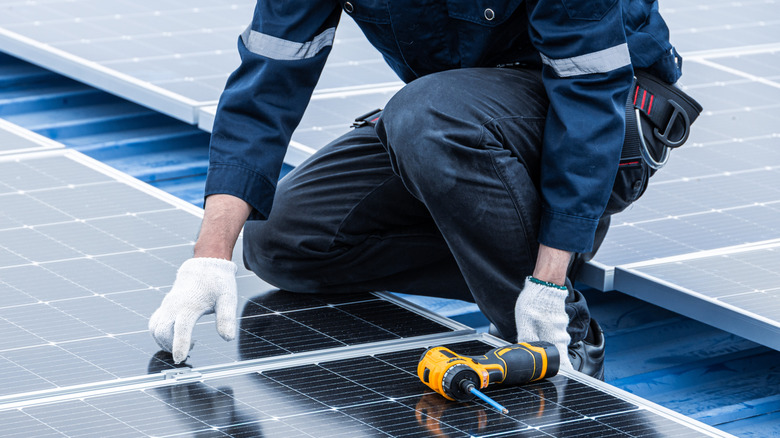
While the bill savings with heat pumps and solar panels are a strong incentive, these features aren't cheap to install and are way more intensive than your basic DIY home improvement projects. Central heat pumps (the kind that can provide enough heat for an entire home) generally cost between $8,000 and $15,000. There are some smaller and cheaper options, like window heat pumps, which can provide warmth for individual rooms. You might be able to find a DIY-friendly heat pump option, but it's an upgrade that is usually best left to a licensed professional. A correctly installed and maintained heat pump can last 10 to 15 years or longer.
The cost for a full solar panel system can cost from $12,600 to over $33,000, according to Consumer Affairs, and that doesn't include the cost of a solar battery — an additional $7,000 to $18,000. Most likely, you will also need to pay a professional to install solar panels, which adds to the total cost of the project. That being said, for the money they save in electrical bills, solar panels usually pay for themselves within 15 years. All in all, if you are searching for ways to lower your monthly utility bills and cut your home's carbon footprint, heat pumps and solar panels are a smart upgrade combo that can check all your boxes and improve the long-term efficiency of your home.