

17 Best Perennials You Should Be Planting In February
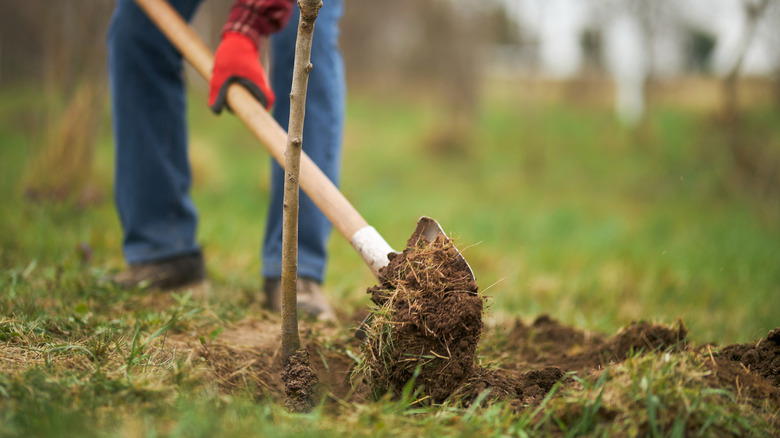
Winter weather is still in full swing here in the northern hemisphere, but that doesn't mean you can't begin planning for spring and summer blooms in your garden. February can be an excellent time to plant certain perennials. In fact, a wide variety of perennials fare better with exposure to cold temperatures before their growth season, a phenomenon known in the gardening world as cold stratification. Essentially, these plants need a significant temperature shift to break dormancy and trigger germination. This can be achieved through winter seed sowing in an outdoor container and transplanting later or, in some cases, planting seeds directly in your garden.
These flowers are versatile and reliable, perfect for creating a low-maintenance perennial garden or attracting pollinators to your yard year-round. If you live in a warmer region of the country, or the ground in your garden is already workable, then you can get to work now. Below, find a roundup of 17 different perennials you can sow outdoors or plant directly in your garden in February, including their ideal growing conditions and key pointers for establishing them successfully.
Black-eyed Susan
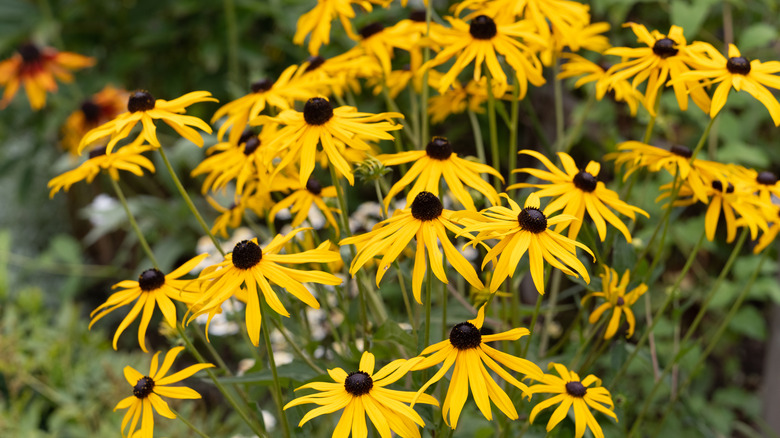
Black-eyed Susan (Rudbeckia hirta) is a native flowering perennial that's adaptable to a range of regions and weather conditions. Suitable for USDA hardiness zones 3 through 9, their bright yellow blooms offer a cheerful pop of color that emerges in the summertime and lasts well into the fall months. You can also harvest black-eyed Susan seeds and save them for blooms next season. For ample flowers later in the year, plant about six weeks before your region's average last frost in a sunny patch with well-draining soil.
Purple coneflower
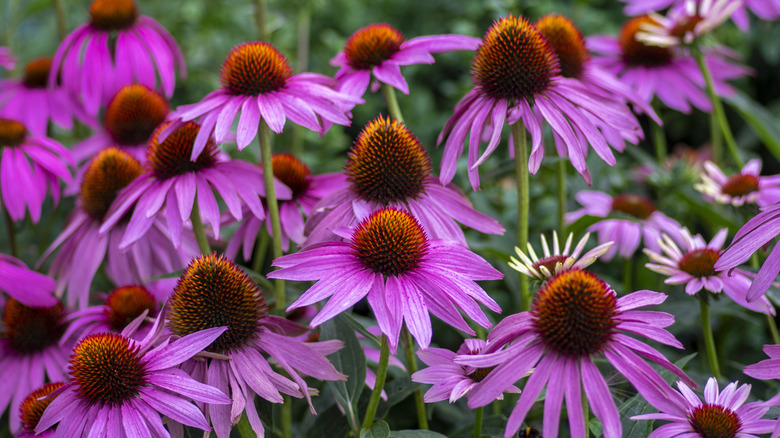
Similar to Black-eyed Susan, purple coneflower (Echinacea purpurea) is another native perennial that boasts gorgeous, highly saturated blooms. It's hardy in zones 3 through 9. The fall months are technically the best time of year to plant purple coneflower directly in your garden, but February can also work in warmer areas, or if you're willing to try winter sowing in a container. Choose a sun-drenched spot, ensure that the soil drains well, and leave some space between each purple coneflower plant for adequate airflow.
Yarrow
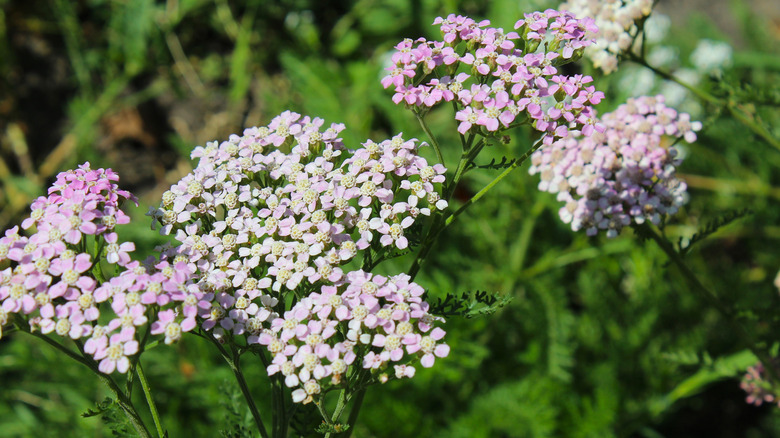
A tall-growing herb traditionally harvested for its medicinal properties, yarrow (Achillea spp.) offers more than function alone. Its dainty flowers, which come in colors like yellow, purple, and white, are a sight to behold. For February planting, assuming the ground is workable, scatter some yarrow seeds in a sunny spot in your garden with well-draining soil. This low-maintenance perennial will establish roots quickly and thrive without much effort on your part in hardiness zones 3 through 9. Come spring and summer, you'll get to witness it come to life with delicate blooms.
Lavender
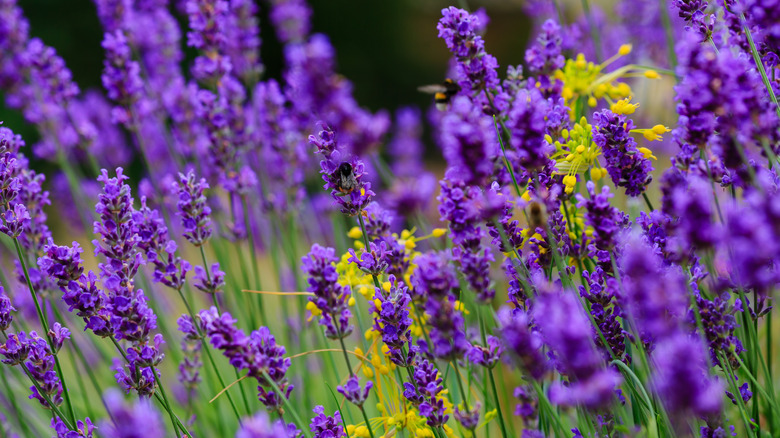
Lavender (Lavandula spp.) is a garden favorite for good reason. This fragrant perennial gets its name from its signature blooms, which burst with electric purple color. In hardiness zones 5 through 8, it can be grown in outdoor planters or directly in your garden. Spring planting is ideal, but in warmer regions without frost risk, late-winter planting can also work. Be sure to select a sunny area, use well-draining soil, and water your plants thoroughly upon sowing.
Liatris
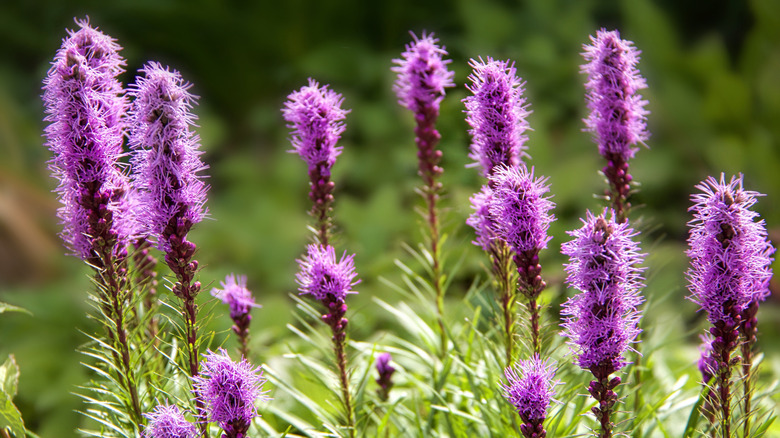
Blazing star (Liatris spicata), sometimes known as gayfeather, is one of those aforementioned perennials that fares best after a natural cold period as a result of late-winter sowing. A native wildflower with fluffy pink or purple blooms that grow vertically, it's best suited for hardiness zones 5 through 8. For maximum flowers this summer, establish your winter-sown Liatris in a spot where it will receive ample sunshine.
Blanket flower
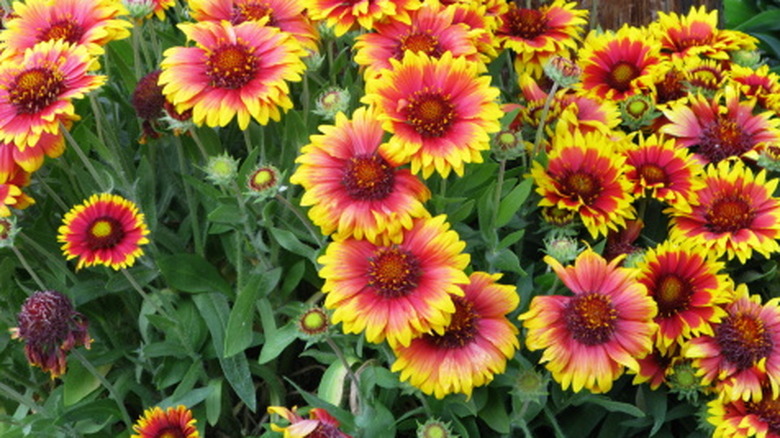
A perennial from the sunflower family native to North and South America, blanket flower (Gaillardia spp.) features eye-catching red and yellow blooms that stay vibrant for months on end in summer and fall. It's hardy in Zones 3 through 10 and famously unfussy, which makes it a good option for February sowing. Sow blanket flower's seeds in a sunny spot with well-draining soil once frost is no longer a threat.
Perennial sweet peas
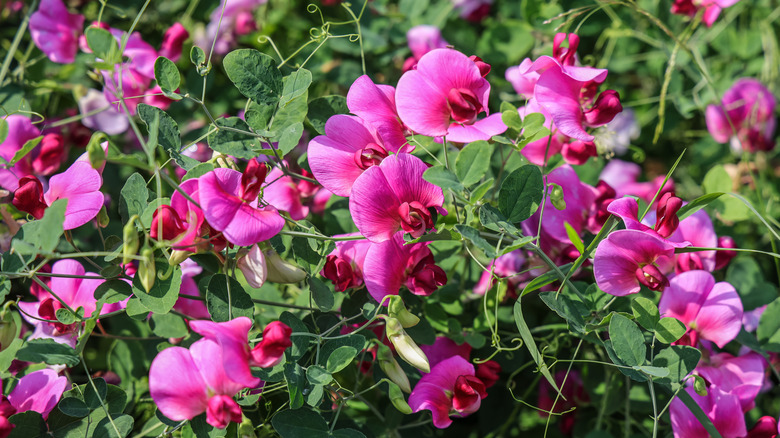
Don't let perennial sweet peas' (Lathyrus latifolius) dainty buds fool you; they're quite hardy and do well in Zones 4 through 8. Sowing their seeds in late winter or early spring can help them reach full height by the end of the growing season the following fall. Plant them directly in your garden now to help promote strong root growth and, eventually, sprawling blooms. Full sun and good drainage are key for happy sweet peas, so be mindful of where you grow them.
Snapdragon
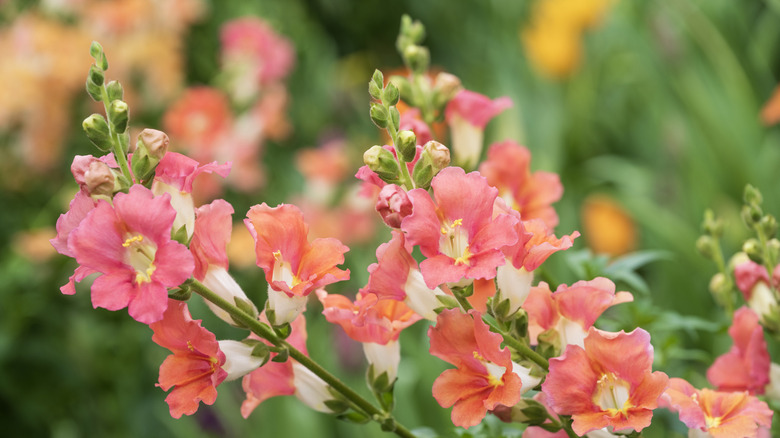
Snapdragon (Antirrhinum majus) takes a notoriously long time to grow (anywhere from 110 to 120 days, depending on the variety), so planting them early is a smart move. Get yours started in February, and you'll reap the benefits in late spring when they start to bloom. They're hardy in Zones 7 through 10, can tolerate some frost, and favor moist, well-draining soil. Outside of that range, snapdragons can also be grown as annuals.
Poppies
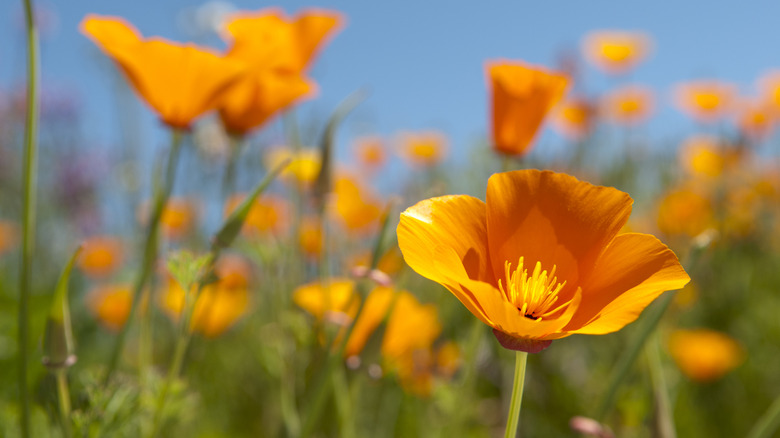
Bright-colored poppies (Papaver spp.) are a great choice for February planting in frost-free regions within Zones 7 through 10 because they take time to germinate. Though they can tolerate some shade, poppies fare best in spots that get at least six hours of direct sunlight each day. Be sure to plant this short-lived perennial in well-draining soil and water it generously as it establishes a root system.
Gladiolus
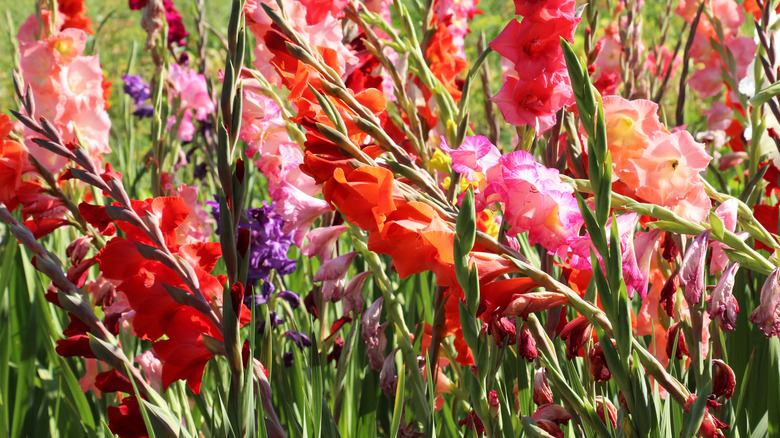
A tender perennial that packs a bold punch, gladiolus (Gladiolus spp.), also known as sword lily, is another showy pick for gardeners in Zones 7 through 10. They bloom in summer, so planting them in late winter will give them plenty of time to establish roots and reach their full potential. Grow sun-loving Gladiolus somewhere that gets lots of daylight, spacing each bulb about 3 to 5 inches apart for ample breathing room. (Fair warning: This plant is toxic to cats, dogs, and horses.)
Woodland sage
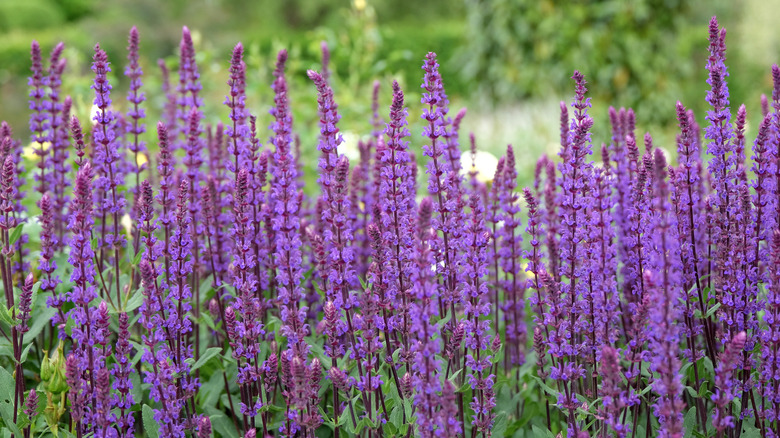
Hoping to attract more pollinators to your garden? Look no further than woodland sage (Salvia nemorosa), a tall-growing flowering perennial that reliably draws in bees, butterflies, and hummingbirds. This plant's long-lasting purple blooms can benefit from an early start. Gardeners in Zones 4 through 8 will have good luck starting woodland sage in February if they're roughly eight to 10 weeks away from their region's last anticipated frost.
Cheddar pinks
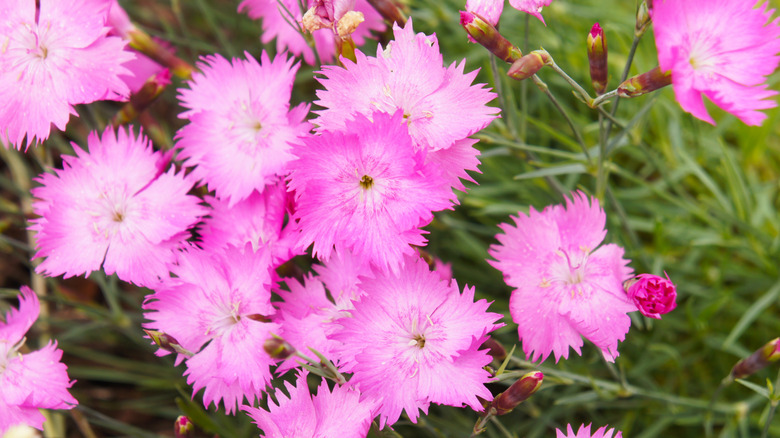
Depending on the weather conditions in your area, cheery cheddar pinks (Dianthus spp.) can be grown as annuals, biennials, or evergreen perennials. These deer-resistant flowering plants are hardy in Zones 4 through 9, and you can get them started directly in your garden as early as February, as long as you are about eight weeks out from your anticipated last frost date. Plant them in a spot with well-draining soil that gets full sun or partial shade.
Foxglove
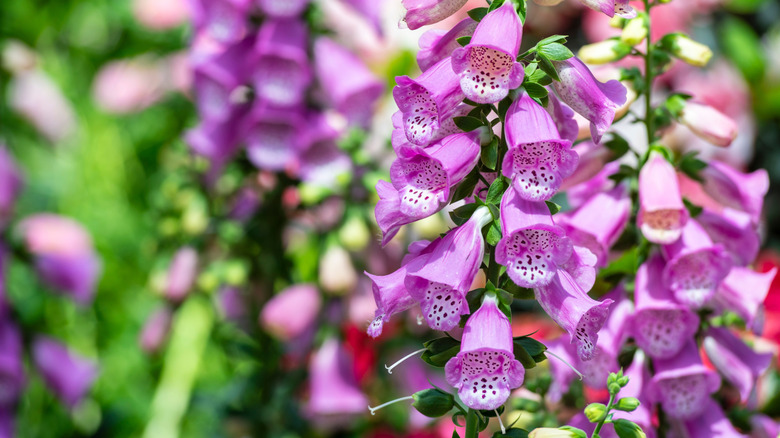
Hardy in Zones 4 through 9, foxglove (Digitalis purpurea) is a short-lived perennial that boasts stunning purple flowers in a distinctive shape. They prefer cool, moist weather and can be sown directly in soil in the warmer end of their growing range in late winter or early spring. Grow foxglove in your garden by nestling its seeds into place with a rake and watering them thoroughly after planting. You'll see those gorgeous blooms come through in late spring or early summer.
Common milkweed
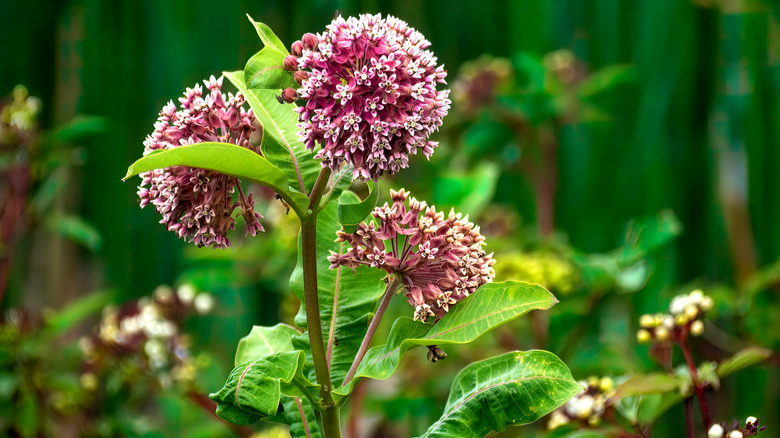
Another native perennial flower that's beloved by pollinators, common milkweed (Asclepias syriaca) is highly adaptable and suitable for winter sowing outdoors in February in Zones 3 through 9. Milkweed is one of those plants that requires cold stratification to successfully germinate; however, it's typically planted in the fall. It's also worth noting that milkweed needs full sun and moist soil conditions to truly thrive. Fun fact: It's an essential plant for monarch butterflies, which lay their eggs on it.
Goldenrod
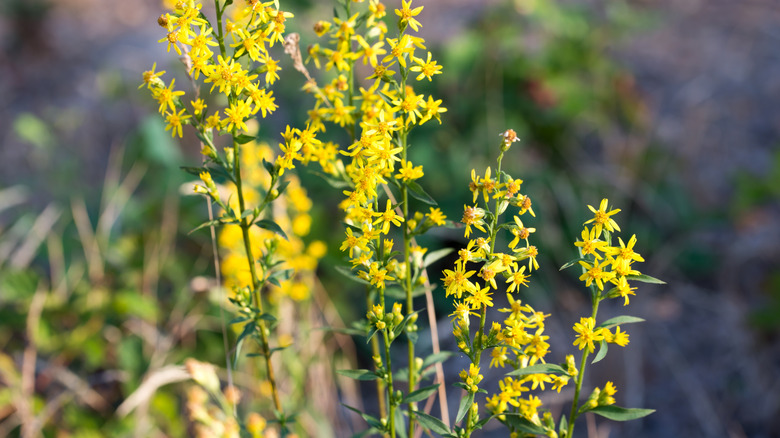
Goldenrod (Solidago spp.) gets its name from its trademark golden-yellow flowers, which grow strong and tall. Like milkweed, this U.S.-native perennial benefits from being sown outdoors in late winter. Most varieties of goldenrod will work in sunny spots within hardiness Zones 3 through 9. Start now, and by the time it's ready to be transplanted to your garden, temperatures will already be warming up.
Asters
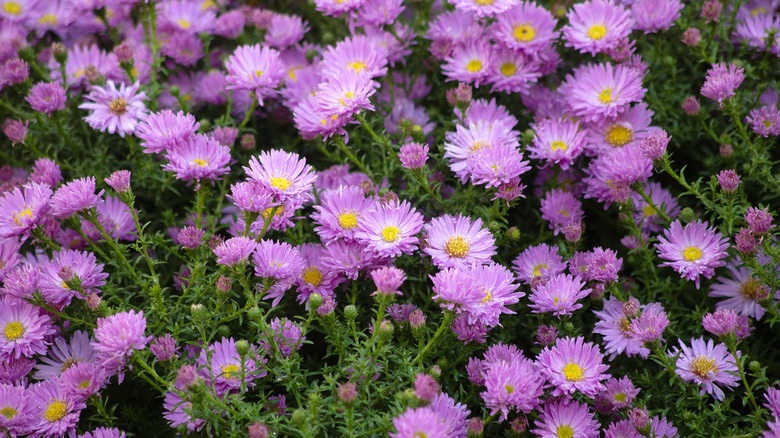
An eye-catching perennial that resembles daisies, asters (Aster spp.) flower in late summer and fall, bringing vibrant color to your garden later in the year. Most varieties are hardy in Zones 3 through 8. Though it's generally best to plant asters in your garden in late spring when frost is no longer a threat, you can also attempt winter sowing outdoors in February. Once spring arrives, transplant your sown asters somewhere sunny and keep them cool and moist as they grow.
Thyme
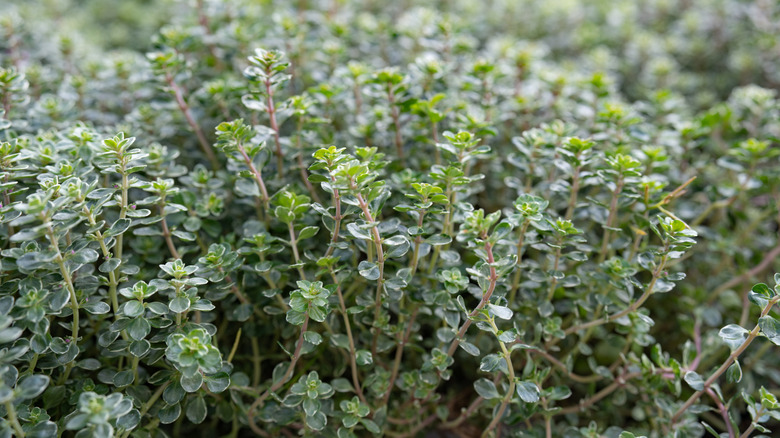
Do you love using fresh herbs in your home-cooked meals? Get on top of your spring and summer herb garden by planting thyme (Thymus vulgaris) indoors in February. This hardy perennial tolerates frost and drought once established, though it can be tricky to start from seed. For the sake of ease, start this slow-growing herb from cuttings now, and transplant them to an outdoor planter or directly into your garden once the ground warms up a bit in late spring or early summer. Most varieties of thyme are winter hardy up to Zones 4 or 5.