

No More Metallic Tile: Why Homeowners May End Up Regretting It
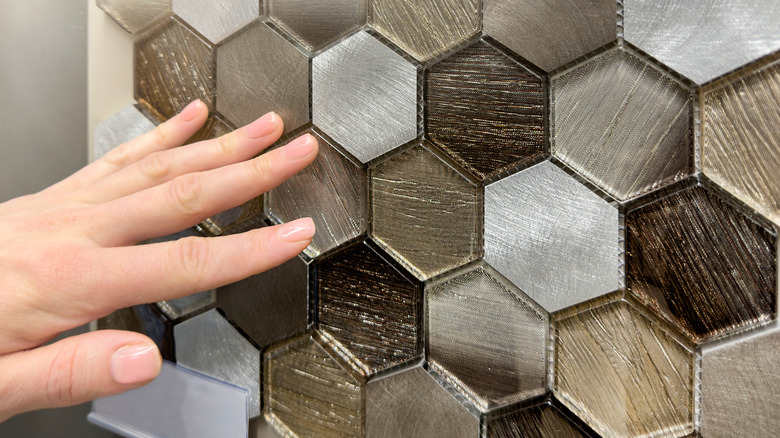
Choosing the right type of tile for your next project (whether it is a bathroom remodel or a full kitchen renovation) is crucial for both the aesthetics as well as the functionality of the space. Metallic tiles can help you stand out — they are luxurious, modern, and versatile; while also available in various options: from the industrial tone of stainless steel to the warm hues of copper and bronze. But just like all that glitters is not gold, the shimmery hue of metallic tiles may not turn out as alluring later on, and even give you massive headaches down the line. Metallic tiles can easily show smudges and stains, are harder to maintain, and can go off-trend as quickly as they become popular. Metallic tiles can also give a cold, industrial vibe over time and show signs of damage faster.
Metallic tiles belong to tile trends that have gained a lot of popularity over the last couple of years. The touch of luxury they add to their surroundings makes them especially popular in showers and bathroom remodels. Nonetheless, if you're thinking of installing metallic tiles, no matter the type, be ready to maintain a regular maintenance schedule. High-gloss, dark metallic tiles can be especially difficult to maintain. They pick up smudges, fingerprints, dust, dirt, and grease way too quickly than other tile types. In fact, no matter how often you clean them, you can always find some tell-tale sign of cleaning, or the cleaning product itself, left on the surface.
Metal tiles can give a chilly vibe and are more prone to damage
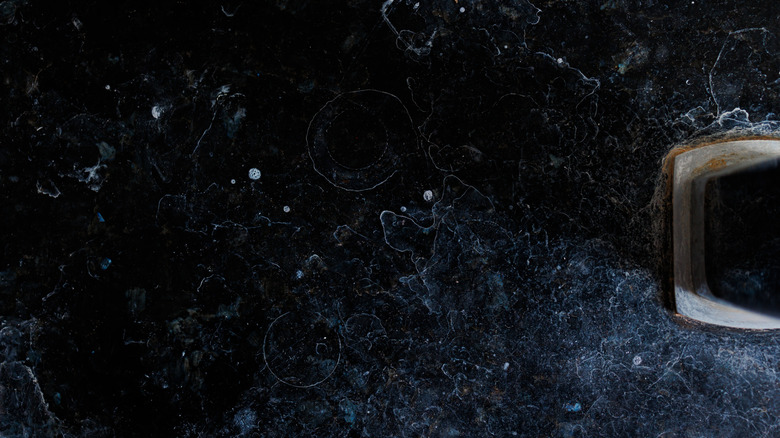
Metallic tiles come with other downsides as well. Stainless steel tiles, one of the popular metal tile types, can easily start showing scratches on their surface. If you have hard water in your house, these tiles would also make hard water stains highly visible. You may find yourself scrubbing the tiles with a lint-free cloth more often than you would like. Again, mosaic metal tiles, which can give your bathroom a more luxurious feel, also have quite intricate grouting, which can be a nightmare while cleaning.
Furthermore, if the metal used in the tiles is not 100% stainless steel (say, if it is mixed with other alloys like nickel), it can begin to degrade in high-moisture environments, like your bathroom. Only pure stainless steel is completely resistant to corrosion. Therefore, you may have to do some extra homework with your designer before installation, regarding the quality of the products and warranties — especially if you're installing the tiles in wet areas.
Other inherent properties of metal can also make installing metallic tiles a regrettable choice later on. Metal being a good conductor of electricity, there is a slight risk of accidents if they are installed near power outlets. Metallic tiles can also be super cold to the touch, which makes them questionable as a choice for flooring. When it comes to flooring, soft copper and aluminum tiles can also be vulnerable to denting on impact.
Metallic tiles' luster (& popularity) can fade with time
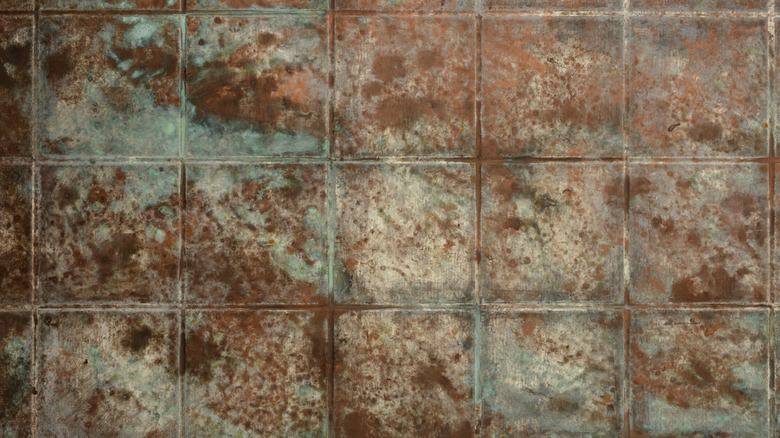
Some metal tiles like copper can change color over time. While this change in color is a natural process known as patination that happens due to oxidation of the metal, it also means that you would have to take some extra measures to keep their original shiny penny hue. You would require copper cleaners or sealants if you want their shine to persist. Moreover, if you're installing copper tiles at a place that experiences some surface run-off, you also run the risk of staining other areas of your house. When water runs off the copper surface, it takes some particles of copper with it. Subsequently, other areas can also get stained with the blue-green patina. If you don't like what has happened to the Statue of Liberty (yes, that's due to copper), you are better off avoiding the metal altogether.
You may run into a range of problems during installation of metallic tiles too. Metal tiles can be more costly upfront when compared to ceramic tiles. Although they are more durable long-term, you may have to pay for specialized equipment for installation. Installation may also be more labor-intensive, with specialized techniques involved, which can also spike costs.
Another important factor to consider is that just because metallic tiles are in-trend at a particular time, that doesn't mean they would stay that way. While you may want to mix in some metals in your home decor, be aware that designs like metallic backsplashes can quickly go out of fashion as well.